Raccoon Removal & Exclusion Services
Floyd’s Pest & Wildlife Control provides professional raccoon removal and exclusion services throughout Connecticut. Raccoons commonly enter attics, chimneys, crawlspaces, garages, sheds, and soffit areas when they find weak points in a structure.
In Connecticut, raccoon problems are especially common around older homes, wooded neighborhoods, river corridors, and properties with easy roof access. Raccoons are powerful climbers and can easily scale siding corners, downspouts, decks, trees, and rooflines to reach attic entry points.
Once on the structure, raccoons often exploit:
- Water-rotted soffits and fascia
- Loose roof edges
- Unprotected chimneys
- Weak gable vents
- Construction gaps
- Damaged crawlspace vents
- Areas previously chewed by squirrels
Raccoons are not minor nuisance animals. They are strong enough to tear open soffits, rip apart vents, enlarge roofline gaps, crush insulation, and contaminate attic spaces with droppings and urine.
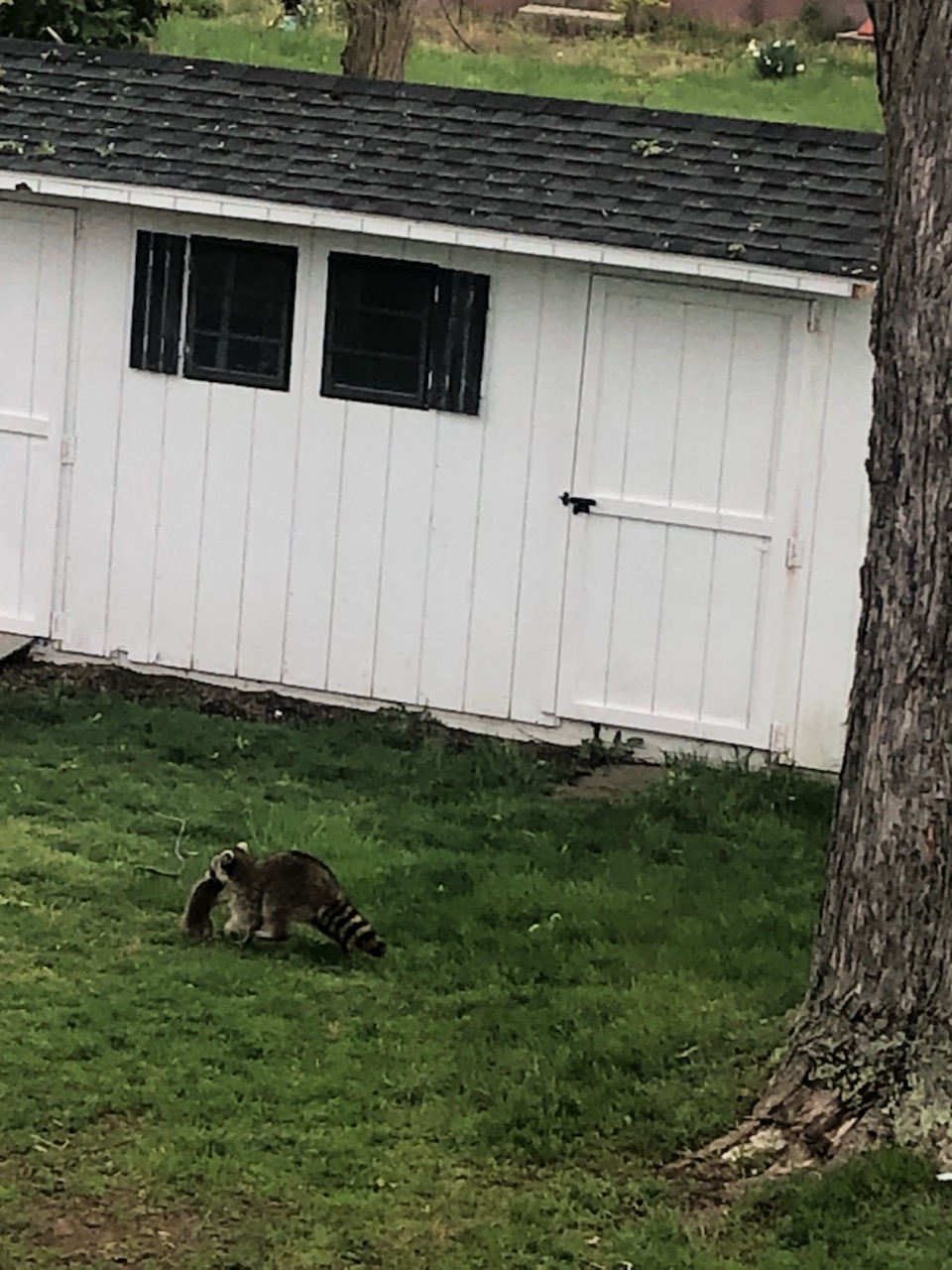
Female raccoons commonly enter homes during spring to create safe den sites for their young. Attics and chimney areas provide warmth, protection from predators, and quiet shelter for raising babies.
Raccoon problems are not just trapping problems. If the access point stays open, the same issue can return or another raccoon can move in later. Long-term raccoon control means removing the animals, checking carefully for young, sealing entry points, repairing structural damage, and cleaning contaminated areas when needed.
Proper exclusion work is critical because raccoons can reopen weak repairs and repeatedly target the same vulnerable areas of the home.
Our Raccoon Services Include
- Raccoon inspections
- Attic raccoon removal
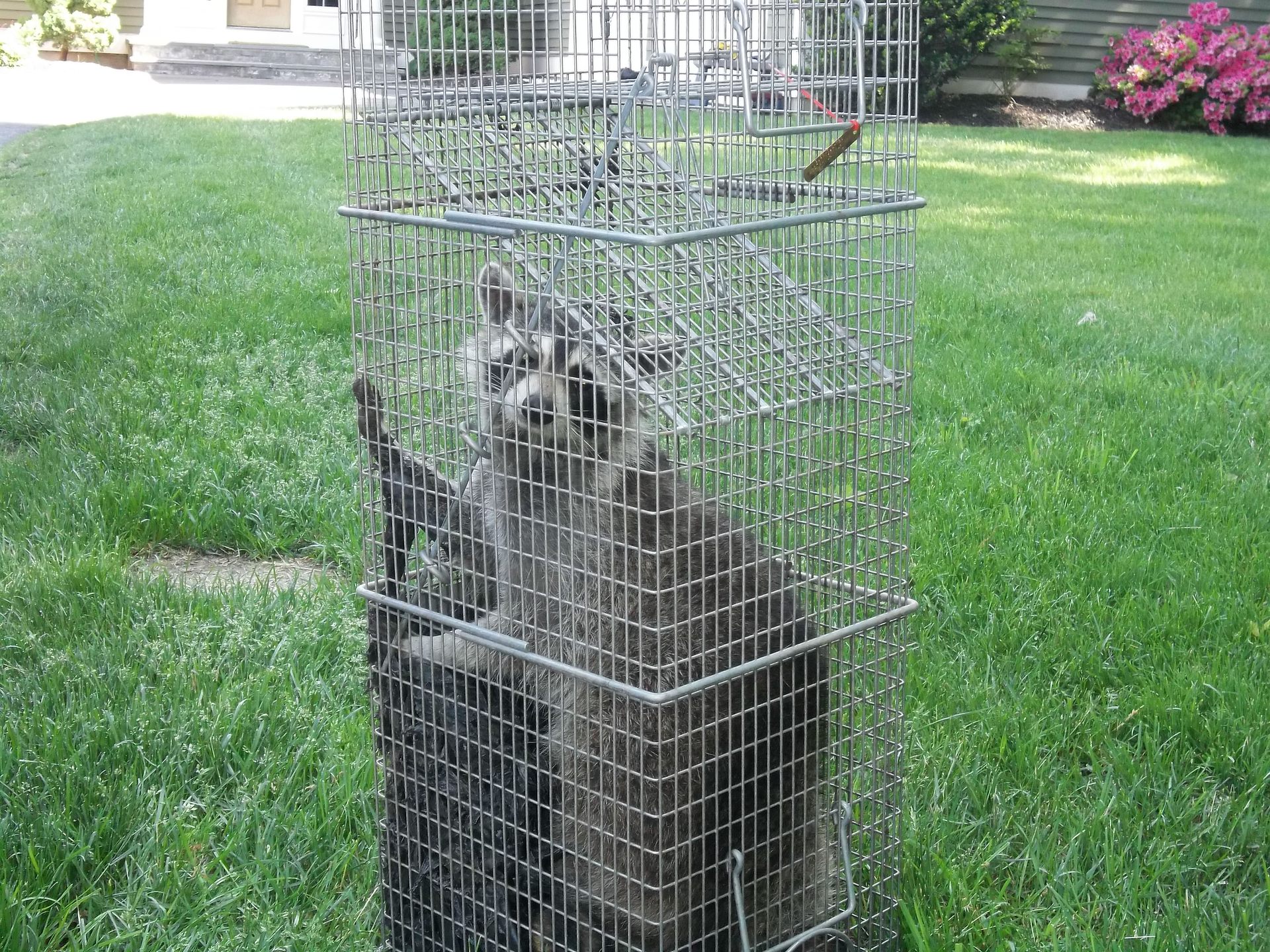
- Raccoon trapping where needed
- Mother and baby raccoon removal
- Raccoon eviction when appropriate
- Entry point sealing
- Soffit and fascia repairs
- Chimney and vent protection
- Crawlspace exclusion
- Raccoon dropping cleanup
- Attic sanitization
- Odor treatment
- Contaminated insulation removal and replacement
Why Raccoons Enter Connecticut Homes
Raccoons are extremely adaptable animals and are one of the most common wildlife problems in Connecticut homes. They are strong climbers, intelligent problem solvers, and constantly search for safe shelter, food sources, and protected den sites.
In Connecticut, raccoon problems are especially common around:
- Older homes with aging rooflines and soffits
- Wooded neighborhoods and mature tree cover
- River corridors and wetland areas
- Homes with easy roof access
- Properties with open garbage, pet food, or bird feeders
- Structures with rotted trim or weak construction areas
Female raccoons frequently enter attics, chimneys, soffit areas, wall spaces, and crawlspaces to raise young. These areas provide warmth, darkness, protection from weather, and safety from predators.
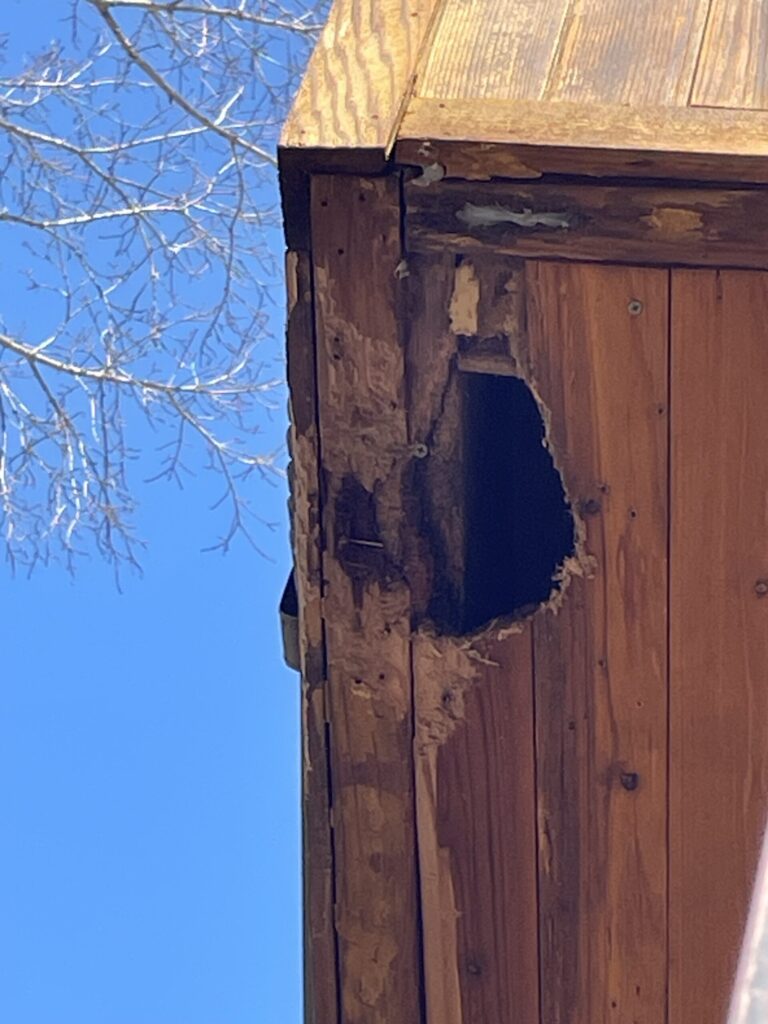
Raccoons are powerful enough to tear apart weak soffits, bend vents, rip open fascia, and enlarge existing construction gaps. In many cases, the entry point started as a small area of water rot, squirrel damage, loose trim, or an unprotected vent before being enlarged by raccoons.
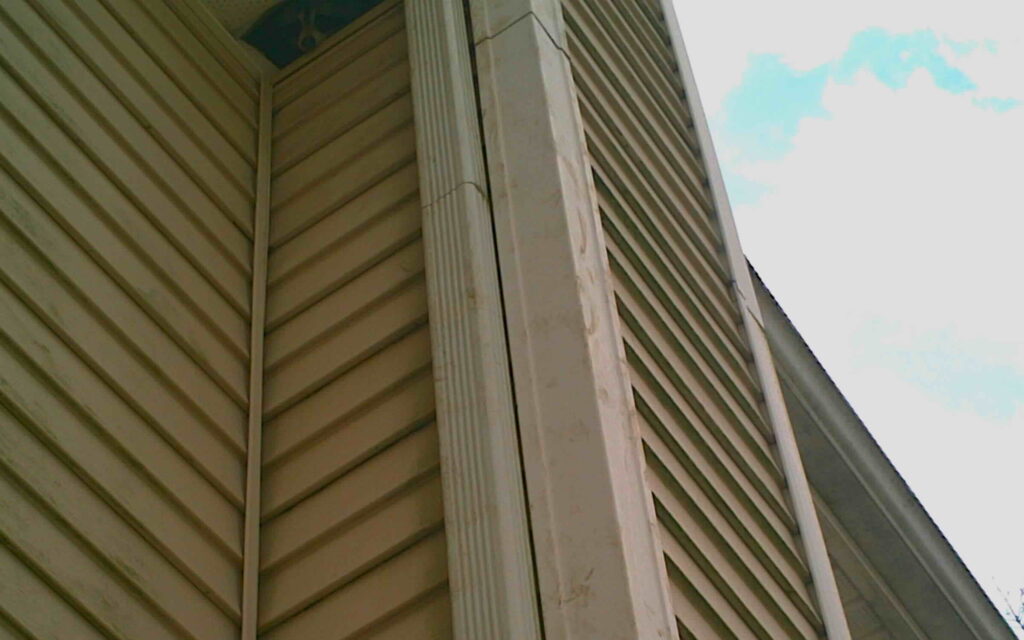
One of the most common raccoon access patterns in Connecticut involves raccoons climbing vertical corners of the home to reach the roofline. Over time, repeated climbing often leaves visible staining, claw marks, hair, dirt tracks, or worn siding along the corner they use to reach the attic entry point.
Once raccoons establish a reliable den site, they may continue returning year after year unless the structure is properly repaired and reinforced. Simply trapping the animal without correcting the entry point usually does not solve the long-term problem.
>
Signs You May Have a Raccoon in the Attic
Raccoon activity is usually louder and heavier than squirrels, mice, or bats. Homeowners often describe the sound as thumping, dragging, walking, or heavy movement above the ceiling.
- Heavy walking or thumping sounds in the attic
- Noises at night or early morning
- Scratching near soffits, ceilings, or walls
- Damaged soffits, vents, fascia, or roof edges
- Raccoon droppings in the attic
- Strong odor from urine, feces, or nesting material
- Insulation pushed down or torn apart
- Raccoons seen on the roof or near the chimney
- Baby raccoon sounds during spring
Common Raccoon Entry Points
Raccoons do not need a perfect opening. They often start with a weak soffit, loose vent, rotted trim, or roofline gap and force their way inside.
| Entry Area | Why Raccoons Use It |
|---|---|
| Soffit returns | Weak corners and returns can be pushed open or torn apart. |
| Fascia boards | Rotted or damaged fascia gives raccoons a place to pull into the attic. |
| Roof edges | Gaps along rooflines can be enlarged by force. |
| Chimneys | Uncapped chimneys are common den sites, especially for females with young. |
| Gable vents | Loose or weak vents can be damaged and used as attic access. |
| Crawlspace openings | Damaged vents, open doors, and foundation gaps can allow raccoons underneath buildings. |
Baby Raccoons in the Attic
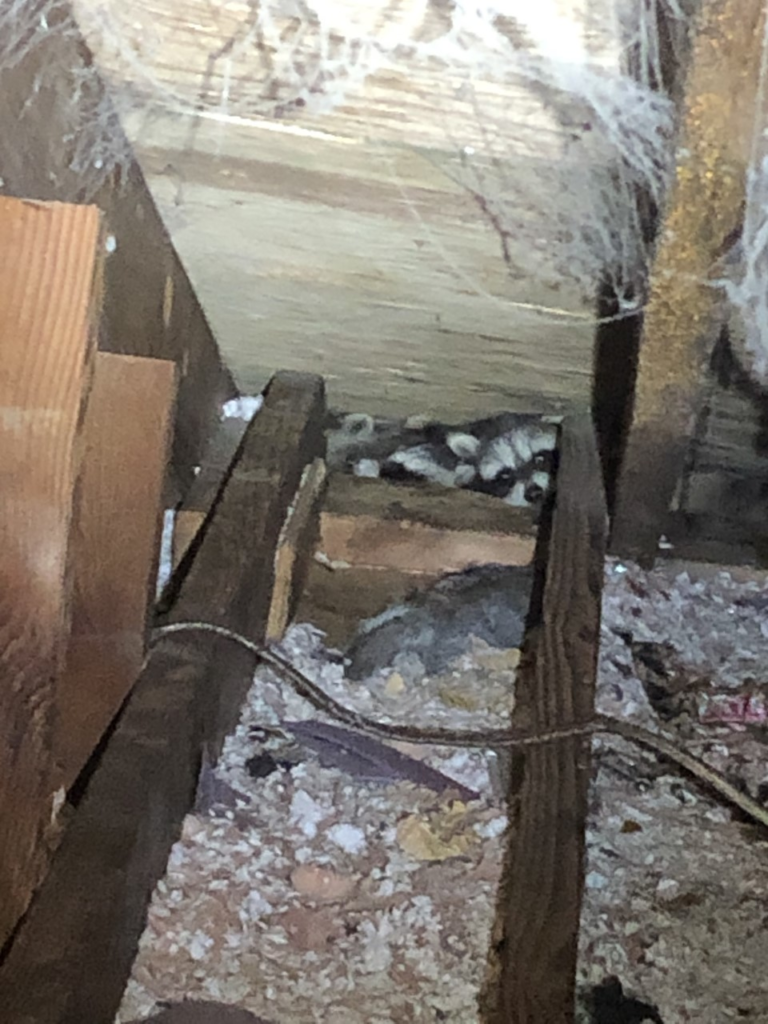
Baby raccoons are one of the main reasons raccoons enter Connecticut homes. Female raccoons commonly use attics, chimneys, soffit areas, wall voids, and crawlspaces as den sites during spring and early summer.
In many Connecticut raccoon jobs, the attic problem is not just a single raccoon — it is a mother raccoon with a litter of young hidden inside insulation, soffit bays, chimney areas, or wall spaces.
Baby raccoons are born blind and completely dependent on the mother. During the first several weeks, the female leaves the attic periodically to search for food before returning to nurse and protect the young.
Young raccoons typically remain inside the den site for roughly 8 to 12 weeks before becoming active enough to regularly follow the mother outside. During this period, homeowners may hear:
- Heavy movement in the attic at night
- Scratching or dragging sounds
- Baby vocalizations or chirping noises
- Movement near soffits or chimney areas
- Activity increasing as the young get older
This changes the removal strategy completely. If young raccoons are present, simply sealing the entry point or trapping the mother can create a much worse situation. Babies left behind inside an attic, chimney, or wall space may die inside the structure, leading to odor problems, insects, staining, noise, and additional damage.
Mother raccoons can also become extremely persistent when separated from their young. In some situations, they may aggressively attempt to reopen entry points or tear into weak areas of the structure trying to regain access.
A proper inspection helps determine:
- If young raccoons are present
- Where the den site is located
- Whether eviction is possible
- Whether hand removal of young is needed
- When exclusion repairs can safely be completed
The goal is to remove the raccoons humanely, avoid trapping animals inside the structure, and properly secure the home once the den site is inactive.
Raccoon Eviction During Baby Season
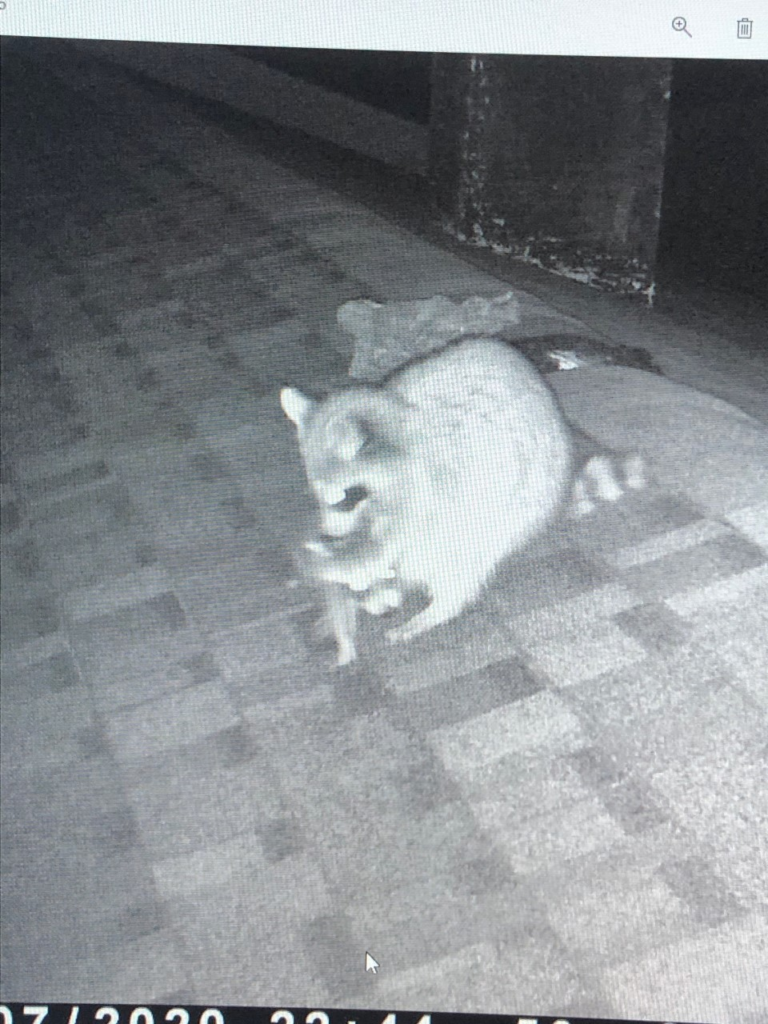
In some situations, raccoon eviction can be used instead of trapping. Eviction works by encouraging the female raccoon to move her young out of the attic or chimney on her own.
This method only works during a limited time window — typically during the first few weeks after birth before the babies’ eyes are open and while the young are still being carried by the mother.
Female raccoons are extremely protective of young raccoons during this stage. One eviction method involves introducing male raccoon scent near the den site. This works because male raccoons are known to kill unrelated young raccoons, and female raccoons instinctively react to the scent as a threat to the litter.
When successful, the female may relocate the babies to another den site on her own, often carrying the young one at a time during the night.
Eviction does not work in every situation. Once the babies get older, mobile, or large enough that the mother is no longer regularly carrying them, trapping or direct removal methods are often required instead.
Successful raccoon eviction depends on:
- The age of the young
- How established the den site is
- Weather conditions
- Alternative den locations nearby
- Correct timing during the nesting cycle
Even when eviction is successful, the structure still needs to be inspected and sealed afterward. If the entry point remains open, raccoons may return later or another female may use the same den site in the future.
Our Raccoon Removal Process
1. Inspection
We inspect the exterior roofline, soffits, fascia, vents, chimney areas, attic access points, crawlspaces, and visible damage to locate the active entry point.
2. Identify Activity
We look for tracks, droppings, insulation damage, nesting material, staining, odors, and entry patterns. Raccoon jobs often require careful inspection because the obvious damage may not be the only issue.
3. Determine if Young Are Present
During baby season, we check for signs of young raccoons before any exclusion or sealing work is completed.
4. Remove the Raccoons
Depending on the situation, raccoons may be removed through trapping, eviction, hand removal of young, or other appropriate methods.
5. Seal Entry Points
Once the raccoons are out, the structure needs to be repaired with durable materials. Raccoons are strong and can reopen weak repairs.
6. Cleanup and Sanitization
If the attic or crawlspace has been contaminated with droppings, urine, nesting material, or damaged insulation, cleanup and sanitization may be needed.
Call or text 860-319-3216 for raccoon removal, exclusion, and cleanup service in Connecticut.
Raccoon Damage in Attics and Crawlspaces
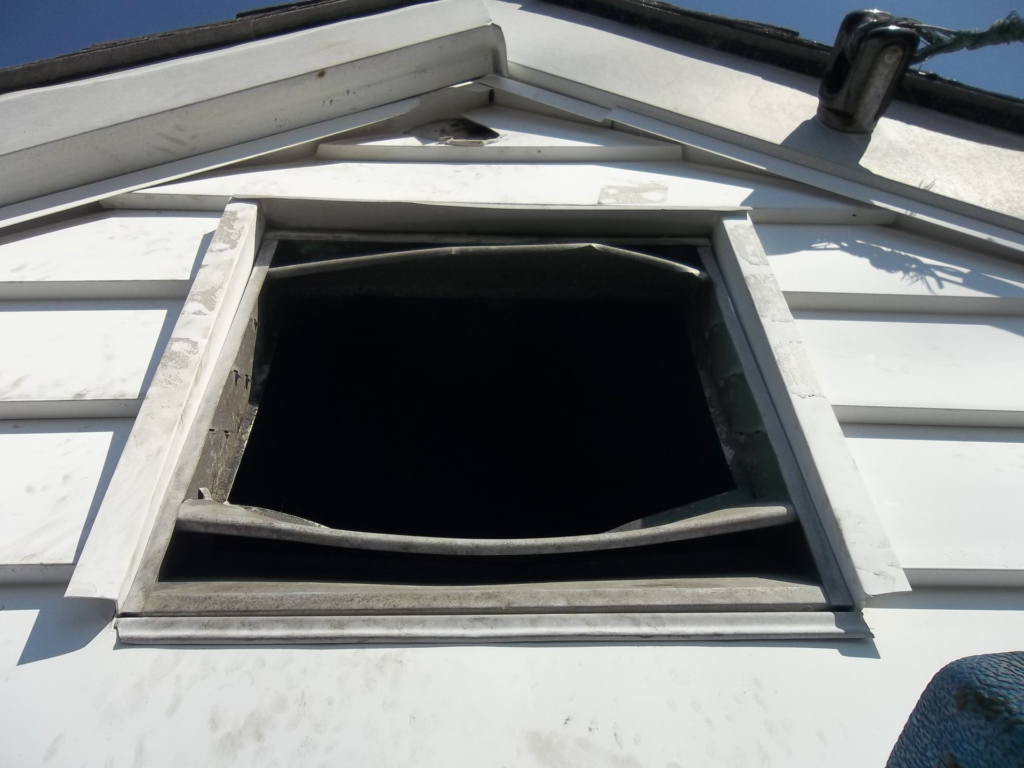
Raccoons can cause serious damage once they enter a structure. They are strong animals and can tear open soffits, pull apart vents, damage insulation, crush ductwork, and contaminate attic or crawlspace areas.
Common raccoon damage includes:
- Torn soffits and fascia
- Damaged vents and roofline materials
- Compressed or destroyed insulation
- Raccoon droppings and urine contamination
- Strong attic odors
- Nesting material inside attic spaces
- Damaged ductwork
- Contaminated storage items
- Staining around entry points
Raccoon Droppings, Roundworm Risk & Cleanup
Raccoon droppings should be handled carefully. Raccoons can carry parasites, including raccoon roundworm, and contaminated attic or crawlspace areas should not be treated casually.
Cleanup may be needed when raccoons have been using an attic, chimney, crawlspace, or soffit area for an extended period. Droppings, urine, nesting material, and contaminated insulation can create odor and sanitation problems.
Raccoon cleanup services may include:
- Dropping removal
- Nesting material removal
- Attic sanitization
- Odor treatment
- Contaminated insulation removal
- Insulation replacement
- Cleanup of damaged attic areas
Why Raccoon Problems Keep Returning
Raccoon problems often return when the structure is not properly repaired. Trapping the animal does not fix the soffit gap, chimney opening, damaged vent, or roofline weakness that allowed the problem to happen.
Common reasons raccoon problems return include:
- Entry points left open
- Weak soffit repairs
- Uncapped chimneys
- Damaged vents
- Food sources around trash, pet food, bird feeders, or compost
- Easy roof access from trees
- Incomplete inspections
- Repairs made with weak materials
The best long-term solution is removal, exclusion, cleanup when needed, and prevention around the property.
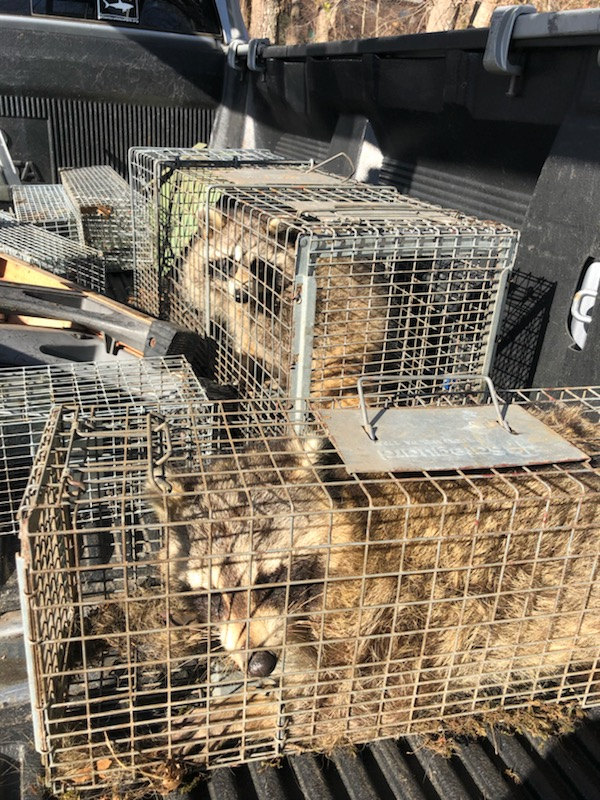
Raccoon Removal for Homes, Businesses, Attics, Chimneys & Crawlspaces
Raccoons can create problems in many types of structures throughout Connecticut. They may enter homes, garages, sheds, apartment buildings, commercial properties, chimneys, attics, and crawlspaces.
We provide raccoon control for:
- Residential homes
- Attics
- Chimneys
- Crawlspaces
- Garages
- Sheds
- Apartment buildings
- Commercial buildings
- Restaurants and dumpster areas
- Warehouses and storage buildings
Frequently Asked Questions About Raccoon Removal
How do I know if I have a raccoon in the attic?
Raccoons usually make heavy walking, thumping, dragging, or scratching sounds. Activity is often heard at night or early morning.
Do raccoons have babies in attics?
Yes. Female raccoons commonly use attics, chimneys, and soffit areas as den sites for young during spring.
Can I seal the hole after the raccoon leaves?
No. Sealing too early can trap raccoons or babies inside the structure. The animals need to be removed first.
Do raccoons cause attic damage?
Yes. Raccoons can damage insulation, soffits, vents, ductwork, stored items, and attic materials. They can also contaminate the space with droppings and urine.
Do raccoon droppings need to be cleaned up?
In many cases, yes. Raccoon droppings and nesting material can create sanitation concerns and should be handled carefully.
Will trapping alone solve the problem?
No. If the entry point remains open, another raccoon may enter later. Exclusion repairs are important for long-term prevention.
Do you provide raccoon exclusion repairs?
Yes. We provide entry point sealing, soffit repairs, fascia repairs, vent protection, chimney protection, and crawlspace exclusion.
Do you provide attic cleanup after raccoons?
Yes. Floyd’s Pest & Wildlife Control provides raccoon dropping cleanup, sanitization, odor treatment, contaminated insulation removal, and insulation replacement when needed.
Raccoon Removal Service Areas in Connecticut
Floyd’s Pest & Wildlife Control provides professional raccoon removal, attic inspections, trapping, exclusion repairs, attic cleanup, sanitization, and prevention services throughout Connecticut. We are actively building dedicated county and town wildlife removal pages across the state.
New London County
Raccoon removal services throughout southeastern Connecticut including shoreline homes, wooded neighborhoods, and rural properties.
View New London County Service Areas →Middlesex County
Professional raccoon trapping, attic cleanup, and exclusion services throughout Middlesex County and Connecticut River towns.
View Middlesex County Service Areas →Hartford County
Raccoon control and attic exclusion services for Hartford County homes, commercial buildings, chimneys, and crawlspaces.
View Hartford County Service Areas →New Haven County
Raccoon removal and wildlife exclusion services throughout New Haven County including shoreline and suburban communities.
View New Haven County Service Areas →Fairfield County
Professional raccoon trapping and exclusion services throughout Fairfield County residential and commercial properties.
View Fairfield County Service Areas →Related Wildlife Removal Services
Many Connecticut homes dealing with raccoon problems also experience issues involving bats, rodents, squirrels, skunks, and other nuisance wildlife due to shared attic access points, crawlspace openings, and structural weaknesses.