Snake Removal in Connecticut
Floyd’s Pest & Wildlife Control provides professional snake removal, snake inspections, exclusion, crawlspace inspections, and wildlife prevention services throughout Connecticut.
Snakes commonly enter crawlspaces, basements, garages, retaining walls, stone walls, sheds, wood piles, and foundation gaps while searching for shelter, rodents, moisture, and temperature-stable hiding areas.
Call/Text 860-319-3216Snake Removal & Snake Control Services
Floyd’s Pest & Wildlife Control provides professional snake removal, snake inspections, exclusion, crawlspace inspections, and wildlife prevention services throughout Connecticut.
Most snake problems around Connecticut homes are really rodent problems. Snakes are often drawn to properties because mice, rats, chipmunks, or other small animals are already living around the foundation, crawlspace, garage, shed, stone wall, or wood pile.
If snakes are showing up repeatedly, the long-term solution is usually not just removing the snake. It often means identifying why snakes are being attracted to the property in the first place — especially rodent activity, shelter, moisture, and easy entry points.
For properties with recurring snake activity, we may also recommend rodent control and exclusion work. Learn more about our rodent control services.
Our Snake Removal Services Include
- Snake inspections
- Snake removal from homes and businesses
- Basement snake removal
- Crawlspace snake inspections
- Garage and shed snake removal
- Stone wall and retaining wall inspections
- Foundation gap inspections
- Snake exclusion recommendations
- Rodent activity inspections
- Wildlife prevention services
- Entry point sealing where appropriate
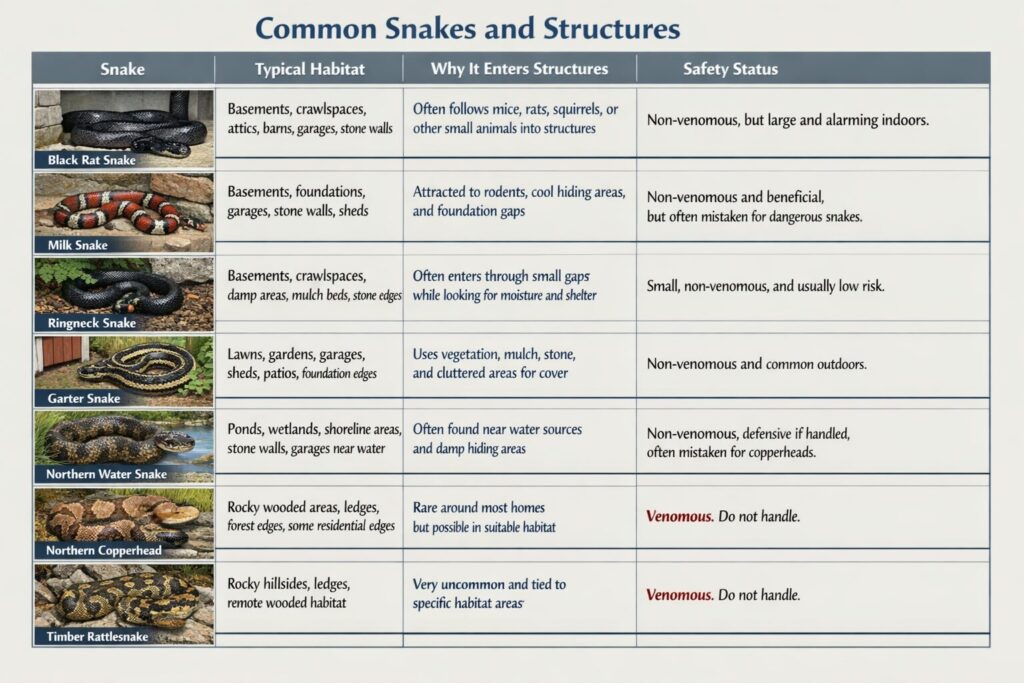
Common Snakes Found Around Connecticut Homes
Most snakes found around Connecticut homes are non-venomous and beneficial because they help control rodents and insects. The problem starts when snakes enter basements, garages, crawlspaces, sheds, or high-traffic areas where homeowners do not want them.
The snakes we most commonly find indoors include black rat snakes, milk snakes, and ringneck snakes. These snakes often enter structures while following rodents, searching for shelter, or using small foundation gaps.
Outdoor and garage snake issues often involve garter snakes and northern water snakes, especially around damp areas, stone walls, ponds, wetlands, shoreline properties, and cluttered garage or shed spaces.
Connecticut does have two venomous snake species: the northern copperhead and the timber rattlesnake. They are much less common than the non-venomous snakes found around most homes and should not be handled or disturbed if encountered.
Common Connecticut Snakes – Behavior, Size & Breeding Information
| Snake Species | Typical Length | Breeding Season | Eggs or Live Birth | Young Produced | Common Connecticut Habitat |
|---|---|---|---|---|---|
| Black Rat Snake | 4–6 feet commonly, sometimes larger | Late spring to early summer | Eggs | 5–25 eggs | Barns, attics, stone walls, crawlspaces, wooded properties, rodent-heavy areas |
| Milk Snake | 2–4 feet | Spring to early summer | Eggs | 3–20 eggs | Basements, foundations, sheds, farms, stone walls, rodent areas |
| Ringneck Snake | 10–15 inches | Spring | Eggs | 2–10 eggs | Mulch beds, crawlspaces, damp wooded areas, under debris and rocks |
| Garter Snake | 18–30 inches | Early spring after emergence | Live birth | 10–40 live young | Gardens, lawns, garages, sheds, foundation edges, wetlands |
| Northern Water Snake | 3–5 feet | Spring | Live birth | 15–60 live young | Ponds, streams, shoreline properties, wetlands, retaining walls near water |
| Northern Copperhead | 2–3 feet | Spring and fall breeding activity | Live birth | 2–10 live young | Rocky wooded hillsides, ledges, forest edges |
| Timber Rattlesnake | 3–5 feet | Late summer breeding | Live birth | 5–14 live young | Remote rocky ridges, forested ledges, protected habitat |
Most snakes encountered around Connecticut homes are non-venomous and beneficial because they help reduce rodent populations. However, repeated snake sightings around homes, garages, crawlspaces, or sheds often indicate rodent activity or structural conditions that are attracting wildlife to the property.
Why Snakes Enter Connecticut Homes
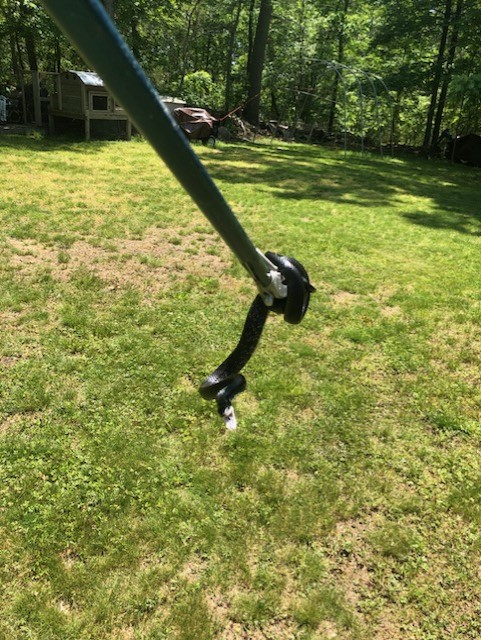
Snakes enter homes and buildings for the same basic reasons other wildlife does: food, shelter, moisture, and temperature control.
In Connecticut, snakes commonly enter through:
- Foundation gaps
- Basement openings
- Garage door gaps
- Crawlspace vents
- Bulkhead doors
- Utility penetrations
- Stone foundation gaps
- Gaps around siding or trim
- Openings near patios or retaining walls
Older homes, stone foundations, wooded lots, shoreline properties, and houses with rodent activity are more likely to experience snake problems.
When snakes repeatedly show up indoors, we look closely for mouse activity, foundation gaps, moisture conditions, and hidden access points.
Snake Problems Are Often Rodent Problems
If snakes are showing up around the same home repeatedly, there is often a food source nearby. Black rat snakes, milk snakes, and other common Connecticut snakes frequently follow rodent scent trails into garages, basements, crawlspaces, sheds, barns, and stone walls.
Common signs that snakes may be connected to a rodent problem include:
- Mouse droppings in the basement or garage
- Rat activity around foundations or sheds
- Chewed insulation or stored items
- Scratching sounds in walls or ceilings
- Open garage or foundation gaps
- Food sources such as bird seed, pet food, or garbage
Removing one snake does not solve the issue if rodents are still active around the property. In many cases, the best prevention plan includes rodent control, sanitation, and exclusion. See our mouse and rat control services for more information.
Snakes in Basements, Garages, Crawlspaces & Sheds
Indoor snake calls in Connecticut commonly involve basements, garages, crawlspaces, and sheds. These areas often provide cool, dark shelter and easy access to rodents, insects, moisture, and protected hiding spaces.
Garages and sheds are especially common snake areas because they often contain:
- Gaps under doors
- Stored boxes and clutter
- Rodent activity
- Bird seed or pet food
- Firewood or stacked materials
- Moisture and shaded hiding spots
Crawlspaces and basements may attract snakes because they are cooler, damp, and connected to foundation gaps or rodent travel routes.
Outdoor Snake Problems Around Homes
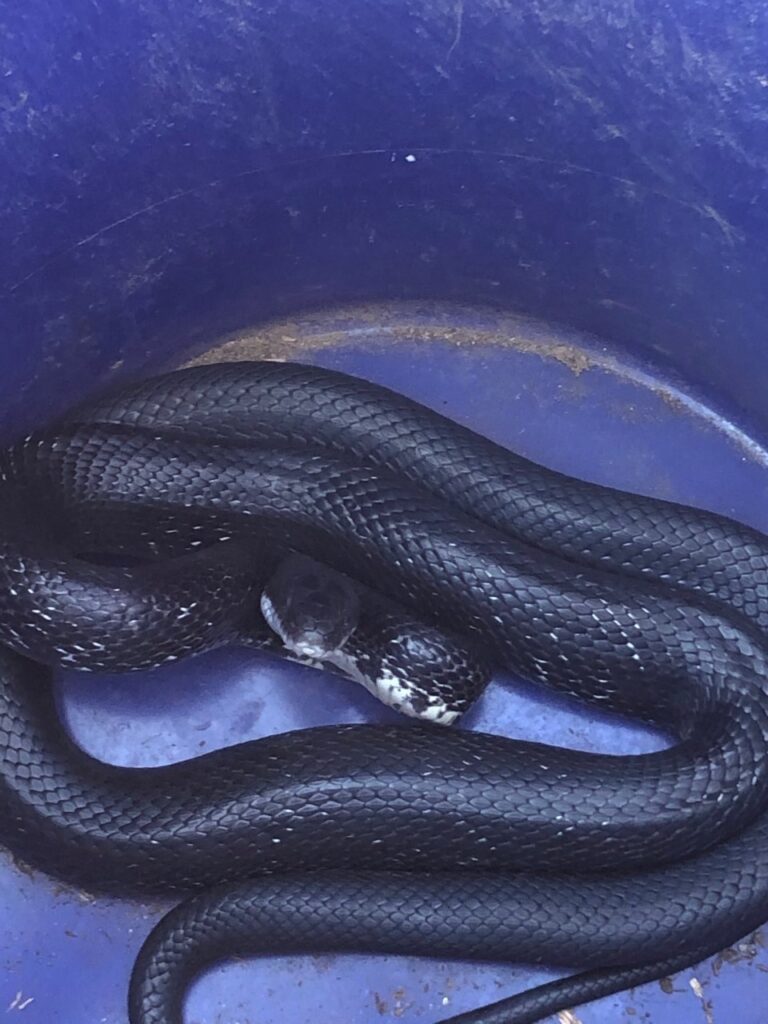
Not every snake problem involves a snake inside the home. Many Connecticut homeowners call because snakes are repeatedly seen around patios, garages, stone walls, retaining walls, pools, gardens, sheds, outdoor living areas, and entryways around the property.
One of the most common outdoor snake situations in Connecticut involves snakes living underneath prefab concrete steps. These hollow concrete stair systems create cool, protected hiding areas underneath while the exposed steps above provide an ideal place for snakes to warm themselves in the sun.
Homeowners often first notice snakes stretched out on the steps during warm mornings or afternoons before the snake disappears back underneath the concrete stair cavity.
Outdoor snake problems are commonly connected to:
- Prefab concrete steps
- Stone walls and retaining walls
- Wood piles
- Overgrown vegetation
- Brush piles
- Mulch beds
- Rodent burrows
- Wetlands, ponds, and drainage areas
- Cluttered garages or sheds
- Foundation gaps and crawlspace edges
Snakes are especially attracted to areas that provide both shelter and a nearby food source. Rodent activity around sheds, bird feeders, garages, crawlspaces, retaining walls, and foundations can create ideal hunting conditions for snakes.
Garter snakes and northern water snakes are common outdoor snakes around Connecticut homes, especially near gardens, damp areas, shoreline properties, drainage systems, ponds, and wooded edges.
Black rat snakes may also appear outdoors around barns, garages, stone walls, wood piles, and foundations where rodent activity is present.
Snake Removal & Inspection Process
1. Identify the Snake
When possible, we identify the snake species and determine whether it is a common non-venomous snake or a species that requires additional caution.
2. Remove the Snake
If the snake is accessible, it can be removed from the home, garage, basement, crawlspace, shed, or outdoor problem area.
3. Inspect Entry Points
We inspect likely access points including foundation gaps, garage doors, basement openings, crawlspace vents, bulkheads, and utility penetrations.
4. Look for Rodent Activity
Because snake problems are often tied to mice and rats, we inspect for droppings, gnaw marks, nesting material, and rodent entry points.
5. Recommend Exclusion and Prevention
Long-term prevention may include sealing gaps, reducing rodent activity, clearing clutter, correcting moisture issues, and improving exclusion around the structure.
Call or text 860-319-3216 for snake removal, inspections, exclusion, and wildlife prevention services in Connecticut.
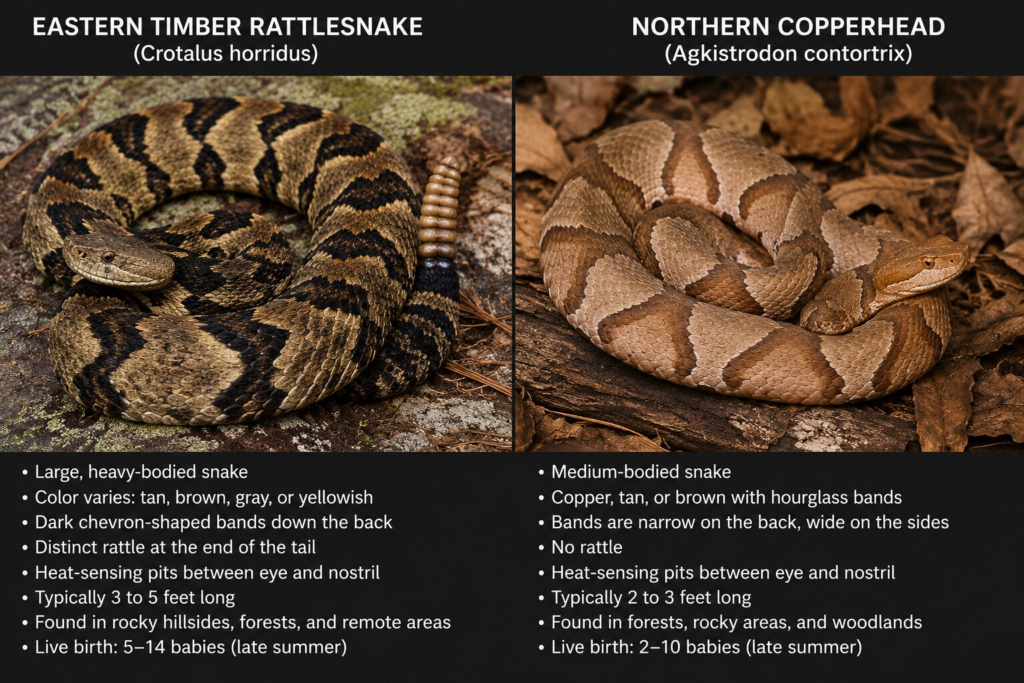
Venomous Snakes in Connecticut
Connecticut has two venomous snake species: the northern copperhead and the timber rattlesnake. Both are much less commonly encountered around homes than black rat snakes, milk snakes, ringneck snakes, garter snakes, and northern water snakes.
Copperheads and timber rattlesnakes should never be handled or disturbed. Most bites happen when people attempt to move, kill, or handle a snake.
If you see a snake and are unsure what it is, keep people and pets away, take a photo from a safe distance if possible, and call for help.
Most snake calls in Connecticut do not involve venomous snakes, but proper identification matters.
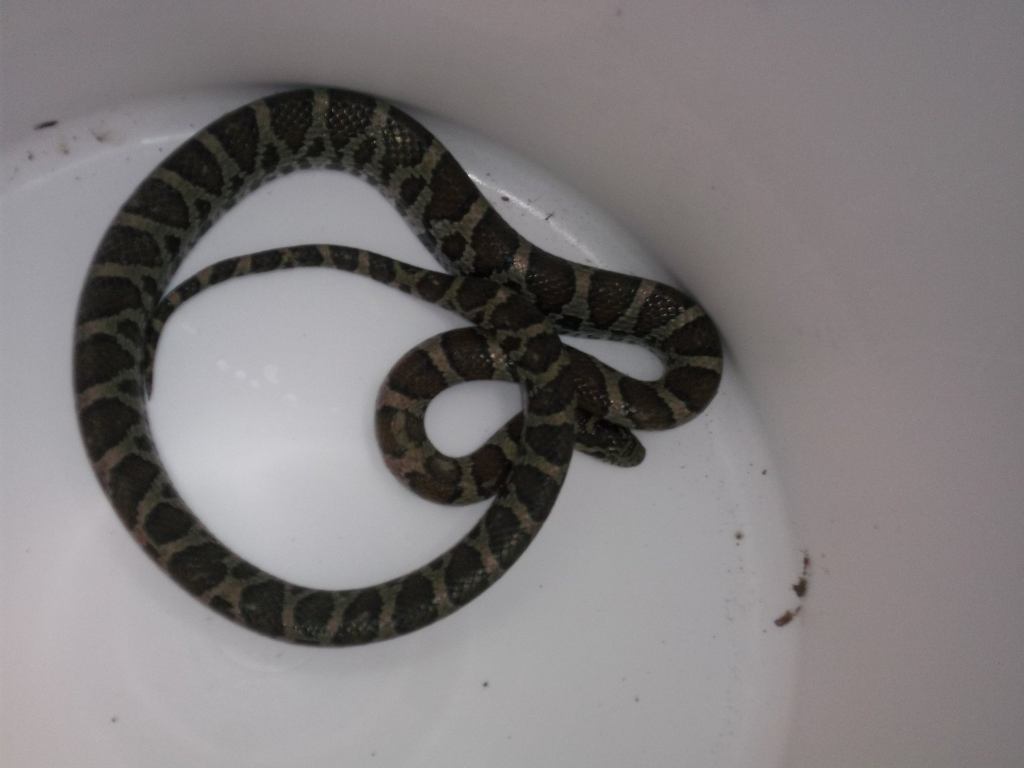
Snake Exclusion & Prevention
Snake exclusion focuses on reducing the conditions that attract snakes and closing the openings that allow them into buildings.
Prevention may include:
- Sealing foundation gaps
- Repairing crawlspace vents
- Improving garage door seals
- Closing utility penetrations
- Reducing rodent activity
- Removing clutter and debris
- Moving firewood away from the home
- Cutting back overgrown vegetation
- Reducing food sources such as bird seed and pet food
Because snakes can enter through small openings, exclusion work must be detailed. On properties with squirrel or rodent activity, sealing those entry points may also reduce snake activity. Learn more about squirrel removal and exclusion and rodent control.
Frequently Asked Questions About Snake Removal
What snakes are most commonly found inside Connecticut homes?
The most common indoor snake calls involve black rat snakes, milk snakes, and ringneck snakes.
Are most Connecticut snakes venomous?
No. Most snakes found around Connecticut homes are non-venomous. Connecticut has only two venomous snakes: the northern copperhead and the timber rattlesnake.
Why are snakes coming into my house?
Snakes usually enter homes while searching for rodents, shelter, moisture, or temperature-stable hiding areas.
Do snakes mean I have mice?
Not always, but repeated snake activity often indicates rodents or other prey are nearby.
What snakes are common outside or in garages?
Garter snakes and northern water snakes are commonly found outdoors, around garages, stone walls, sheds, wetlands, and damp areas.
Can you help prevent snakes from coming back?
Yes. Prevention may include entry point sealing, rodent control, reducing clutter, improving garage seals, and removing conditions that attract snakes.
Should I try to remove a snake myself?
If you are unsure what species it is, do not handle it. Keep people and pets away and call for help.
What should I do if I see a copperhead or rattlesnake?
Keep a safe distance, do not disturb it, and call for professional assistance or local authorities if needed.
Snake Removal Service Areas in Connecticut
Floyd’s Pest & Wildlife Control provides professional snake removal, snake inspections, rodent-related wildlife control, exclusion, and prevention services throughout Connecticut. We are actively building dedicated county and town wildlife removal pages across the state.
New London County
Snake removal services throughout southeastern Connecticut including shoreline homes, wooded neighborhoods, wetlands, and stone wall properties.
View New London County Service Areas →Middlesex County
Snake inspections and exclusion services throughout Middlesex County and Connecticut River towns.
View Middlesex County Service Areas →Hartford County
Snake removal and rodent-related wildlife control services for Hartford County homes, basements, garages, and crawlspaces.
View Hartford County Service Areas →New Haven County
Snake removal services throughout New Haven County including shoreline, suburban, wooded, and commercial properties.
View New Haven County Service Areas →Fairfield County
Snake inspections, removal, and exclusion services throughout Fairfield County residential and commercial properties.
View Fairfield County Service Areas →Related Wildlife Removal Services
Many Connecticut snake problems are connected to rodents, squirrels, crawlspace openings, garage gaps, and other wildlife activity. We provide complete wildlife removal, exclusion, cleanup, and prevention services throughout Connecticut.
Stop Snake Problems at the Source
Snake problems are usually caused by rodent activity, foundation gaps, crawlspace openings, stone walls, wood piles, overgrown vegetation, and sheltered hiding areas around the property.
Floyd’s Pest & Wildlife Control provides professional snake removal, inspections, exclusion, crawlspace protection, and wildlife prevention services throughout Connecticut.
Snake Removal • Snake Exclusion • Wildlife Prevention
Call/Text 860-319-3216