Professional Bat Removal, Exclusion & Attic Cleanup in Connecticut
Floyd’s Pest & Wildlife Control provides humane bat removal, bat exclusion, attic inspections, guano cleanup, sanitization, odor reduction, contaminated insulation removal, and insulation replacement services for Connecticut homes and businesses. Bat problems are not solved by simply chasing a bat out of the house. The structure must be inspected to determine how bats are entering, where they are roosting, and what openings need to be sealed after the bats are safely excluded.
Bat activity is common throughout Connecticut, especially in homes with attic gaps, roofline openings, gable vents, ridge vents, soffit returns, chimney gaps, fascia damage, dormers, loose vent screening, and construction openings. Once bats find a protected roosting area, they may return to the same structure year after year unless the entry points are properly identified and sealed.
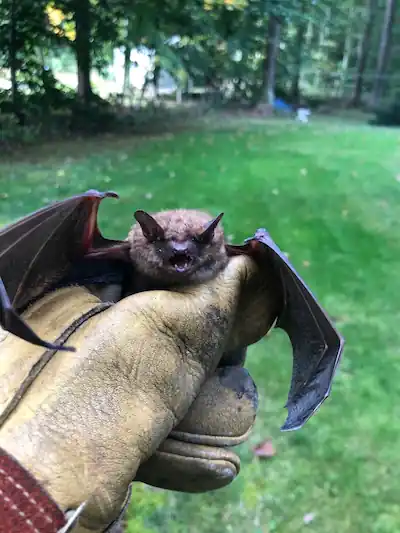
Homeowners often first notice bats flying near the roofline at dusk, light chirping or rustling in the attic, dark staining around vents or soffits, guano collecting below an entry point, odor in the attic, or a bat suddenly appearing inside a bedroom, hallway, fireplace, kitchen, or living space. These signs can indicate an active colony, a hidden roofline opening, or attic contamination that should be inspected.
Proper bat control focuses on humane exclusion and long-term prevention. Bats should not be poisoned, trapped inside, or sealed into a structure. Floyd’s uses bat exclusion methods designed to allow bats to leave safely, then addresses vulnerable openings and cleanup concerns once the active colony is out.
Humane Bat Removal & Exclusion Services
Bat removal is not handled the same way as trapping skunks, raccoons, squirrels, or rodents. Bats should not be poisoned, trapped inside, or sealed into a home. The proper method is humane bat exclusion, which allows bats to leave the structure safely while preventing them from re-entering through the same opening.
Floyd’s Pest & Wildlife Control provides bat removal, bat exclusion, attic inspections, guano cleanup, sanitization, odor reduction, contaminated insulation removal, and insulation replacement services throughout Connecticut. Each job starts with finding how bats are entering the structure, where they may be roosting, and whether guano or attic contamination is present.
Bat problems are common in Connecticut homes because bats can enter through small roofline gaps, gable vents, ridge vents, soffit returns, fascia openings, chimney gaps, dormers, and construction seams. The opening may be very small, but once bats find a protected roosting area, they may continue returning to the same home year after year unless the entry points are properly sealed.
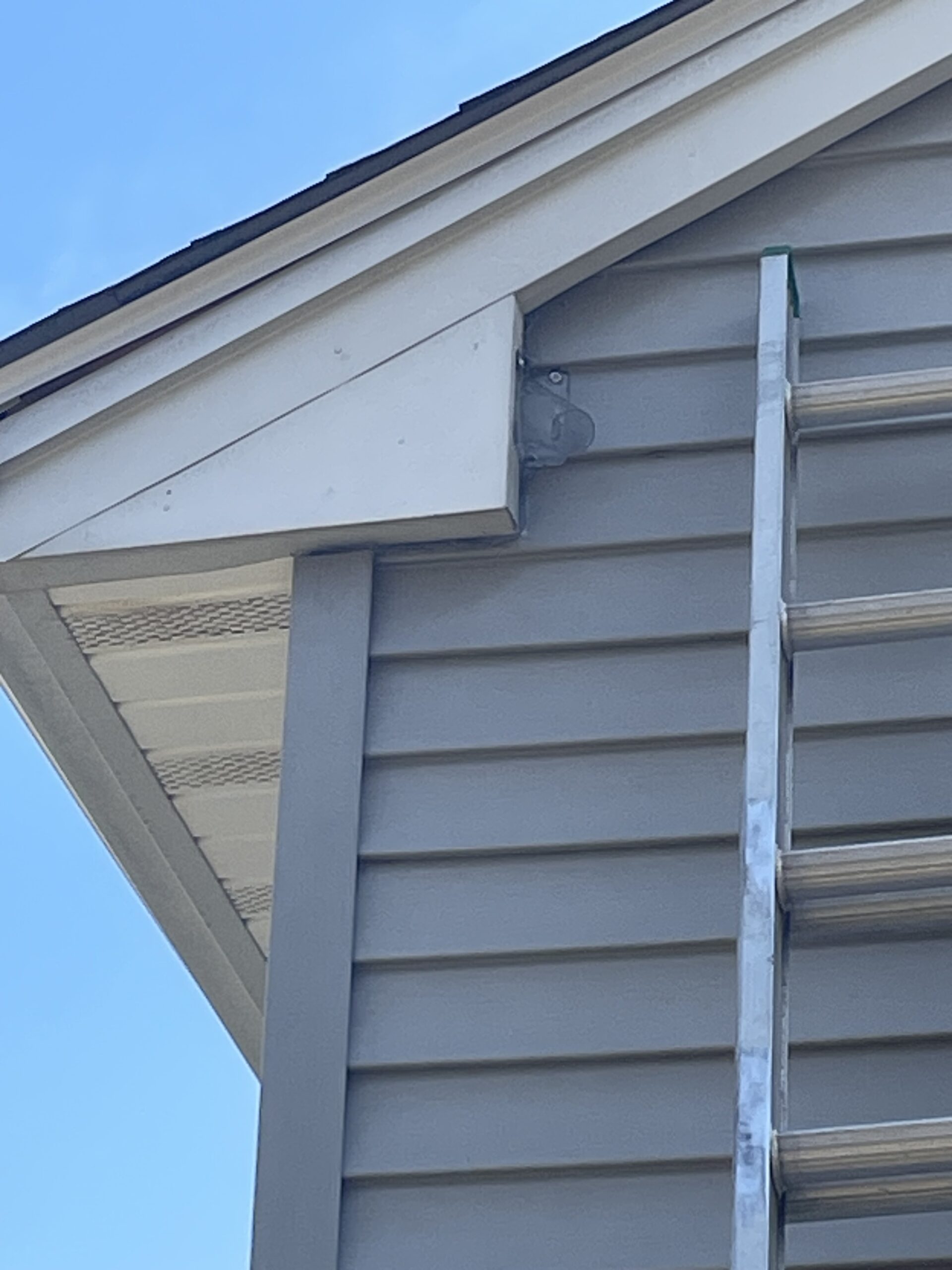
A complete bat exclusion plan may involve inspecting the roofline, installing one-way devices, sealing secondary gaps, reinforcing vents, checking attic conditions, and making cleanup recommendations after the colony is excluded. This approach helps solve the cause of the bat problem instead of only reacting to the bats seen inside or around the home.
Our Bat Removal & Exclusion Services Include
Bat work often involves more than removing the active colony. A proper bat job may require roofline inspection, one-way exclusion, entry point sealing, vent protection, attic cleanup, guano removal, odor reduction, and insulation recommendations depending on the condition of the home.
Bat Inspections
Inspection of rooflines, attic access points, gable vents, ridge vents, soffits, fascia boards, chimney gaps, dormers, staining, guano, and possible bat entry points.
Humane Bat Exclusion
One-way exclusion methods that allow bats to leave the structure safely while helping prevent them from re-entering through the same active opening.
One-Way Bat Devices
Installation of bat cones, tubes, or other exclusion devices where appropriate so bats can exit from active roofline, soffit, vent, or fascia openings.
Entry Point Sealing
Sealing and reinforcement recommendations for roofline gaps, fascia seams, soffit returns, chimney gaps, dormers, loose trim, and construction openings after bats are out.
Gable Vent Protection
Inspection and protection of gable vents, attic vents, and damaged vent screening where bats, squirrels, birds, or other wildlife may gain access.
Soffit & Fascia Sealing
Sealing vulnerable soffit gaps, fascia openings, roof returns, trim seams, and upper roofline edges that commonly allow bats into attic spaces.
Bat Guano Removal
Removal recommendations for guano buildup beneath roosting areas, vents, attic flooring, insulation, wall voids, barns, garages, or upper structural spaces.
Attic Cleanup & Sanitization
Cleanup, sanitization, odor reduction, and attic restoration recommendations when bat activity has left droppings, urine staining, odor, contaminated insulation, or debris.
Insulation Removal & Replacement
Contaminated insulation removal and insulation replacement recommendations when guano, urine, odor, or long-term bat activity has affected attic materials.
Common Signs of Bats in a House
Many homeowners do not notice a bat problem until bats have already been using the structure for a while. Bats are small, quiet, and often enter through openings that are hard to see from the ground. A small gap along a soffit, fascia board, gable vent, ridge vent, chimney edge, or roof return can be enough for bats to reach an attic or wall void.
Bat problems are often discovered in stages. A homeowner may first see bats flying near the roofline at dusk, then notice droppings below an entry area, staining near a vent, or faint sounds inside the attic. In some cases, the first obvious sign is a bat suddenly appearing inside a bedroom, hallway, kitchen, fireplace area, or upper living space.
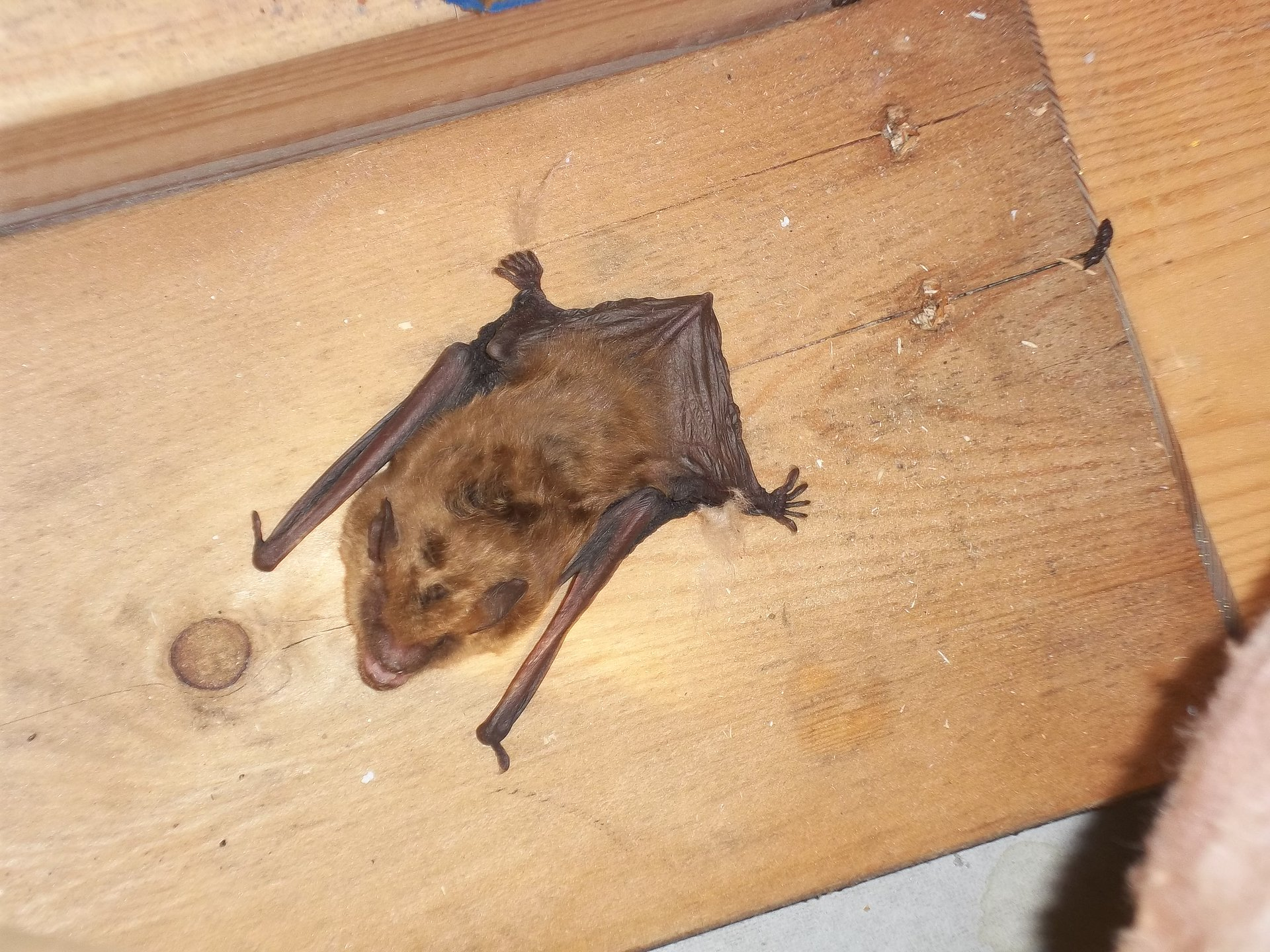
Bats Flying at Dusk
Bats may be seen exiting near a roofline, chimney, gable vent, ridge vent, dormer, soffit return, or fascia gap around dusk when they leave to feed.
Scratching, Chirping, or Rustling
Bats can create faint chirping, squeaking, fluttering, scratching, or light rustling sounds in attic spaces, wall voids, and upper structural areas.
Droppings Below Entry Points
Bat guano may collect below vents, soffits, siding, gable areas, shutters, attic openings, roof seams, or other areas where bats are entering and exiting.
Dark Staining Near Vents or Trim
Repeated bat entry can leave dark staining, rub marks, or visible discoloration near soffits, fascia boards, vents, roof returns, and trim seams.
Strong Attic Odor
Long-term bat colonies can create odor from guano, urine staining, contaminated insulation, and roosting activity inside attic or wall spaces.
Bats Inside Living Spaces
A bat found in a bedroom, kitchen, hallway, fireplace area, basement, or upper room may be connected to an attic, chimney, or roofline entry problem.
If you are seeing any of these signs, the home should be inspected before openings are sealed. Sealing the wrong area, sealing too early, or missing secondary gaps can trap bats inside or allow the colony to continue using another part of the structure.
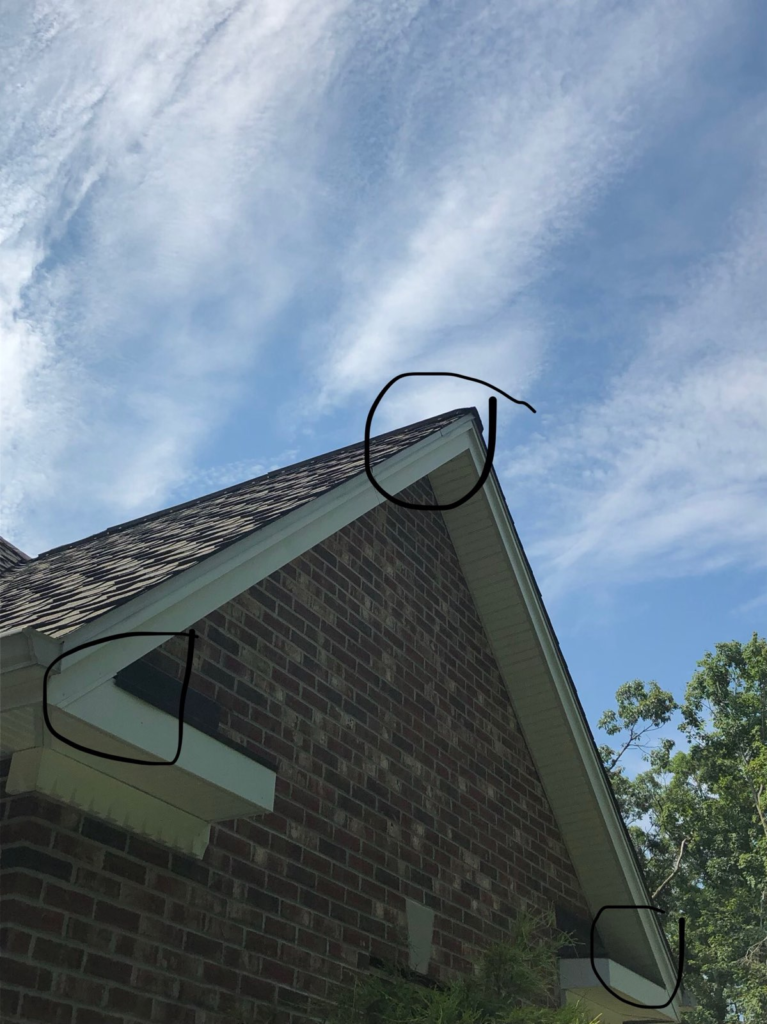
Where Bats Get Into Connecticut Homes
Bats can enter through very small gaps around the roofline. In many Connecticut homes, the problem is not one large obvious hole. It is often a combination of small construction gaps, aging trim, loose vents, open soffit returns, chimney gaps, fascia seams, or ridge vent openings that allow bats to move into attic spaces and wall voids.
Because bats are small and usually active around dusk and nighttime hours, entry points can be difficult for homeowners to identify from the ground. Guano below an opening, staining around a vent, or bats flying from the same side of the house at dusk are often better clues than the size of the gap itself.
| Common Entry Area | Why Bats Use It |
|---|---|
| Gable vents | Loose, damaged, or unprotected vent screening can provide direct attic access behind the vent. |
| Soffit returns | Small gaps at roof corners, returns, and eave details often lead into attic or upper roofline spaces. |
| Fascia gaps | Aging trim, open seams, and roofline separation can create hidden access points along the edge of the roof. |
| Chimney flashing | Open flashing gaps, chimney returns, and upper trim seams can allow bats into wall voids or attic spaces. |
| Ridge vents | Poorly sealed, aging, or damaged ridge vents may allow bat entry along the peak of the roof. |
| Dormers | Dormer corners, trim seams, and roof transitions can create small protected gaps where bats enter. |
| Attic vents | Aging vents, loose screening, or gaps around vent frames can provide access into attic spaces. |
| Construction gaps | Small gaps where rooflines, siding, trim, and framing meet can become long-term bat entry points. |
A proper bat inspection looks at the full roofline, not just one obvious opening. If only the main hole is sealed and secondary gaps are missed, bats may shift to another nearby opening or continue using the structure.
Our Bat Removal Process
Bat removal is a step-by-step exclusion process. The goal is to identify how bats are entering, allow them to leave safely, seal vulnerable openings, and determine whether attic cleanup or insulation work is needed after the colony is gone.
1. Bat Inspection
We inspect the exterior of the home, roofline, attic access points, gable vents, ridge vents, soffits, fascia boards, chimney areas, dormers, roof returns, and visible staining or guano. The goal is to find the active entry points and any secondary openings.
2. Identify Entry Points
Bat work requires careful inspection. If one opening is missed, bats may continue using the structure or shift to a nearby gap. We look for rub marks, guano, staining, loose trim, damaged vent screening, open soffit seams, fascia gaps, and areas where bats are entering or exiting.
3. Check Timing & Bat Activity
Timing matters with bats. If young bats are present and unable to fly, full exclusion may need to be delayed or handled carefully. The inspection helps determine the safest and most appropriate approach for the structure and season.
4. Humane One-Way Exclusion
When timing is appropriate, one-way devices are installed at active exit points. These devices allow bats to leave naturally while preventing them from re-entering through the same opening.
5. Seal Secondary Openings
Other vulnerable gaps around the structure are sealed or reinforced so bats cannot simply move to a nearby opening. This may include soffit gaps, fascia seams, gable vent edges, ridge vent areas, chimney flashing gaps, dormer transitions, and construction openings.
6. Final Sealing
After the bats have exited, the one-way devices are removed and the main entry points are permanently sealed or reinforced. This step is critical because bats may return to the same roosting area if the opening remains available.
7. Attic & Guano Assessment
If the attic has guano, odor, staining, insects, dead bats, or contaminated insulation, Floyd’s can inspect the affected area and recommend the right cleanup approach based on the amount of contamination and attic access.
8. Cleanup, Sanitization & Insulation
When needed, cleanup may include guano removal, HEPA-style vacuuming where appropriate, sanitization, deodorizing, contaminated insulation removal, and insulation replacement to help restore the attic after long-term bat activity.
The long-term goal is to solve the source of the bat problem, not just remove the visible bats. Proper exclusion, sealing, cleanup, and prevention help reduce the chance of recurring bat activity inside the home.
Call or text 860-319-3216 for inspection and bat exclusion service.
Bat Maternity Season in Connecticut
Timing matters with bat removal. During bat maternity season, female bats may be raising young inside attics, wall voids, soffits, gable areas, ridge vents, barns, or other protected parts of the structure. Young bats are not able to fly right away, so sealing an active colony out at the wrong time can trap non-flying bats inside the attic or walls.
If young bats are trapped inside, the problem can become much worse for the homeowner. Bats may die inside wall voids or attic spaces, causing odor, flies, contamination, and staining. In some cases, adult bats may also move deeper into the structure or appear inside living spaces while trying to find another way out.
Why Bat Exclusion Timing Is Important
- Young bats may be unable to fly during part of the season
- Sealing too early can trap bats inside the attic or walls
- Trapped bats can create odor, contamination, and insect activity
- Bats may move into living spaces if their normal exit is blocked
- Improper timing can turn a roofline problem into an interior bat problem
- The correct approach depends on inspection, season, and colony activity
During restricted or sensitive periods, the proper approach may involve inspection, identifying entry points, documenting the areas being used, temporary interior safety recommendations, and scheduling full exclusion when it can be completed safely and humanely.
Floyd’s Pest & Wildlife Control evaluates the structure, the time of year, the visible bat activity, and the condition of the attic before recommending a bat exclusion plan. The goal is to remove bats humanely, avoid trapping animals inside the home, and protect the structure from recurring bat activity.
Bats in the Living Space
A bat flying inside the living space can be alarming, especially if it appears in a bedroom, hallway, kitchen, fireplace area, basement, or upper room. If a bat is inside the home, do not panic and do not try to handle it barehanded. Close interior doors if possible, keep people and pets away from the bat, and avoid chasing it through the house.
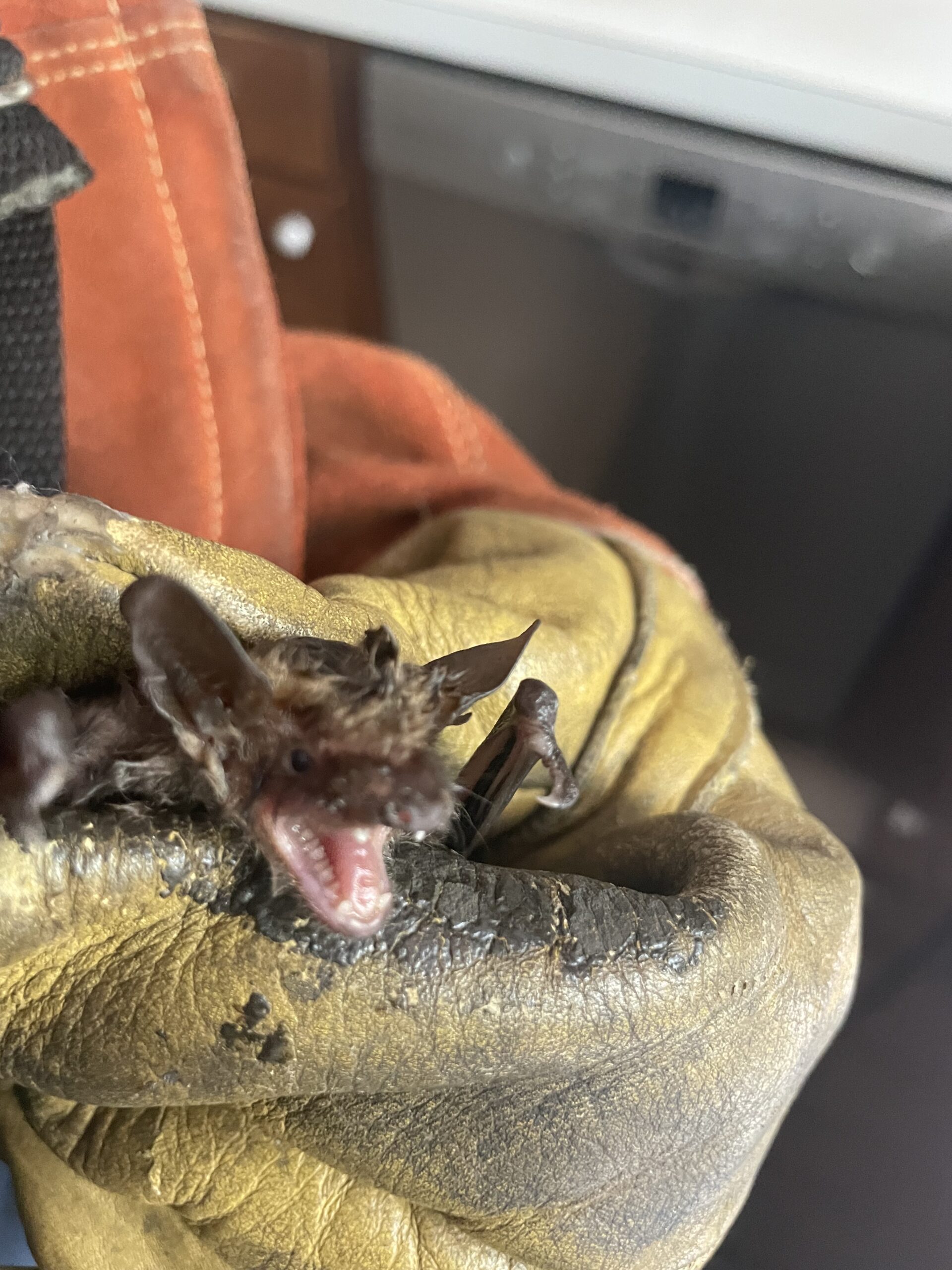
A single bat inside the house does not always mean there is a large colony, but it should not be ignored. Bats may enter living areas through fireplaces, attic hatches, wall gaps, basement areas, unfinished spaces, or small openings connected to the attic or roofline. If bats are seen indoors more than once, or if exterior activity is also visible at dusk, the home should be inspected for an active entry point.
Important Safety Guidance
- Do not handle a bat with bare hands.
- Keep children and pets away from the bat.
- Close interior doors if it can be done safely.
- Do not release the bat if there is any chance of contact with a person or pet.
- If the bat was found in a room with a sleeping person, child, or someone unable to confirm contact, contact the proper health authority for guidance.
- If bats have appeared indoors more than once, schedule a roofline and attic inspection.
If there is any chance that a person or pet had contact with the bat, or if the bat was found in a room with a sleeping person, child, or someone unable to confirm whether contact occurred, contact the proper health or wildlife authority before releasing the bat.
Floyd’s Pest & Wildlife Control can help with bat-in-house situations, attic and roofline inspections, humane bat exclusion, and recommendations for preventing future bats from entering the living space.
Bat Guano Cleanup & Attic Sanitization
Bat droppings can build up in attic insulation, around framing, below roosting areas, near gable vents, under ridge vents, along soffit returns, and inside upper structural voids. Over time, guano can create odor, staining, contamination, insect activity, and poor attic conditions.
Some bat cleanup jobs involve a small amount of guano beneath an entry point. Other situations involve long-term colony activity with droppings spread across attic flooring, insulation, wall voids, rafters, stored items, or hard-to-access spaces. The amount of cleanup needed depends on how long the bats were active, where they were roosting, how much guano is present, and whether insulation or attic materials have been contaminated.
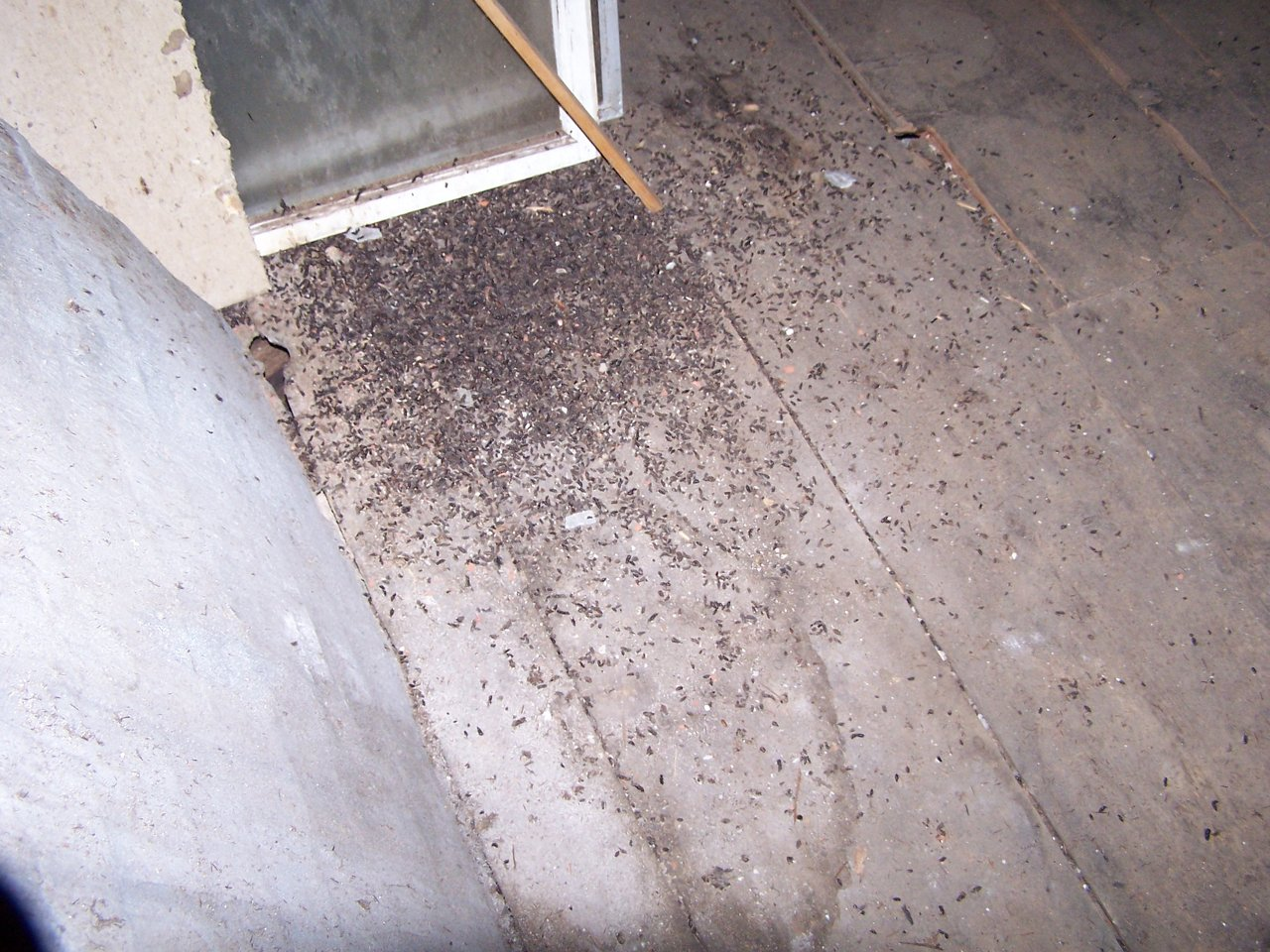
Floyd’s Pest & Wildlife Control provides attic cleanup and sanitization services after bat exclusion. Cleanup should usually happen after the bats are excluded and the entry points are addressed so the attic is not cleaned while the colony is still active.
Bat Cleanup Services May Include
- Bat guano removal
- HEPA-style vacuum cleanup where appropriate
- Removal of contaminated insulation
- Sanitizing affected attic areas
- Odor treatment and deodorizing
- Removal of contaminated debris or stored material when needed
- Inspection for staining, insect activity, and odor sources
- Insulation replacement recommendations when attic materials are heavily contaminated
Bat guano cleanup is not only about appearance. Long-term bat activity can leave behind odor, urine staining, contaminated insulation, and debris that continue affecting the attic after the bats are gone. In heavier cases, insulation removal and replacement may be recommended to help restore the space.
Learn more about Floyd’s attic cleanouts, sanitization, and insulation removal services.
Why Bat Problems Come Back
Bat problems usually come back when the structure is not fully sealed after exclusion. Removing bats or installing a one-way device at the main opening does not solve the problem if nearby gaps, loose vents, soffit seams, ridge vent openings, fascia gaps, chimney flashing gaps, or secondary entry points remain available.
Bats are loyal to roosting sites. If they have used an attic, gable vent, soffit return, ridge vent, barn, garage, or roofline gap before, they may continue trying to return to the same structure. That is why bat work needs to focus on exclusion and prevention, not just getting the visible bats out.
Common Reasons Bat Problems Return
- The main bat entry point was sealed, but secondary gaps were missed.
- Gable vents, ridge vents, or attic vents were not properly protected.
- Soffit returns, fascia seams, roof returns, or dormer gaps remained open.
- The bat exclusion was attempted at the wrong time of year.
- Bats were sealed inside and later moved into living spaces.
- Guano and staining remained, making the old roosting area easy to identify.
- The structure had multiple small roofline openings instead of one obvious hole.
- Previous repairs did not use materials or methods designed for bat exclusion.
A lasting bat solution requires a full inspection of the roofline and attic conditions. The active entry point must be identified, one-way exclusion must be used when appropriate, and nearby gaps must be sealed or reinforced so bats cannot simply shift to another opening.
Floyd’s Pest & Wildlife Control focuses on solving the source of the bat problem. That means humane exclusion, careful sealing, vent protection, attic inspection, guano cleanup recommendations, and prevention work designed to reduce the chance of bats returning to the same home.
Bat Removal for Homes, Businesses & Outbuildings
Floyd’s Pest & Wildlife Control provides bat removal, humane bat exclusion, attic inspections, guano cleanup recommendations, and prevention services for homes, businesses, garages, barns, outbuildings, and other structures throughout Connecticut.
Bat problems can happen in many types of buildings. Older homes may have aging roofline gaps, loose vents, and open soffit returns. Newer homes may have small construction gaps, ridge vent issues, or attic ventilation details that bats can access. Commercial buildings, apartments, garages, and barns may have larger roof systems, high entry points, and hidden voids where bats can roost for long periods before the problem is noticed.
Single-Family Homes
Bat exclusion for attics, soffits, roof returns, gable vents, ridge vents, chimney areas, dormers, fascia gaps, and upper living-space entry concerns.
Older Connecticut Homes
Older homes often have aging trim, loose vent screening, roofline gaps, chimney flashing openings, and construction details that allow bats into attic or wall spaces.
Newer Homes
Newer homes can still develop bat problems around ridge vents, roof returns, soffit seams, gable vents, attic vents, dormers, and small construction gaps.
Apartments & Multi-Unit Buildings
Bat activity in multi-unit buildings may involve roofline gaps, attic voids, shared walls, vents, upper trim openings, or bats appearing in hallways and living spaces.
Commercial Buildings
Commercial bat problems may involve high rooflines, vents, exterior seams, warehouse spaces, storage areas, soffits, loading areas, or hard-to-access entry points.
Garages, Barns & Outbuildings
Detached garages, barns, sheds, pool houses, and outbuildings can attract bats through open trim gaps, vents, rafters, gable ends, roof seams, and upper wall openings.
Whether the problem involves bats in an attic, bats flying inside a living space, guano in a barn, staining near vents, or recurring activity around a roofline, Floyd’s can inspect the structure and recommend the right exclusion, cleanup, and prevention approach.
Bat Removal Service Areas in Connecticut
Floyd’s Pest & Wildlife Control provides bat removal, humane bat exclusion, attic inspections, guano cleanup recommendations, wildlife exclusion, and attic cleanup services throughout Connecticut. Bat problems are common in homes with ridge vents, gable vents, soffit gaps, roof returns, chimney gaps, dormers, attic vents, older rooflines, and large attic systems.
We provide bat exclusion and attic cleanup services throughout Fairfield County, New London County, Middlesex County, and surrounding Connecticut communities. The town pages below provide local information about bat removal, wildlife removal, rodent control, attic cleanup, exclusion, and prevention services in each area.
Fairfield County Bat Removal & Wildlife Service Areas
Fairfield County homes often have complex rooflines, large attic systems, mature trees, wooded property edges, older venting, and exterior trim details that can allow bats into attic spaces. Floyd’s provides bat removal, exclusion, attic inspection, guano cleanup recommendations, and wildlife prevention throughout Fairfield County.
For broader regional coverage, visit our Fairfield County wildlife removal page.
New London County Bat Removal & Wildlife Service Areas
Floyd’s Pest & Wildlife Control also provides bat removal, humane bat exclusion, attic inspections, guano cleanup recommendations, rodent control, squirrel removal, wildlife exclusion, and attic cleanup services throughout New London County. Bat problems are common in shoreline homes, wooded neighborhoods, older village homes, rural properties, barns, detached garages, cottages, and homes with large attic systems or aging rooflines.
New London County properties often have conditions that attract bats and attic wildlife, including ridge vents, gable vents, soffit gaps, chimney gaps, older vent screening, wooded lots, waterfront humidity, barns, sheds, crawlspaces, and unfinished attic areas. For broader regional coverage, visit our New London County wildlife removal page.
Frequently Asked Questions About Bat Removal in Connecticut
Can bats be removed anytime in Connecticut?
Not always. Bat exclusion timing matters because of maternity season. If young bats are present and unable to fly, full exclusion may need to wait until it can be done safely and humanely. Sealing bats out at the wrong time can trap young bats inside attic spaces, wall voids, soffits, or roofline areas.
Do you seal the house after removing bats?
Yes. Exclusion and sealing are the most important parts of long-term bat control. If entry points are left open, bats may return to the same attic, vent, soffit, fascia gap, ridge vent, gable vent, chimney gap, or roofline opening.
Do bats damage insulation?
Bats can contaminate insulation with guano, urine, odor, and debris. In heavier infestations, contaminated insulation removal, sanitization, deodorizing, and insulation replacement may be recommended after the bats are excluded and the entry points are sealed.
What should I do if a bat is inside my house?
Keep people and pets away from the bat and do not handle it barehanded. Close interior doors if it can be done safely. If there is any chance of contact with a person or pet, or if the bat was found in a room with a sleeping person, child, or someone unable to confirm contact, get proper health guidance before releasing the bat.
How do bats get into attics?
Bats commonly enter through gable vents, soffit gaps, fascia openings, ridge vents, chimney flashing gaps, dormers, roof returns, attic vents, loose trim, and small roofline construction openings. In many homes, the entry gap is smaller than the homeowner expects.
Is bat removal humane?
Proper bat removal is humane. The correct method is exclusion, which allows bats to leave naturally through one-way devices while preventing re-entry. Bats should not be poisoned, sealed inside, or handled directly.
What does bat guano look like?
Bat guano often appears as small dark droppings that may collect beneath vents, soffits, ridge vents, gable areas, attic flooring, or roosting locations. When a colony has been active for a while, guano may accumulate in piles and create odor, staining, and attic contamination.
Why do bats keep coming back?
Bats may return when entry points are not fully sealed or when nearby secondary gaps remain open. A successful bat job requires identifying the active opening, excluding the bats properly, sealing vulnerable areas, and protecting vents, soffits, fascia gaps, roof returns, and other roofline access points.
Do bat problems always require attic cleanup?
Not always. Some bat problems involve only minor droppings near an entry point, while long-term colonies may require guano removal, sanitization, odor control, contaminated insulation removal, or insulation replacement. Cleanup recommendations depend on the amount of guano, odor, staining, attic access, and insulation condition.
Can attic noises be something other than bats?
Yes. Attic noises may also be caused by mice, rats, gray squirrels, flying squirrels, raccoons, birds, or other wildlife. Bats often make lighter chirping, squeaking, fluttering, or rustling sounds, while squirrels are usually louder and mice may create scratching or chewing sounds.