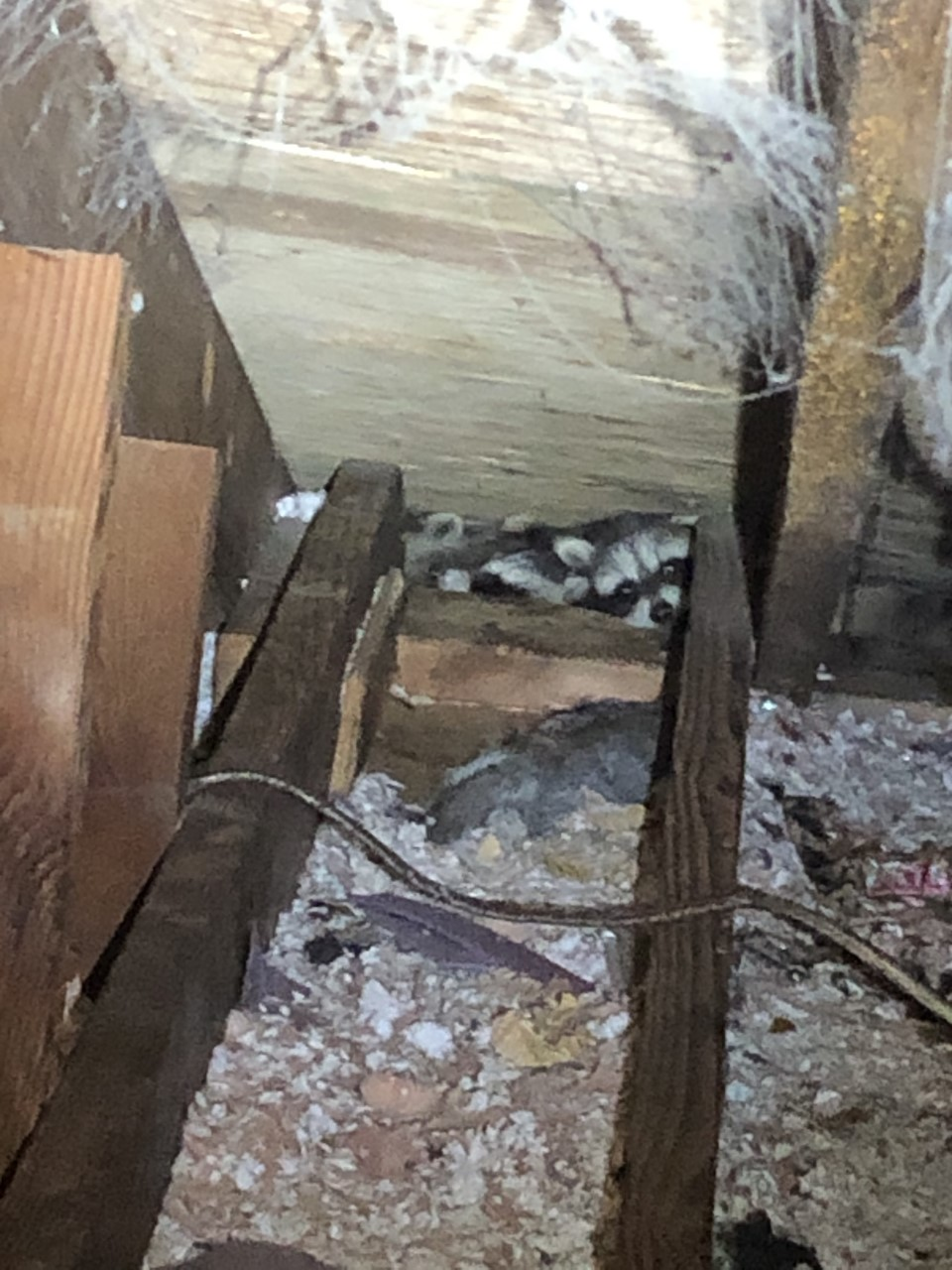
Attic Cleanup After Animals Have Been Living Above the Ceiling
When raccoons, squirrels, bats, mice, rats, birds, or other wildlife get into an attic, the problem does not always end when the animals are removed. Attic insulation can hold droppings, urine, nesting material, odor, damaged debris, and contamination long after the activity stops.
Some attic problems are minor and only affect a small area. Others involve years of animal activity, crushed insulation, trails through blown-in material, latrine areas, guano piles, strong odors, chewed wires, damaged vents, and insulation that no longer performs the way it should.
Floyd’s Pest & Wildlife Control provides attic cleanout, sanitization, insulation removal, and insulation replacement services designed to help restore attic spaces after wildlife and rodent contamination. The goal is to remove contaminated material, reduce odor sources, improve attic conditions, and help prevent the same problem from returning.
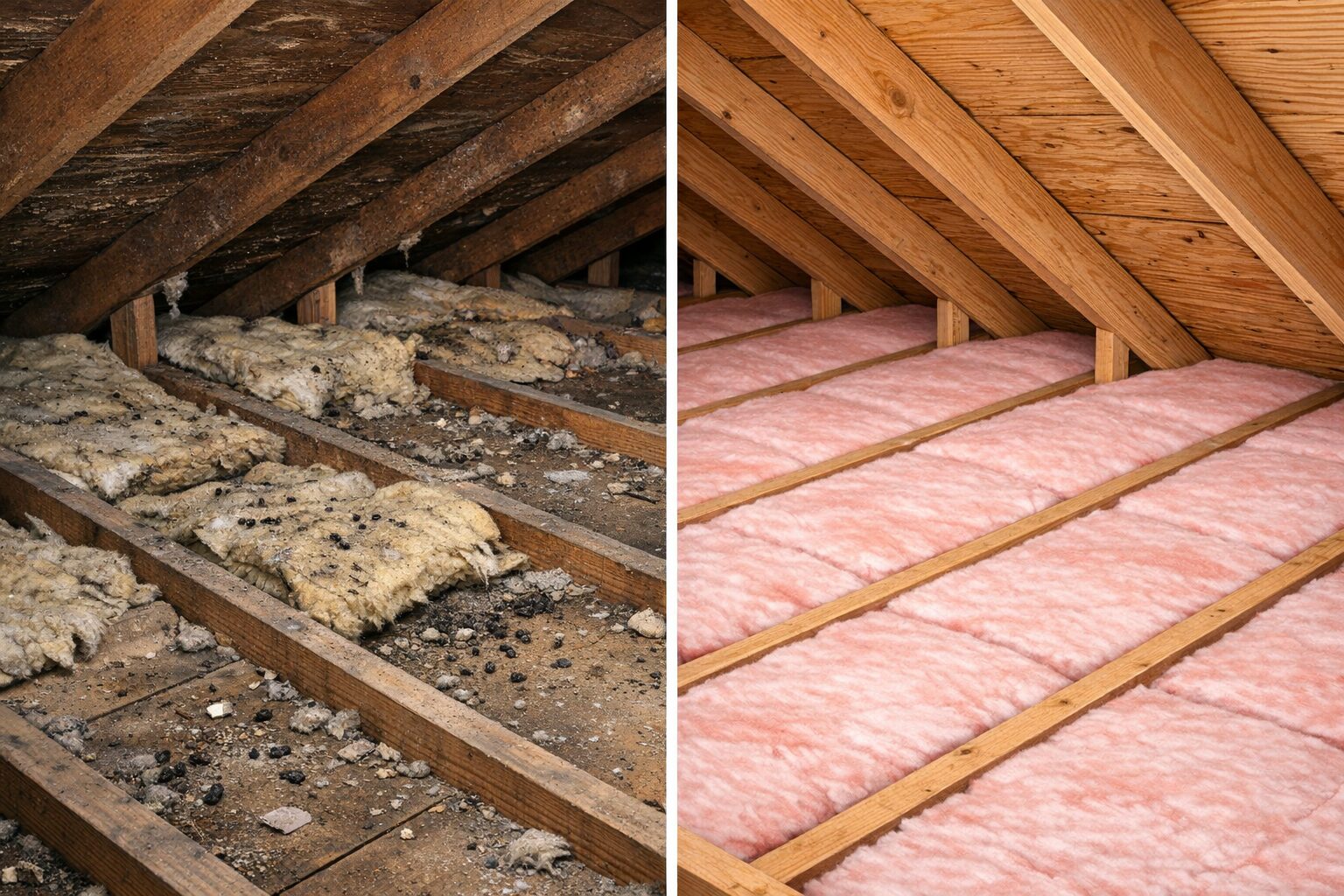
Before & After Attic Cleanout After Raccoon Activity
Long-term raccoon activity can leave an attic with crushed insulation, droppings, urine odor, nesting debris, stained materials, and contaminated areas above the living space. In more serious cases, contaminated insulation may need to be removed before sanitization and insulation replacement can begin.
The image below is a before-and-after style example showing the kind of transformation that may be needed after years of wildlife activity in an attic. Every attic is different, and the amount of cleanup depends on the species involved, how long the animals were active, and how much insulation was affected.
Animals That Can Damage Attic Insulation & Create Cleanup Problems
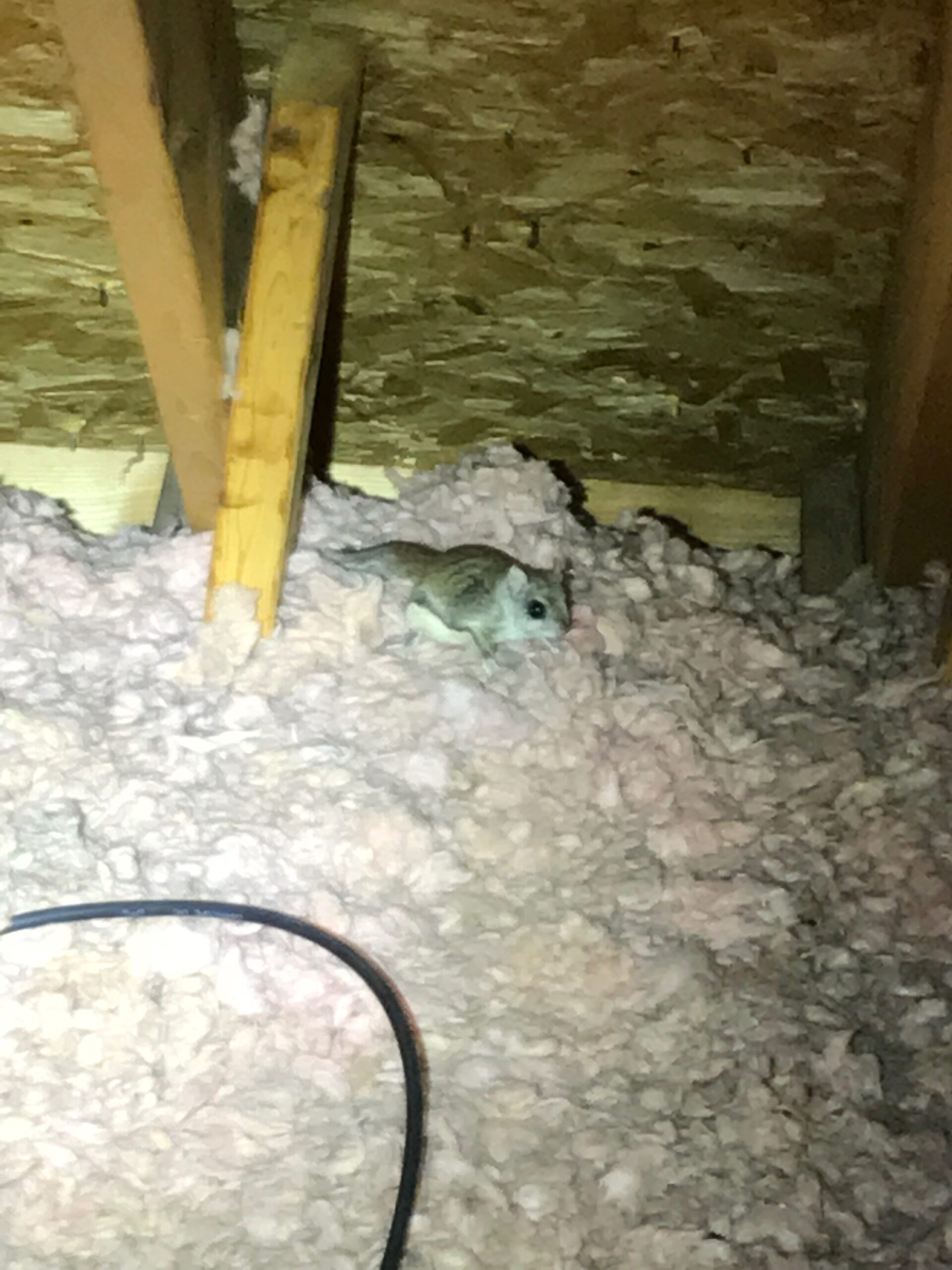
Different animals create different attic cleanup problems. Some leave droppings and urine throughout insulation. Others create concentrated latrine areas, guano piles, nesting damage, odors, chewed materials, or entry point damage. Floyd’s Pest & Wildlife Control inspects the attic to determine what animal caused the problem, how widespread the contamination is, and whether insulation removal, sanitization, or replacement may be needed.
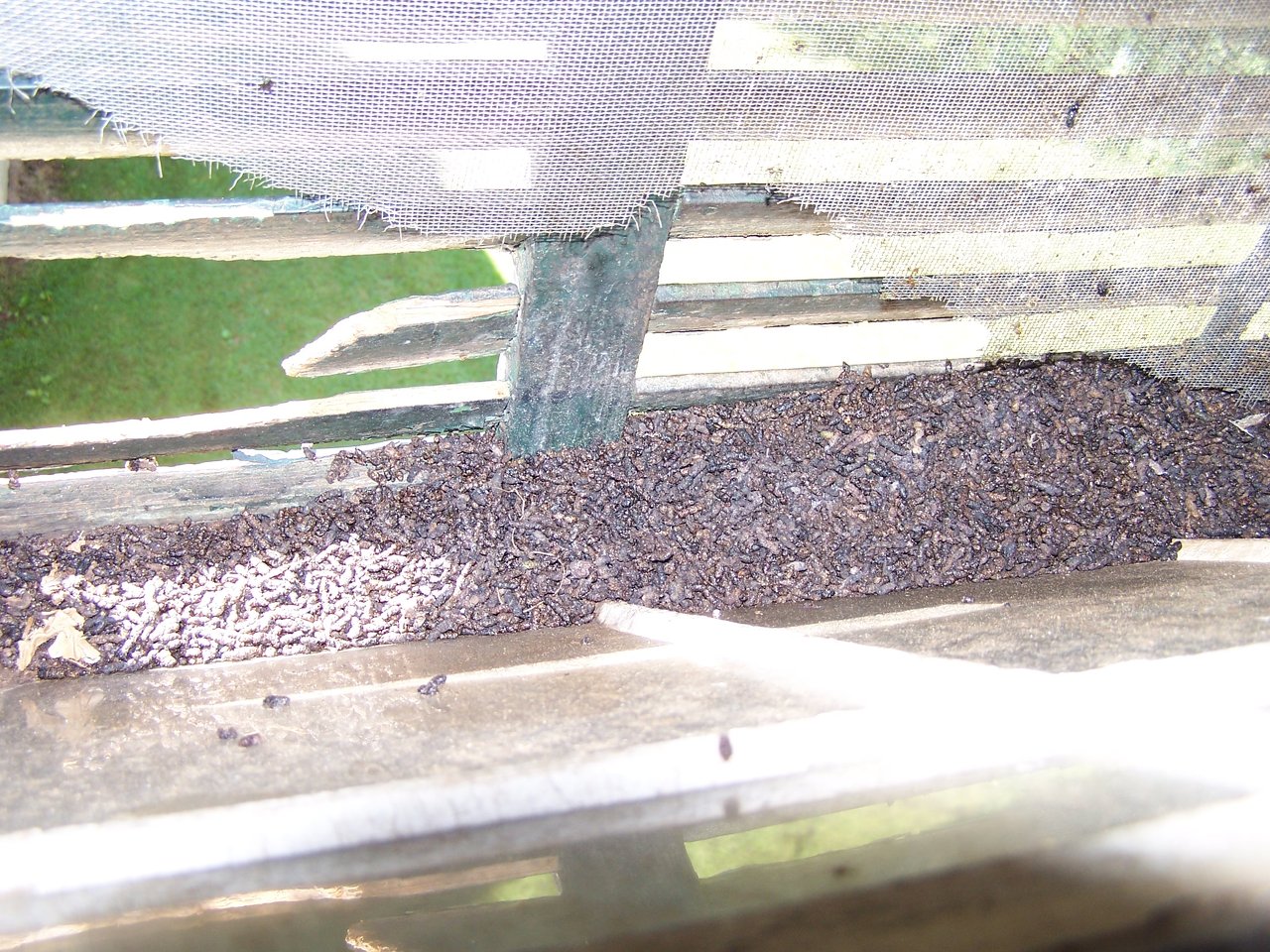
Birds in Attics & Vents
Birds may enter vents, soffits, bathroom exhaust lines, and attic openings. Nesting material, droppings, odor, feathers, and blocked ventilation can create cleanup and sanitation concerns. Bird nesting is usually different from raccoon, squirrel, bat, or rodent contamination, but it can still require removal and cleanup when vents or attic spaces are affected.
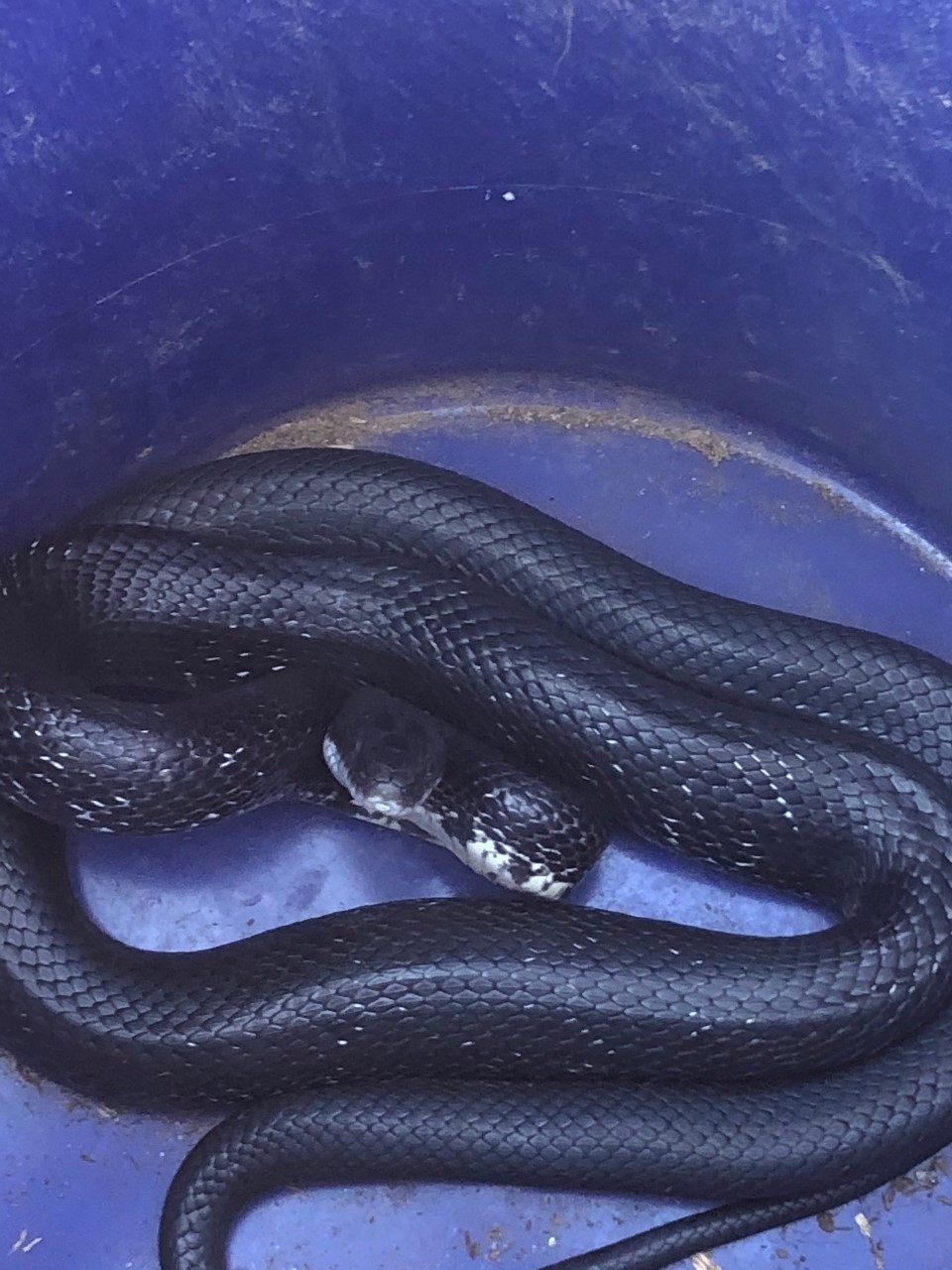
What Attic Cleanout & Sanitization Services May Include
Every attic is different. Some homes only need a small amount of contaminated material removed, while others require a larger cleanout, insulation removal, odor treatment, exclusion work, and insulation replacement. Floyd’s Pest & Wildlife Control starts with an inspection to determine what type of animal caused the damage and how much of the attic has been affected.
Attic Inspection
The attic is inspected for droppings, urine staining, nesting material, damaged insulation, animal trails, odor sources, chewed wires, vents, soffits, roof returns, and possible entry points.
Contaminated Material Removal
Droppings, nesting debris, damaged material, and contaminated insulation may be removed from affected areas depending on the severity and spread of the wildlife or rodent activity.
Insulation Removal
When insulation is crushed, saturated, heavily contaminated, filled with droppings, or damaged by nesting activity, removal may be recommended before the attic can be sanitized and restored.
Sanitization Treatment
After contaminated material is removed, affected attic areas may be treated to help reduce contamination, address odor sources, and improve conditions before new insulation is installed.
Odor Source Reduction
Animal urine, feces, nesting material, and contaminated insulation can create persistent odors. Cleanup focuses on removing the source of the odor instead of simply covering it up.
Insulation Replacement
Once the attic is cleaned and prepared, replacement insulation may be installed to help restore attic performance, improve comfort, and replace material damaged by animals or contamination.
When Contaminated Attic Insulation Should Be Removed
Not every attic problem requires full insulation removal. The decision depends on how much contamination is present, what animal caused the damage, whether urine or odor has soaked into the insulation, and whether the insulation can still perform properly. In many cases, the cleanout begins by identifying whether the problem is isolated or spread across the attic.
Heavy Droppings or Guano
Mouse droppings, rat droppings, raccoon feces, squirrel waste, or bat guano can collect in attic insulation, around vents, along travel paths, and below roosting or nesting areas. Heavy contamination may require removal instead of surface cleaning.
Urine Staining & Odor
Animal urine can soak into insulation and attic materials, creating strong odors that may continue after the animals are gone. When odor sources are widespread, affected insulation may need to be removed before sanitization.
Crushed or Flattened Insulation
Raccoons, squirrels, rodents, and other animals can crush, tunnel through, or flatten insulation. Once insulation is compressed, contaminated, or broken apart, it may no longer provide the same protection for the home.
Nesting Material
Animals often pull insulation into nesting areas. Raccoons, squirrels, mice, rats, and birds may use insulation, leaves, grass, paper, and debris to build nests inside attic spaces, soffits, vents, and wall voids.
Latrine Areas
Some animals repeatedly use the same attic area for waste. Raccoon latrines, flying squirrel latrines, and repeated rodent activity can create concentrated contamination that may require more detailed cleanup.
Damaged Wiring or Hidden Hazards
During insulation removal and attic inspections, hidden issues may be discovered, including chewed wires, damaged vents, torn vapor barriers, roof leaks, and animal entry points that were not visible from the living space.
Professional Cleanup for Guano, Droppings, Odor & Contaminated Insulation
Attic and wildlife cleanup work is not just about removing dirty insulation. Contamination may be found on beams, attic floors, insulation, vents, framing, stored materials, and areas where animals repeatedly traveled, nested, roosted, or used the space as a latrine.
Floyd’s Pest & Wildlife Control uses inspection, containment, removal, vacuuming, debris cleanup, and sanitization methods based on the type of animal activity found. Bat guano, rodent droppings, raccoon waste, squirrel latrines, nesting material, and urine odor all require a careful cleanup approach.
The goal is to remove contaminated material, reduce odor sources, improve attic or structural conditions, and prepare the area for insulation replacement when needed.
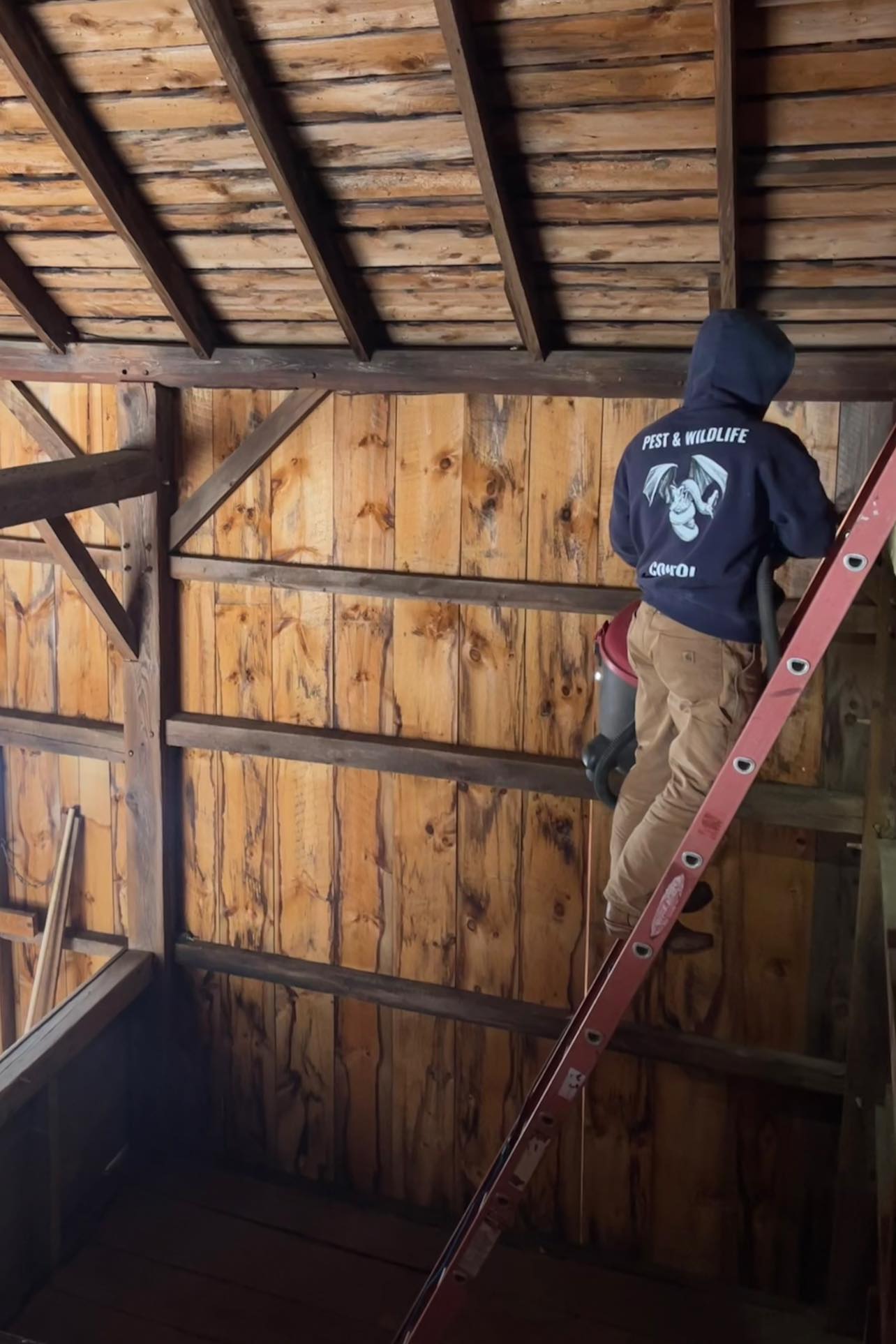
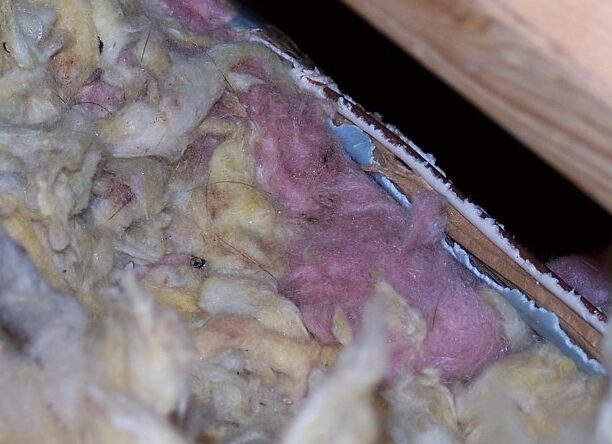
Attic Cleanouts Can Reveal Hidden Safety Problems
Attic contamination is not always limited to droppings and odor. During attic inspections and insulation removal, hidden problems may be found underneath or behind contaminated insulation. Rodents and wildlife can chew wires, damage vents, tear vapor barriers, crush insulation, disturb ductwork, and create entry points that are difficult to see from inside the living space.
Chewed electrical wiring is one of the more serious issues found during rodent and wildlife inspections. Mice, rats, squirrels, and other animals may gnaw on wiring while traveling through attic insulation or nesting above ceilings. These problems should be identified before new insulation is installed over the same area.
Floyd’s Pest & Wildlife Control looks for signs of animal damage, contamination, odor sources, and entry points so the attic cleanout can be part of a complete solution, not just a cosmetic cleanup.
Insulation Replacement After Wildlife or Rodent Damage
Once contaminated insulation is removed and the affected attic areas are cleaned and treated, replacement insulation may be needed to help restore the attic. Damaged or missing insulation can affect comfort, energy efficiency, temperature control, and the overall condition of the attic space.
Floyd’s Pest & Wildlife Control can help evaluate whether insulation replacement is needed after raccoon, squirrel, bat, mouse, rat, bird, or other wildlife activity has been corrected.
Replace Contaminated Insulation
Insulation that has been contaminated by droppings, urine, guano, nesting material, or animal odor may need to be removed and replaced after cleanup and sanitization.
Restore Attic Coverage
Animals can flatten, tunnel through, pull apart, or displace insulation. Replacement insulation helps restore coverage after contaminated or damaged material has been removed.
Improve Comfort
Missing, compressed, or damaged insulation can make rooms below the attic harder to heat and cool. Replacement helps improve the attic’s ability to protect the living space below.
Prepare the Attic for Long-Term Prevention
New insulation should be installed after entry points are identified and corrected. This helps prevent animals from returning and contaminating the replacement insulation.
Attic Cleanup Should Be Part of a Complete Wildlife Solution
Cleaning an attic before solving the wildlife or rodent entry problem can lead to the same issue happening again. If raccoons, squirrels, bats, mice, rats, or birds still have access to the structure, they can return and contaminate the attic after cleanup or insulation replacement.
Floyd’s Pest & Wildlife Control focuses on identifying the animal, finding how it entered, removing the active problem, correcting access points, and then addressing attic contamination when cleanup or insulation work is needed.
1. Identify the Animal
Droppings, tracks, entry damage, nesting areas, guano piles, odor, noise patterns, and insulation trails can help determine whether the attic problem involves rodents, raccoons, squirrels, bats, birds, or another animal.
2. Remove the Active Wildlife Problem
The animal issue should be handled before major cleanup begins. This may involve trapping, eviction, bat exclusion, rodent control, or another removal method depending on the species and situation.
3. Correct Entry Points
Open soffits, vents, roof returns, fascia gaps, construction openings, foundation gaps, ridge areas, and utility penetrations should be evaluated so animals do not re-enter after the attic has been cleaned.
4. Clean, Sanitize & Restore
Once the animal problem and access points are addressed, contaminated insulation, droppings, nesting material, odor sources, and damaged debris can be removed before sanitization and insulation replacement.
Attic Cleanout, Sanitization & Insulation Services in Connecticut
Floyd’s Pest & Wildlife Control provides attic cleanout, sanitization, contaminated insulation removal, and insulation replacement services for Connecticut homes affected by raccoons, squirrels, bats, mice, rats, birds, snakes, and other wildlife activity.
New London County
Attic cleanup, wildlife contamination cleanup, insulation removal, and attic sanitization services throughout New London County.
New London County Wildlife RemovalFairfield County
Wildlife cleanup, attic contamination cleanup, rodent insulation damage cleanup, and attic restoration services in Fairfield County.
Fairfield County Wildlife RemovalMiddlesex County
Attic cleanout, animal waste cleanup, bat guano cleanup, contaminated insulation removal, and attic sanitization in Middlesex County.
Middlesex County Wildlife RemovalNew Haven County
Professional attic cleanup, sanitization, insulation removal, and replacement insulation services after wildlife and rodent activity in New Haven County.
New Haven County Wildlife RemovalHartford County
Attic cleanouts, wildlife exclusion support, rodent contamination cleanup, bat guano cleanup, and insulation replacement services in Hartford County.
Hartford County Wildlife RemovalAttic Cleanout & Insulation Removal FAQs
Homeowners often discover attic contamination after hearing noises, seeing droppings, smelling odor, or finding evidence of raccoons, squirrels, bats, mice, rats, birds, or other wildlife inside the structure. These questions explain when attic cleanup, sanitization, insulation removal, or insulation replacement may be needed.
Do I need to remove all attic insulation after mice or rats?
Not always. If the rodent contamination is limited to a small area, targeted cleanup may be enough. If droppings, urine, odor, nesting material, or trails are spread throughout the attic insulation, larger insulation removal may be recommended.
Can animal urine smell stay in attic insulation?
Yes. Animal urine can soak into insulation, wood, and other attic materials. If the odor source remains, the smell may continue after the animals are removed. Cleanup may involve removing contaminated insulation, treating affected areas, and improving attic conditions before replacement insulation is installed.
Should attic cleanup be done before or after wildlife removal?
Attic cleanup should usually happen after the active animal problem is handled and entry points are corrected. If animals can still get back inside, they may contaminate the attic again after the cleanout or insulation replacement.
Is attic sanitization necessary after raccoons, squirrels, bats, or rodents?
Sanitization may be recommended when droppings, guano, urine staining, nesting material, odor, or contaminated insulation are present. The amount of treatment depends on the animal involved, the size of the affected area, and how long the activity has been going on.
What happens if contaminated attic insulation is left in place?
Contaminated insulation can continue to hold odor, droppings, urine, nesting debris, and damaged material. It may also hide chewed wires, entry points, or other attic damage. In heavier cases, leaving the material in place can make the attic harder to inspect and restore.
Can new insulation be installed after contaminated insulation is removed?
Yes. After contaminated material is removed and the attic is cleaned and prepared, replacement insulation may be installed. Entry points should be inspected and corrected before new insulation is added so wildlife or rodents do not return and damage the new material.
How do I know if attic insulation is contaminated?
Common signs include droppings, urine odor, flattened insulation, tunnels through blown-in insulation, nesting material, stains, guano piles, animal trails, chewed materials, or strong smells coming from the attic. A professional inspection can help determine how widespread the problem is.
Do bats always require attic insulation removal?
No. Some bat problems involve a small guano pile below a roosting point, while others involve larger attic contamination. Insulation removal depends on where the bats were roosting, how much guano is present, and whether insulation or other attic materials were affected.
Need Attic Cleanup, Sanitization or Insulation Removal?
If raccoons, squirrels, bats, mice, rats, birds, or other wildlife have contaminated your attic, Floyd’s Pest & Wildlife Control can inspect the damage, identify the animal activity, check for entry points, and recommend the right cleanup or insulation replacement plan.
Attic cleanout, sanitization, contaminated insulation removal, insulation replacement, wildlife removal, rodent control, and exclusion services for Connecticut homes.