Why Wildlife Problems Are So Common in Waterford
Waterford has constant rodent and wildlife pressure because the town sits between shoreline habitat, wooded neighborhoods, wetlands, rivers, older residential construction, and heavy edge habitat around homes, garages, sheds, crawlspaces, and attic spaces.
Wildlife activity is especially common around Great Neck, Oswegatchie, Quaker Hill, Jordan Village, Morningside Park, Pleasure Beach, Millstone, Waterford Beach Park, Harkness Memorial State Park, and neighborhoods near the Niantic River, Jordan Cove, Alewife Cove, and the Thames River corridor.
Homes near Great Neck Road, Rope Ferry Road, Boston Post Road, Clark Lane, Cross Road, Fog Plain Road, Old Colchester Road, and the wooded sections around Quaker Hill often deal with recurring problems because wildlife can move easily between wetlands, stone walls, drainage areas, wooded lots, shoreline cover, and residential structures.
Waterford’s mix of older shoreline homes, raised foundations, additions, detached garages, sheds, crawlspaces, attic-heavy construction, and wooded property lines creates many opportunities for animals to find shelter close to people.
Bats and squirrels commonly exploit roofline gaps, ridge vents, soffit returns, fascia damage, chimney flashing, gable vents, and construction gaps. Raccoons often investigate chimneys, roof edges, attic vents, soffits, and weak exterior trim. Mice and rats enter through foundation gaps, garage corners, utility penetrations, crawlspace openings, basement gaps, and openings around AC lines or pipes.
Skunks, woodchucks, and other burrowing animals are often found around decks, sheds, porches, patios, retaining walls, seawalls, overgrown fence lines, and crawlspace edges. Snake, vole, and mole activity is also common where stone walls, mulch beds, wooded edges, lawn borders, wetlands, and rodent activity overlap.
Properties near Harkness Memorial State Park, Waterford Beach Park, Jordan Cove, Alewife Cove, the Niantic River, Great Neck, and Quaker Hill often experience stronger seasonal wildlife movement because animals have access to food, water, cover, denning areas, and protected travel corridors close to homes.
Floyd’s Pest & Wildlife Control provides rodent control, wildlife trapping, bat exclusion, squirrel removal, raccoon removal, skunk control, woodchuck removal, exclusion work, attic cleanup, sanitization, and long-term prevention services throughout Waterford and nearby New London County communities.
- Great Neck, Pleasure Beach, Morningside Park, and Waterford Beach areas often see wildlife pressure from shoreline cover, older homes, crawlspaces, decks, and seasonal moisture.
- Oswegatchie, Jordan Village, Jordan Cove, and the Niantic River corridor create strong movement routes for raccoons, skunks, rodents, bats, snakes, and burrowing wildlife.
- Quaker Hill and wooded inland neighborhoods commonly deal with squirrels, flying squirrels, mice, bats, raccoons, woodchucks, and skunks because of wooded lots, stone walls, sheds, and garages.
- Millstone, Alewife Cove, and coastal edge properties can experience recurring rodent and wildlife activity because animals follow shoreline cover, drainage areas, utility corridors, and protected vegetation.
- Older rooflines, soffits, fascia boards, vents, chimneys, and attic gaps are common entry points for bats, squirrels, flying squirrels, and raccoons.
- Decks, porches, crawlspaces, sheds, retaining walls, patios, and garage edges often attract skunks, woodchucks, mice, rats, snakes, and other nuisance wildlife.
Many wildlife problems in Waterford become recurring structural issues because animals continue reusing the same openings, burrow systems, travel routes, and sheltered areas unless the access points are properly identified, sealed, reinforced, or excluded.
“`
Common Wildlife Entry Points in Waterford Homes
| Entry Point | Common Animals | Typical Signs |
|---|---|---|
| Roof returns and soffits | Squirrels, raccoons, bats | Chewing, staining, attic noises |
| Foundation gaps and crawlspace vents | Rodents, skunks, snakes | Droppings, burrows, odor |
| Attic vents and ridge vents | Bats, squirrels | Guano, scratching, chirping |
| Decks, sheds, and porches | Skunks, woodchucks | Digging, odor, burrows |
| Garage gaps and utility penetrations | Mice, rats | Droppings, chewing, nesting |
Rodent Control in Waterford, CT
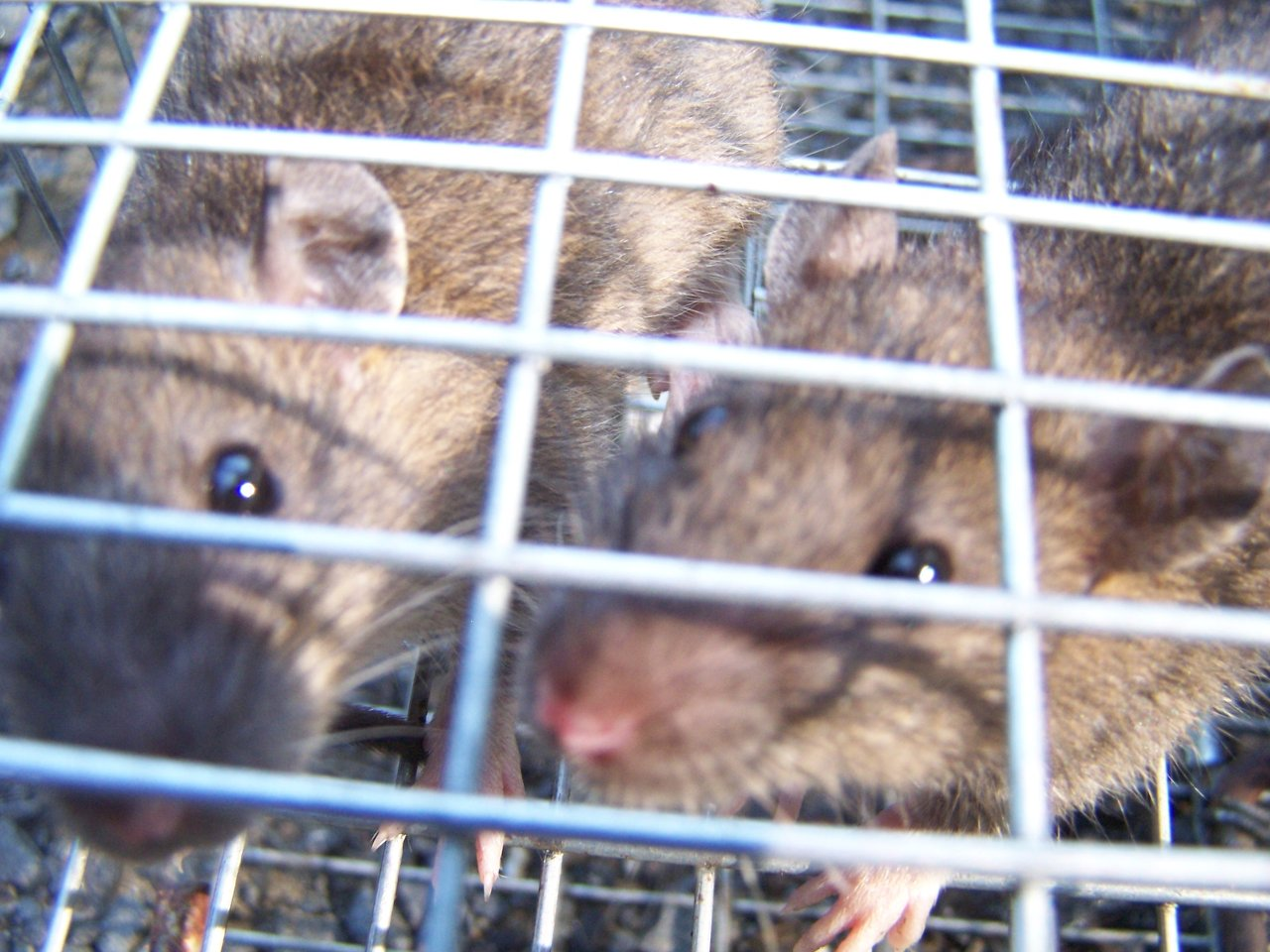
Rodent infestations are extremely common throughout Waterford, CT, especially in shoreline neighborhoods, wooded residential areas, older homes, garages, crawlspaces, sheds, and properties near wetlands or heavy vegetation.
Homes in Waterford provide rodents with warmth, shelter, nesting areas, food sources, insulation, wall voids, crawlspaces, attics, basements, and protected areas that allow mice and rats to remain active year-round.
Deer mice, house mice, and Norway rats are all found throughout southeastern Connecticut. Rodent problems often increase during colder weather, seasonal flooding, shoreline moisture changes, and periods when outdoor food sources become limited.
Mice and rats commonly enter structures through surprisingly small openings around:
- Garage door corners and weather stripping
- Foundation gaps and utility penetrations
- Crawlspace vents and basement openings
- Roofline voids and siding transitions
- AC lines, pipe penetrations, and cable entry points
- Soffits, dormers, and attic ventilation gaps
Once rodents establish activity inside walls, attics, basements, crawlspaces, garages, or storage areas, infestations can spread quickly throughout the structure.
Common Signs of Rodent Activity
- Droppings in kitchens, garages, attics, or basements
- Scratching or movement sounds inside walls and ceilings
- Chewed wiring, insulation, cardboard, or stored items
- Strong ammonia-like odors from urine contamination
- Nesting material made from insulation or shredded paper
- Grease marks and dark travel routes along walls
- Pet food disturbances or food packaging damage
Rodent infestations are often more active than homeowners initially realize. Mice and rats are primarily nocturnal, meaning activity inside walls and attics usually happens late at night when the structure becomes quiet.
One way homeowners sometimes help distinguish attic noises is by lightly banging on the ceiling or wall near the sound source. Mice often freeze temporarily after sudden noise, squirrels usually run toward an exit point, while bats commonly continue moving without much reaction. Although not foolproof, this can sometimes help narrow down what may be causing the activity.
Long-term rodent control depends on more than simply placing traps or bait. Effective rodent control focuses on identifying entry points, reducing active populations, correcting structural vulnerabilities, and helping prevent recurring infestations.
At Floyd’s Pest & Wildlife Control, we provide professional rodent inspections, trapping, exclusion, cleanup recommendations, and long-term prevention services throughout Waterford and southeastern Connecticut.
Learn more about our rodent control services.
Bat Removal in Waterford, CT
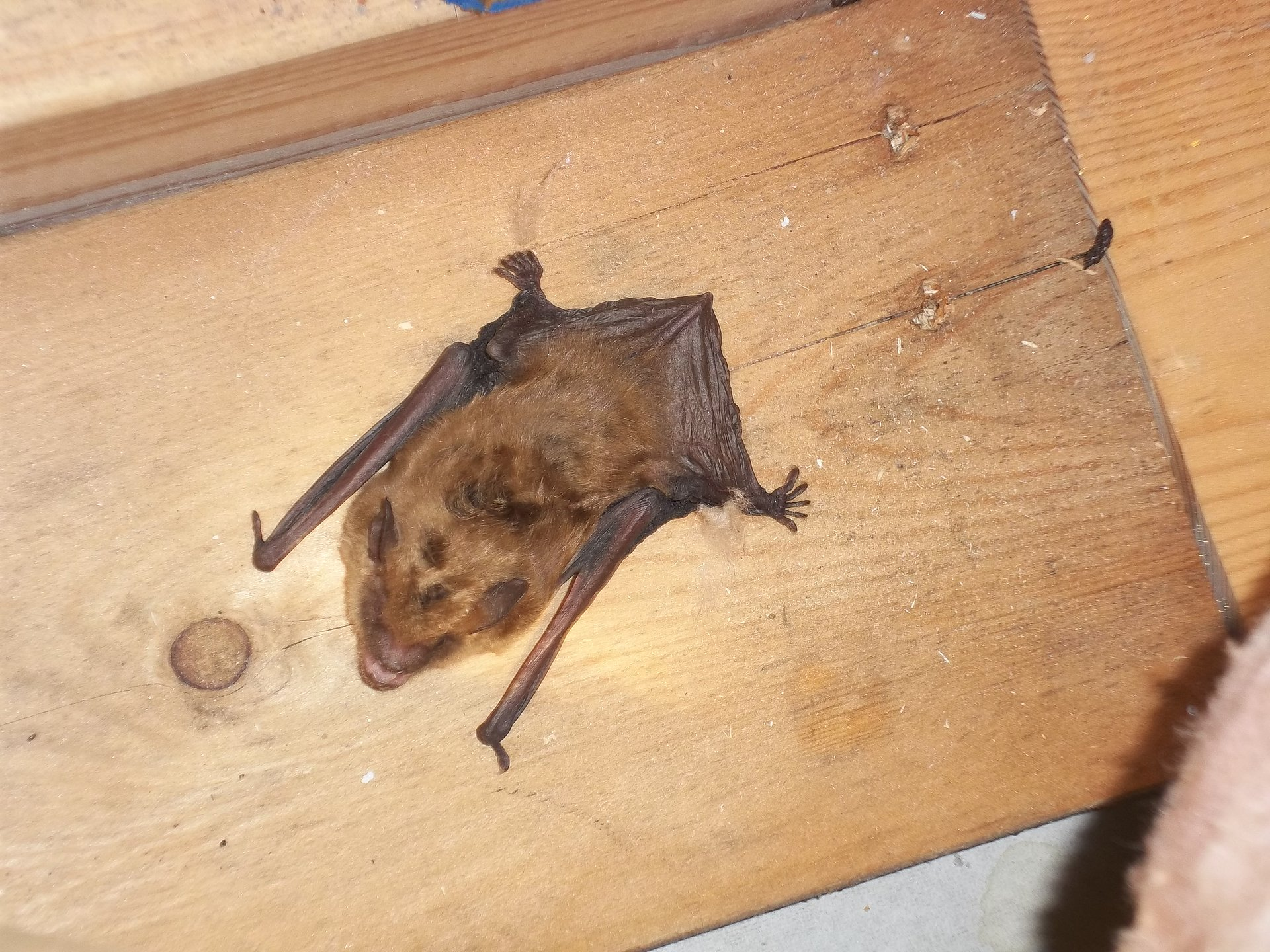
Bat activity is very common throughout Waterford because shoreline conditions, wooded neighborhoods, wetlands, older homes, garages, and aging rooflines create ideal roosting conditions for bats.
Homes near Great Neck, Oswegatchie, Quaker Hill, and shoreline sections near the Niantic River frequently experience bat problems involving attic colonies, guano buildup, staining around rooflines, and recurring entry-point activity.
Bats commonly enter structures through ridge vents, soffits, fascia gaps, roof returns, attic louvers, construction seams, and gaps near upper rooflines.
- Guano accumulation inside attic spaces
- Dark staining around soffits and vents
- Bats flying near the structure at dusk
- Chirping or scratching sounds
- Odor problems from contamination
Floyd’s Pest & Wildlife Control provides bat inspections, exclusion work, entry-point sealing, and bat prevention services throughout Waterford.
Learn more about our bat removal services.
Squirrel Removal in Waterford, CT
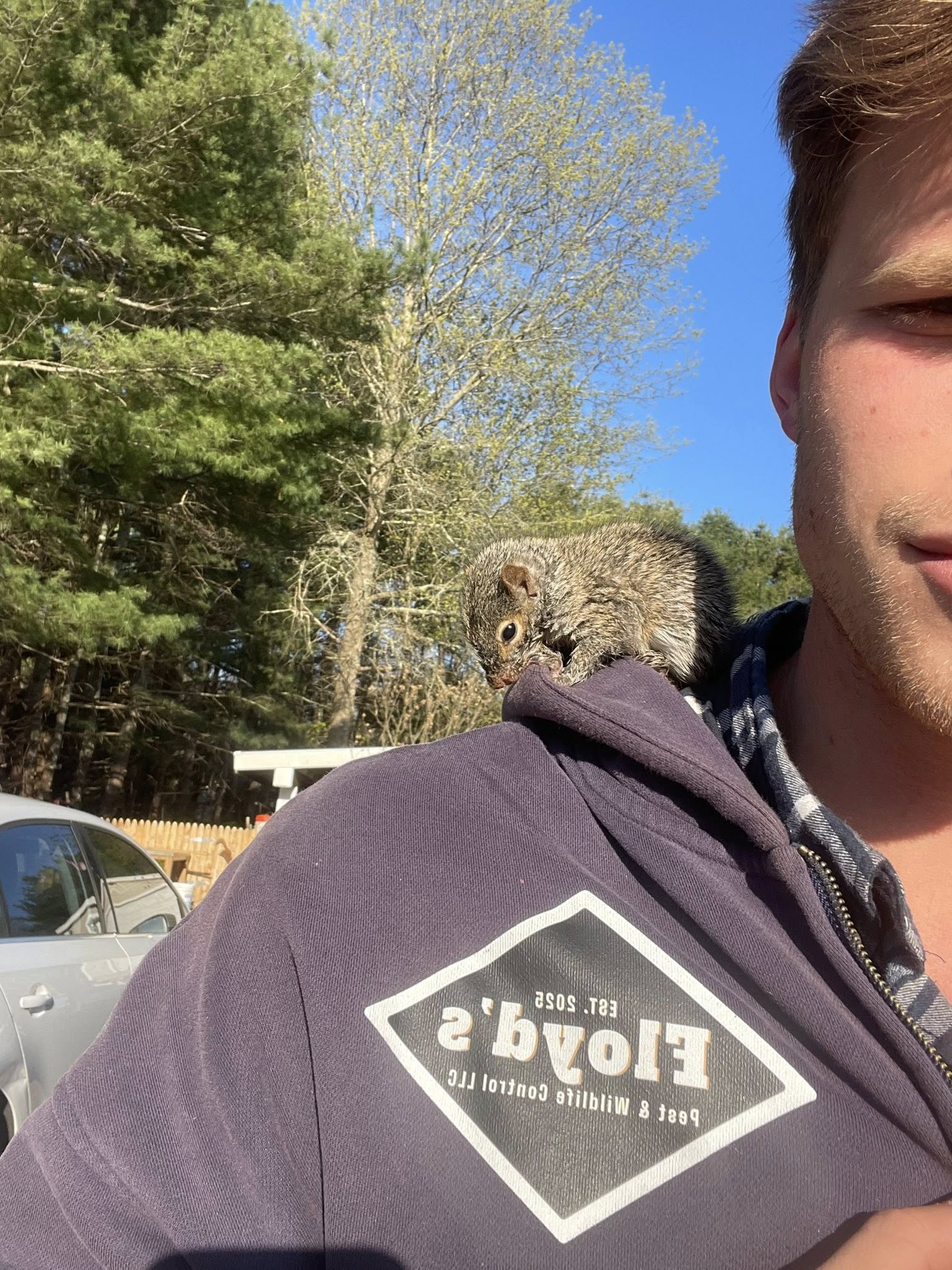
Squirrel infestations are extremely common throughout Waterford because the town has dense tree cover, wooded residential neighborhoods, shoreline habitat, attic-heavy homes, detached garages, older rooflines, and mature landscaping that create ideal travel routes and nesting opportunities for squirrels.
Areas around Great Neck, Quaker Hill, Oswegatchie, Jordan Village, and neighborhoods bordering wooded sections commonly experience recurring squirrel activity involving attics, soffits, rooflines, garages, sheds, and wall voids.
Gray squirrels and flying squirrels commonly enter Waterford homes through soffits, fascia boards, roof returns, attic vents, ridge vents, gable vents, chimney gaps, and weakened roof edges. Flying squirrels are especially common in older attic spaces because they can squeeze through extremely small openings near upper rooflines.
Many homes in Waterford have aging soffits, older fascia boards, roofline gaps, attached garages, crawlspaces, and overhanging tree branches that allow squirrels easy access onto the structure.
Once inside, squirrels may create nests in insulation, chew electrical wiring, damage wood framing, tear ductwork, contaminate attic spaces, and repeatedly reuse the same entry point season after season.
Properties near wooded edges, shoreline vegetation, drainage corridors, and mature tree cover often experience especially heavy squirrel pressure because squirrels can easily move between rooftops, utility lines, garages, sheds, and surrounding habitat.
Common signs of squirrel activity include:
- Scratching and running noises in attics or ceilings
- Chewed soffits, fascia boards, and vents
- Squirrels repeatedly seen on roofs or utility lines
- Nesting inside insulation or wall voids
- Strong odor from attic contamination
- Visible roofline entry damage
- Chewed wiring or damaged ductwork
In many cases, squirrel problems become recurring infestations because the roofline entry point was never fully repaired after the animals were removed. New squirrels may continue using the same opening if the vulnerable area is not reinforced properly.
Long-term squirrel control depends on identifying how the squirrels are entering the structure, correcting the damaged areas, and sealing vulnerable roofline gaps that allow continued access into the attic.
Floyd’s Pest & Wildlife Control provides squirrel trapping, squirrel removal, attic inspections, exclusion work, roofline repairs, entry-point sealing, and long-term prevention services throughout Waterford and surrounding shoreline communities.
Learn more about our squirrel removal services.
Raccoon Removal in Waterford, CT
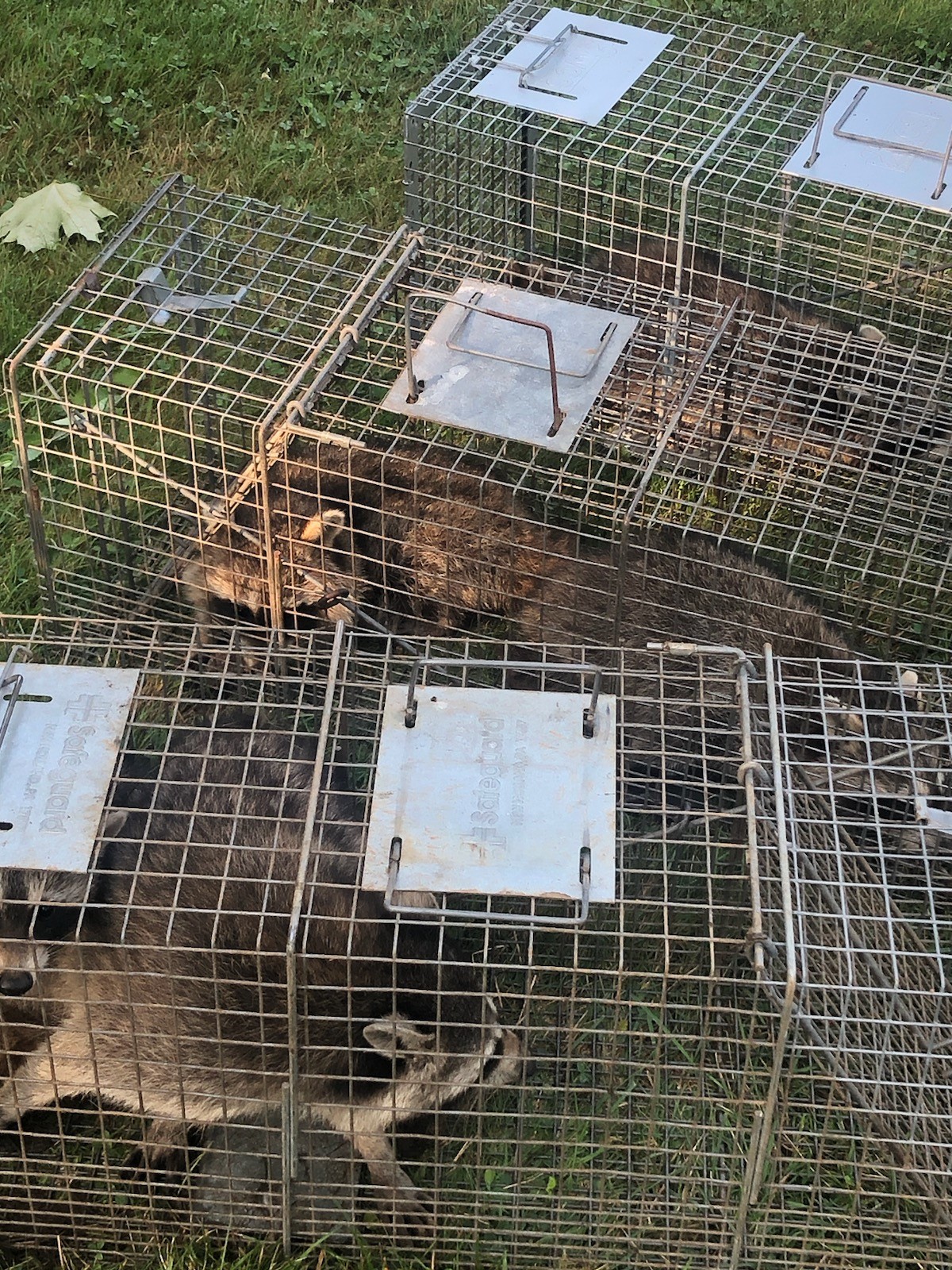
Raccoon problems are extremely common throughout Waterford because the town contains wooded neighborhoods, shoreline habitat, wetlands, garages, crawlspaces, dumpsters, sheds, older homes, and aging rooflines that create ideal shelter and food opportunities for raccoons.
Areas around Great Neck, Quaker Hill, Oswegatchie, Jordan Village, shoreline neighborhoods, and wooded residential sections frequently experience recurring raccoon activity involving attics, crawlspaces, garages, sheds, chimneys, and roofline damage.
Female raccoons commonly target attic spaces during breeding season because attics provide warm, protected denning locations for raising young. Many raccoon infestations begin after an animal discovers a weak roof edge, damaged soffit, attic vent, fascia gap, chimney opening, or crawlspace access point.
Raccoons are extremely destructive once they begin entering a structure. They commonly tear open soffits, rip apart fascia boards, damage attic vents, flatten insulation, contaminate attic spaces, and expand existing roofline openings while repeatedly using the same entry point.
Common raccoon entry areas in Waterford homes include:
- Soffits and fascia boards
- Roof returns and roof edges
- Attic vents and gable vents
- Chimney caps and chimney gaps
- Crawlspace openings and foundation gaps
- Garage and shed access points
Common signs of raccoon activity include:
- Loud movement or thumping noises at night
- Damaged soffits and roofline areas
- Strong odor from attic contamination
- Flattened insulation and nesting debris
- Visible roofline or crawlspace damage
- Raccoons repeatedly entering or exiting the structure
One major concern with raccoon infestations is contamination from raccoon droppings and raccoon latrine sites. Raccoons commonly create bathroom areas inside attics, garages, roofs, crawlspaces, sheds, and on flat roof sections. Over time, these latrine areas can create serious odor, contamination, and sanitation problems inside the structure.
Raccoon droppings may also contain raccoon roundworm eggs (Baylisascaris), which can become a health concern if contaminated material is disturbed or improperly cleaned. Because of this, contaminated attic spaces and latrine areas should be handled carefully using proper cleanup and sanitization procedures.
In many cases, raccoon infestations require more than simply removing the animal. Cleanup may involve removal of contaminated insulation, droppings cleanup, sanitization treatments, odor reduction, and correcting damaged attic areas after the infestation is resolved.
Long-term raccoon control depends on identifying the active entry point, removing the animals safely, cleaning contaminated areas when necessary, and sealing the structural gaps that allowed access into the building.
Floyd’s Pest & Wildlife Control provides raccoon trapping, attic inspections, exclusion work, entry-point sealing, attic cleanup recommendations, latrine cleanup guidance, sanitization services, and long-term wildlife prevention services throughout Waterford and surrounding shoreline communities.
Learn more about our raccoon removal services.
Skunk Removal in Waterford, CT
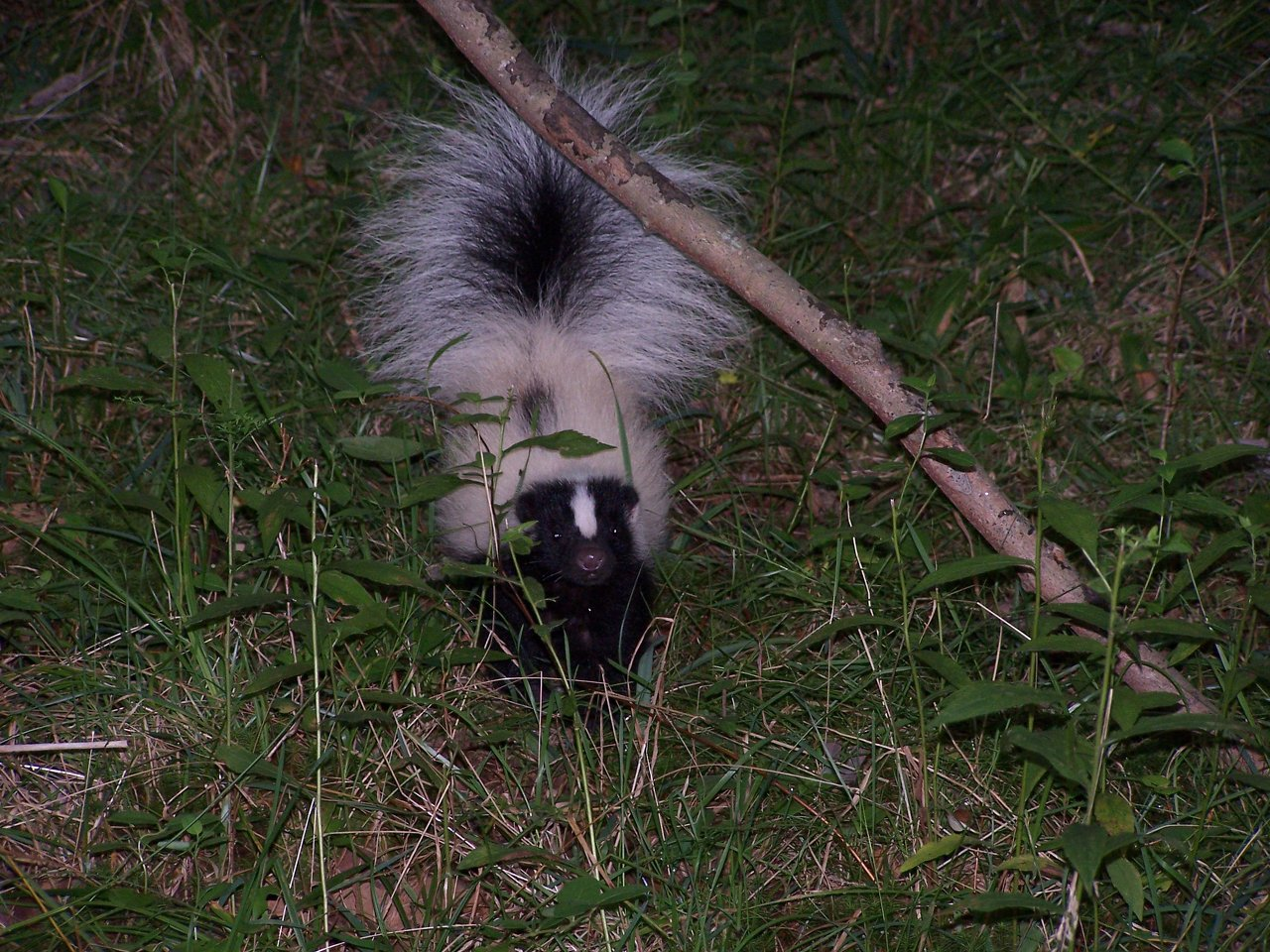
Skunk activity is extremely common throughout Waterford because the town has the exact combination of conditions that skunks prefer — shoreline neighborhoods, crawlspaces, decks, sheds, wooded residential areas, wetlands, drainage corridors, retaining walls, and overgrown vegetation that create ideal denning habitat close to homes.
Areas around Great Neck, Quaker Hill, Oswegatchie, Jordan Village, shoreline properties, and neighborhoods near wooded edges or wetland corridors regularly experience recurring skunk activity throughout much of the year.
Skunks commonly burrow beneath decks, porches, sheds, stairways, crawlspaces, additions, retaining walls, garages, and detached structures where they can remain hidden and protected during the day.
Many Waterford homes have elevated decks, older crawlspaces, detached garages, sheds, and landscaped edges that create ideal shelter areas for skunks to establish den sites close to the structure.
Properties near wooded sections, drainage areas, shoreline vegetation, marshy ground, and overgrown edges often experience especially heavy skunk pressure because these areas provide easy access to food, cover, insects, rodents, and protected denning locations.
Skunks are also strongly attracted to:
- Pet food left outdoors
- Garbage and dumpster areas
- Lawns with grub infestations
- Open crawlspaces and deck gaps
- Rodent activity around sheds and garages
- Brush piles, wood piles, and overgrown landscaping
Common signs of skunk activity include:
- Strong skunk odor around the structure
- Burrows beneath decks, sheds, or porches
- Digging damage in lawns and landscaped areas
- Loose soil around foundations or crawlspaces
- Pets being sprayed near the home
- Nighttime movement around garages and structures
Skunk problems often become recurring issues because the same denning areas continue attracting new animals if the openings remain accessible after removal. In many cases, simply removing the skunk does not solve the long-term problem unless the den area is properly sealed and reinforced.
Floyd’s Pest & Wildlife Control provides skunk trapping, den inspections, crawlspace evaluations, exclusion work, structural sealing, and long-term wildlife prevention services throughout Waterford and surrounding shoreline communities.
Learn more about our skunk removal services.
Snake Removal in Waterford, CT
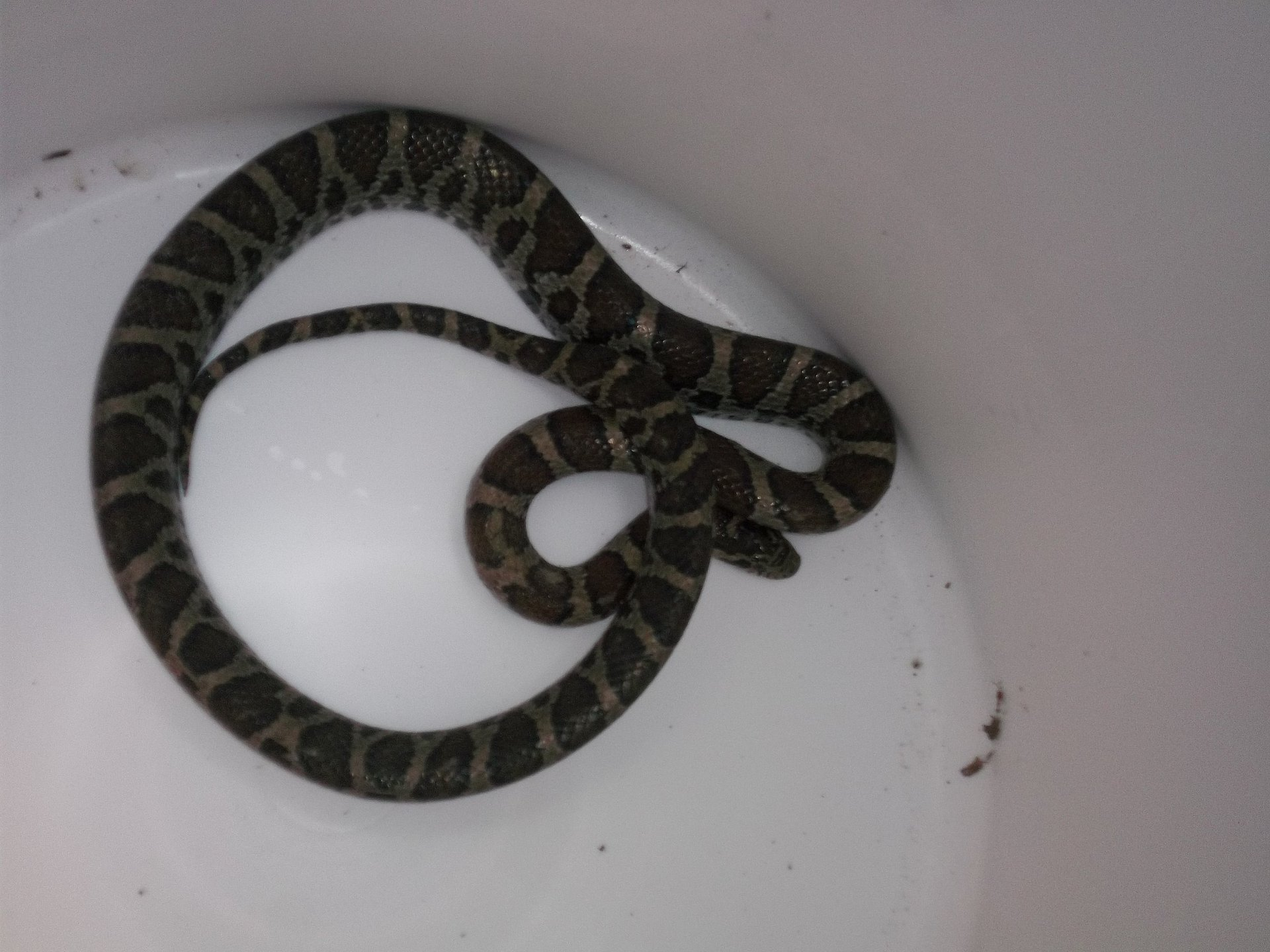
Snake sightings are common throughout Waterford because the area contains wetlands, wooded neighborhoods, shoreline habitat, stone walls, drainage corridors, crawlspaces, and strong rodent populations that support snake activity.
Most snakes found around Waterford homes are non-venomous, but they can still become a problem when they enter garages, basements, crawlspaces, sheds, retaining walls, or living spaces.
Snake activity is often directly connected to rodent infestations because mice and rats provide a major food source.
- Snakes around foundations and patios
- Snake skins near garages or crawlspaces
- Activity near stone walls and wood piles
- Movement inside basements or sheds
- Recurring sightings around landscaping
Properties near wetlands, wooded edges, drainage areas, and overgrown vegetation often experience recurring snake activity during warmer months.
Long-term snake control depends heavily on reducing rodent activity and sealing structural gaps around the property.
Learn more about our snake removal services.
Woodchuck Removal in Waterford, CT
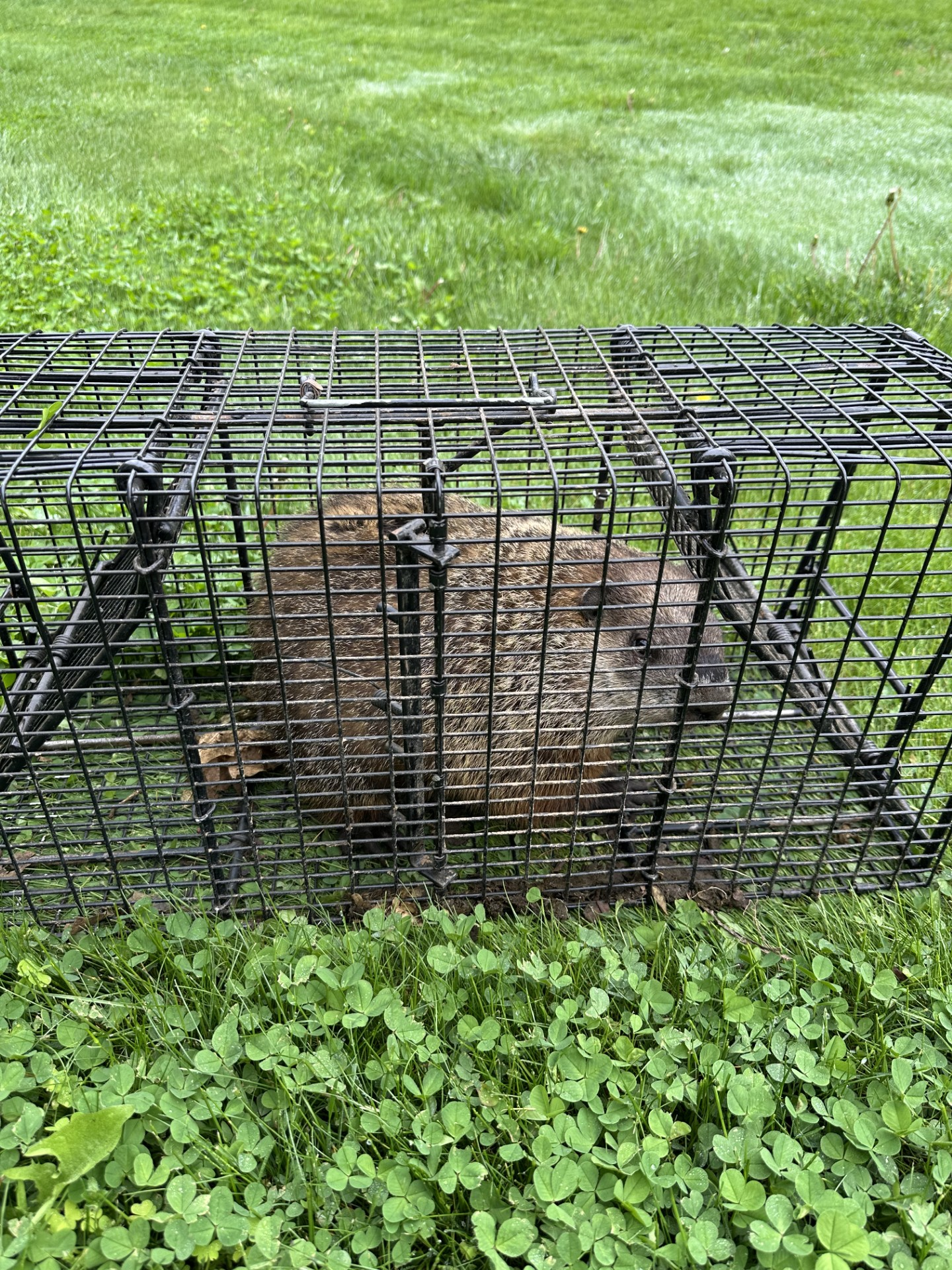
Woodchuck activity is a very common problem throughout Waterford because the town has the ideal combination of shoreline habitat, wooded edges, drainage corridors, retaining walls, sheds, crawlspaces, landscaped yards, and soft soil conditions that groundhogs prefer for burrowing and denning.
Areas around Great Neck, Quaker Hill, Oswegatchie, Jordan Village, shoreline neighborhoods, and properties bordering wooded sections or open fields frequently experience recurring woodchuck activity around homes and structures.
Many Waterford homes have detached sheds, raised decks, retaining walls, crawlspaces, patios, additions, garages, stairways, and landscaped edges that create excellent locations for burrow systems to develop. Once a woodchuck establishes an active den site, the area may continue attracting repeated activity if the burrow is not properly addressed after removal.
Woodchucks commonly dig extensive underground tunnel systems beneath:
- Sheds and detached garages
- Decks, porches, and stairways
- Patios and retaining walls
- Foundations and crawlspaces
- Landscape edges and garden areas
- Wood piles, brush areas, and shoreline vegetation
Over time, burrowing activity can create serious structural and property concerns. Tunnel systems may weaken soil around foundations, damage retaining walls, create unstable walkways, undermine patios, and contribute to recurring wildlife activity around the same area.
Common signs of woodchuck activity include:
- Large burrow openings near structures
- Loose soil and fresh digging around foundations
- Damage beneath decks, sheds, or patios
- Visible daytime activity around the property
- Chewed vegetation and garden damage
- Repeated activity near retaining walls or wooded edges
Properties near wooded corridors, wetlands, shoreline vegetation, drainage areas, open lawn sections, and overgrown edges often experience especially heavy woodchuck pressure because these areas provide easy access to food, cover, and protected denning locations.
In many cases, woodchuck problems become recurring issues because the original burrow system remains open after the animal is removed. New woodchucks may continue using the same den site if the area is not properly reinforced or secured.
Long-term woodchuck control may involve trapping, burrow inspections, exclusion work, and securing vulnerable areas after removal to help reduce repeated activity around the structure.
Floyd’s Pest & Wildlife Control provides woodchuck trapping, burrow inspections, exclusion recommendations, and wildlife prevention services throughout Waterford and surrounding shoreline communities.
Mole & Vole Control in Waterford, CT
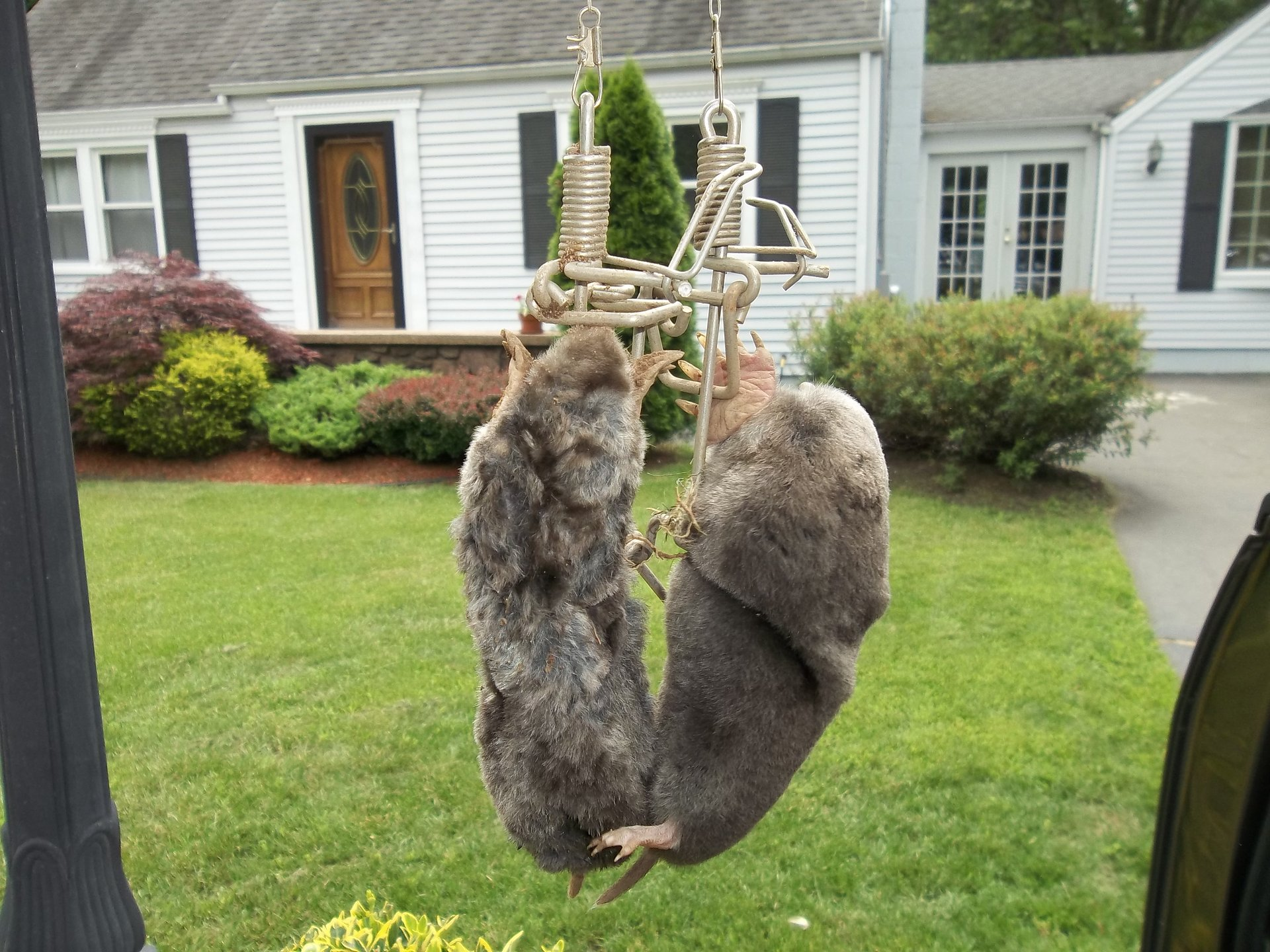
Mole and vole activity is common throughout Waterford because shoreline moisture, landscaped properties, soft soil, irrigation systems, gardens, wooded edges, stone walls, mulch beds, and thick ground cover create ideal conditions for tunneling and root-feeding damage.
While homeowners often blame moles for all lawn and garden damage, many of the worst landscape problems are actually caused by voles. Voles feed on roots, grass, bulbs, shrubs, flowers, ornamental plants, and low vegetation. In many cases, flowers and small plants may suddenly fall over because voles have eaten the roots underneath them.
This type of vole damage is especially common in garden beds, landscaped borders, mulch areas, ornamental plantings, vegetable gardens, foundation plantings, and thick grassy edges where voles can stay hidden while feeding.
Moles and voles are different animals, but they often work together in a way that makes vole problems worse. Moles build underground tunnel systems while feeding on insects, grubs, and worms beneath the lawn. Voles can then use those mole tunnels as protected travel routes, allowing them to move through the yard while staying safer from hawks, owls, foxes, coyotes, cats, snakes, and other predators.
That is why a property may start with mole tunnels and later develop heavy vole damage around roots, flowers, shrubs, bulbs, and garden beds. Once voles begin using the tunnel system, they can feed on plant roots and move through the landscape without being exposed on the surface.
Waterford properties near wetlands, drainage areas, wooded neighborhoods, shoreline homes, golf-course-style lawns, garden beds, and heavily landscaped yards often experience recurring mole and vole damage throughout the year.
Common Signs of Mole and Vole Damage
- Flowers or small plants suddenly falling over because roots have been eaten
- Chewed roots, bulbs, shrubs, and ornamental plantings
- Surface runways through grass, mulch beds, or garden edges
- Raised lawn ridges and underground tunneling
- Soft or collapsing soil areas above tunnel systems
- Dead patches or thinning areas in lawns
- Damage around foundation plantings, vegetable gardens, and flower beds
- Heavy activity near stone walls, wooded edges, wetlands, and thick vegetation
Mole control often involves targeted trapping programs designed around active tunnel systems and travel routes. Proper mole trapping depends on identifying which tunnels are active and consistently used beneath the lawn.
Vole control may involve baiting programs, habitat reduction, vegetation management, and reducing the thick cover that allows voles to nest, travel, and feed around the property. Because voles reproduce quickly and stay hidden in tunnels, mulch, grass, and vegetation, early control is important before damage spreads through the landscape.
Long-term mole and vole control depends on correctly identifying the animal causing the damage. Moles usually create raised ridges and tunnels while feeding underground. Voles often cause root damage, plant loss, surface runways, and feeding damage around flowers, shrubs, bulbs, and gardens.
Floyd’s Pest & Wildlife Control provides mole trapping, vole control, vole baiting, inspections, lawn damage control, and landscape protection services throughout Waterford and nearby New London County towns.
Learn more about our mole and vole control services.
Opossum Removal in Waterford, CT
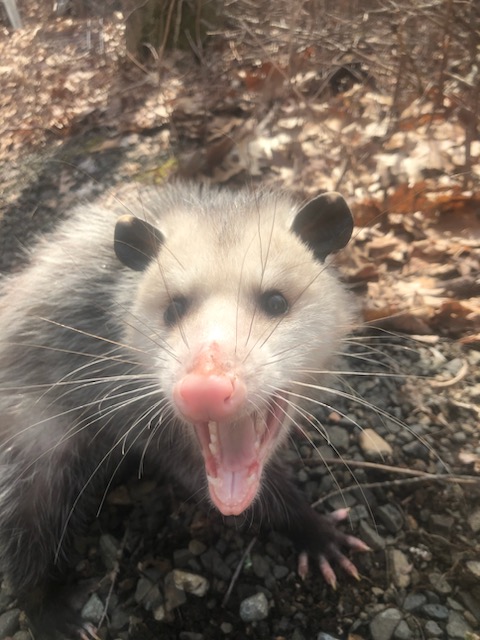
Opossum activity is common throughout Waterford because shoreline neighborhoods, wooded residential areas, crawlspaces, sheds, garages, decks, dumpsters, and older homes provide ideal shelter opportunities for nuisance wildlife.
Opossums commonly den beneath porches, additions, crawlspaces, stairways, sheds, detached garages, and decks while searching for food and protected nesting areas. Properties near Great Neck, Quaker Hill, Oswegatchie, wooded shoreline sections, and neighborhoods near wetlands often experience recurring nighttime opossum activity.
Although opossums are generally slow-moving animals, they can still create odor problems, contamination concerns, denning activity beneath structures, and recurring wildlife issues around homes and buildings.
Opossums are frequently attracted to:
- Pet food left outdoors
- Garbage and dumpster areas
- Open crawlspaces and deck gaps
- Detached garages and sheds
- Wood piles and overgrown vegetation
- Rodent activity around the property
Common signs of opossum activity include:
- Noises beneath decks, sheds, or crawlspaces
- Garbage disturbance around the property
- Odor and contamination concerns
- Movement around garages and sheds at night
- Tracks near crawlspace or denning areas
- Visible nighttime activity near structures
Properties with accessible shelter areas often experience repeated opossum activity because the same denning locations continue being reused unless the openings are properly sealed.
Floyd’s Pest & Wildlife Control provides opossum trapping, inspections, exclusion work, crawlspace evaluations, and long-term wildlife prevention services throughout Waterford.
Additional Rodent & Wildlife Services in Waterford, CT
Many rodent and wildlife infestations in Waterford involve more than simply removing the animal. Wildlife activity can leave behind contamination, damaged insulation, nesting debris, odor problems, dead animal issues, structural damage, and recurring entry points that need to be corrected to help prevent future infestations.
Waterford properties often experience wildlife pressure because of shoreline neighborhoods, wooded lots, wetlands, crawlspaces, older homes, detached garages, sheds, decks, stone walls, and homes near ponds, streams, and Long Island Sound. These conditions can allow rodents, bats, raccoons, squirrels, skunks, birds, and other nuisance wildlife to remain active around structures for long periods before the problem is discovered.
Bird & Nest Removal
Birds commonly nest inside vents, soffits, roofline openings, exhaust vents, garages, sheds, barns, and shoreline structures throughout Waterford. Nesting material may block airflow, create odor problems, attract insects or mites, and leave droppings or feathers behind.
Wildlife Exclusion & Entry Point Sealing
Wildlife exclusion focuses on sealing the gaps and weak areas that allow animals into the structure. Common exclusion work may involve soffits, attic vents, roof returns, crawlspace openings, foundation gaps, garage corners, siding gaps, utility penetrations, and damaged vent screens.
Attic Cleanouts & Sanitization
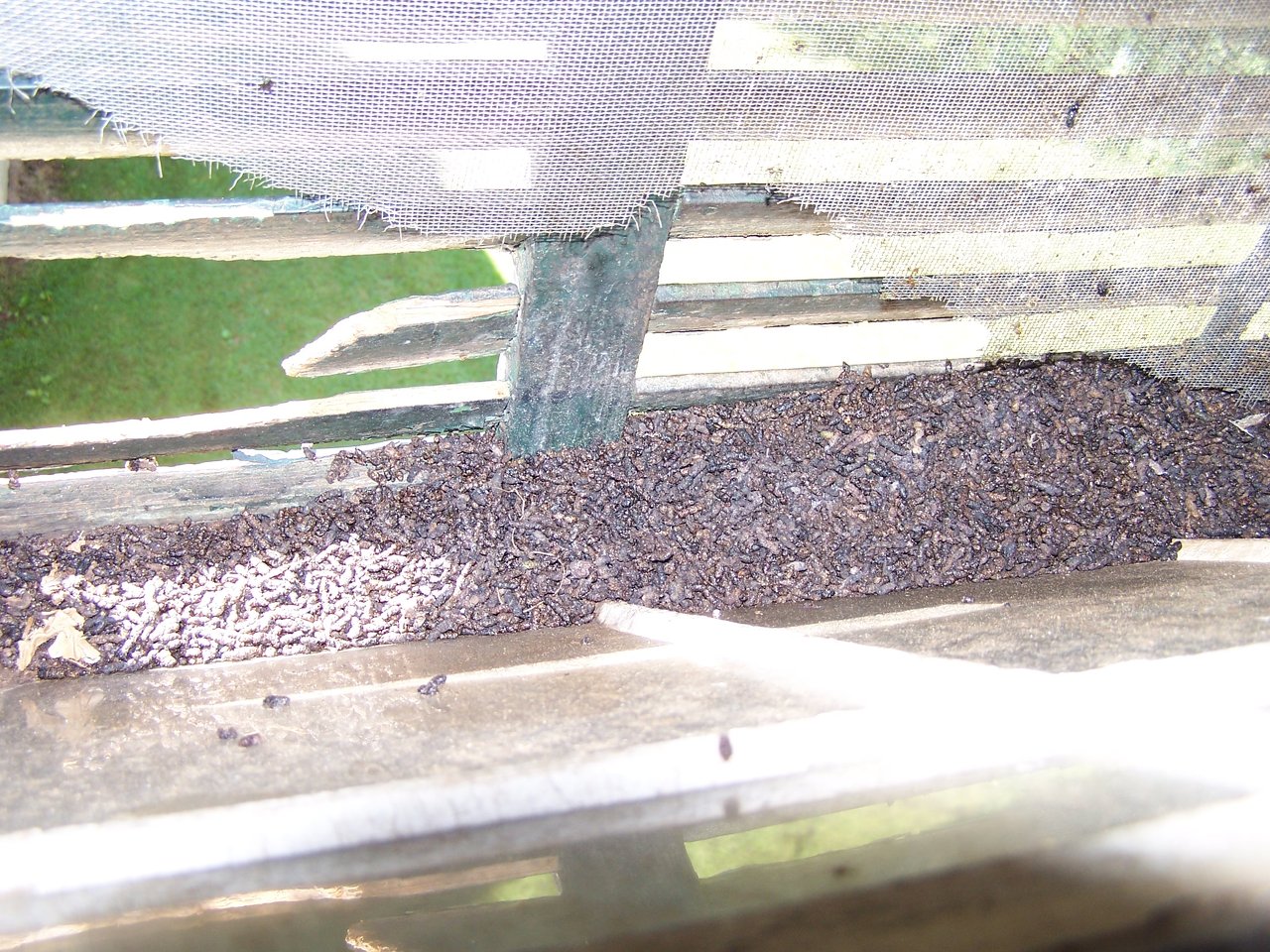
Rodents, bats, raccoons, squirrels, and birds can leave behind droppings, urine contamination, guano, damaged insulation, nesting debris, odor problems, and sanitation concerns inside attic and crawlspace areas. Cleanup may be needed after the active wildlife problem is resolved.
Attic cleanouts, sanitization & insulation removal →Insulation Removal & Replacement
Long-term rodent or wildlife activity can damage attic insulation through droppings, urine, guano, nesting activity, odor saturation, tunneling, compression, and torn material. Removal and replacement may be recommended when insulation is heavily contaminated or no longer performing properly.
Learn about insulation removal & replacement →Odor Control & Dead Animal Removal
Persistent odor problems are often caused by urine contamination, droppings, nesting material, contaminated insulation, den sites, or dead animals hidden inside walls, vents, attics, crawlspaces, basements, garages, sheds, or under decks and porches.
Dead animal removal & odor control →Emergency Wildlife Removal Services
Emergency wildlife situations may include animals inside living spaces, active attic infestations, raccoons with young, strong contamination odor, dead animal odor, rodent outbreaks, or wildlife causing immediate structural or sanitation concerns around the property.
Wildlife Exclusion & Rodent Proofing in Waterford
Most wildlife and rodent problems in Waterford become recurring infestations because the structural entry point was never fully corrected. Removing the animal may temporarily reduce activity, but if the opening remains accessible, new animals will often continue entering the structure.
Wildlife exclusion focuses on identifying how animals are getting inside and permanently correcting the vulnerable areas that allow repeated infestations to occur. In many cases, the actual wildlife problem starts with aging construction materials, loose rooflines, deteriorating soffits, damaged vents, foundation gaps, crawlspace openings, or small construction voids that develop over time.
Waterford properties near Great Neck, Quaker Hill, Oswegatchie, shoreline neighborhoods, wooded residential areas, and wetlands often experience especially heavy wildlife pressure because animals can easily move between tree cover, sheds, garages, crawlspaces, rooflines, drainage corridors, and nearby habitat.
Bats commonly enter through ridge vents, roof returns, fascia gaps, attic vents, and construction seams. Squirrels frequently chew through soffits, fascia boards, roof edges, and weakened trim areas. Raccoons often target damaged rooflines, attic vents, and loose soffit sections while searching for denning locations. Mice and rats can enter through tiny utility gaps, foundation cracks, crawlspace vents, siding gaps, and garage corners that are often overlooked during basic inspections.
Many homes in Waterford have crawlspaces, attached garages, additions, decks, sheds, attic spaces, and aging roof structures that create ideal conditions for recurring wildlife entry problems if the structure is not reinforced properly.
Common wildlife exclusion and rodent proofing work includes:
- Sealing foundation gaps and utility penetrations
- Repairing soffits, fascia boards, and roof returns
- Securing attic vents, ridge vents, and gable vents
- Reinforcing crawlspace vents and basement openings
- Installing wildlife-proof vent covers and barriers
- Closing openings beneath decks, porches, sheds, and additions
- Repairing chewed roofline areas and damaged trim
- Correcting garage door gaps and detached garage openings
- Sealing siding gaps and construction voids
- Reinforcing vulnerable areas after wildlife removal
Rodent proofing is especially important because mice can enter through openings as small as a dime. Even small gaps around pipes, vents, siding, foundations, garage corners, and utility lines can allow repeated rodent activity inside walls, attics, crawlspaces, and basements.
Many recurring infestations happen because only the animal was removed while the structure itself remained vulnerable. Wildlife problems often continue until the access point is fully corrected and reinforced.
Floyd’s Pest & Wildlife Control provides wildlife exclusion, rodent proofing, structural inspections, entry-point sealing, vent protection, crawlspace reinforcement, and long-term prevention services throughout Waterford and surrounding New London County communities.
The goal is not simply to remove the current animal — it is to help prevent the next infestation from happening again.
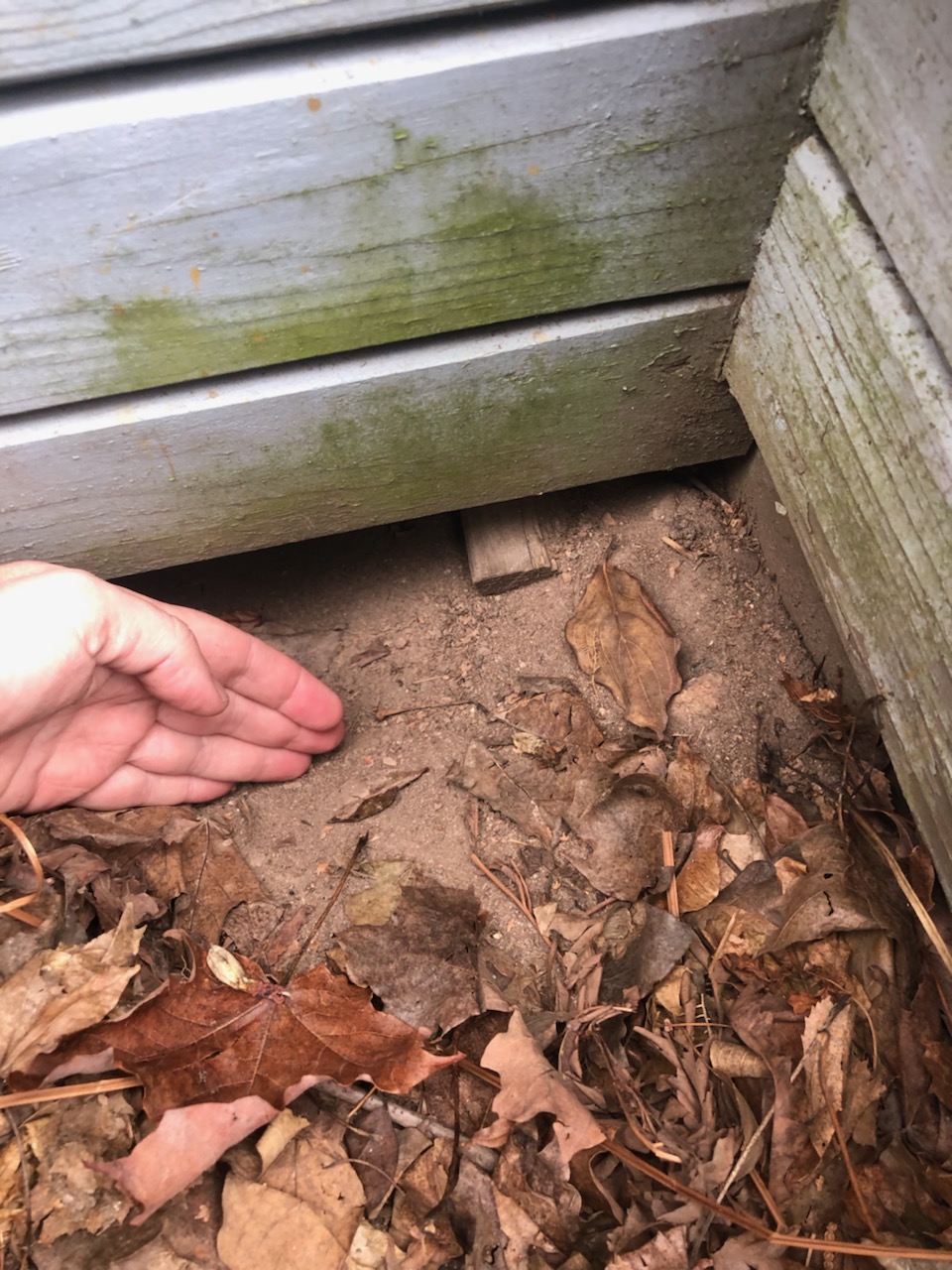
Wildlife Exclusion & Rodent Proofing in Waterford
Most wildlife and rodent infestations in Waterford are not just animal problems — they are structural access problems. If bats, squirrels, raccoons, mice, rats, skunks, or other wildlife can get into the structure once, they can often continue using the same opening until it is properly sealed.
Removing the animal may solve the immediate issue, but it usually does not stop the infestation from returning. Long-term control depends on finding the entry point, correcting the damage, and reinforcing weak areas so animals cannot continue entering the attic, crawlspace, garage, basement, or wall voids.
Waterford homes near wooded neighborhoods, shoreline areas, wetlands, the Niantic River, Great Neck, Quaker Hill, and Oswegatchie often deal with recurring wildlife pressure because animals can easily move between trees, rooflines, sheds, garages, crawlspaces, decks, and nearby habitat.
Common wildlife exclusion and rodent proofing work in Waterford includes:
- Sealing foundation gaps and utility penetrations
- Repairing soffits, fascia boards, and roof returns
- Securing attic vents, gable vents, and ridge vents
- Reinforcing crawlspace vents and basement openings
- Closing gaps around garage doors and garage corners
- Sealing openings beneath decks, sheds, porches, and additions
- Installing wildlife-proof vent protection
- Correcting chewed or damaged roofline access points
- Reinforcing weak structural areas after removal
Rodent proofing is especially important because mice can enter through extremely small openings around foundations, siding, pipes, wires, vents, and garage areas. Even a small gap can allow ongoing mouse activity inside walls, ceilings, crawlspaces, and attic spaces.
Floyd’s Pest & Wildlife Control provides wildlife exclusion, rodent proofing, structural inspections, entry-point sealing, vent protection, and long-term prevention services throughout Waterford.
The goal is not just to remove the animal. The goal is to stop the structure from continuing to invite the problem back.
Summary Table: Common Wildlife Problems in Waterford, CT
| Animal | Common Problem Areas | Typical Signs | Common Solution |
|---|---|---|---|
| Mice & Rats | Basements, crawlspaces, garages, attics | Droppings, scratching, chewing | Rodent control and exclusion |
| Bats | Attics, ridge vents, soffits | Guano, staining, chirping | Bat exclusion and sealing |
| Squirrels | Rooflines, attic vents, fascia boards | Chewing, scratching, nesting | Removal and exclusion |
| Raccoons | Attics, crawlspaces, chimneys | Heavy movement, contamination | Trapping and repairs |
| Skunks | Decks, porches, sheds | Odor, burrows, digging | Removal and den sealing |
| Snakes | Stone walls, crawlspaces, garages | Sightings, shed skins | Removal and rodent reduction |
| Woodchucks | Sheds, decks, retaining walls | Burrows, digging damage | Trapping and exclusion |
| Moles & Voles | Lawns and landscaped areas | Tunnel systems and lawn damage | Targeted trapping and control |
Wildlife Removal Near Waterford, CT
Floyd’s Pest & Wildlife Control provides wildlife removal, rodent control, exclusion, and prevention services throughout Waterford and surrounding New London County communities.
Nearby shoreline towns and wooded residential areas often experience similar wildlife pressure because of older homes, wetlands, crawlspaces, shoreline habitat, garages, and attic-heavy construction.
Visit our New London County wildlife removal page for additional local service coverage.
- Rodent Control Norwich CT
- Wildlife Removal East Lyme CT
- Rodent Control Salem CT
- Wildlife Removal Colchester CT
- Wildlife Removal Lebanon CT
- Bat Removal Niantic CT
- Squirrel Removal Groton CT
- Skunk Removal Montville CT
- Raccoon Removal New London CT
- Mouse Control Quaker Hill CT
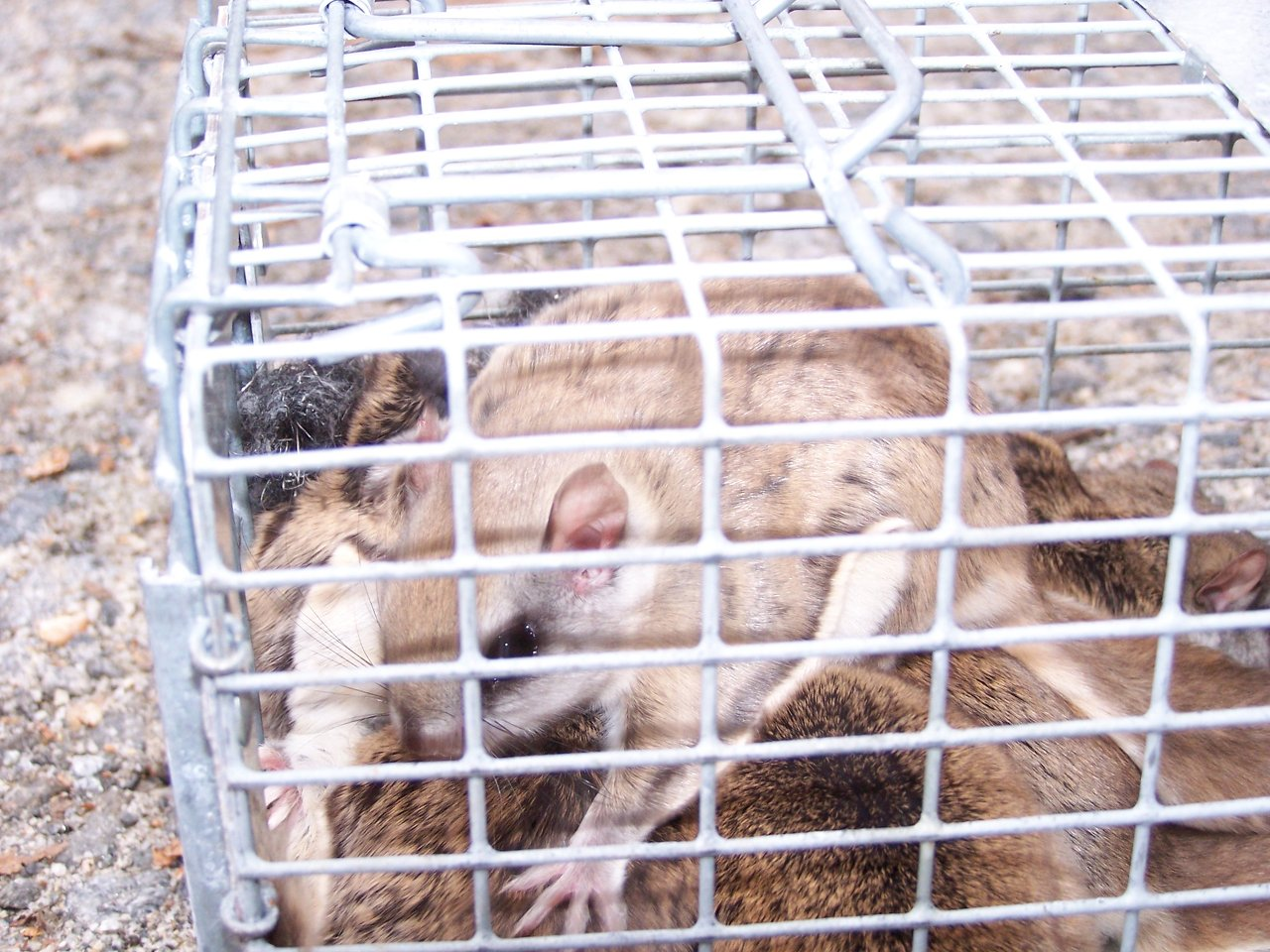
Wildlife & Rodent Questions in Waterford, CT
Why are rodents so common in Waterford?
Waterford has wooded neighborhoods, shoreline conditions, crawlspaces, garages, older homes, wetlands, and dense vegetation that create ideal conditions for mice and rats throughout the year.
How do mice and rats enter homes?
Rodents commonly enter through foundation gaps, utility penetrations, garage corners, crawlspace vents, siding gaps, basement openings, and roofline voids.
Why do rodent infestations keep returning?
Most recurring infestations happen because the structural entry points were never sealed after the initial problem was treated.
Are bat problems common near the shoreline?
Yes. Shoreline communities and wooded neighborhoods around Waterford commonly experience bat activity because bats feed heavily near wetlands, tree cover, and water sources before returning to attic spaces.
Why are squirrels getting into my attic?
Squirrels commonly chew into soffits, fascia boards, roof returns, attic vents, and weakened roofline areas while searching for nesting locations.
What attracts raccoons to homes in Waterford?
Raccoons are attracted to attics, crawlspaces, garbage, pet food, sheds, dumpsters, and homes with weak rooflines or accessible openings.
Why are skunks denning beneath my deck or shed?
Decks, sheds, crawlspaces, porches, and additions create protected shelter areas that skunks commonly use for denning.
Why are snakes showing up around my property?
Snake activity is often connected to rodents, wetlands, stone walls, crawlspaces, wood piles, drainage areas, and overgrown vegetation around the structure.
What causes mole and vole damage?
Moles create underground tunnel systems while feeding on insects. Voles create surface runways and damage grass, roots, landscaping, and ornamental vegetation.
Do you provide wildlife exclusion services?
Yes. Floyd’s Pest & Wildlife Control provides exclusion and structural sealing services to help prevent rodents and wildlife from returning.
Do you provide attic cleanup and sanitization?
Yes. Wildlife infestations often leave behind droppings, urine contamination, damaged insulation, odor problems, and nesting debris that may require cleanup and sanitization services.