Why Rodent & Wildlife Problems Are Common in East Hampton
East Hampton experiences heavy rodent and wildlife activity because the town contains extensive wooded neighborhoods, older homes, crawlspaces, detached garages, lakefront properties, sheds, and large areas of forest habitat surrounding residential communities.
Neighborhoods near Lake Pocotopaug, Cobalt, and wooded residential sections throughout East Hampton commonly experience mouse infestations, squirrel entry, bat colonies, raccoon activity, skunk denning, snake sightings, and recurring attic wildlife problems.
The combination of wooded habitat, aging homes, lakefront development, and suburban residential neighborhoods creates ideal conditions for both rodents and nuisance wildlife. Many East Hampton homes contain attic vents, crawlspaces, older rooflines, garages, sheds, retaining walls, and foundation gaps that wildlife can exploit for shelter and nesting.
Rodent problems are especially common throughout East Hampton because mice and rats can enter structures through extremely small openings around foundations, utility penetrations, crawlspaces, garages, siding gaps, and roofline areas.
Properties throughout East Hampton commonly contain:
- Older homes with aging rooflines
- Crawlspaces and unfinished basements
- Detached garages and sheds
- Wooded property edges and stone walls
- Lakefront structures and seasonal buildings
- Large lawns and landscaped areas
These conditions create ideal shelter opportunities for mice, rats, bats, flying squirrels, raccoons, skunks, snakes, woodchucks, moles, and voles.
Rat activity has also become more noticeable throughout Connecticut in recent years, including suburban Middlesex County towns. Bird feeders, outdoor trash storage, garages, dumpsters, exterior pet food, and warmer winters all contribute to increasing rodent pressure.
Wildlife pressure remains especially high in East Hampton because surrounding forest habitat and wetlands support large populations of raccoons, squirrels, bats, skunks, and burrowing animals throughout the area.
Floyd’s Pest & Wildlife Control works throughout East Hampton handling rodent infestations, attic wildlife activity, contamination cleanup, bat colonies, squirrel infestations, crawlspace problems, vole damage, exclusion work, and long-term structural prevention projects.
- Wooded residential neighborhoods create constant wildlife movement near homes.
- Older homes and garages commonly develop rodent and wildlife entry points over time.
- Crawlspaces, sheds, and attic spaces provide shelter for rodents and nuisance wildlife.
- Rooflines, soffits, and attic vents are common access points for bats and squirrels.
- Stone walls, brush, and wooded edges support strong snake and rodent activity.
- Lawns and landscaped properties commonly experience mole and vole damage.
In East Hampton, many infestations become recurring structural problems rather than isolated animal encounters. Long-term control depends on identifying how animals are entering the structure, correcting the access points, and reducing the conditions allowing infestations to continue.
Mouse & Rat Control in East Hampton, CT
Rodent problems are one of the most common issues homeowners deal with throughout East Hampton because wooded neighborhoods, lakefront homes, crawlspaces, garages, older structures, sheds, and surrounding forest habitat create ideal conditions for mice and rats year-round.
Properties throughout East Hampton often border wooded areas, stone walls, brush, wetlands, and undeveloped land, allowing rodents to move easily between natural habitat and nearby homes and buildings.
Mice commonly enter homes around Lake Pocotopaug, Cobalt, and wooded residential neighborhoods through tiny structural openings around foundations, crawlspaces, garages, utility penetrations, rooflines, and attic vents.
Many homeowners first notice rodent activity after hearing scratching sounds at night, finding droppings in basements or garages, smelling strong musky odors, or discovering chewed food packaging and nesting material inside hidden areas.
Rodents commonly enter East Hampton homes through:
- Foundation cracks and sill plate gaps
- Crawlspace vents and basement openings
- Garage door corners and weather stripping gaps
- Utility penetrations around pipes and wires
- Roofline gaps and attic vent openings
- Sheds, garages, and detached outbuildings
Once rodents establish activity inside the structure, infestations often spread through wall voids, attic insulation, crawlspaces, basements, garages, and storage spaces.
Common signs of rodent activity include:
- Droppings inside cabinets, basements, attics, or garages
- Scratching or movement sounds in walls and ceilings
- Chewed insulation, wiring, cardboard, or stored items
- Strong musky or ammonia-like odor
- Nesting material inside hidden areas
- Rodent sightings near foundations or sheds
Rat activity has also become much more noticeable throughout Connecticut in recent years, including suburban Middlesex County communities. Bird feeders, outdoor trash storage, garages, dumpsters, pet food, and warmer winters all contribute to increasing rodent pressure.
Many East Hampton rodent problems become recurring infestations because mice and rats continue entering through the same hidden structural openings year after year.
Rodent infestations can also create serious contamination concerns because mice and rats leave droppings and urine throughout attics, crawlspaces, insulation, garages, and storage areas. Recent national news involving hantavirus concerns has also increased awareness about the health risks associated with rodent droppings and nesting material.
Long-term rodent control usually requires more than trapping alone. Successful control often involves identifying entry points, reducing exterior rodent pressure, correcting structural gaps, and preventing rodents from repeatedly entering the structure.
Floyd’s Pest & Wildlife Control provides mouse control, rat control, exterior baiting programs, rodent inspections, crawlspace inspections, attic inspections, rodent exclusion, structural sealing, and long-term prevention services throughout East Hampton.
Learn more about our rodent control services.
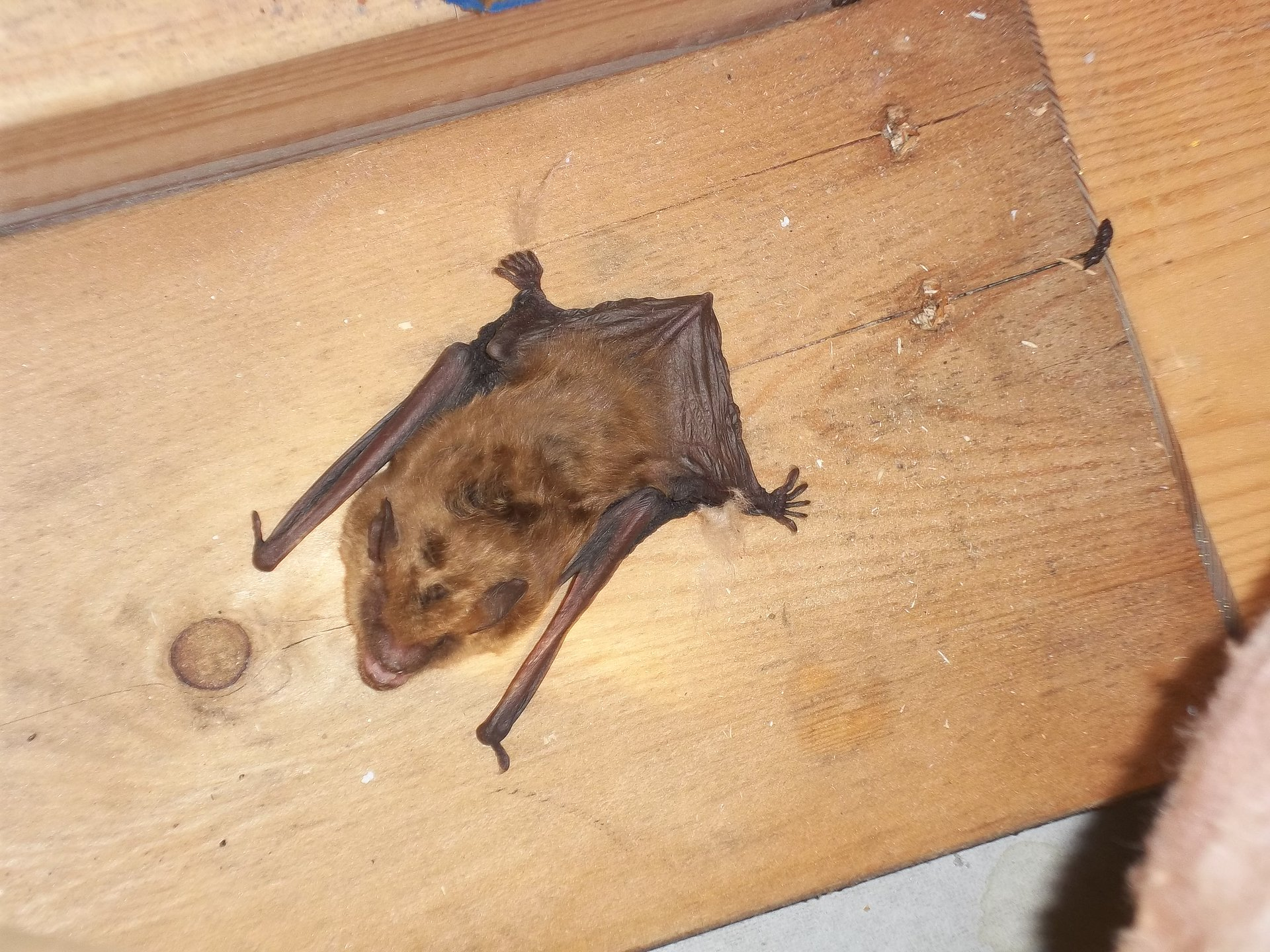
Bat Removal in East Hampton, CT
Bat infestations are very common throughout East Hampton because wooded habitat, lakefront conditions, older homes, attic spaces, and nearby wetlands create ideal feeding and roosting conditions for bats throughout the warmer months.
Homes near Lake Pocotopaug and wooded residential sections often experience recurring bat problems because bats can easily access attic spaces through small roofline gaps and aging construction areas.
Common bat entry points include:
- Ridge vents and attic vents
- Soffit and fascia gaps
- Roof flashing and roof returns
- Gable vents and siding separations
- Garage rooflines and older outbuildings
- Small construction gaps near roof peaks
Bat colonies often remain hidden for long periods before homeowners notice guano accumulation, dark staining around entry points, attic odor, or scratching and chirping sounds overhead.
Common signs of bat activity include:
- Guano buildup below roofline gaps
- Dark staining near attic vents
- Bats exiting around dusk
- Strong odor inside attic spaces
- Chirping or scratching noises overhead
Bat infestations can create serious contamination problems over time because guano and urine may accumulate heavily inside attic insulation and hidden structural voids.
Bat exclusion requires careful timing and proper sealing techniques. Simply sealing openings without proper exclusion methods can trap bats inside the structure.
Floyd’s Pest & Wildlife Control provides bat inspections, bat exclusion, attic evaluations, entry-point sealing, guano cleanup recommendations, and long-term bat prevention services throughout East Hampton.
Learn more about our bat removal services.
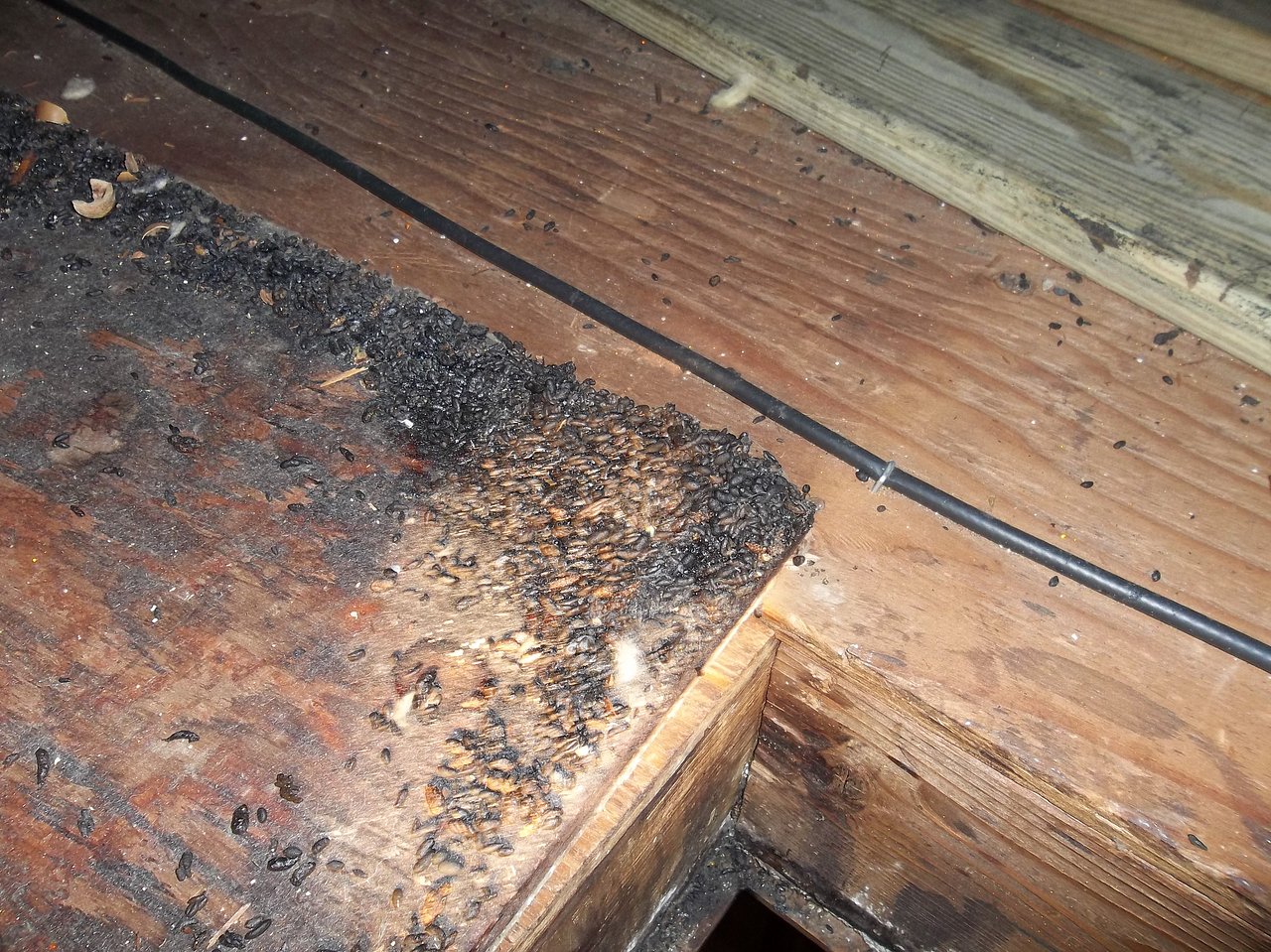
Squirrel Removal in East Hampton, CT
Squirrel infestations are extremely common throughout East Hampton because mature trees, wooded neighborhoods, older rooflines, attic vents, and lakefront homes provide ideal access into attics and upper structural areas.
Gray squirrels and flying squirrels are both highly active throughout East Hampton, especially near heavily wooded residential properties surrounding Lake Pocotopaug and nearby forest habitat.
Flying squirrels are especially common throughout Middlesex County and often remain hidden for long periods because they are active mostly at night. Many homeowners hear nighttime scratching overhead for months before realizing flying squirrels are living inside the attic.
Unlike gray squirrels, flying squirrels often live in groups inside attics and wall voids. Over time they can create extensive contamination problems from droppings, urine, nesting material, and repeated latrine areas inside insulation and attic corners.
Squirrels commonly enter East Hampton homes through:
- Soffits and fascia boards
- Roof edges and roof returns
- Attic vents and gable vents
- Loose trim and siding gaps
- Garage rooflines and shed openings
- Construction gaps near roof intersections
Once squirrels enter the attic, they may damage insulation, wiring, wood framing, soffits, fascia boards, ductwork, and stored belongings.
Common signs of squirrel activity include:
- Daytime scratching or running noises
- Nighttime movement from flying squirrels
- Chewed roofline openings or attic vents
- Strong attic odor from contamination
- Damaged insulation or nesting material
- Latrine areas and droppings inside the attic
Many squirrel infestations become recurring problems because squirrels repeatedly return to the same roofline openings year after year if repairs and exclusion work are not completed properly.
Floyd’s Pest & Wildlife Control provides squirrel trapping, flying squirrel inspections, attic evaluations, contamination assessments, exclusion work, roofline repairs, and long-term prevention services throughout East Hampton.
Learn more about our squirrel removal services.
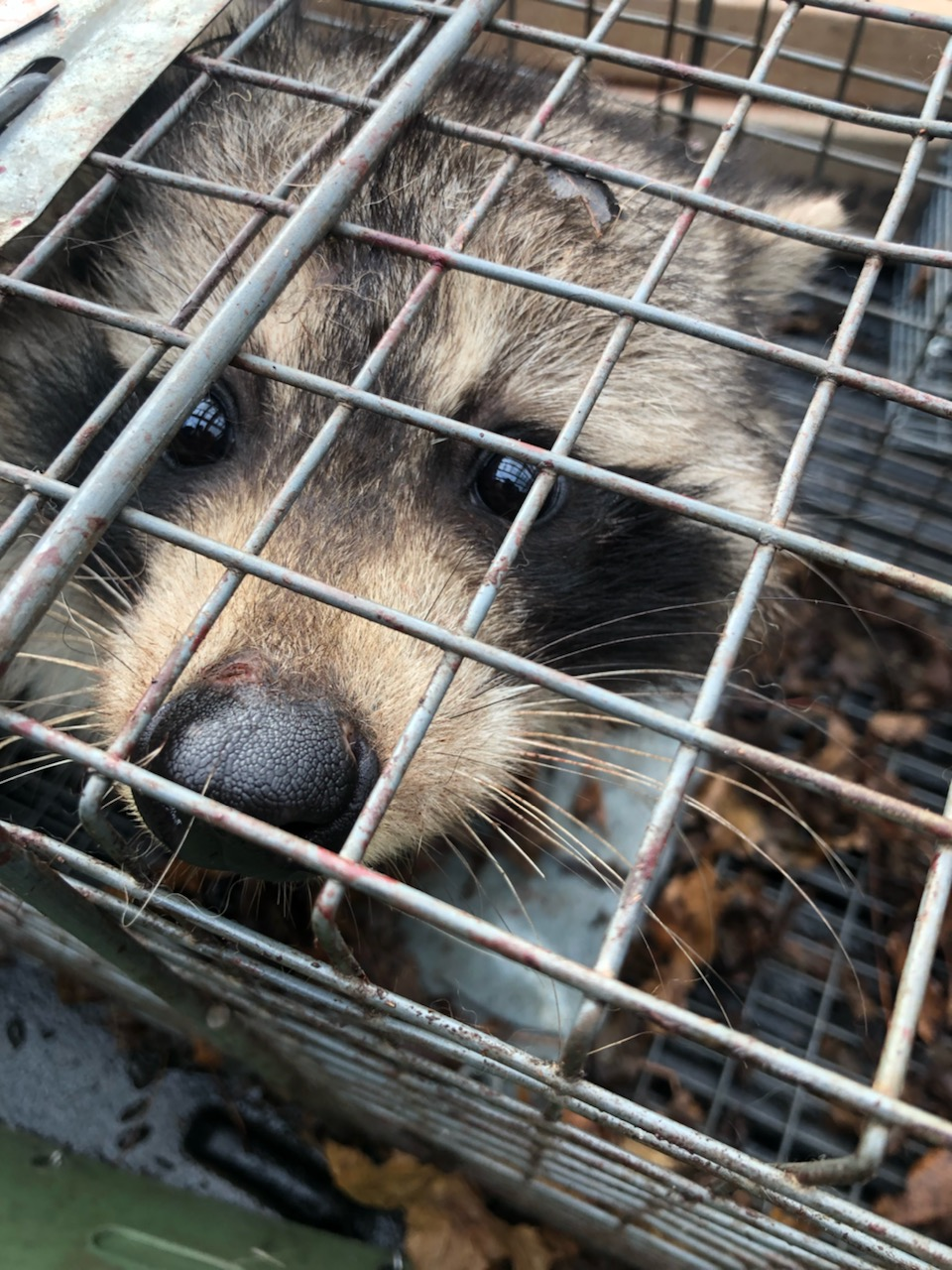
Raccoon Removal in East Hampton, CT
Raccoon problems are extremely common throughout East Hampton because wooded neighborhoods, lakefront homes, crawlspaces, attics, garages, sheds, and surrounding forest habitat provide ideal shelter and feeding conditions.
Homes near Lake Pocotopaug and wooded residential sections throughout town frequently experience raccoon activity because raccoons can travel easily between forest cover, wetlands, dumpsters, and nearby homes.
Many raccoon infestations begin when female raccoons search for protected denning areas inside attics, garages, sheds, barns, or crawlspaces during breeding season.
Raccoons commonly enter East Hampton structures through:
- Roof returns and attic vents
- Soffits and fascia boards
- Crawlspace openings and foundation gaps
- Loose siding and roof intersections
- Garage rooflines and shed openings
- Older construction gaps around the roofline
Once inside attics or crawlspaces, raccoons can create major structural and contamination problems. Torn insulation, damaged ductwork, ripped vents, broken soffits, and strong odor are all common issues.
Common signs of raccoon activity include:
- Heavy movement sounds overhead at night
- Torn soffits or damaged roof edges
- Strong odor inside attic spaces
- Overturned garbage containers
- Torn vents or damaged siding
- Tracks or activity around decks and garages
Raccoon infestations often become recurring problems if the entry area is not repaired and reinforced properly after removal.
East Hampton’s wooded neighborhoods, older homes, and nearby water sources create ideal raccoon habitat throughout much of the town.
Floyd’s Pest & Wildlife Control provides raccoon trapping, attic inspections, den removal, exclusion work, structural repairs, and long-term prevention services throughout East Hampton.
Learn more about our raccoon removal services.
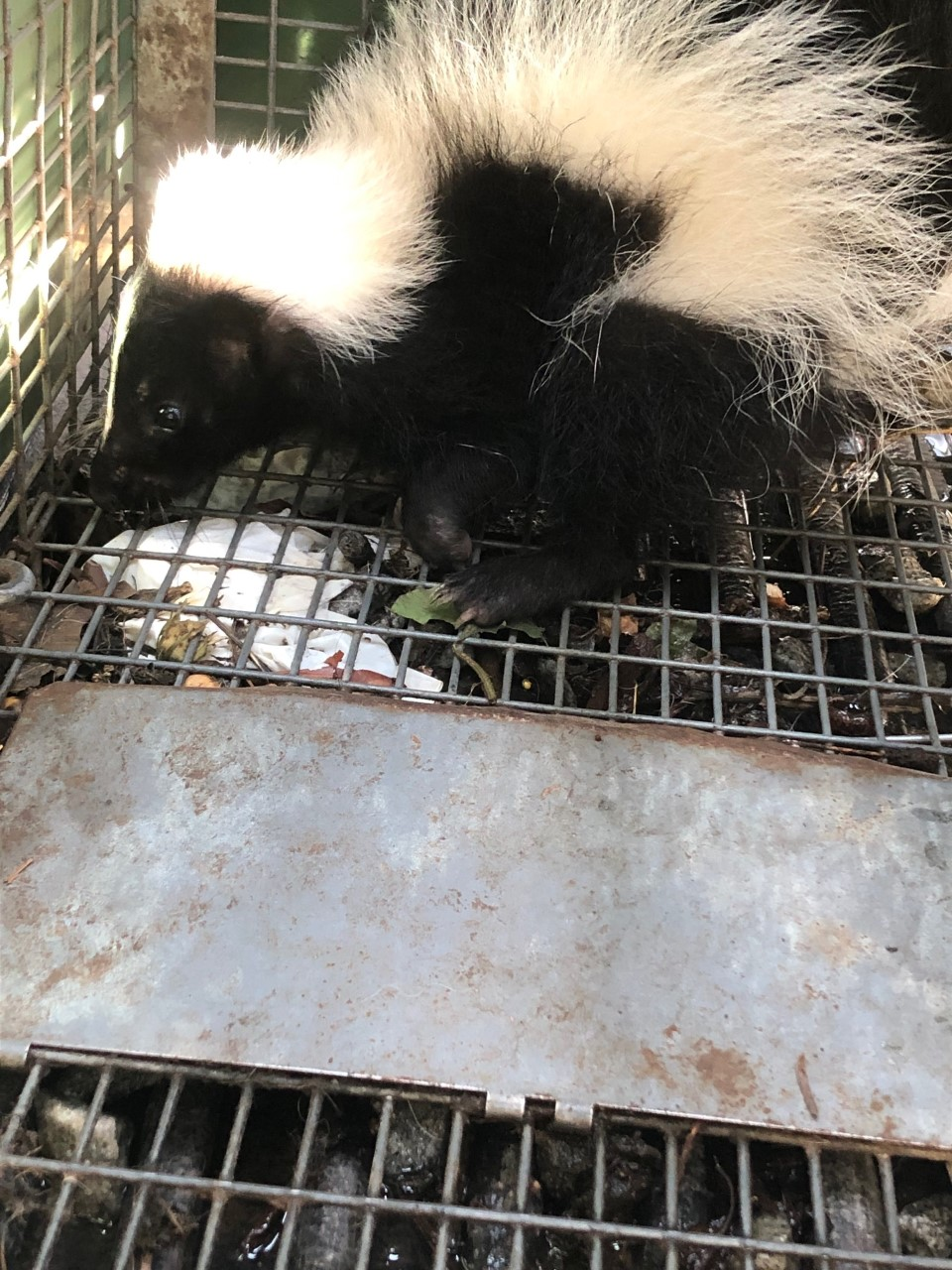
Skunk Removal in East Hampton, CT
Skunks are very common throughout East Hampton because residential neighborhoods, crawlspaces, decks, sheds, stone walls, wooded property edges, and landscaped yards create ideal denning and feeding conditions.
Many East Hampton skunk problems begin when skunks dig beneath structures while searching for protected shelter close to food sources and wooded habitat.
Skunks commonly den beneath:
- Decks and porches
- Crawlspaces and additions
- Sheds and detached garages
- Concrete slabs and stairways
- Stone walls and retaining walls
- Wood piles and storage structures
Large lawns and landscaped properties throughout East Hampton also provide strong feeding opportunities because skunks commonly dig for grubs and insects during nighttime hours.
Common signs of skunk activity include:
- Strong skunk odor around the property
- Fresh digging in lawns or mulch beds
- Burrow openings near structures
- Nighttime movement around sheds or decks
- Pets being sprayed
If denning areas remain accessible after removal, new skunks often move into the same location later.
Floyd’s Pest & Wildlife Control provides skunk trapping, den inspections, exclusion work, and prevention services throughout East Hampton and surrounding Middlesex County communities.
Learn more about our skunk removal services.
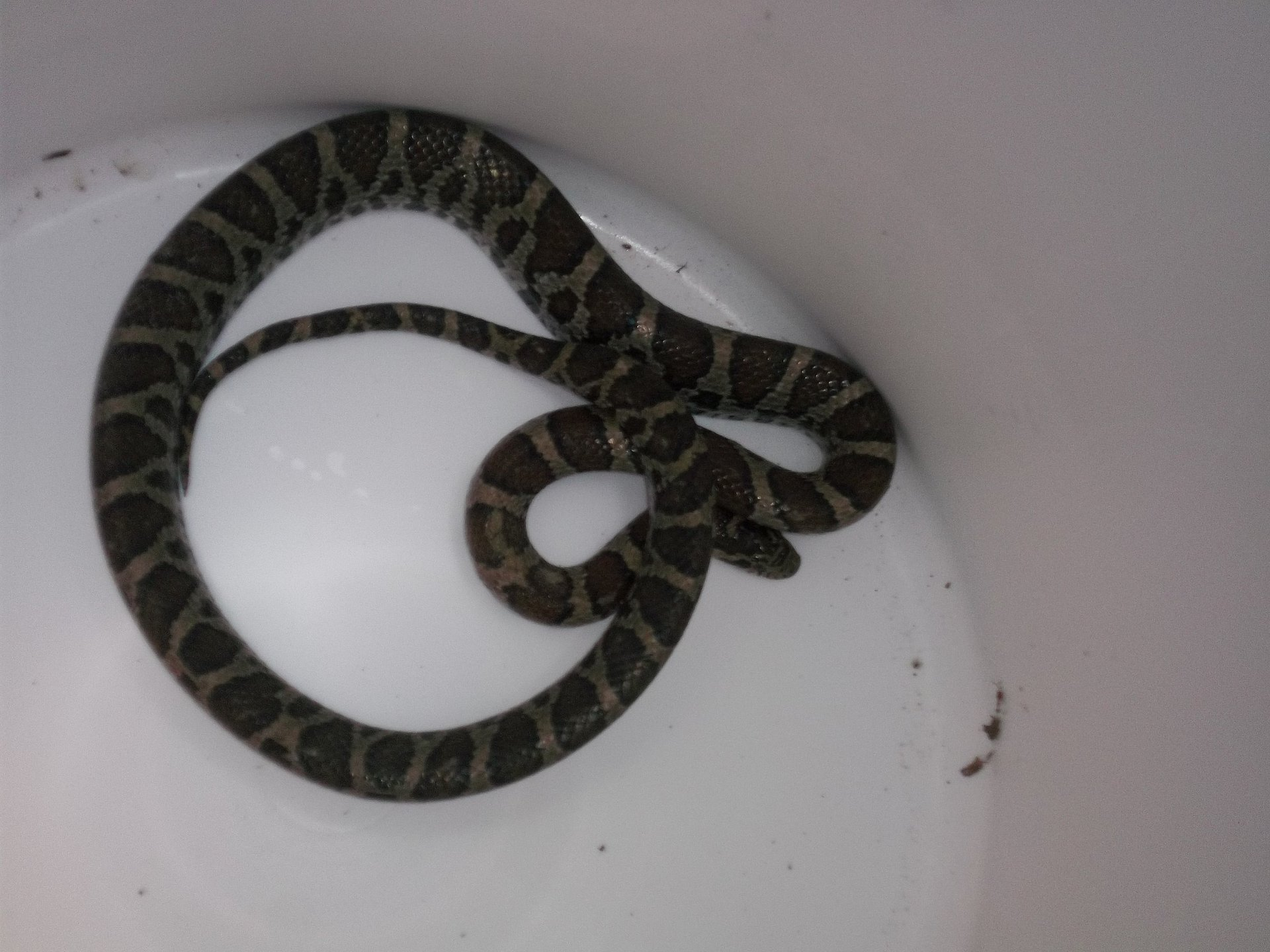
Snake Removal in East Hampton, CT
Snake sightings are common throughout East Hampton because wooded habitat, stone walls, wetlands, lakefront areas, brush piles, and active rodent populations create ideal shelter and feeding conditions.
Most snakes found around East Hampton homes are non-venomous species such as milk snakes, garter snakes, and black racers, but they still create concern when they enter garages, basements, crawlspaces, sheds, or living spaces.
Snake activity is often highest around homes with active mice, vole, or chipmunk populations because rodents are one of their primary food sources.
Common snake hiding areas include:
- Stone walls and retaining walls
- Wood piles and debris piles
- Dense landscaping and brush
- Wetlands and drainage areas
- Crawlspaces and foundation gaps
- Gardens and mulch beds
Repeated snake sightings often indicate an underlying rodent issue nearby that should also be corrected.
East Hampton’s wooded neighborhoods, lakefront habitat, and large residential properties create excellent snake habitat throughout the area.
Floyd’s Pest & Wildlife Control provides snake removal, inspections, habitat evaluations, and recommendations for reducing the conditions attracting snakes around homes and buildings.
Learn more about our snake removal services.
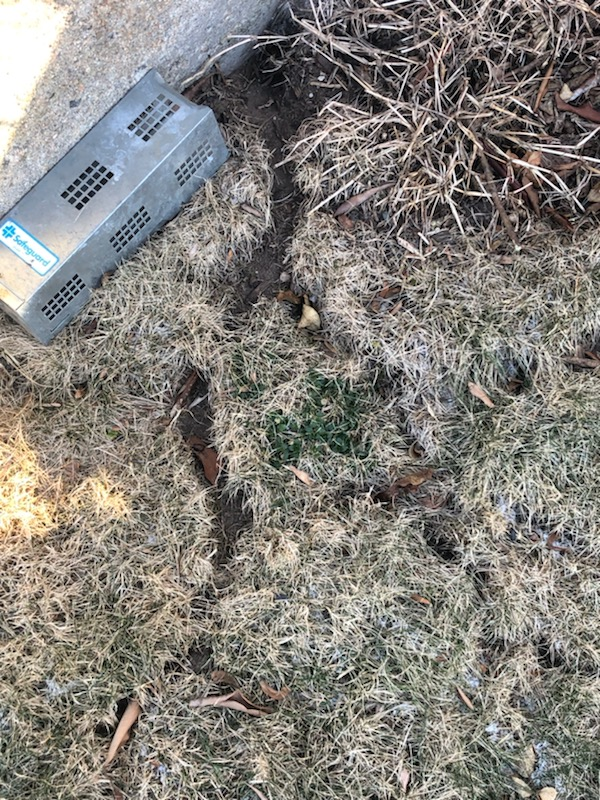
Mole & Vole Control in East Hampton, CT
Mole and vole problems are extremely common throughout East Hampton because large lawns, flower beds, landscaped properties, wooded edges, and soft Connecticut River valley soils create ideal burrowing habitat.
While moles tunnel underground searching for insects and grubs, voles often create far more destructive property damage by feeding on flowers, roots, bark, bulbs, ornamental landscaping, and garden vegetation.
Vole damage is especially common throughout East Hampton because many homes contain large landscaped yards bordering wooded habitat where vole populations thrive.
Voles commonly damage:
- Flower beds and hostas
- Gardens and vegetables
- Mulch beds and landscaping
- Ornamental shrubs and roots
- Young tree bark and vegetation
Many homeowners first notice vole infestations after sections of flowers or landscaping suddenly begin dying, collapsing, or developing visible surface runways through grass and mulch.
Mole activity commonly creates:
- Raised lawn ridges
- Soft collapsing tunnels
- Uneven turf and lawn damage
- Disturbed soil throughout the property
Floyd’s Pest & Wildlife Control provides vole baiting programs, mole trapping, inspections, and recommendations for reducing lawn and landscaping damage throughout East Hampton.
Vole baiting programs are one of the most effective ways to reduce active vole populations before major flower and landscaping damage spreads throughout the property.
Learn more about our mole and vole control services.
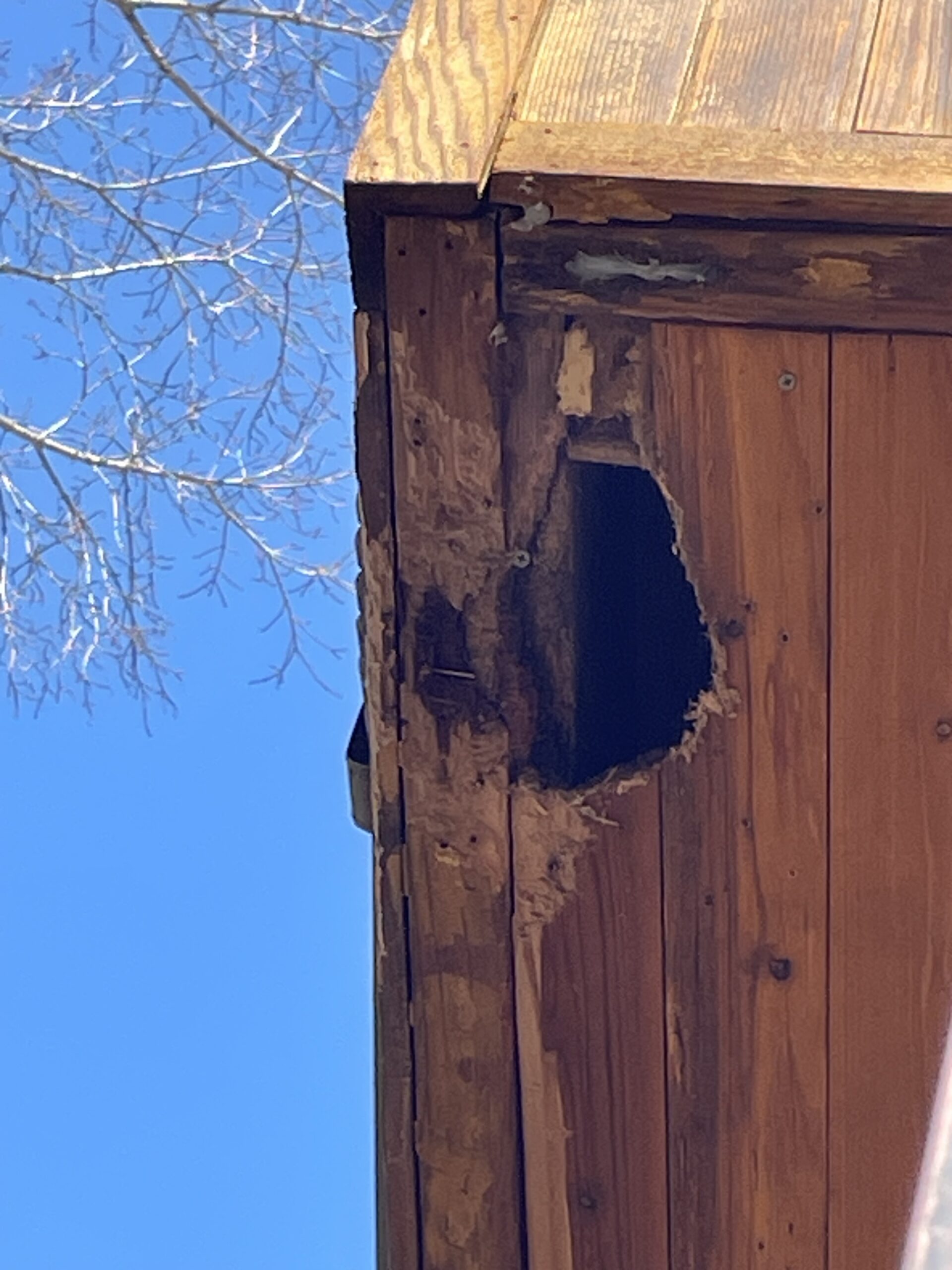
Wildlife Exclusion & Rodent Proofing in East Hampton
Most recurring wildlife and rodent infestations in East Hampton happen because animals continue finding access through hidden openings around the structure.
Older homes, lakefront buildings, garages, sheds, crawlspaces, and attic spaces throughout East Hampton commonly develop entry points from aging construction materials, moisture exposure, settling foundations, roof deterioration, and repeated wildlife activity over time.
Mice, rats, squirrels, bats, raccoons, and flying squirrels often continue returning to the same areas year after year if the structural opening is not properly repaired and reinforced.
Common rodent and wildlife entry points include:
- Roofline gaps and soffit damage
- Attic vents and gable vents
- Crawlspace openings and foundation gaps
- Garage corners and weather stripping gaps
- Loose siding and utility penetrations
- Construction gaps around roof intersections
Many East Hampton homes contain older soffits, fascia boards, roof returns, attic vents, and crawlspaces that wildlife can exploit for shelter and nesting.
Long-term rodent control is usually most effective when trapping, exterior baiting, exclusion work, and structural repairs are combined together.
Common exclusion services include:
- Sealing rodent entry points around the foundation
- Repairing soffits and fascia boards
- Securing attic vents and roofline gaps
- Closing crawlspace and siding openings
- Reinforcing garage and shed entry areas
- Preventing access beneath decks and additions
Wildlife exclusion focuses on solving the structural problem that allowed the infestation to happen in the first place.
Floyd’s Pest & Wildlife Control provides rodent proofing, wildlife exclusion, structural inspections, and long-term prevention services throughout East Hampton and surrounding Middlesex County communities.
Correcting entry points is one of the most important steps in preventing repeat infestations and long-term structural wildlife problems.
Additional Rodent & Wildlife Services in East Hampton, CT
Rodent and wildlife infestations in East Hampton often create problems that continue after the animal itself is removed. Homes near Lake Pocotopaug, wooded neighborhoods, older houses, crawlspaces, basements, attics, garages, sheds, decks, and rural property edges may be left with contamination, odor buildup, damaged insulation, nesting debris, dead animal problems, and recurring structural entry points.
Floyd’s Pest & Wildlife Control also provides cleanup, exclusion, odor control, rodent prevention, and restoration-related services to help address the damage left behind and reduce the chance of repeat wildlife or rodent activity.
Attic Cleanup & Sanitization
Rodents, bats, squirrels, raccoons, and birds can contaminate attic insulation with droppings, urine, guano, nesting debris, odor, and damaged material. Cleanup may be needed after the active animal problem is resolved.
Attic cleanouts, sanitization & insulation removal →Insulation Removal & Replacement
Heavy or long-term infestations may require removal of contaminated insulation and replacement with clean new material. Insulation can be damaged by urine, droppings, guano, nesting activity, tunneling, compression, and odor absorption.
Learn about insulation removal & replacement →Exterior Rodent Baiting
Exterior bait stations help reduce active mouse and rat pressure around garages, sheds, crawlspaces, lake-area homes, wooded properties, residential structures, and exterior foundation areas where rodents continue moving around the building.
Odor Control & Dead Animal Removal
Strong odors inside crawlspaces, garages, basements, attics, wall voids, vents, sheds, or under decks and porches are often caused by wildlife contamination, rodent activity, contaminated insulation, or dead animals hidden inside enclosed areas.
Dead animal removal & odor control →Bird & Nest Removal
Birds commonly nest around rooflines, attic vents, bathroom exhaust vents, dryer vents, soffits, garages, sheds, barns, and older structures throughout East Hampton. Nesting material can block airflow, create odor, and attract insects or mites.
Emergency Wildlife Situations
Emergency calls may involve animals inside living spaces, severe attic infestations, major odor situations, dead animal odor, raccoons with young, rodent outbreaks, or extensive structural and sanitation concerns.
Common Rodent & Wildlife Problems in East Hampton, CT
| Animal | Frequent Problem Areas | Typical Signs | Common Solution |
|---|---|---|---|
| Mice & Rats | Crawlspaces, basements, garages, attics | Droppings, odor, scratching | Rodent control and exclusion |
| Bats | Attics, rooflines, attic vents | Guano, staining, chirping | Bat exclusion and sealing |
| Squirrels | Roof edges and attic spaces | Chewing and movement noises | Trapping and repairs |
| Raccoons | Attics, crawlspaces, garages | Heavy movement and damage | Removal and exclusion |
| Skunks | Decks, porches, foundations | Odor and digging activity | Trapping and den sealing |
| Moles & Voles | Lawns, flower beds, landscaping | Runways, tunnels, plant damage | Vole baiting and mole trapping |
Rodent Control & Wildlife Removal Near East Hampton, CT
Floyd’s Pest & Wildlife Control provides rodent control and wildlife removal throughout East Hampton and nearby Middlesex County communities. Surrounding towns experience similar wildlife pressure because of wooded habitat, lakefront properties, older homes, crawlspaces, wetlands, garages, and suburban residential development throughout central Connecticut.
For broader regional coverage, visit our Middlesex County wildlife removal page.
- Rodent Control East Haddam CT
- Wildlife Removal Haddam CT
- Mouse Control Portland CT
- Bat Removal Middletown CT
- Raccoon Removal Cromwell CT
- Skunk Removal Middlefield CT
- Wildlife Removal Colchester CT
- Squirrel Removal Lebanon CT
- Rodent Control Salem CT
- Wildlife Removal Norwich CT
Rodent & Wildlife Questions in East Hampton, CT
Why are rodent problems common in East Hampton?
Wooded neighborhoods, older homes, garages, crawlspaces, sheds, and nearby forest habitat create ideal conditions for mice and rats throughout East Hampton.
Are rats becoming more common in Middlesex County?
Yes. Rat activity has increased throughout Connecticut because of warmer winters, food sources, dumpsters, garages, bird feeders, and expanding rodent populations.
What kinds of mice are common in East Hampton?
Deer mice and white-footed mice are especially common throughout wooded neighborhoods and frequently enter homes, garages, crawlspaces, and sheds.
Why are flying squirrels common in East Hampton?
Flying squirrels thrive in wooded Connecticut towns and commonly enter attics through roofline openings, attic vents, and small construction gaps.
How do bats enter attic spaces?
Bats commonly enter through ridge vents, attic vents, soffits, roof flashing gaps, and aging roofline construction areas.
Can voles damage landscaping and gardens?
Yes. Voles commonly damage flowers, shrubs, bark, gardens, roots, and ornamental landscaping throughout East Hampton properties.
What is a vole baiting program?
Vole baiting programs help reduce active vole populations before major lawn and landscaping damage spreads throughout the property.
Do you provide rodent proofing and wildlife exclusion?
Yes. Floyd’s Pest & Wildlife Control provides rodent proofing, wildlife exclusion, structural sealing, and prevention services throughout East Hampton and surrounding Middlesex County communities.