Common Rodent and Wildlife Entry Points in Salem Homes
Rodents and wildlife often enter Salem homes through small openings that are easy to overlook. These areas may not look serious from the outside, but they can provide direct access into basements, crawlspaces, attics, garages, sheds, and wall voids.
| Entry Point | Common Animals | Typical Signs |
|---|---|---|
| Foundation gaps | Mice, rats, snakes | Droppings, basement sightings, scratching, odor |
| Crawlspace openings | Rodents, snakes, skunks, raccoons | Odor, droppings, digging, movement sounds |
| Garage corners and door gaps | Mice, rats, squirrels | Chewing, nesting, stored-food damage |
| Utility penetrations | Mice and rats | Droppings near pipes, wires, and exterior lines |
| Soffits and fascia | Squirrels, raccoons, bats | Chewing, staining, attic noises |
| Ridge vents and attic vents | Bats, squirrels | Guano, chirping, scratching, dark staining |
| Decks, sheds, and porches | Skunks, raccoons, woodchucks | Burrows, odor, digging, loose soil |
Rodent Control in Salem, CT
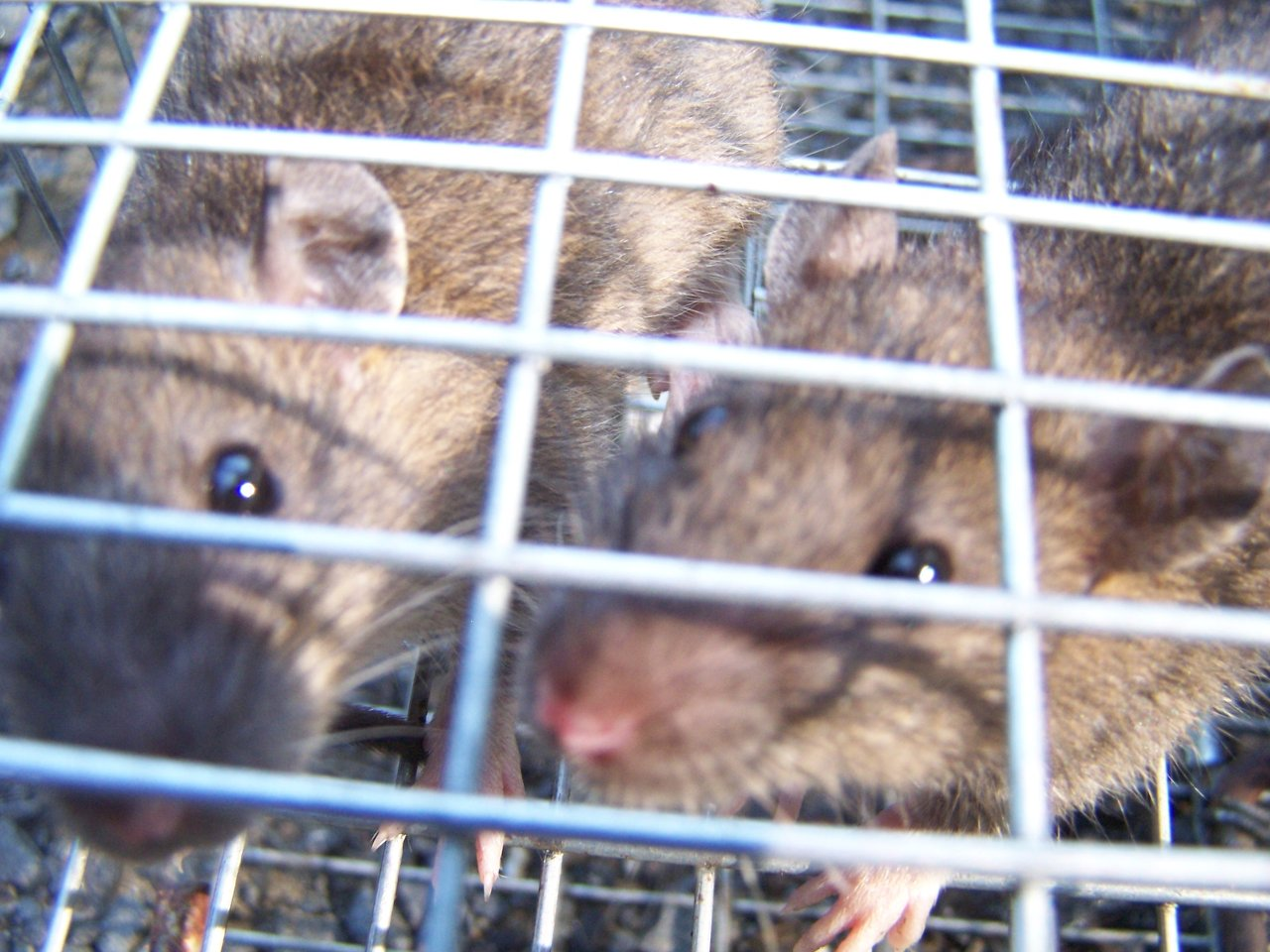
Rodent control is the main focus of this Salem page because mice and rats are one of the most common year-round problems in town. Salem’s wooded lots, older homes, crawlspaces, barns, garages, sheds, and rural property layouts create ideal conditions for rodent activity.
Mice and rats commonly enter through foundation gaps, garage corners, utility penetrations, crawlspace vents, siding gaps, basement openings, and small holes around the structure. Once inside, they can move through walls, insulation, attic spaces, kitchens, garages, and basements.
Common rodent signs include:
- Mouse droppings in kitchens, basements, garages, attics, or crawlspaces
- Scratching or chewing sounds in walls and ceilings
- Mouse sightings inside the home
- Chewed insulation, wires, boxes, or stored materials
- Odor from urine, droppings, and nesting material
- Small gaps around foundations, pipes, vents, garage doors, and utility lines
Why Rodent Problems Keep Coming Back
Rodent problems usually return when the entry points are not sealed. Traps and bait may reduce activity, but if mice can still enter through the foundation, garage, crawlspace, or utility gaps, new rodents can keep moving in.
Effective rodent control in Salem should include inspection, trapping or control where needed, entry point identification, sealing, and cleanup recommendations when droppings or nesting material are present.
Our rodent control services focus on stopping active mouse and rat problems while reducing the conditions that allow them to return.
Bat Removal in Salem, CT
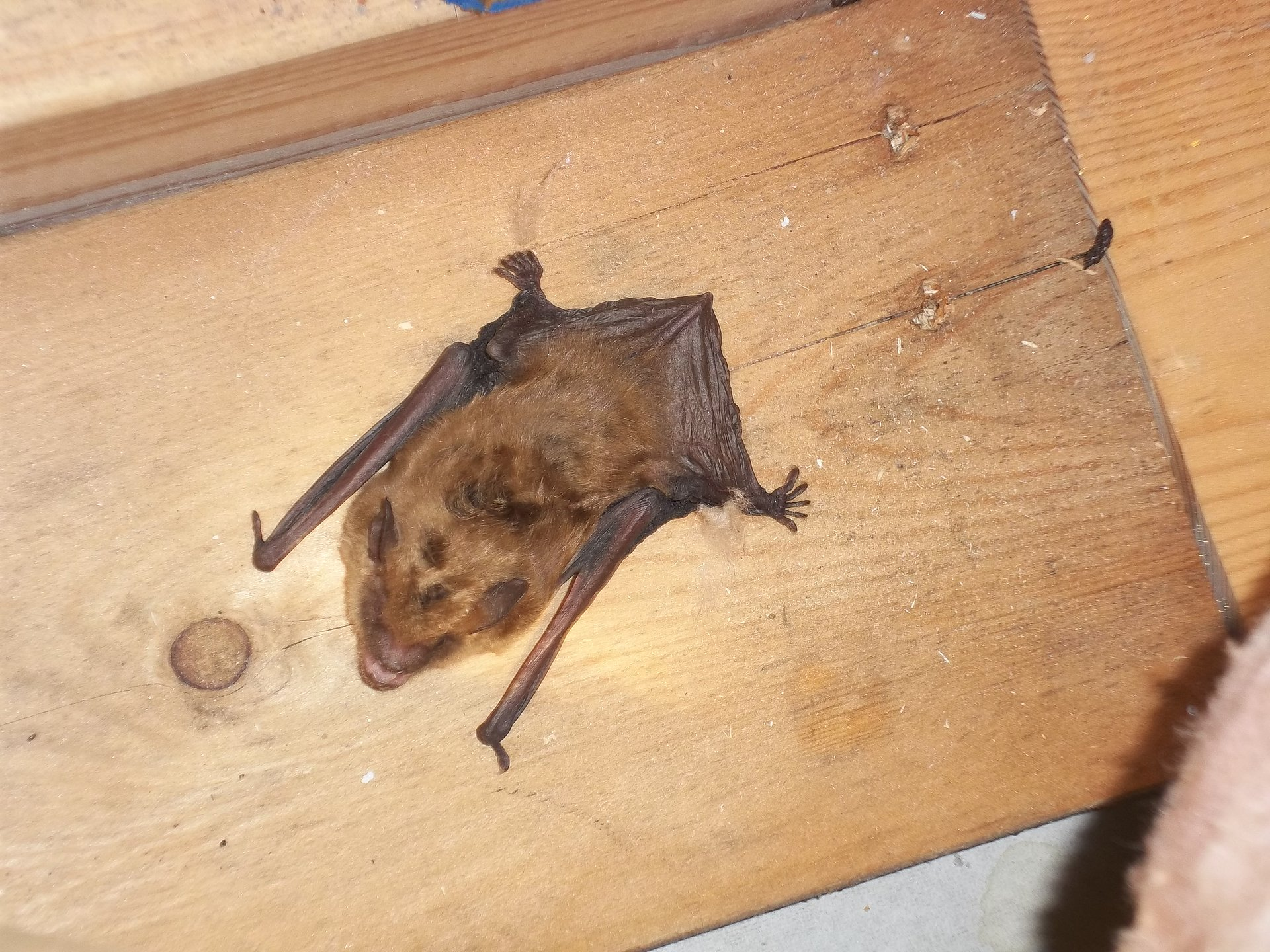
Bats are common in Salem homes, especially around wooded properties, older houses, barns, attics, and rooflines with small openings. Bats can enter through narrow gaps along ridge vents, soffits, gable vents, fascia, roof returns, and attic vent openings.
Once bats find access to a structure, they may return to the same location year after year. A small roofline gap can become a recurring bat entry point if it is not identified and sealed correctly.
Signs of bat activity include:
- Bats seen entering or exiting near dusk
- Guano below roofline openings or attic areas
- Dark staining around vents, soffits, or roof gaps
- Chirping, scratching, or movement sounds
- Odor or contamination in attic spaces
Bat removal should be handled through proper exclusion. The bats need to be allowed out safely, and the structure needs to be sealed so they cannot re-enter.
Learn more about our bat removal services.
Raccoon Removal in Salem, CT
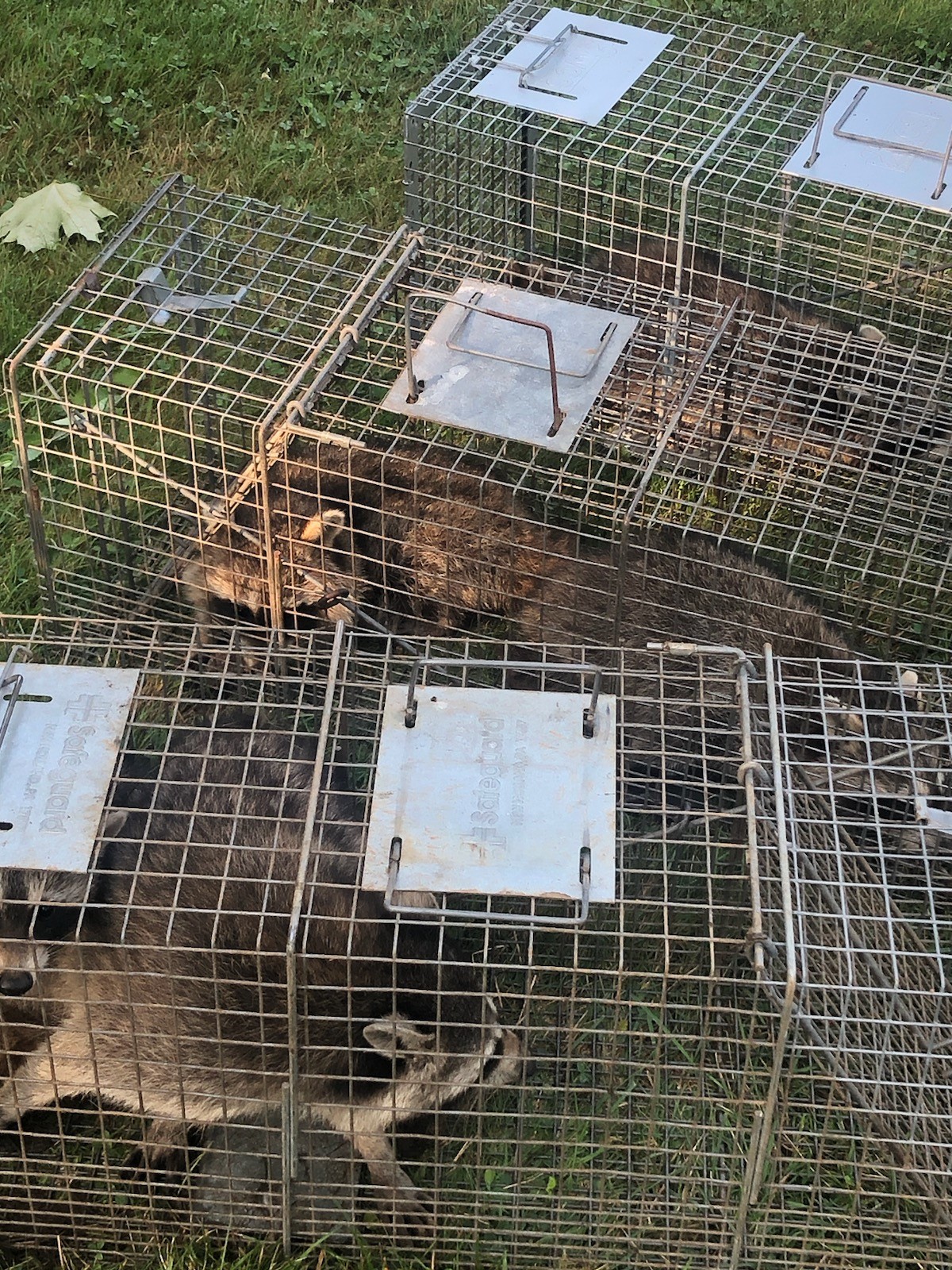
Raccoons are common around Salem homes, wooded lots, barns, garages, sheds, chimneys, and attic spaces. They are strong animals that can tear open weak soffits, vents, fascia boards, chimney areas, and roof returns to create a den site.
In Salem, raccoon problems often increase around rural and wooded properties where animals have easy cover and access to structures. Once inside, raccoons can damage insulation, contaminate attic spaces, and expand entry openings.
Common signs of raccoon activity include:
- Loud movement or thumping at night
- Torn soffits, damaged vents, or widened openings
- Raccoons entering attics, chimneys, sheds, or crawlspaces
- Droppings, urine, odor, and damaged insulation
- Nesting material or debris inside the structure
Raccoon removal should include inspection, humane trapping, removal of young if present, repair of damaged entry points, and sealing to prevent the structure from being reused.
Learn more about our raccoon removal services.
Snake Removal in Salem, CT
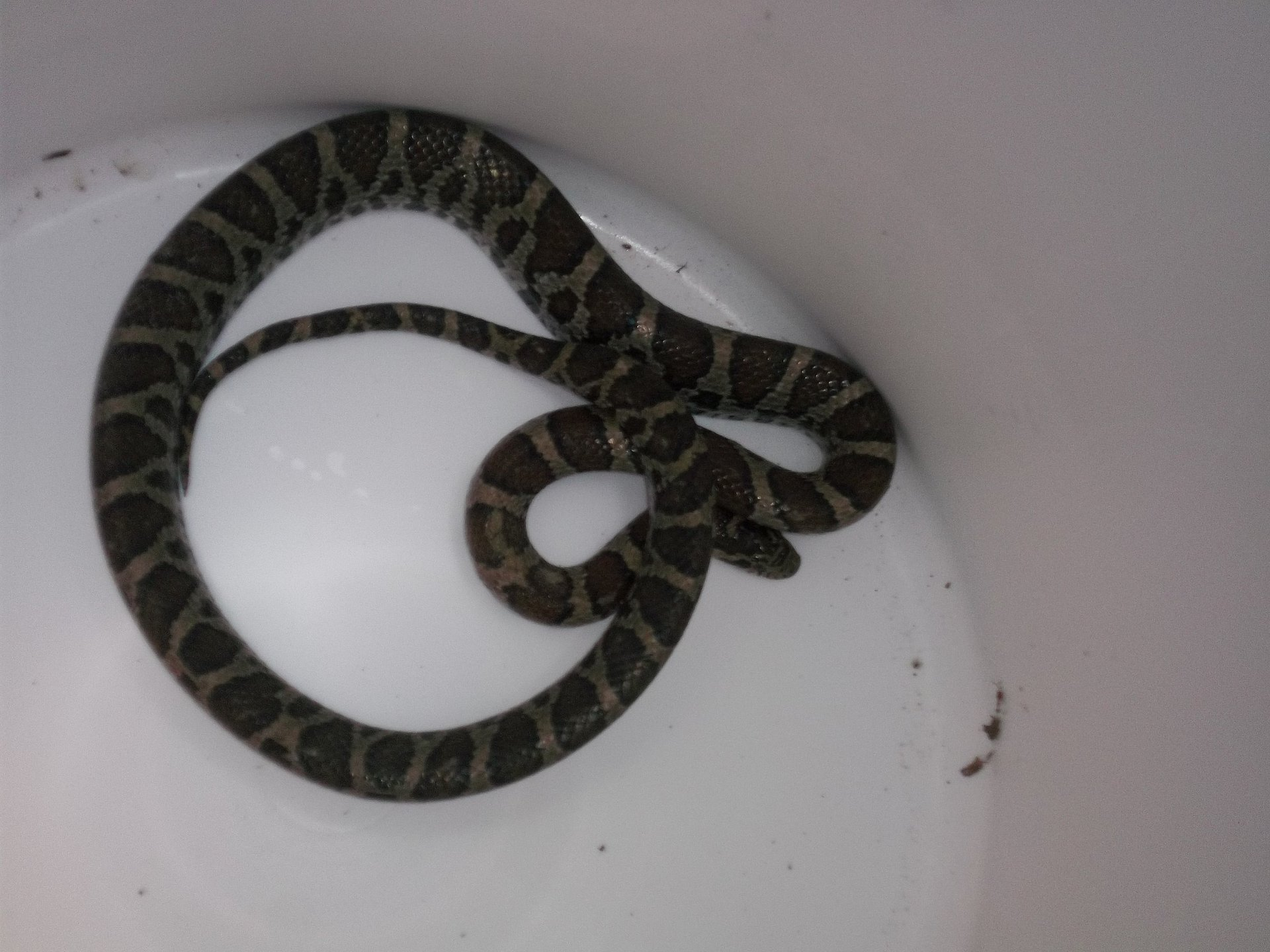
Snakes are commonly found around Salem homes with wooded lots, wetlands, stone walls, crawlspaces, basements, sheds, woodpiles, and rodent activity. In many cases, a snake sighting is connected to mice or other small animals around the home.
Most snakes around Connecticut homes are non-venomous, but finding one inside a basement, garage, crawlspace, or living space can still be alarming. The bigger issue is often the access point or food source that brought the snake close to the structure.
Common snake problem areas include:
- Basements and crawlspaces
- Foundation cracks and gaps
- Stone walls and shaded landscaping
- Garages, sheds, and woodpiles
- Areas with mouse or rodent activity
Snake removal should focus on safe removal, identifying how the snake entered, sealing gaps, and addressing rodent conditions that may be attracting snakes.
Learn more about our snake removal services.
Skunk Removal in Salem, CT
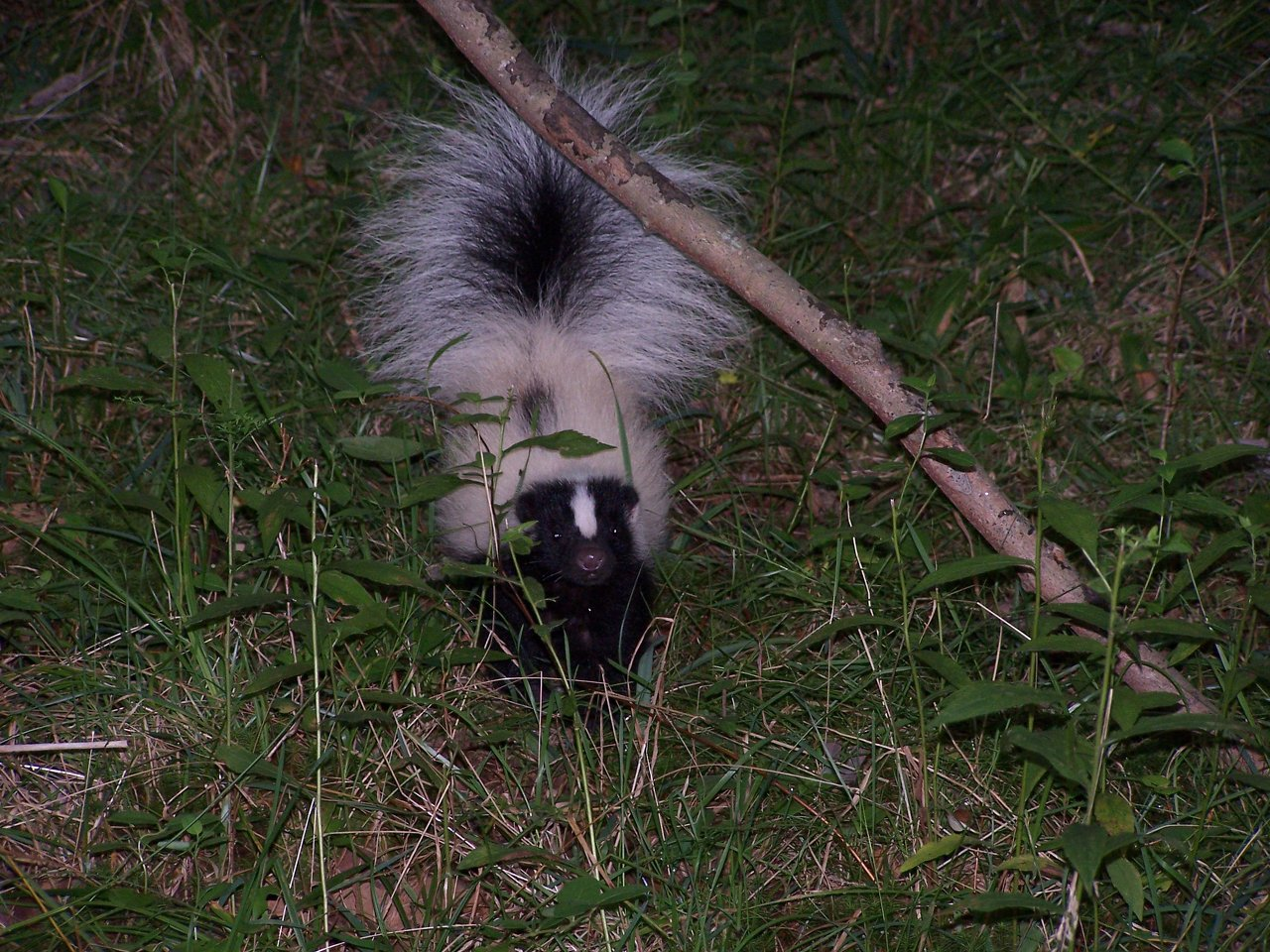
Skunks commonly den under decks, sheds, porches, steps, additions, and crawlspace edges in Salem. These areas provide quiet shelter close to lawns, wooded edges, gardens, and food sources.
Most skunk problems begin when an animal finds an open area beneath a structure. Once a den is established, the skunk may continue using the site, and the odor can become a major problem around the home.
Signs of skunk activity include:
- Strong skunk odor near the house, deck, shed, or foundation
- Burrow openings under structures
- Digging in lawns and landscaped areas
- Pets being sprayed near the property
- Loose soil around decks, porches, and crawlspace edges
Proper skunk removal involves identifying the active den site, removing the animal safely, and closing off the area so another skunk cannot move in later.
Learn more about our skunk removal services.
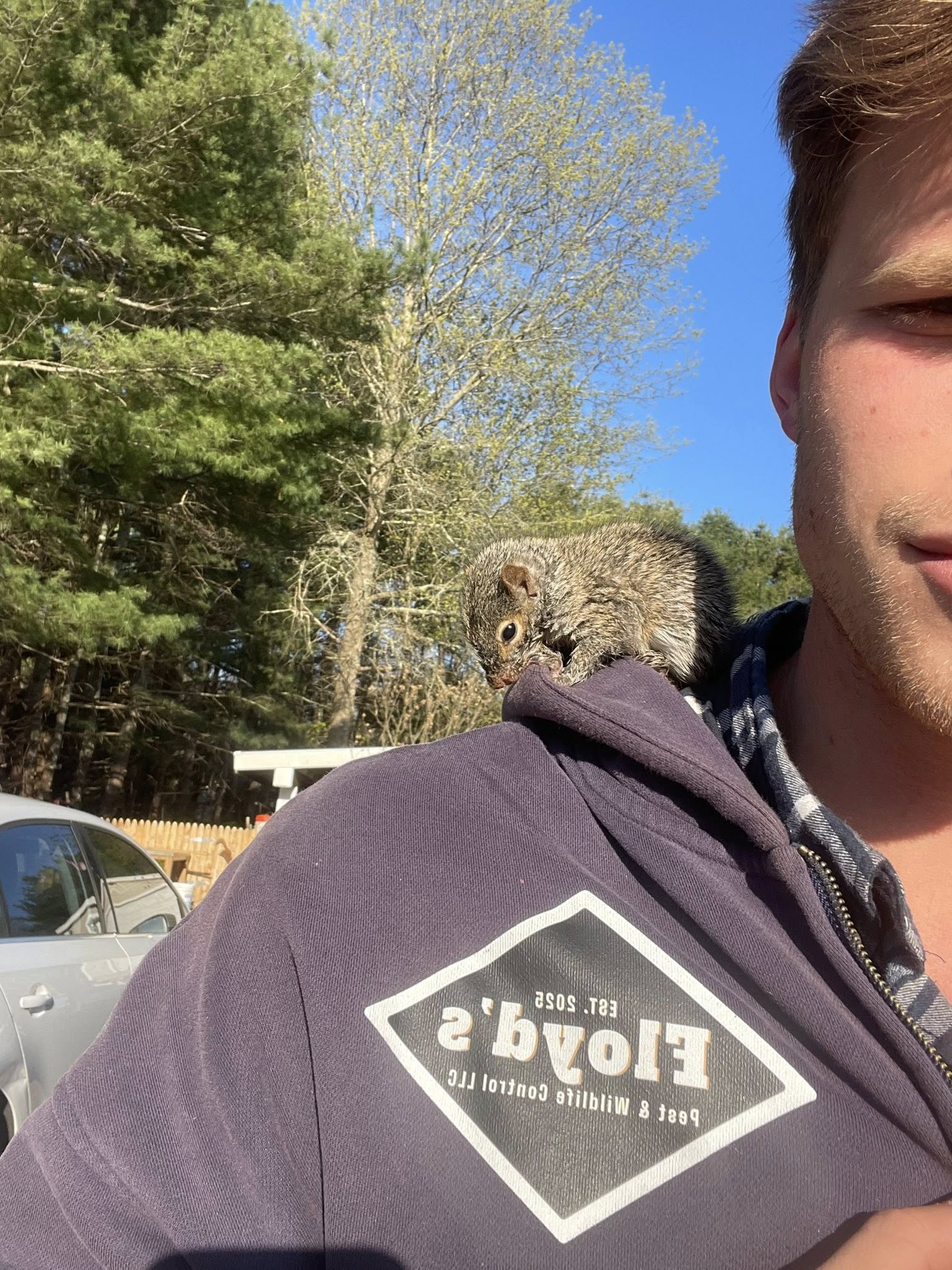
Squirrel Removal in Salem, CT
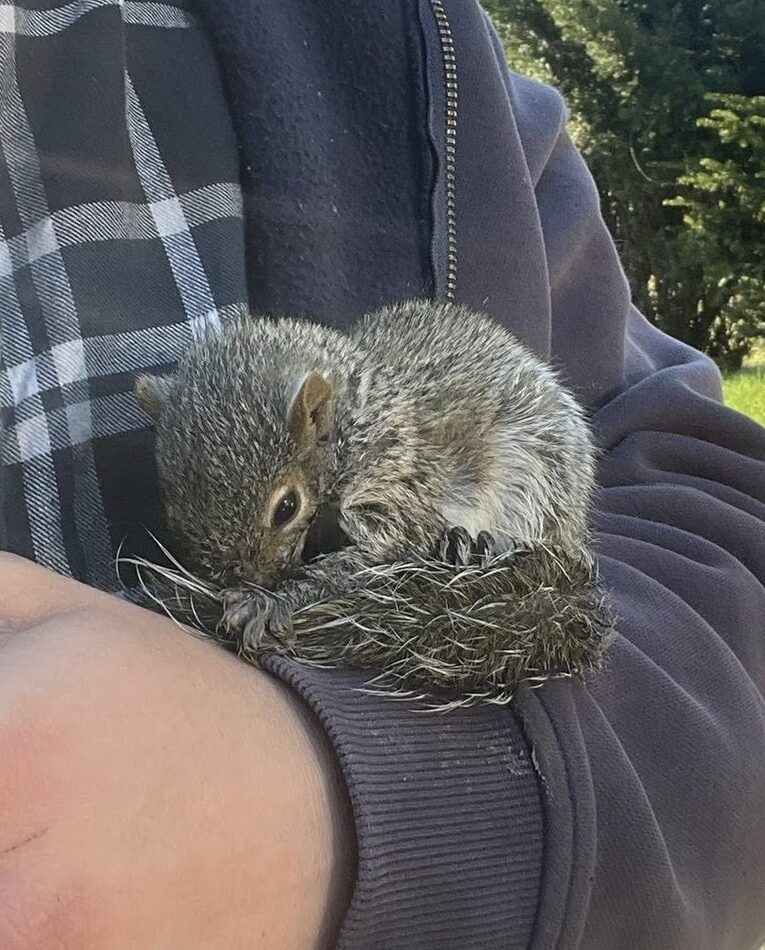
Squirrels are common in Salem homes because many properties have tree coverage close to rooflines. Once squirrels reach the roof, they can chew into soffits, fascia boards, vents, and roof edges to create access into the attic.
Inside the attic, squirrels can nest in insulation, chew wiring, damage vents, and create repeated scratching or running sounds during the day. If the entry point is not repaired, squirrels may continue using the same structure.
Common signs include:
- Daytime scratching or running sounds in the attic
- Chewed soffits, fascia, vents, or roofline openings
- Nesting material in attic insulation
- Visible entry holes along the roofline
- Squirrels repeatedly seen on the roof
Squirrel removal should include removing the active animals, inspecting the roofline, repairing damaged entry points, and reinforcing vulnerable areas to prevent re-entry.
Learn more about our squirrel removal services.
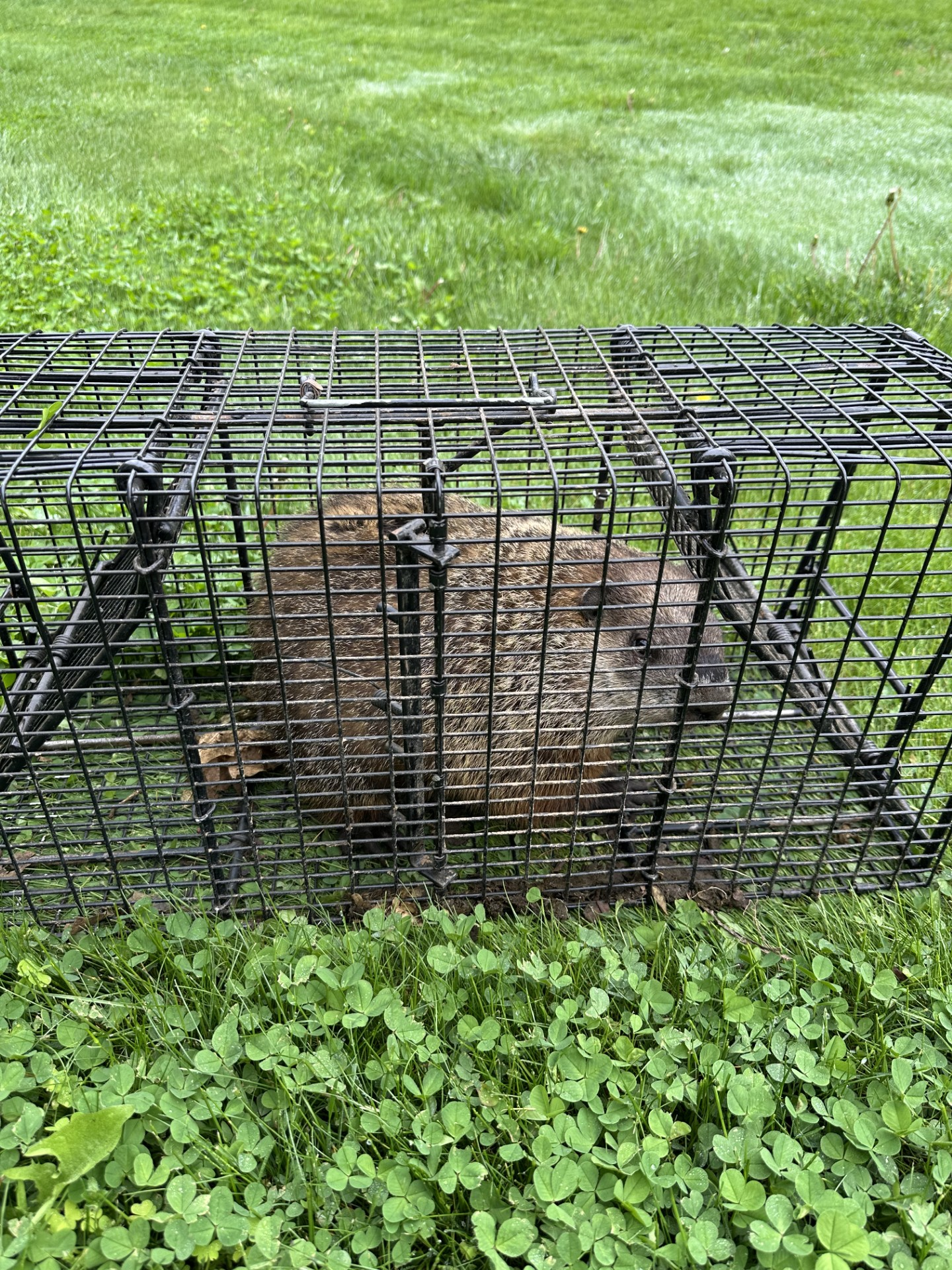
Woodchuck Removal in Salem, CT
Woodchucks are common on Salem properties with open lawns, gardens, fields, barns, sheds, fences, stone walls, and landscaped edges. Their burrows can cause problems when tunnel systems develop near foundations, patios, sheds, decks, retaining walls, and pastures.
Most woodchuck problems appear as one large hole, but that visible opening is usually part of a larger underground burrow system. These tunnels can remove soil support and create soft or unstable areas around the property.
Signs of woodchuck activity include:
- Large burrow openings near structures or landscaping
- Loose soil around foundations, sheds, decks, or fences
- Damage to gardens, lawns, and plants
- Soft or sinking ground near burrow systems
- Woodchucks seen feeding during the day
Woodchuck removal should include locating active burrows, removing the animal, and addressing the tunnel system so the area is not reused.
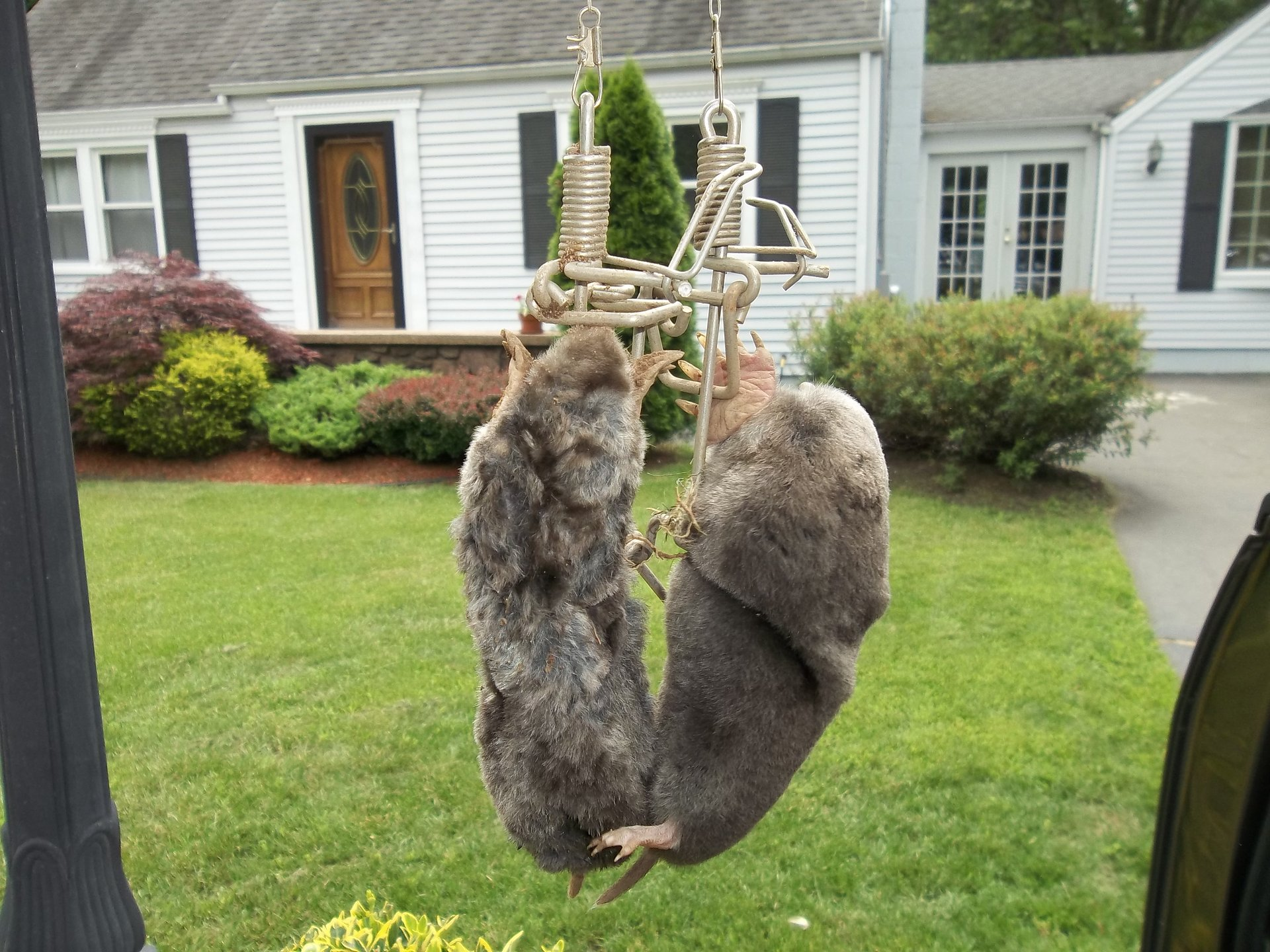
Mole & Vole Control in Salem, CT
Moles and voles cause different types of lawn damage, but both are common on Salem properties with lawns, gardens, fields, wooded edges, landscaped beds, and soft soil conditions.
Moles tunnel underground while feeding, creating raised ridges, soft ground, and damaged turf. Voles create surface runways and can damage grass, plant roots, shrubs, gardens, and landscaping.
Common signs include:
- Raised mole tunnels across the lawn
- Soft or uneven ground
- Surface runways from vole activity
- Damage around gardens, shrubs, and landscaped beds
- Dead grass or root damage
Effective control starts with identifying whether the damage is from moles, voles, or another animal. Once the activity is identified, the correct control method can be used.
Learn more about our mole and vole control services.
Additional Rodent & Wildlife Services in Salem, CT
Many rodent and wildlife problems in Salem leave behind more than an active animal issue. Attics, crawlspaces, garages, sheds, older homes, wooded lots, and rural structures may be left with contamination, odor, damaged insulation, nesting debris, dead animal problems, and recurring entry points that need to be corrected after the infestation is handled.
Bird & Nest Removal
Birds may nest in vents, soffits, exhaust openings, signs, sheds, barns, garages, and roofline gaps around Salem properties. Nesting material can block airflow, create odor, and attract insects or mites.
Wildlife Exclusion & Entry Point Sealing
Exclusion focuses on sealing foundation gaps, soffits, roof returns, vents, crawlspaces, garage corners, utility openings, shed gaps, and other structural access points that allow animals inside.
Attic Cleanouts & Sanitization
Rodents, bats, raccoons, squirrels, and birds can leave behind droppings, urine, guano, nesting debris, odor, damaged insulation, and contaminated material inside attic spaces.
Attic cleanouts, sanitization & insulation removal →Insulation Removal & Replacement
Wildlife and rodent activity can damage attic insulation through nesting, contamination, urine, droppings, guano, odor absorption, and compressed or torn areas.
Learn about insulation removal & replacement →Odor Control & Dead Animal Removal
Persistent odor may come from droppings, urine, nesting material, den sites, contaminated insulation, or dead animals hidden inside walls, attics, crawlspaces, vents, basements, garages, sheds, or under decks and porches.
Dead animal removal & odor control →Emergency Wildlife Removal Services
Emergency wildlife situations can include animals inside living spaces, active attic infestations, strong odors, dead animal odor, raccoons with young, rodent outbreaks, or immediate safety and structural concerns.
Wildlife Exclusion and Prevention in Salem
Rodent and wildlife problems usually come back when the structure remains open. Exclusion is the process of finding and correcting the gaps, holes, vents, seams, and weak points that allow animals into the building.
In Salem homes, exclusion often involves sealing or reinforcing:
- Foundation gaps and utility penetrations
- Garage corners and door gaps
- Crawlspace vents and basement openings
- Soffits, fascia, and roof returns
- Ridge vents, gable vents, and attic vents
- Deck, shed, and porch openings
This is especially important for rodent control. If mice can still enter around the foundation, garage, crawlspace, or utility lines, the problem can continue even after trapping or baiting.
Long-term wildlife control means solving the access problem, not just removing the animal.
Summary Table: Common Rodent & Wildlife Problems in Salem, CT
| Animal | Common Problem Areas | Typical Signs | Common Solution |
|---|---|---|---|
| Mice & Rats | Foundations, attics, garages, crawlspaces | Droppings, scratching, chewing, odor | Rodent control, exclusion, sealing entry points |
| Bats | Attics, ridge vents, soffits | Guano, chirping, staining, attic activity | Bat exclusion and sealing |
| Raccoons | Attics, chimneys, sheds | Heavy movement, torn openings, contamination | Humane trapping and exclusion |
| Snakes | Basements, crawlspaces, stone walls | Indoor sightings, shed skins | Removal, rodent control, and gap sealing |
| Skunks | Under decks, sheds, porches | Odor, burrows, digging | Trapping and den exclusion |
| Squirrels | Rooflines, soffits, attics | Chewing, attic noises, nesting | Removal, repairs, reinforcement |
| Moles & Voles | Lawns and landscaped areas | Tunnels, soft ground, lawn damage | Targeted control and trapping |
Rodent Control & Wildlife Removal Near Salem, CT
Floyd’s Pest & Wildlife Control provides rodent control and wildlife removal in Salem and surrounding areas of New London County. Nearby towns often have similar wildlife pressure because of wooded lots, wetlands, older homes, farms, crawlspaces, garages, sheds, barns, and rural residential development.
For broader regional coverage, visit our New London County wildlife removal page.
Rodent & Wildlife Questions in Salem, CT
Why are mice so common in Salem homes?
Salem has wooded lots, older homes, barns, crawlspaces, sheds, garages, and foundation gaps that allow mice to enter structures throughout the year.
How do rodents get into homes in Salem?
Mice and rats commonly enter through foundation gaps, garage corners, utility penetrations, crawlspace vents, basement openings, and small holes around the structure.
Why do rodent problems keep coming back?
Most repeat infestations happen because entry points were never sealed. Trapping or baiting can reduce activity, but exclusion is needed to help stop new rodents from entering.
Are bats common in Salem attics?
Yes. Bats commonly enter through ridge vents, soffit gaps, fascia gaps, roof returns, and attic vent openings, especially on older homes and wooded properties.
Why are snakes showing up around my house?
Snakes are often attracted by rodent activity, stone walls, crawlspaces, wetlands, woodpiles, and foundation gaps that provide shelter and food sources.
Can raccoons damage a house?
Yes. Raccoons can tear open soffits, fascia boards, vents, roof edges, and chimney areas to gain access into attics and enclosed spaces.
What attracts skunks to a property?
Skunks are attracted to open areas beneath decks, sheds, porches, crawlspaces, and steps where they can create protected den sites.
What is the difference between mole and vole damage?
Moles create underground tunnels and raised ridges while feeding. Voles create surface runways and damage grass, roots, gardens, and landscaping.
Do you offer attic cleanup after rodent or wildlife infestations?
Yes. Attic cleanup may include removing contaminated insulation, nesting material, droppings, urine contamination, odor sources, and damaged materials after rodent or wildlife activity.
What is wildlife exclusion?
Wildlife exclusion means sealing entry points and reinforcing vulnerable areas so rodents and wildlife cannot continue entering the structure.