Why Rodent and Wildlife Problems Are Common in Norwich
Norwich has some of the heaviest rodent and wildlife pressure in southeastern Connecticut because of its mix of older neighborhoods, multifamily housing, commercial areas, river corridors, wooded sections, aging infrastructure, crawlspaces, basements, garages, and dense development patterns throughout the city.
The city sits at the junction of the Yantic, Shetucket, and Thames River systems, creating constant wildlife movement through Norwich neighborhoods and commercial areas. Wetlands, wooded corridors, abandoned stone walls, overgrown lots, drainage areas, and riverside habitat all contribute to strong populations of mice, rats, bats, raccoons, squirrels, skunks, snakes, and other nuisance wildlife.
Areas around Taftville, Greeneville, Norwichtown, Thamesville, East Great Plain, Laurel Hill, and sections near downtown Norwich commonly experience recurring rodent and wildlife issues because many structures are older and closely spaced together. Mice and rats can easily move between neighboring buildings, garages, sheds, alleyways, crawlspaces, dumpsters, retaining walls, and utility corridors.
Floyd’s Pest & Wildlife Control works throughout Norwich on rodent infestations, rat problems, bat colonies, attic wildlife issues, raccoon entry damage, squirrel infestations, crawlspace activity, exclusion projects, contamination cleanup, and recurring structural entry-point problems involving homes, apartments, garages, sheds, commercial buildings, and multifamily properties.
Norwich has a large number of older homes and buildings with aging rooflines, deteriorating soffits, loose fascia boards, open vents, basement gaps, stone foundations, crawlspace openings, and attic access points that wildlife can exploit. Bats commonly use roofline gaps and attic vents, squirrels chew into soffits and fascia boards, raccoons target weak roof edges and attic openings, and rodents enter through tiny foundation or utility gaps that are often difficult to notice.
In denser sections of Norwich, rodent pressure can remain constant because food sources, dumpsters, abandoned debris, older sewer infrastructure, overgrown vegetation, and tightly packed buildings create ideal conditions for mice and rats to survive close to homes and businesses year-round.
- Older homes, apartments, and multifamily buildings commonly develop rodent and wildlife entry points over time.
- Dense neighborhoods and closely spaced structures allow mice and rats to spread quickly between properties.
- The Yantic, Shetucket, and Thames River corridors create steady wildlife movement throughout Norwich.
- Crawlspaces, basements, attics, garages, and sheds provide shelter for rodents and nuisance wildlife.
- Rooflines, vents, soffits, fascia boards, and attic openings are common access points for bats, squirrels, and raccoons.
- Commercial areas, dumpsters, overgrown lots, and aging infrastructure contribute to heavy rodent activity in some parts of the city.
Many rodent and wildlife issues in Norwich become recurring structural problems rather than isolated animal encounters. Long-term control depends on identifying how animals are entering the structure, correcting the entry points, and reducing the conditions that allow infestations to continue.
Common Rodent and Wildlife Entry Points in Norwich Homes & Buildings
| Entry Point | Common Animals | Typical Signs |
|---|---|---|
| Foundation and utility gaps | Mice, rats, snakes | Droppings, odor, scratching, chewing |
| Crawlspace vents and basement openings | Rodents, skunks, raccoons | Burrows, odor, movement beneath structure |
| Garage doors and detached garages | Mice, rats, squirrels | Nesting, contamination, chewing damage |
| Soffits, fascia, and roof returns | Squirrels, raccoons, bats | Chewing, staining, attic noises |
| Attic vents and ridge vents | Bats, squirrels | Guano, scratching, chirping sounds |
| Decks, porches, sheds, and additions | Skunks, woodchucks | Digging, burrows, odor |
Rodent Control in Norwich, CT
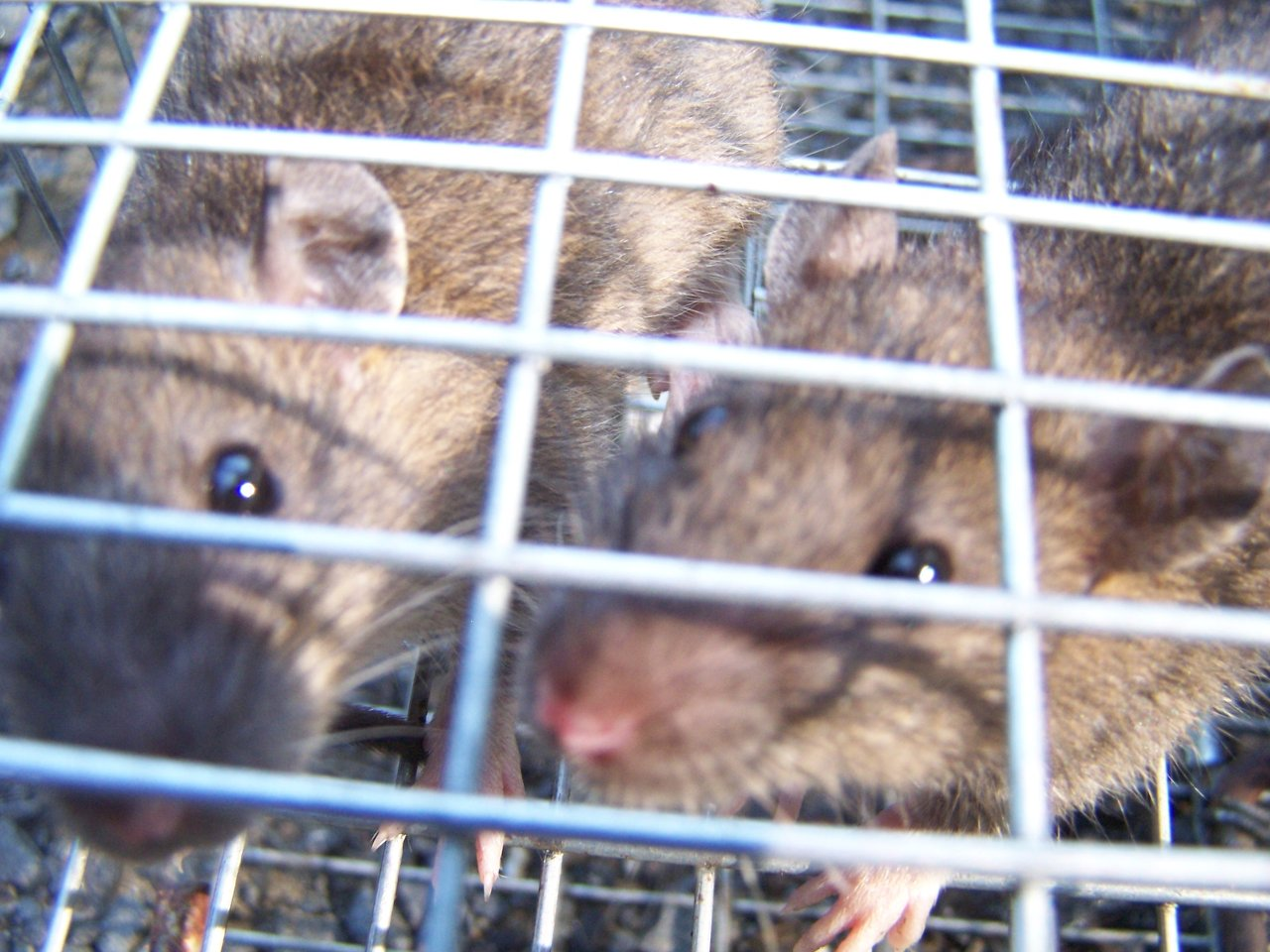
Rodent control is one of the highest-demand pest and wildlife services in Norwich because the city has the exact conditions mice and rats need to survive: older housing, multifamily buildings, tight neighborhoods, basements, crawlspaces, garages, restaurants, dumpsters, commercial properties, wooded edges, river corridors, and aging construction that often leaves small access points around the structure.
Norwich has a mix of historic homes, apartment buildings, downtown properties, older foundations, attached structures, and densely built neighborhoods where rodent problems can spread quickly. Mice and rats do not need a large opening to get inside. Small foundation gaps, pipe penetrations, garage corners, crawlspace vents, deteriorated siding, basement openings, gaps around bulkheads, and roofline entry points can all allow rodents to move into living spaces, walls, ceilings, attics, basements, and storage areas.
Rodent problems in Norwich are often more serious than a single mouse running across the floor. Once mice or rats find food, shelter, warmth, and access to hidden voids, they can establish nesting activity inside the structure. Droppings, urine, nesting material, grease marks, chewing damage, and odor can build up behind cabinets, in insulation, along sill plates, inside garages, above finished ceilings, and in hard-to-reach crawlspace or attic areas.
Why Mice and Rats Are So Common in Norwich Homes and Buildings
Rodents thrive in areas where food, cover, moisture, and access points are close together. In Norwich, activity is commonly found around older neighborhoods, rental properties, restaurant areas, dumpsters, sheds, garages, chicken coops, stone foundations, cluttered basements, wooded property edges, and buildings with deferred maintenance.
Norway rats are commonly associated with exterior food sources, garbage, dumpsters, pet food, bird seed, compost, backyard chickens, crawlspaces, and burrowing activity around foundations or slabs. Mice are more likely to move through small gaps and establish activity inside walls, kitchens, attics, basements, garages, and insulation.
Because many Norwich properties are close together, rodents can also move between neighboring structures, garages, sheds, retaining walls, overgrown fence lines, and shared food sources. One property may have the nesting area while another property has the food source. That is why a complete rodent program needs to look beyond the mouse seen inside the house.
Common Signs of Rodent Activity
Homeowners and property managers in Norwich often discover rodent problems after noticing one or more of the following warning signs:
- Mouse droppings in kitchens, pantries, basements, attics, garages, utility rooms, or storage areas
- Rat droppings around garages, crawlspaces, dumpsters, sheds, foundations, or exterior feeding areas
- Scratching, chewing, or movement sounds inside walls, ceilings, floors, or attic spaces
- Chewed wiring, insulation, stored boxes, food packaging, plastic, wood, or flexible utility lines
- Urine odor, musty smells, or heavy contamination in hidden areas
- Grease marks or dark rub marks along baseboards, pipes, walls, and travel routes
- Small openings around foundations, utility penetrations, garage trim, crawlspace vents, or basement doors
- Burrows near foundations, slabs, sheds, dumpsters, chicken coops, or landscaped edges
- Pets reacting to walls, cabinets, appliances, or basement areas
- Repeated rodent sightings even after traps or bait have been used
Trapping or Baiting Alone Does Not Solve the Entry Problem
One of the biggest reasons rodent problems keep coming back is because the structure remains open. Traps and bait stations can reduce active mice or rats, but they do not correct the reason rodents are getting inside in the first place.
If gaps around the foundation, utility lines, siding, garage corners, crawlspace vents, bulkheads, rooflines, or basement openings are left unsealed, new rodents can continue entering the building. This is especially important in Norwich neighborhoods where older construction, stone foundations, attached garages, commercial food sources, and nearby rodent pressure can keep activity going year after year.
A real rodent control plan should answer three questions:
- Where are the mice or rats active right now?
- How are they getting into the structure?
- What needs to be corrected to help prevent the problem from returning?
Floyd’s Rodent Control Process in Norwich
Floyd’s Pest & Wildlife Control provides rodent control programs in Norwich that focus on inspection, population reduction, access-point identification, prevention, and cleanup recommendations when contamination is present.
Depending on the structure and level of activity, service may include:
- Interior and exterior rodent inspection
- Identification of mouse or rat activity
- Inspection of foundations, basements, crawlspaces, garages, attics, utility lines, and roofline areas
- Strategic trapping programs
- Exterior baiting programs where appropriate
- Rodent entry-point sealing and exclusion recommendations
- Sanitation and food-source recommendations
- Advice for dumpsters, bird seed, pet food, compost, chicken coops, and exterior attractants
- Follow-up service for recurring or heavy infestations
- Cleanup and contamination recommendations for droppings, urine, nesting debris, and damaged insulation
Mouse and Rat Problems Can Damage More Than Food Packaging
Rodents are destructive because they constantly gnaw, contaminate hidden areas, and travel through the same routes repeatedly. In Norwich homes and buildings, mice and rats may chew insulation, wiring, stored belongings, flexible lines, weather stripping, garage trim, sill areas, and materials inside wall voids or attic spaces.
Heavy rodent activity can also leave behind droppings, urine staining, nesting material, odor, and contaminated insulation. In some cases, property owners do not realize how widespread the problem is until insulation is moved, basement storage is cleaned out, or attic areas are inspected.
For long-term control, the goal is not just to catch the rodents currently inside. The goal is to reduce the active population, find the entry points, correct access where possible, and reduce the conditions that are attracting rodents to the property.
Floyd’s Pest & Wildlife Control provides professional rodent inspections, mouse control, rat control, trapping programs, baiting programs, exclusion work, entry-point sealing, sanitation recommendations, and long-term prevention services throughout Norwich, CT.
Our rodent control services are designed to identify how rodents are entering, reduce active infestations, and help protect Norwich homes, apartments, garages, basements, crawlspaces, attics, and commercial properties from recurring mouse and rat activity.
Bat Removal in Norwich, CT
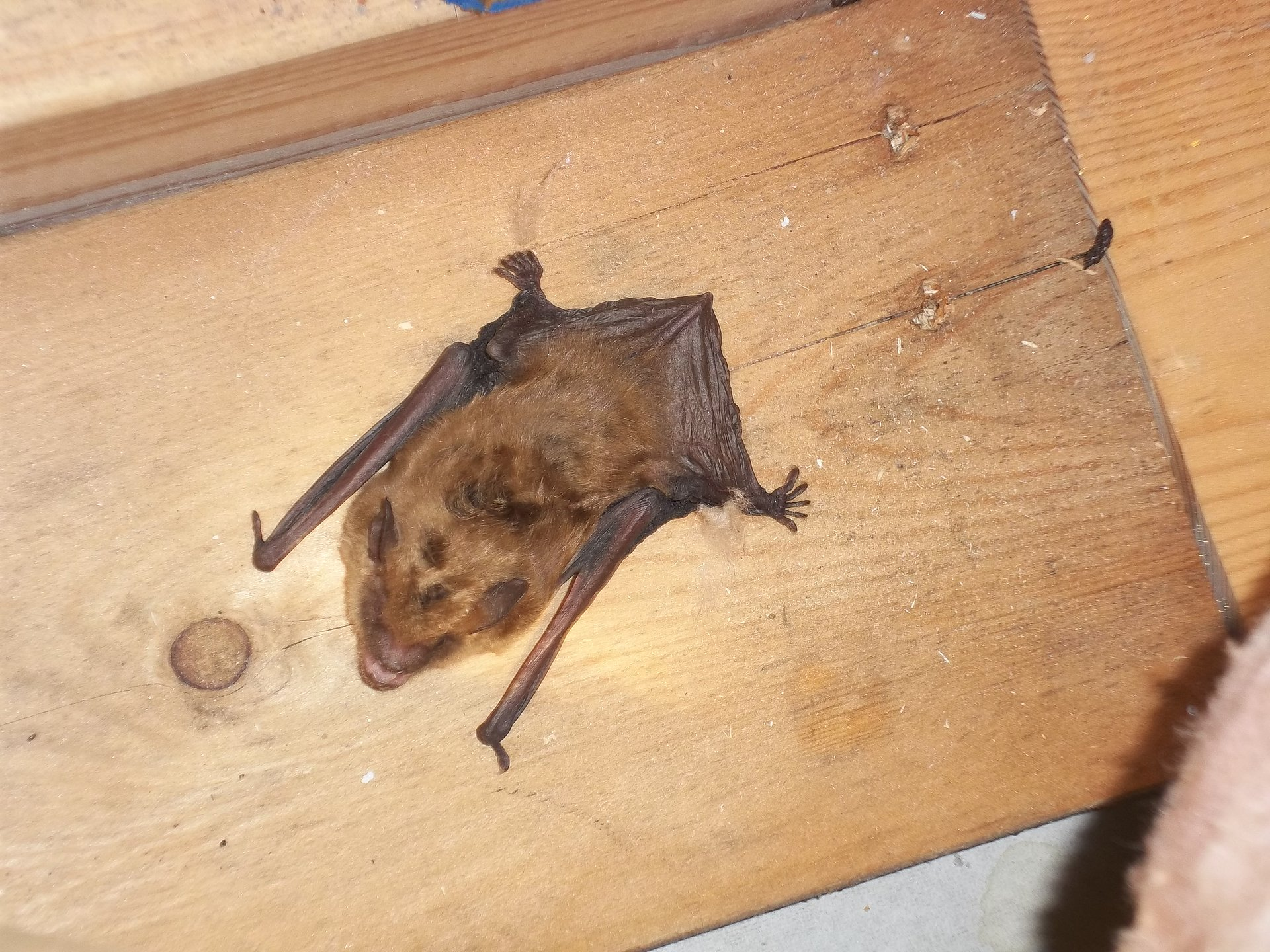
Bat removal is common in Norwich because the city has a large number of older homes, multifamily buildings, attics, churches, garages, commercial structures, and aging rooflines that create ideal roosting conditions for bats.
Bats often enter Norwich structures through ridge vents, soffits, roof returns, attic vents, fascia gaps, construction seams, and small openings near upper rooflines. Many of these gaps are difficult to see from the ground, especially on older buildings with aging materials.
Areas near wooded sections, wetlands, river corridors, and older neighborhoods frequently experience recurring bat activity because bats feed heavily around water sources and tree cover before returning to attic spaces and roosting areas.
Once bats establish a colony inside an attic or wall void, they may continue returning to the same structure season after season unless the building is properly excluded and sealed.
Common bat entry points in Norwich homes and buildings include:
- Ridge vents and roof peak gaps
- Soffit and fascia openings
- Gable vents and attic louvers
- Roof returns and siding seams
- Loose flashing and upper roofline gaps
- Church steeples, older barns, and commercial rooflines
Common signs of bat activity include:
- Guano buildup below roofline openings or attic vents
- Dark staining around soffits, fascia, or vent areas
- Bats seen flying near the structure at dusk
- Chirping or scratching sounds in walls or attics
- Strong odor or contamination inside enclosed attic spaces
Bat removal should focus on proper exclusion and structural sealing rather than trapping. The goal is to allow the bats to leave safely while preventing them from re-entering the building.
Floyd’s Pest & Wildlife Control provides bat inspections, exclusion work, entry-point sealing, guano cleanup recommendations, and bat prevention services throughout Norwich.
Learn more about our bat removal services.
Squirrel Removal in Norwich, CT
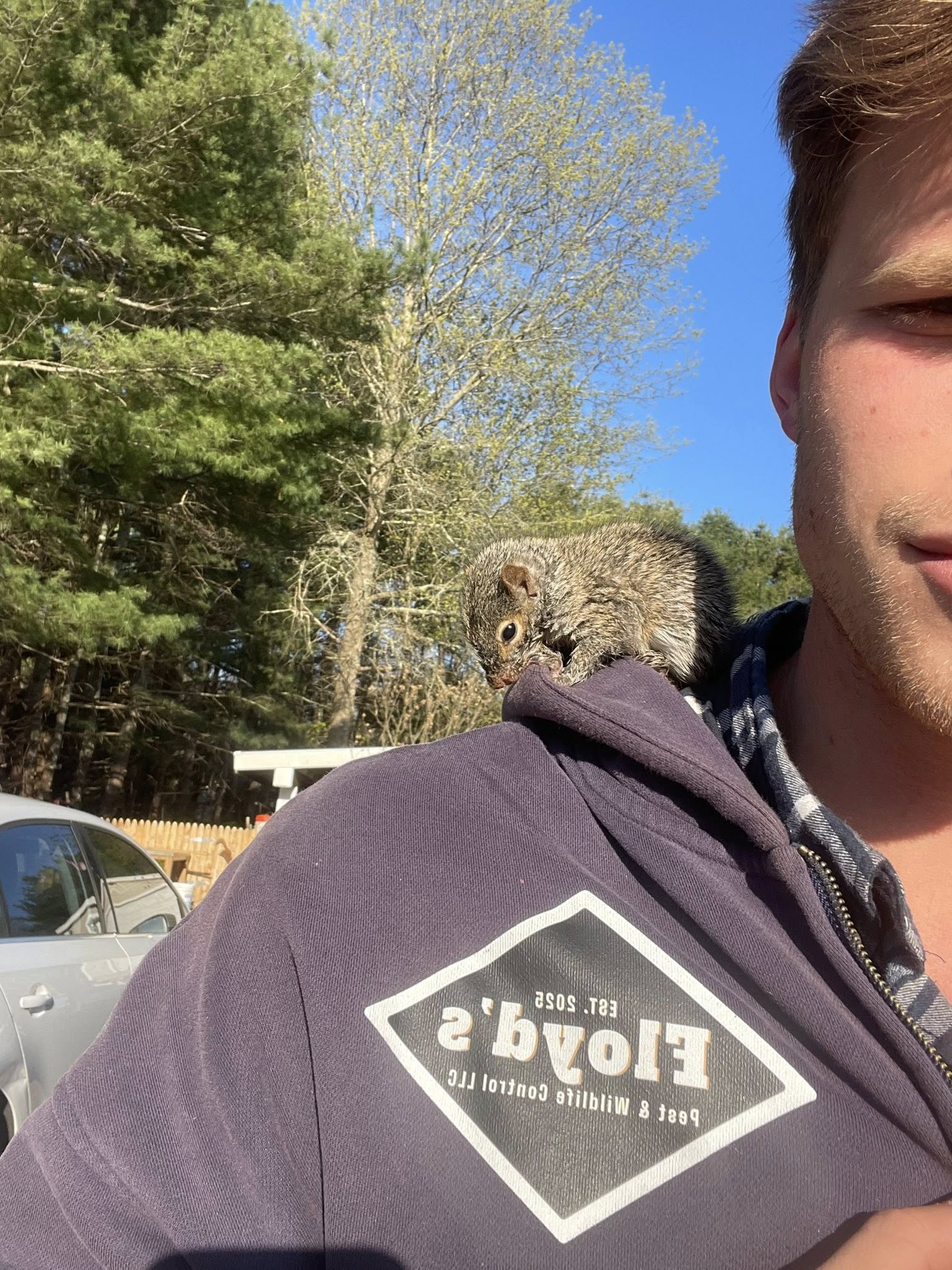
Squirrel removal is very common in Norwich because the city has a large number of older homes, mature trees, multifamily buildings, garages, attic spaces, and aging rooflines that squirrels can easily exploit for nesting and shelter.
Gray squirrels and flying squirrels commonly enter Norwich homes by chewing through soffits, fascia boards, roof edges, attic vents, gable vents, roof returns, and weakened roofline areas. In many cases, squirrels target older sections of the structure where wood has softened, gaps have developed, or previous repairs have failed.
Neighborhoods with mature trees and tightly packed homes create ideal travel routes for squirrels. In many parts of Norwich, squirrels move easily between rooftops, tree limbs, utility lines, garages, sheds, and neighboring structures while searching for attic access points.
Once inside an attic, squirrels may create nests inside insulation, chew wiring, damage wood framing, tear ductwork, and contaminate enclosed spaces with droppings and urine. Flying squirrels are especially common in older attic spaces and wall voids because they can enter through very small roofline openings.
Common squirrel entry points in Norwich homes include:
- Soffits and fascia boards
- Roof returns and roof edges
- Attic vents and gable vents
- Construction gaps near rooflines
- Openings around utility lines or trim areas
- Weakened wood around older roof structures
Common signs of squirrel activity include:
- Daytime scratching, running, or chewing sounds in the attic
- Chewed soffits, fascia boards, vents, or roofline openings
- Nesting material inside attic insulation
- Squirrels repeatedly seen on roofs, utility lines, or tree branches
- Visible chewing damage near roof edges or attic vents
- Strong odor or contamination inside attic spaces
Squirrel infestations can lead to significant structural and attic damage if the problem is ignored. Chewed electrical wiring, damaged insulation, torn vent screens, and recurring roofline entry problems are common in active squirrel infestations.
In Norwich, squirrel problems often become recurring issues because the same roofline weak points continue being reused. Simply removing the squirrel is usually not enough if the structure remains accessible.
Floyd’s Pest & Wildlife Control provides squirrel trapping, squirrel removal, attic inspections, exclusion work, roofline repairs, and entry-point sealing services throughout Norwich.
Long-term squirrel control depends on identifying how the squirrels are entering the structure and properly correcting the vulnerable areas that allowed the infestation to develop.
Learn more about our squirrel removal services.
Raccoon Removal in Norwich, CT
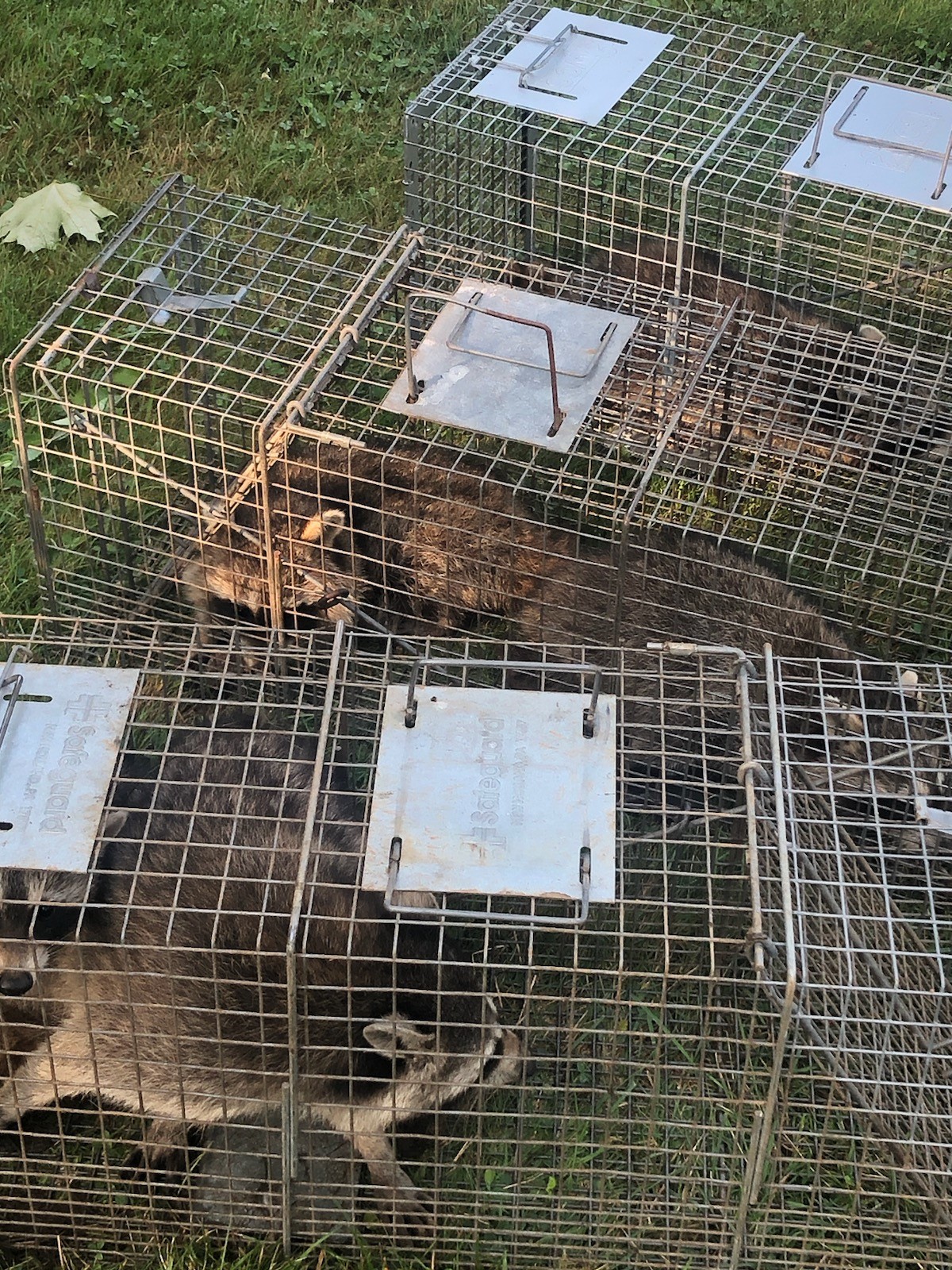
Raccoon problems are very common in Norwich because the city contains older homes, multifamily buildings, garages, attics, dumpsters, wooded sections, river corridors, sheds, crawlspaces, and commercial areas that provide ideal food sources and shelter opportunities.
Raccoons commonly enter attics, crawlspaces, garages, chimneys, sheds, and wall voids while searching for protected denning areas. Female raccoons frequently target attic spaces during breeding season because enclosed upper areas provide safe locations for raising young.
Norwich’s dense neighborhoods and aging structures create many opportunities for raccoons to exploit weak rooflines and structural openings. Raccoons commonly damage:
- Soffits and fascia boards
- Roof returns and roof edges
- Attic vents and gable vents
- Chimney caps and chimney openings
- Crawlspace access areas
- Garage and shed openings
Many raccoon infestations begin after animals locate an existing weak point in the structure. Once access is established, the opening often becomes larger over time as raccoons repeatedly use the same entry area.
Common signs of raccoon activity include:
- Loud thumping, dragging, or movement sounds at night
- Damaged soffits, fascia boards, vents, or roofline areas
- Raccoons entering or exiting attic spaces
- Strong odor, droppings, and urine contamination
- Damaged attic insulation and nesting debris
- Visible roofline or crawlspace entry damage
Raccoon infestations can create serious contamination and structural problems inside attics and crawlspaces. In many cases, insulation becomes flattened, contaminated, or heavily damaged after prolonged raccoon activity.
In Norwich, raccoon activity is especially common near wooded neighborhoods, river corridors, dumpster areas, commercial sections, and older homes with aging rooflines and crawlspace openings.
Floyd’s Pest & Wildlife Control provides raccoon trapping, attic inspections, exclusion work, entry-point sealing, and wildlife prevention services throughout Norwich.
Long-term raccoon control depends on correcting the damaged entry areas and eliminating the structural vulnerabilities that allowed the raccoons to enter the building in the first place.
Learn more about our raccoon removal services.
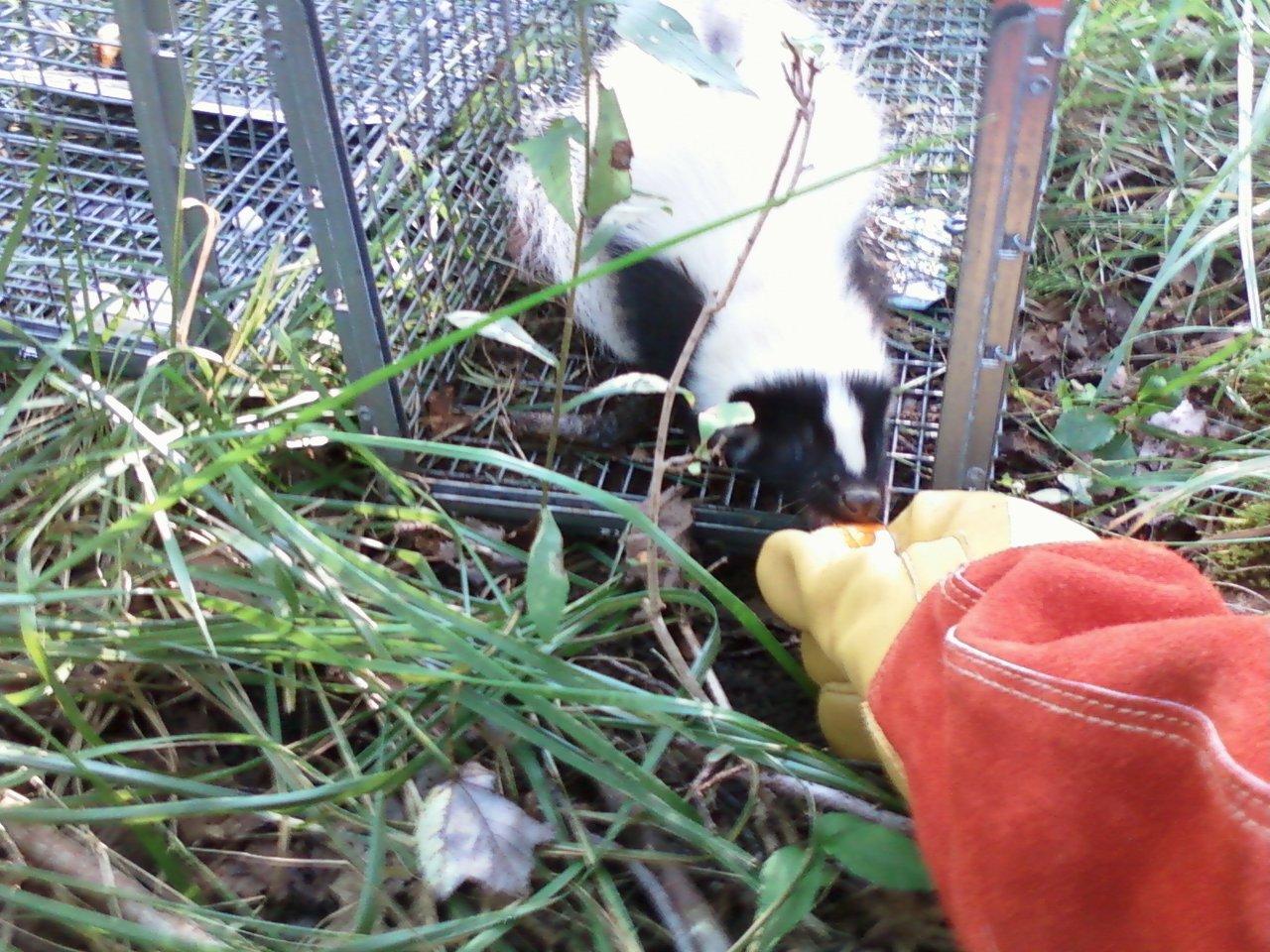
Skunk Removal in Norwich, CT
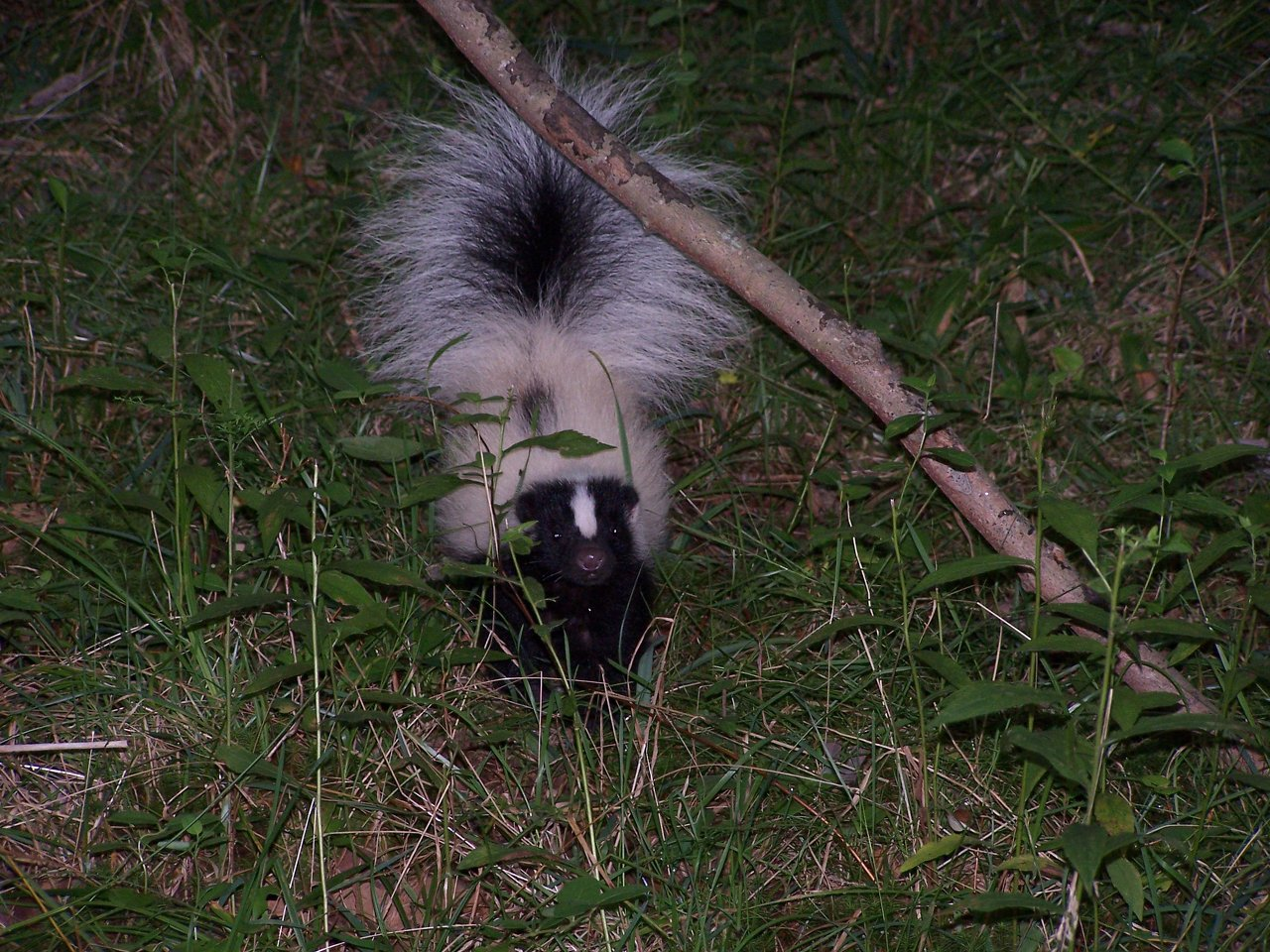
Skunk problems are extremely common throughout Norwich because the city has the exact combination of conditions that skunks prefer: older homes, crawlspaces, decks, sheds, porches, retaining walls, wooded edges, river corridors, overgrown lots, multifamily housing, garages, and dense residential neighborhoods with easy access to food and shelter.
Norwich’s mix of urban and wooded environments creates ideal skunk habitat. Areas around Taftville, Greeneville, East Great Plain, Norwichtown, Laurel Hill, and neighborhoods near the Yantic and Shetucket River corridors regularly experience skunk activity around homes, sheds, crawlspaces, garages, and decks.
Skunks commonly den beneath decks, porches, additions, sheds, stairways, garages, retaining walls, and crawlspaces where they can remain hidden and protected during the day. Older Norwich homes with open crawlspace areas, deteriorating foundations, and aging structures are especially vulnerable.
Many skunk infestations begin after an animal discovers an existing opening beneath the structure. Over time, the skunk may expand the burrow area and repeatedly reuse the same den site if the opening is never properly sealed.
In some sections of Norwich, abandoned debris, overgrown vegetation, stone walls, woodpiles, dumpsters, drainage corridors, and older outbuildings create long-term denning opportunities that support recurring skunk activity throughout the neighborhood.
Skunks are also heavily attracted to:
- Rodent activity around homes and garages
- Pet food left outdoors
- Garbage and dumpster areas
- Lawns with grub infestations
- Open crawlspaces and decks
- Overgrown vegetation and sheltered corners of the property
Common signs of skunk activity include:
- Strong skunk odor around the home or yard
- Burrows beneath decks, porches, sheds, or additions
- Digging damage in lawns and landscaped areas
- Loose soil around foundations or crawlspaces
- Pets being sprayed near the structure
- Tracks or movement around denning areas at night
Skunk problems often become recurring issues in Norwich because the same denning areas continue attracting new animals. Simply removing the skunk may not solve the problem if the crawlspace, shed, porch, or deck opening remains accessible.
Floyd’s Pest & Wildlife Control provides skunk trapping, den inspections, crawlspace inspections, exclusion work, structural sealing, and prevention services throughout Norwich.
Long-term skunk control depends on identifying the active denning area, removing the animal safely, correcting the structural access problem, and reducing the environmental conditions that continue attracting skunks to the property.
Learn more about our skunk removal services.
Snake Removal in Norwich, CT
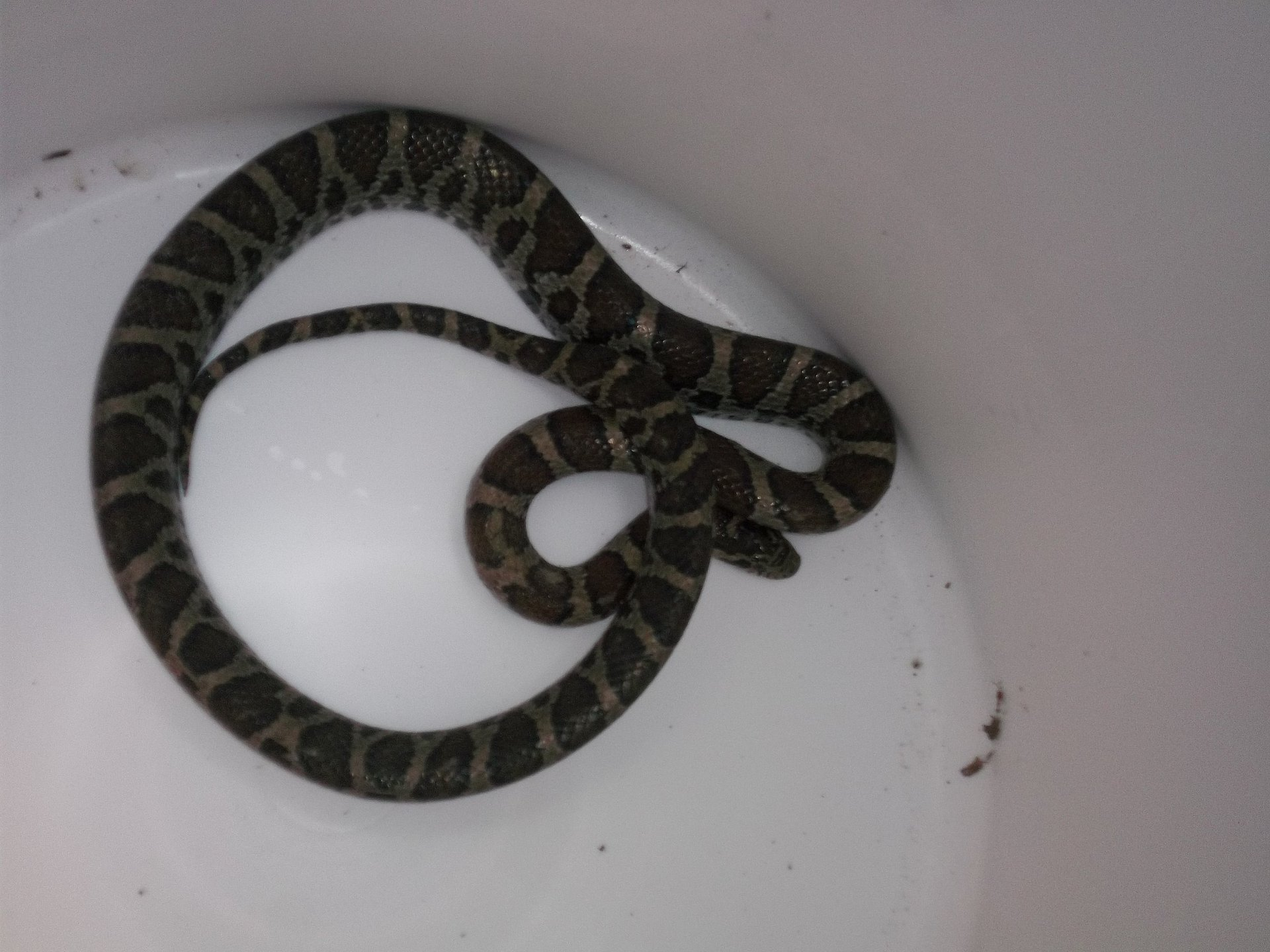
Snake sightings are common in Norwich because the city contains river corridors, wetlands, wooded sections, stone walls, crawlspaces, retaining walls, overgrown lots, and strong rodent populations that create ideal habitat for snakes.
Most snakes found around Norwich homes are non-venomous, but they can still become a problem when they enter basements, garages, crawlspaces, sheds, retaining walls, or living spaces.
Snake activity is often connected directly to rodent infestations because mice and rats provide a major food source. Properties with active rodent problems are much more likely to experience repeated snake sightings.
Common snake problem areas include:
- Basements and crawlspaces
- Stone walls and retaining walls
- Woodpiles and debris piles
- Foundation cracks and utility gaps
- Garages, sheds, and storage buildings
- Wetlands, drainage areas, and wooded edges
Common signs of snake activity include:
- Snakes seen around foundations, patios, or garages
- Shed snake skins near the structure
- Snake activity near rodent nesting areas
- Movement inside crawlspaces or basements
- Repeated sightings around stone walls or landscaping
Floyd’s Pest & Wildlife Control provides snake removal, structural inspections, rodent reduction recommendations, and exclusion services throughout Norwich.
Long-term snake control depends heavily on reducing rodent activity, sealing structural gaps, and correcting the environmental conditions that attract snakes to the property.
Learn more about our snake removal services.
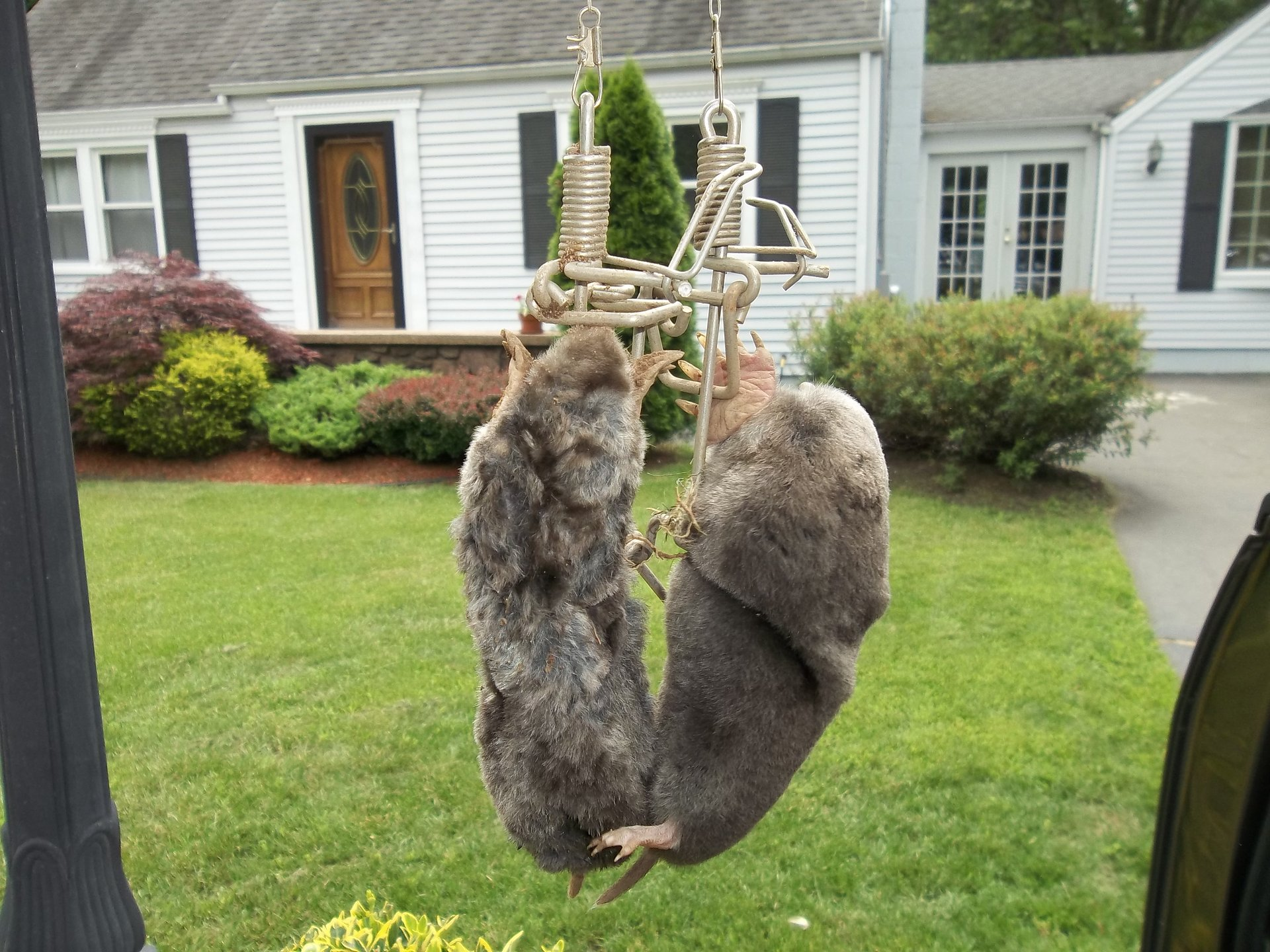
Mole & Vole Control in Norwich, CT
Mole and vole activity is common throughout Norwich because the city contains large residential lawn areas, older landscaping, parks, wooded edges, river corridors, moist soil conditions, and overgrown sections that create ideal habitat for burrowing animals.
Properties near wetlands, drainage areas, wooded neighborhoods, and river systems often experience especially heavy mole and vole pressure because moist soil supports insects, roots, and vegetation that attract underground activity.
Moles create underground tunnel systems while searching for insects and grubs. Their activity often causes raised ridges, soft ground, lawn damage, and unstable soil conditions across the yard.
Voles are different from moles and create shallow surface runways while feeding on grass, roots, bark, and landscaping. Vole damage is especially common around mulch beds, shrubs, gardens, retaining walls, and overgrown vegetation.
Common signs of mole activity include:
- Raised ridges and underground tunnel systems
- Soft or collapsing ground in the lawn
- Molehills and soil mounds
- Uneven lawn surfaces and root disturbance
Common signs of vole activity include:
- Surface runways through grass or mulch
- Damage around shrubs, gardens, and root systems
- Dead patches of grass or vegetation
- Small burrow openings near landscaping features
In Norwich, mole and vole problems often become worse around properties with heavy mulch coverage, overgrown vegetation, irrigation systems, older landscaping, and unmanaged lawn conditions.
Floyd’s Pest & Wildlife Control provides mole inspections, vole control, trapping services, and recommendations for reducing the conditions that contribute to recurring lawn and landscape damage.
Long-term control depends on identifying which animal is causing the damage and selecting the correct treatment strategy for the property.
Learn more about our mole and vole control services.
Additional Rodent & Wildlife Services in Norwich, CT
Many rodent and wildlife infestations leave behind contamination, odor problems, dead animal issues, damaged insulation, nesting debris, structural damage, and recurring entry-point issues. Floyd’s Pest & Wildlife Control also provides cleanup, exclusion, odor control, and restoration services to help fully correct the problem.
Bird & Nest Removal
Birds commonly nest inside vents, signs, soffits, commercial structures, garages, barns, and roofline openings throughout Norwich. Nesting material can block ventilation, create odor, attract insects or mites, and leave contamination behind.
Wildlife Exclusion & Entry Point Sealing
Exclusion work focuses on sealing roofline gaps, attic vents, crawlspace openings, foundation gaps, soffits, fascia boards, garage corners, utility penetrations, and other structural wildlife access points.
Attic Cleanouts & Sanitization
Rodents, bats, raccoons, squirrels, and birds commonly leave behind droppings, urine contamination, guano, damaged insulation, nesting debris, odor problems, and contaminated material inside attic and crawlspace areas.
Attic cleanouts, sanitization & insulation removal →Insulation Removal & Replacement
Attic insulation often becomes contaminated or damaged after prolonged rodent, bat, raccoon, squirrel, or bird activity inside the structure. Removal and replacement may be recommended when insulation contains droppings, urine, guano, nesting material, odor, or animal damage.
Learn about insulation removal & replacement →Odor Control & Dead Animal Removal
Strong odors inside homes and buildings are often caused by urine contamination, droppings, nesting material, denning activity, contaminated insulation, or dead animals hidden inside walls, vents, attics, crawlspaces, basements, garages, sheds, or under decks and porches.
Dead animal removal & odor control →Emergency Wildlife Removal Services
Emergency situations can include animals inside living spaces, active attic infestations, strong odor issues, dead animal odor, raccoons with young, or wildlife causing immediate structural concerns.
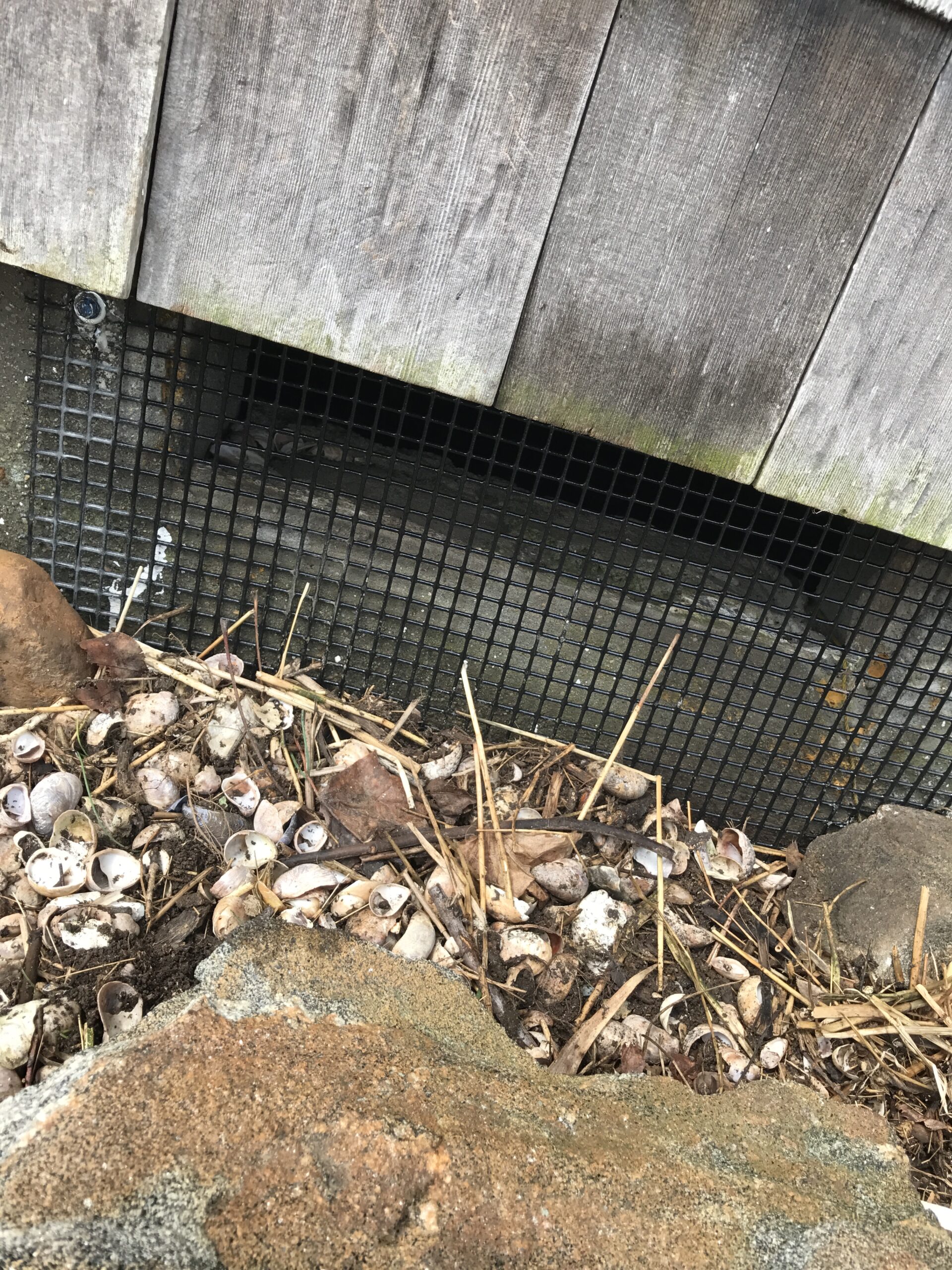
Wildlife Exclusion & Rodent Proofing in Norwich
Most rodent and wildlife problems in Norwich continue because the structure was never fully sealed. Exclusion work focuses on identifying and correcting the structural vulnerabilities that allow animals to repeatedly enter the building.
In Norwich homes and buildings, common exclusion work includes:
- Sealing foundation gaps and utility penetrations
- Repairing soffits, fascia boards, and roof returns
- Securing attic vents, ridge vents, and gable vents
- Reinforcing crawlspace vents and basement openings
- Repairing garage corners and detached garage gaps
- Closing openings beneath decks, sheds, porches, and additions
Older homes and multifamily buildings throughout Norwich often develop recurring wildlife entry points over time because of aging materials, shifting structures, deteriorating trim, and roofline wear.
Rodent proofing is especially important because mice can enter through extremely small gaps around the structure. Even after trapping or baiting reduces activity, new rodents may continue entering if the access points remain open.
Floyd’s Pest & Wildlife Control provides wildlife exclusion, rodent proofing, structural inspections, and prevention services throughout Norwich.
Long-term rodent and wildlife control depends on correcting the structural access problem rather than simply removing the active animal.
Summary Table: Common Rodent & Wildlife Problems in Norwich, CT
| Animal | Common Problem Areas | Typical Signs | Common Solution |
|---|---|---|---|
| Mice & Rats | Basements, crawlspaces, garages, kitchens, utility gaps | Droppings, scratching, chewing, odor | Rodent control and exclusion |
| Bats | Attics, soffits, ridge vents, older rooflines | Guano, staining, chirping, attic noises | Bat exclusion and structural sealing |
| Squirrels | Rooflines, attics, soffits, fascia boards | Chewing, scratching, nesting, roof activity | Removal, repairs, and exclusion |
| Raccoons | Attics, crawlspaces, chimneys, garages | Heavy movement, damage, contamination | Humane trapping and exclusion |
| Skunks | Decks, porches, sheds, crawlspaces | Odor, burrows, lawn digging | Removal and den sealing |
| Snakes | Stone walls, basements, crawlspaces, wooded edges | Sightings, shed skins, recurring activity | Removal and rodent reduction |
| Moles & Voles | Lawns, gardens, landscaped areas | Tunnels, lawn damage, soft ground | Targeted trapping and control |
Rodent Control & Wildlife Removal Near Norwich, CT
Floyd’s Pest & Wildlife Control provides rodent control and wildlife removal in Norwich and surrounding areas throughout New London County. Nearby towns often experience similar rodent and wildlife pressure because of older homes, river systems, wooded areas, crawlspaces, garages, multifamily housing, wetlands, and dense residential development.
For broader regional coverage, visit our New London County wildlife removal page.
Rodent & Wildlife Questions in Norwich, CT
Why are mice and rats so common in Norwich?
Norwich has older homes, multifamily buildings, commercial areas, basements, crawlspaces, garages, dumpsters, and aging infrastructure that create ideal conditions for rodent activity throughout the city.
Are rat problems getting worse in Connecticut?
Yes. Rat activity has become more common in many parts of Connecticut, including Norwich. Older infrastructure, dense neighborhoods, food sources, dumpsters, sewer systems, overgrown vegetation, and mild winters have all contributed to increasing rat populations in some areas.
How do rodents get into homes in Norwich?
Mice and rats commonly enter through foundation gaps, utility penetrations, garage corners, crawlspace vents, basement openings, siding gaps, and roofline openings.
Why do rodent problems keep coming back?
Most repeat infestations happen because the structure remains accessible. Trapping or baiting alone usually will not stop new rodents from entering if the entry points are never sealed.
Are bats common in Norwich attics?
Yes. Norwich has many older homes, attics, multifamily buildings, churches, and garages where bats commonly enter through ridge vents, soffits, fascia gaps, and roofline openings.
Why are squirrels getting into my attic?
Squirrels commonly chew through soffits, fascia boards, roof edges, vents, and weakened roofline areas to create access into attic spaces for nesting.
What attracts raccoons to Norwich homes?
Raccoons are attracted to attics, crawlspaces, garbage, pet food, dumpsters, wooded corridors, and older homes with weak roofline areas or open structural gaps.
Why are skunks denning beneath my deck or shed?
Decks, porches, sheds, crawlspaces, additions, and retaining walls create protected denning areas that skunks commonly use for shelter.
Why are snakes showing up around my property?
Snake activity is often connected directly to rodent activity, stone walls, crawlspaces, wooded edges, wetlands, and overgrown landscaping around the structure.
What is the difference between mole and vole damage?
Moles create underground tunnel systems and raised ridges while feeding. Voles create surface runways and damage grass, roots, shrubs, and landscaping.
Do you provide wildlife exclusion services?
Yes. Floyd’s Pest & Wildlife Control provides exclusion and entry-point sealing services to help prevent rodents and wildlife from returning after removal.
Do you provide attic cleanup and sanitization?
Yes. Wildlife and rodent infestations often leave behind droppings, urine contamination, nesting debris, damaged insulation, and odor issues that may require cleanup and sanitization services.