Why Rodent & Wildlife Problems Are So Common in Stonington
Stonington has some of the most unique rodent and wildlife pressure in Connecticut because the area combines historic shoreline homes, waterfront businesses, marinas, restaurants, dense village development, wooded residential neighborhoods, wetlands, and older coastal structures.
In places like Mystic, Stonington Borough, Pawcatuck, and shoreline sections near docks and marinas, rodents have always been part of the environment. Historically, rats followed shipping routes, fishing operations, whaling vessels, cargo storage, and old shipyards throughout coastal New England communities.
Many of the same conditions that supported rodent populations generations ago still exist today — older buildings, waterfront food sources, dense construction, crawlspaces, basements, restaurants, dumpsters, marina activity, and aging infrastructure.
Modern rat activity is now more noticeable throughout Connecticut shoreline towns, including Stonington and Mystic. Warmer winters, commercial activity, food waste, exterior seating areas, bird feeders, garages, sheds, and tightly packed buildings all contribute to growing rodent pressure.
Rodent infestations are especially common around:
- Historic homes and older foundations
- Restaurants and commercial buildings
- Marinas and waterfront properties
- Crawlspaces and basements
- Detached garages and sheds
- Stone foundations and retaining walls
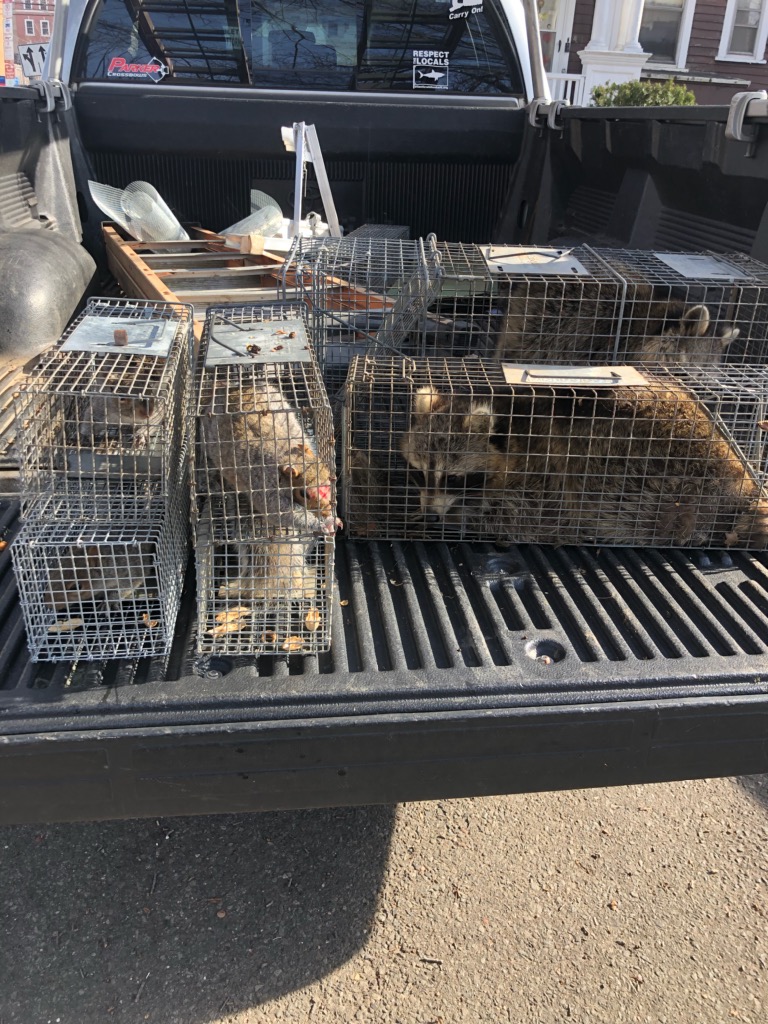
Wildlife pressure remains high as well because shoreline habitat, wooded neighborhoods, marsh areas, and river corridors provide ideal movement routes for raccoons, skunks, squirrels, bats, snakes, and other nuisance wildlife.
Older coastal homes are especially vulnerable because many contain aging rooflines, attic vents, crawlspaces, soffit gaps, utility penetrations, and structural weak points that wildlife can exploit.
Floyd’s Pest & Wildlife Control works throughout Stonington and Mystic handling rodent infestations, rat problems, attic wildlife activity, bat colonies, raccoon entry damage, squirrel infestations, crawlspace activity, contamination cleanup, and recurring wildlife entry-point issues.
- Historic shoreline buildings and older foundations create ideal rodent entry conditions.
- Restaurants, marinas, and waterfront activity support year-round rodent pressure.
- Dense village construction and aging infrastructure allow rodents to spread between structures.
- Rooflines, attic vents, and soffits commonly allow bats and squirrels into attic spaces.
- Marshes, wetlands, and shoreline habitat support strong raccoon and skunk activity.
- Stone walls, gardens, and landscaped shoreline properties attract voles, snakes, and burrowing animals.
In shoreline towns like Stonington, rodent and wildlife issues often become structural problems rather than isolated animal encounters. Long-term control depends on reducing access points, correcting structural vulnerabilities, and limiting the conditions that allow infestations to continue.
Common Rodent & Wildlife Entry Areas in Stonington Homes & Buildings
| Problem Area | Common Animals | Typical Signs |
|---|---|---|
| Stone foundations and crawlspaces | Mice, rats, skunks | Droppings, odor, burrowing |
| Rooflines and attic vents | Bats, squirrels, raccoons | Scratching, staining, chewing |
| Marina buildings and sheds | Rodents and birds | Nesting, contamination, odor |
| Decks, porches, and additions | Skunks and raccoons | Digging, denning, strong odor |
| Gardens and landscaped beds | Voles, moles, snakes | Runways, tunnels, plant damage |
Rat & Mouse Control in Stonington, CT
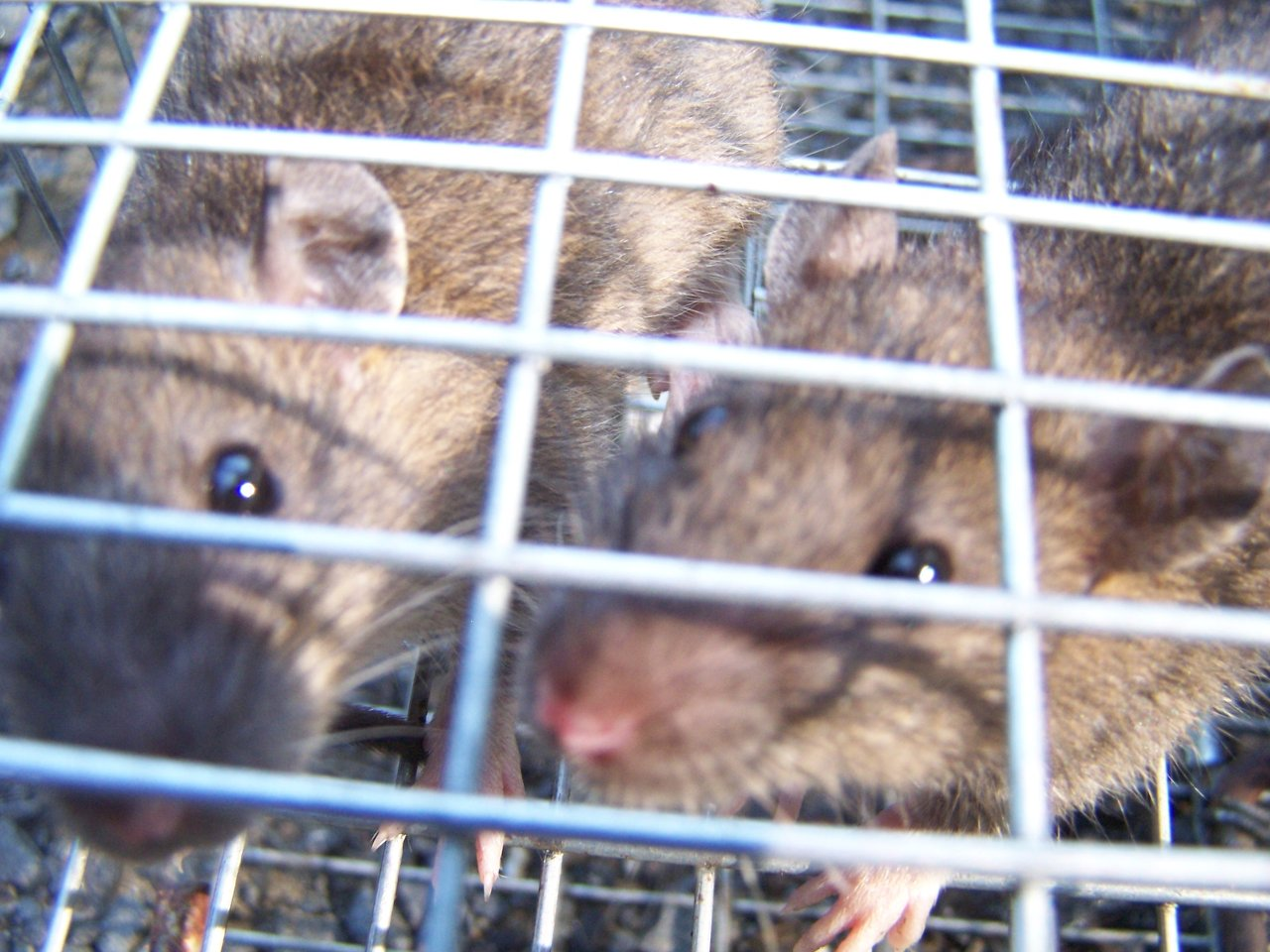
Rodent control is one of the biggest ongoing pest issues in Stonington because shoreline communities naturally support strong mouse and rat populations. Older buildings, restaurants, marinas, docks, waterfront storage, crawlspaces, and dense village construction all create ideal conditions for rodents to survive close to homes and businesses.
Historic coastal towns have dealt with rats for centuries. In shoreline areas like Mystic and Stonington Borough, rodents historically followed shipping routes, whaling vessels, fishing operations, food storage areas, and waterfront activity throughout New England ports.
Today, many of the same structural conditions still exist:
- Stone foundations and crawlspaces
- Tight gaps between buildings
- Older basements and utility spaces
- Dumpster and restaurant activity
- Exterior food sources and bird feeders
- Marinas, sheds, garages, and storage areas
Mice and rats commonly enter through tiny openings around foundations, crawlspace vents, pipes, utility lines, bulkheads, siding seams, and garage corners.
Once rodents enter the structure, infestations can spread quickly through walls, insulation, attics, basements, crawlspaces, and storage areas.
Common warning signs include:
- Droppings near kitchens, basements, or crawlspaces
- Scratching inside walls or ceilings
- Strong musky or urine-like odor
- Chewed wiring or stored materials
- Nesting debris in insulation
- Rodent activity near dumpsters or exterior walls
Rat activity has increased significantly across many Connecticut shoreline communities in recent years, especially near restaurants, commercial districts, waterfront properties, and older densely built neighborhoods.
Recent national news about hantavirus concerns has also increased awareness about the contamination risks associated with rodent infestations inside homes and buildings.
Floyd’s Pest & Wildlife Control provides rat control, mouse control, exterior baiting programs, exclusion work, crawlspace inspections, attic inspections, and long-term rodent prevention services throughout Stonington and Mystic.
Learn more about our rodent control services.
Bat Removal in Stonington, CT
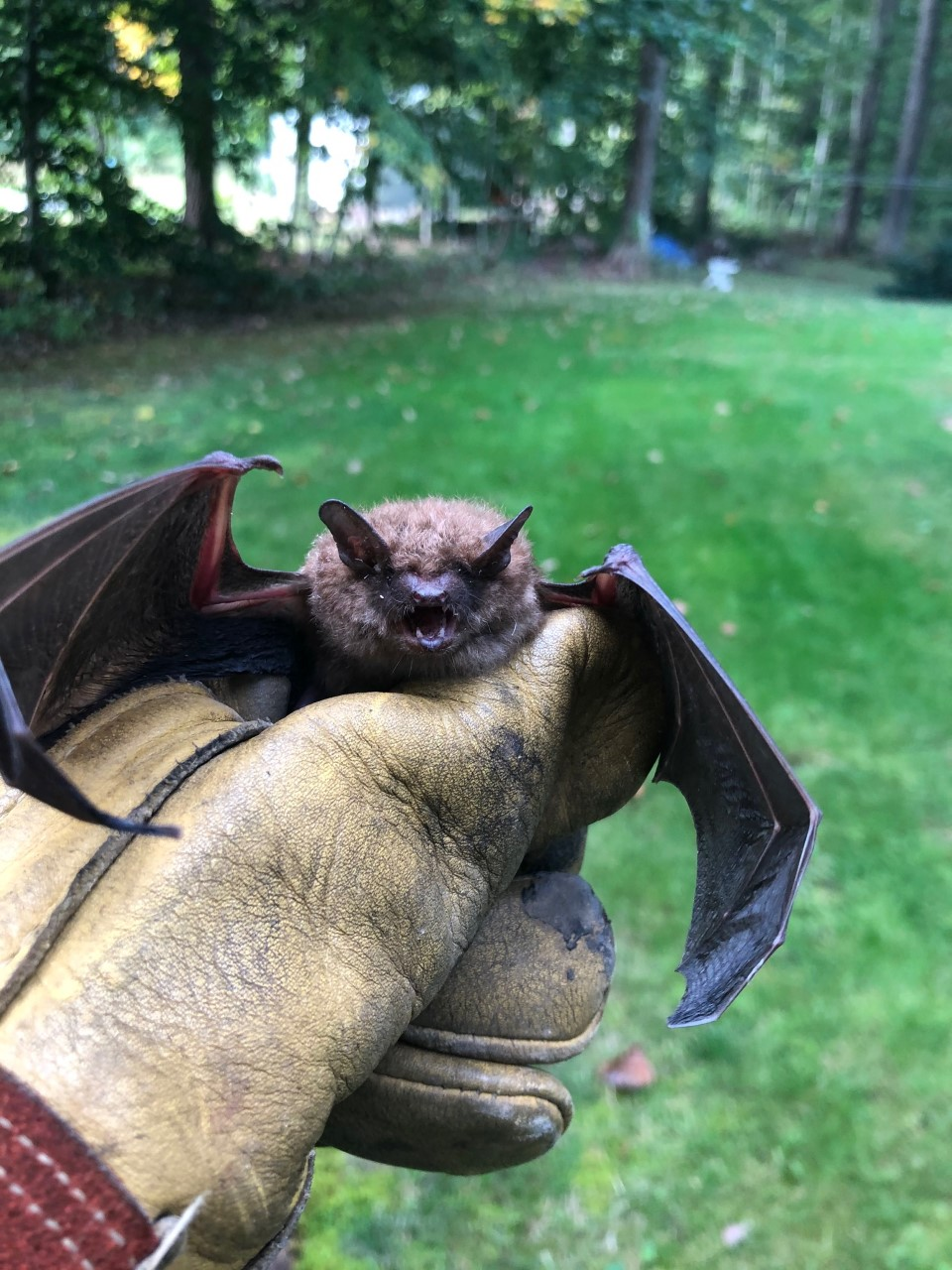
Bats are extremely common throughout Stonington because shoreline towns provide ideal feeding and roosting habitat. Wetlands, river corridors, waterfront lighting, older attics, barns, and historic rooflines all support strong bat activity throughout the area.
Historic homes in Mystic and Stonington Borough are especially vulnerable because older construction materials often leave small gaps around rooflines and attic areas.
Common bat entry locations include:
- Roof peaks and ridge vents
- Gable vents and attic louvers
- Soffit gaps and fascia joints
- Roof returns and flashing areas
- Older siding transitions and trim gaps
Bat colonies may remain hidden for long periods before homeowners notice staining, guano buildup, odor, or noises inside attic spaces.
Typical signs of bat activity include:
- Dark staining near roofline gaps
- Guano accumulation below vents
- High-pitched chirping or scratching
- Bats flying from the structure at dusk
- Strong odor inside enclosed attic areas
Bat infestations often become long-term recurring problems if the structure is not properly sealed after exclusion work is completed.
Floyd’s Pest & Wildlife Control provides bat inspections, full-home exclusion systems, attic evaluations, sealing work, and long-term bat prevention services throughout Stonington.
Learn more about our bat removal services.
Squirrel Removal in Stonington, CT
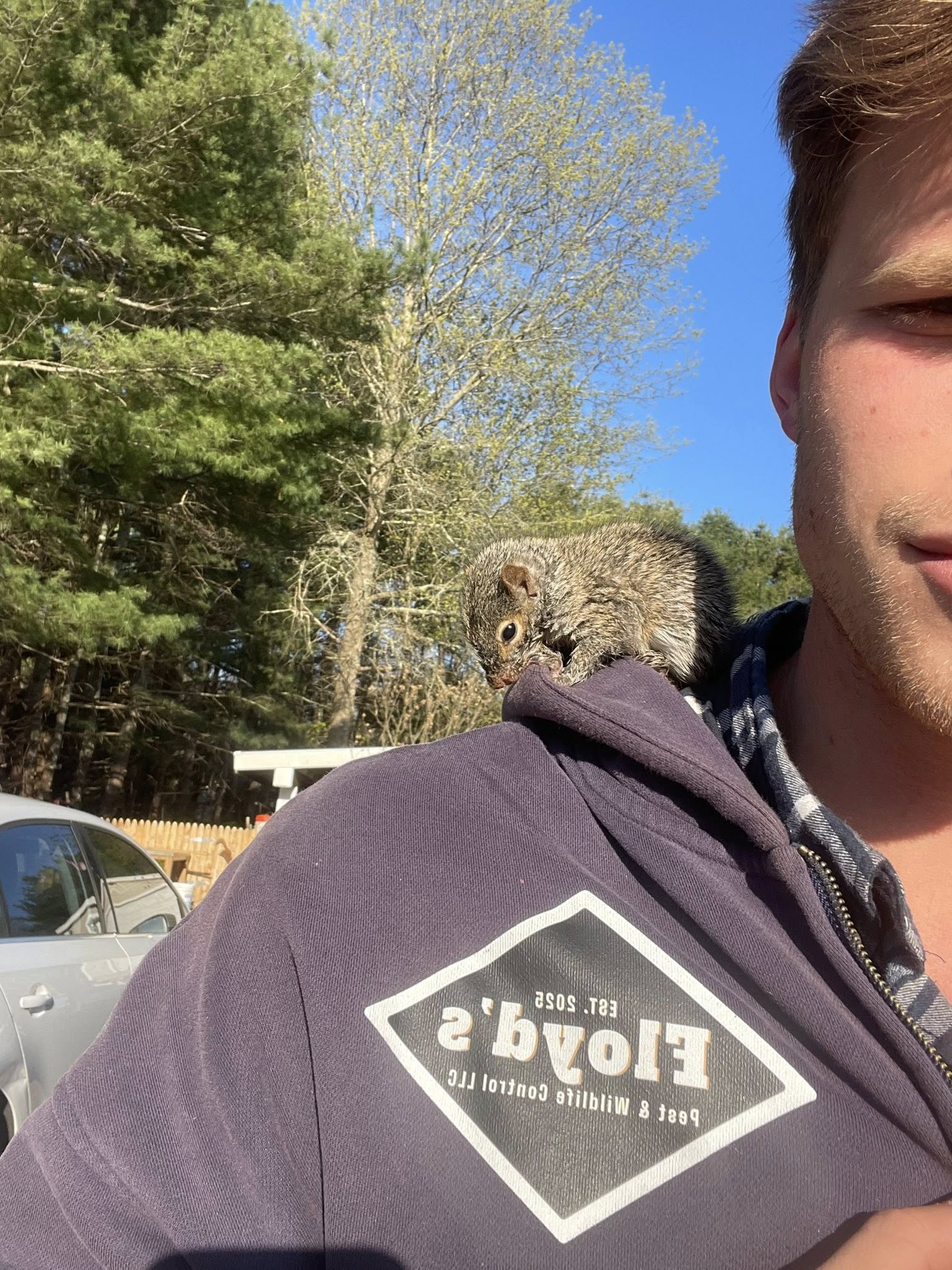
Squirrel infestations are common throughout Stonington because mature shoreline trees provide direct roof access to homes, cottages, garages, and historic buildings throughout the area.
Gray squirrels and flying squirrels frequently enter attic spaces by chewing weak roofline areas or exploiting existing structural gaps.
Flying squirrels are especially active near wooded shoreline neighborhoods and often remain hidden because they move mostly at night.
Squirrels commonly damage:
- Soffits and fascia boards
- Roof edges and trim
- Attic vents and gable vents
- Insulation and stored materials
- Electrical wiring and wood framing
Homeowners often first notice squirrel activity after hearing movement overhead during early morning hours or seeing squirrels repeatedly entering the same roof area.
Once attic nesting begins, squirrels may continue returning season after season if the access point remains vulnerable.
Floyd’s Pest & Wildlife Control provides squirrel trapping, attic inspections, roofline repairs, exclusion work, and prevention services throughout Stonington and Mystic.
Learn more about our squirrel removal services.
Raccoon Removal in Stonington, CT
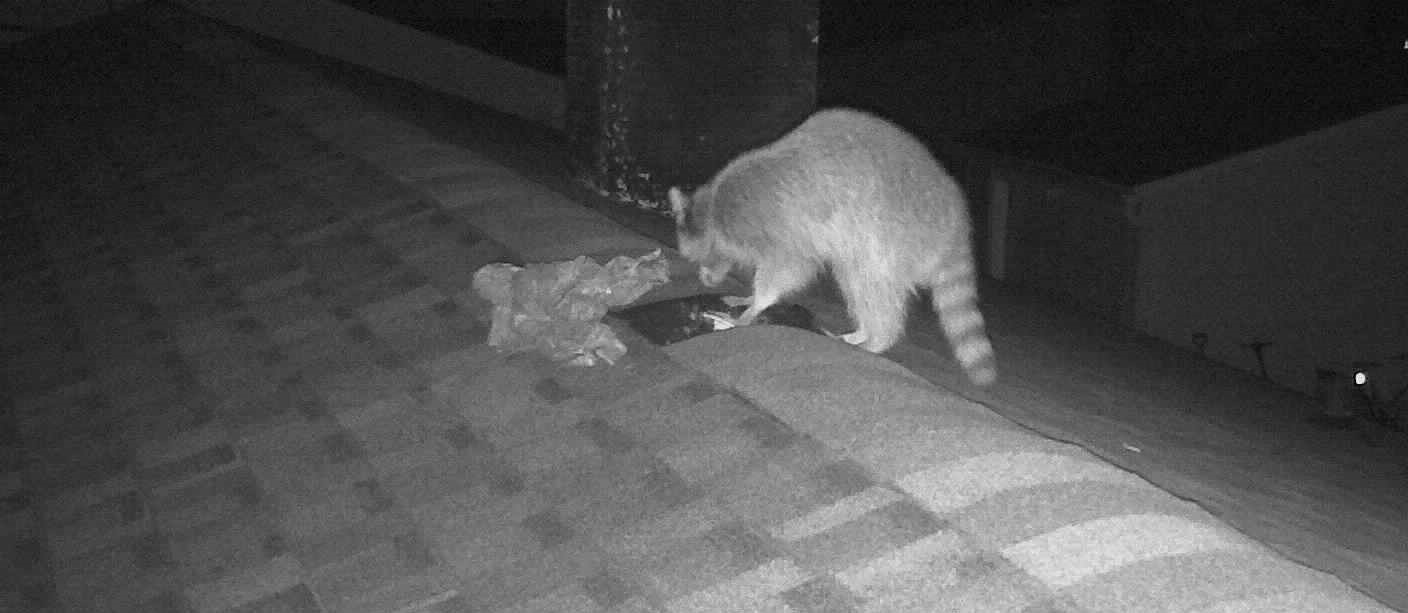
Raccoons thrive in shoreline communities like Stonington because waterfront habitat, marsh areas, dumpsters, restaurants, crawlspaces, attics, and residential neighborhoods all provide food and shelter opportunities.
Many raccoon problems involve attic entry, crawlspace denning, overturned garbage, roofline damage, or animals nesting beneath porches and additions.
Female raccoons commonly enter attic spaces during spring while searching for protected denning locations for young.
Common raccoon entry areas include:
- Roof returns and soffits
- Attic vents and roof vents
- Chimneys and chimney caps
- Crawlspace openings
- Porches and deck areas
- Garage and shed rooflines
Shoreline raccoon activity is often especially heavy around restaurants, marina areas, dumpsters, and waterfront neighborhoods where food sources remain available year-round.
Floyd’s Pest & Wildlife Control provides raccoon trapping, den inspections, attic evaluations, exclusion work, and long-term prevention services throughout Stonington.
Learn more about our raccoon removal services.
Skunk Removal in Stonington, CT
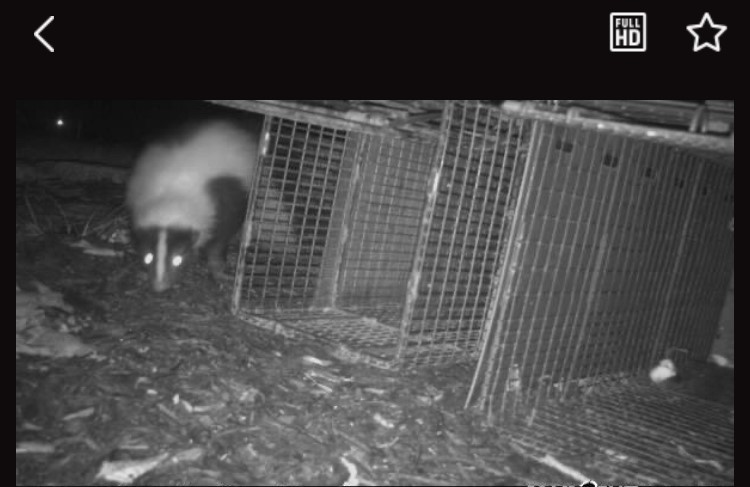
Skunks are extremely common throughout Stonington because shoreline properties, cottages, crawlspaces, retaining walls, sheds, porches, and landscaped yards create ideal denning areas close to food sources.
Many skunk problems develop beneath structures where the animals can remain hidden during the daytime.
Common denning locations include:
- Decks and porches
- Crawlspaces and additions
- Sheds and detached garages
- Retaining walls and stone foundations
- Stairs, slab edges, and shoreline structures
Skunks are also attracted to shoreline lawns because irrigated grass and softer coastal soil often contain high grub and insect populations.
Common signs of skunk activity include:
- Strong lingering odor
- Small burrow openings near the structure
- Digging damage throughout the lawn
- Pets being sprayed near the property
- Nighttime movement near decks and crawlspaces
Many skunk den sites become repeat problem areas if the opening is not sealed after removal.
Floyd’s Pest & Wildlife Control provides skunk trapping, den inspections, exclusion work, and prevention services throughout Stonington and surrounding shoreline communities.
Learn more about our skunk removal services.
Snake Removal in Stonington, CT
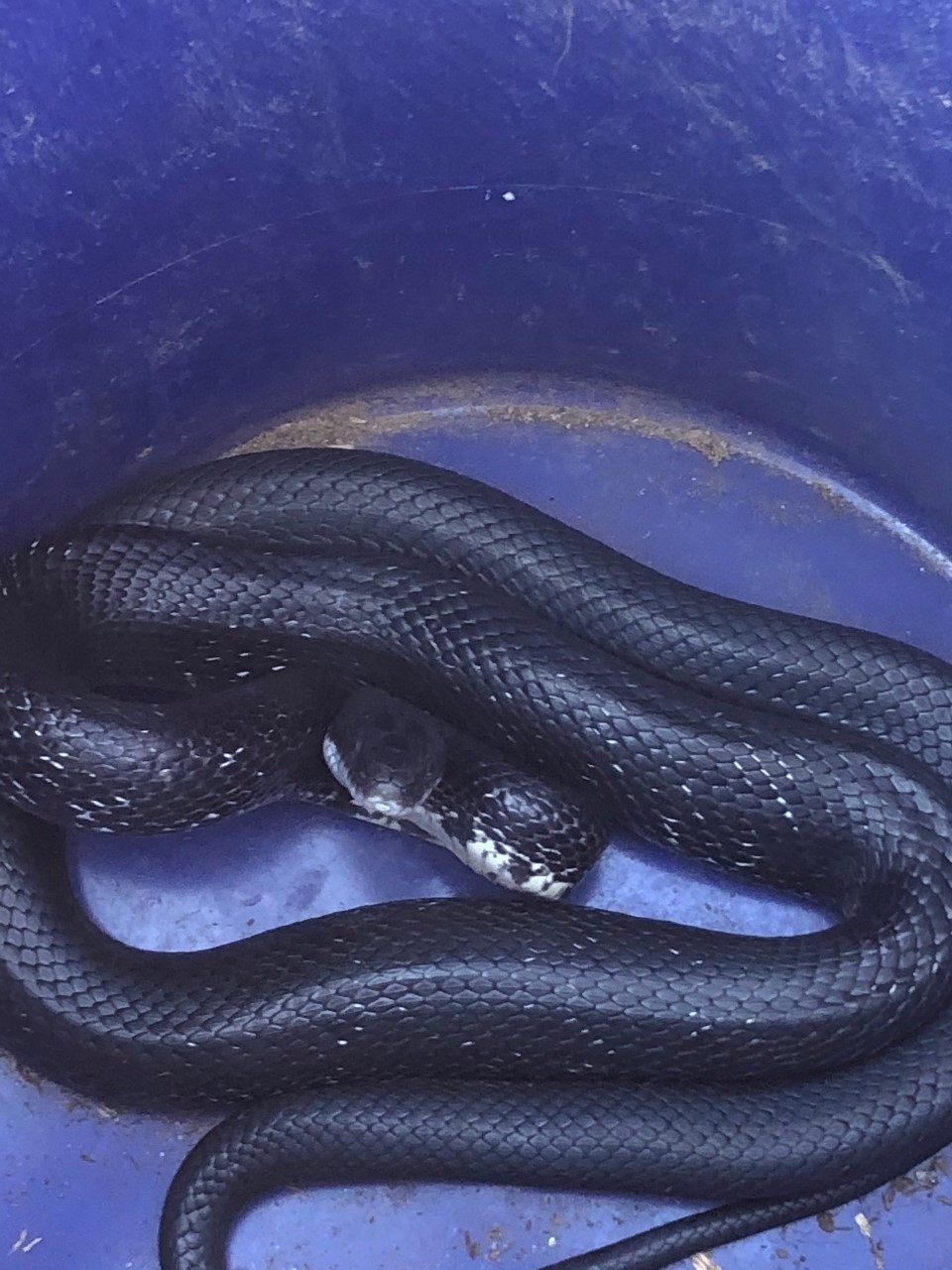
Snake sightings are common throughout Stonington because shoreline habitat, wetlands, stone walls, gardens, retaining walls, marinas, and dense landscaping create excellent shelter conditions.
Most snakes found around homes in southeastern Connecticut are non-venomous, but they still create concern when they enter basements, garages, crawlspaces, sheds, or waterfront buildings.
Snake activity is often highest around properties with active rodent or vole populations because snakes follow food sources.
Common snake habitat around Stonington properties includes:
- Stone walls and old foundations
- Wood piles and dock storage areas
- Heavy shoreline vegetation
- Gardens and mulch beds
- Crawlspaces and drainage areas
- Retaining walls and marina structures
Repeated snake sightings often indicate a nearby rodent issue that should also be addressed.
Floyd’s Pest & Wildlife Control provides snake removal, inspections, habitat evaluations, and recommendations for reducing the conditions attracting snakes around homes and shoreline properties.
Learn more about our snake removal services.
Mole & Vole Control in Stonington, CT
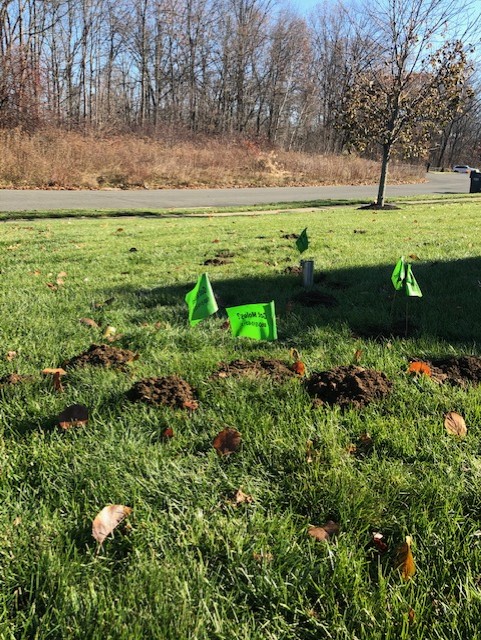
Mole and vole problems are common throughout Stonington because shoreline landscaping, gardens, flower beds, irrigated lawns, ornamental plantings, and dense mulch areas create ideal conditions for burrowing activity.
While moles tunnel beneath lawns searching for insects, voles often create much more severe damage to landscaping and coastal garden properties.
Voles feed heavily on:
- Flower bulbs and root systems
- Hostas and ornamental plants
- Shrubs and decorative landscaping
- Vegetable gardens and mulch beds
- Bark around young trees
- Ground cover and shoreline plantings
Many Stonington properties contain expensive landscaping and ornamental gardens where vole activity can spread quickly before homeowners realize the damage is occurring beneath the vegetation.
Common signs of vole activity include:
- Surface runways through grass and mulch
- Dead flowers and collapsing plants
- Chewed bark near landscaping
- Damage around roots and bulbs
- Small burrow openings near vegetation
Mole activity typically causes raised lawn ridges, soft ground, collapsing tunnels, and widespread turf disruption.
Floyd’s Pest & Wildlife Control provides vole baiting programs, mole trapping, property inspections, and recommendations for reducing lawn and landscaping damage throughout Stonington.
Vole baiting programs are especially important on large landscaped properties because vole populations can expand rapidly through gardens, flower beds, and shoreline vegetation.
Learn more about our mole and vole control services.
Wildlife Exclusion & Rodent Proofing in Stonington
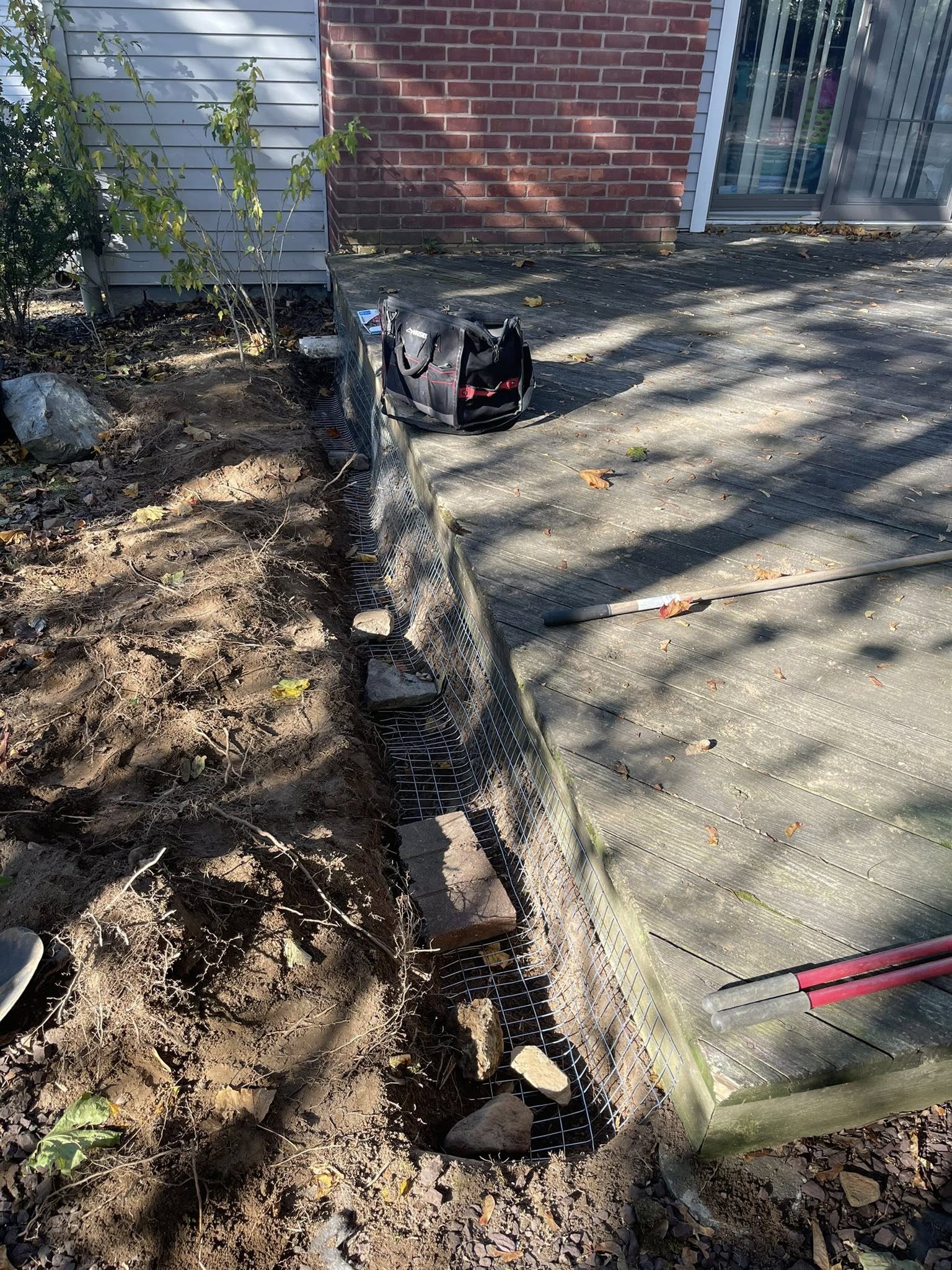
In shoreline towns like Stonington, long-term wildlife control depends heavily on exclusion and structural prevention work.
Many older homes, cottages, marina buildings, sheds, garages, and waterfront structures contain aging materials, hidden crawlspaces, roofline gaps, siding separations, and foundation vulnerabilities that wildlife can repeatedly exploit.
Common exclusion work includes:
- Sealing foundation and crawlspace gaps
- Repairing soffits, fascia, and trim boards
- Securing attic vents and ridge vents
- Closing utility penetrations and siding gaps
- Reinforcing garage corners and storage areas
- Preventing access beneath decks and porches
Rodent-proofing is especially important in dense shoreline communities because mice and rats can move easily between neighboring structures once access points develop.
Floyd’s Pest & Wildlife Control provides rodent exclusion, wildlife proofing, structural inspections, and prevention services throughout Stonington and Mystic.
Correcting the structural access problem is one of the most important steps in preventing recurring rodent and wildlife infestations.
Additional Rodent & Wildlife Services in Stonington, CT
Many wildlife and rodent infestations in Stonington create contamination, odor problems, dead animal issues, damaged insulation, nesting debris, and recurring access-point problems that continue long after the animal itself is removed.
Historic shoreline homes, marina structures, crawlspaces, basements, attics, sheds, detached garages, waterfront buildings, and older rooflines often require additional corrective work after large infestations or long-term wildlife activity.
Attic Cleanup & Sanitization
Rodents, bats, raccoons, squirrels, and birds frequently contaminate attic insulation with droppings, urine, guano, nesting debris, and odor buildup. Cleanup may be needed after the active wildlife problem is resolved.
Attic cleanouts, sanitization & insulation removal →Insulation Removal & Replacement
Large infestations may require removal of contaminated insulation and replacement with clean new material. Insulation can become damaged by droppings, urine, guano, nesting activity, compression, tunneling, and long-term odor problems.
Learn about insulation removal & replacement →Exterior Rodent Baiting
Exterior baiting programs help reduce mouse and rat pressure around restaurants, garages, marinas, waterfront buildings, sheds, crawlspaces, commercial properties, and residential structures throughout Stonington.
Odor Control & Dead Animal Removal
Strong odors inside crawlspaces, attics, basements, garages, wall voids, vents, shoreline structures, and under decks or porches are often caused by wildlife contamination, rodent activity, or dead animals hidden inside enclosed spaces.
Dead animal removal & odor control →Bird & Nest Removal
Birds commonly nest around marinas, sheds, rooflines, dock structures, garages, bathroom vents, dryer vents, soffits, and older waterfront buildings. Nesting material can block airflow, create odor, and attract insects or mites.
Emergency Wildlife Response
Emergency calls may involve active attic infestations, animals inside living spaces, severe odor issues, dead animal odor, raccoons with young, rodent outbreaks, or wildlife causing immediate structural or sanitation concerns.
Rodent Control & Wildlife Removal Near Stonington, CT
Floyd’s Pest & Wildlife Control provides rodent control and wildlife removal in Stonington and surrounding southeastern Connecticut shoreline communities. Nearby towns often experience similar wildlife pressure because of coastal habitat, wooded properties, wetlands, older homes, crawlspaces, shoreline development, and rural residential areas.
For broader regional coverage, visit our New London County wildlife removal page.
Common Rodent & Wildlife Problems in Stonington, CT
| Animal | Frequent Problem Areas | Typical Signs | Common Solution |
|---|---|---|---|
| Mice & Rats | Basements, crawlspaces, restaurants, attics | Droppings, odor, scratching, contamination | Rodent control and exclusion |
| Bats | Attics, rooflines, historic homes | Guano, staining, chirping | Bat exclusion and sealing |
| Squirrels | Roof edges and attic spaces | Chewing, running noises, nesting | Trapping and repairs |
| Raccoons | Attics, crawlspaces, porches | Heavy movement, damage, odor | Removal and exclusion |
| Skunks | Decks, additions, foundations | Odor, digging, burrows | Trapping and den sealing |
| Moles & Voles | Lawns, gardens, shoreline landscaping | Runways, tunnels, plant damage | Vole baiting and mole trapping |
Rodent & Wildlife Questions in Stonington, CT
Why are rat problems common in shoreline towns like Stonington?
Shoreline communities contain older buildings, restaurants, marinas, crawlspaces, dense construction, and waterfront activity that naturally support strong rodent populations.
Did historic coastal towns always have rat problems?
Yes. Rats historically followed shipping routes, whaling vessels, fishing operations, shipyards, docks, and waterfront food storage throughout New England coastal towns.
Why do rodents keep returning after trapping?
If structural openings remain accessible, new mice and rats can continue entering through foundations, crawlspaces, utility gaps, garages, and roofline areas.
Are bats common in historic shoreline homes?
Yes. Older homes and rooflines often contain small gaps that allow bats to enter attic spaces and wall voids.
Why are raccoons active near marinas and restaurants?
Raccoons are attracted to food sources, dumpsters, waterfront habitat, crawlspaces, attics, and quiet denning areas near shoreline development.
Can voles damage expensive landscaping?
Yes. Voles commonly damage flowers, ornamental shrubs, root systems, mulch beds, gardens, and shoreline landscaping.
What is a vole baiting program?
Vole baiting programs help reduce active vole populations before major landscaping and flower damage spreads across the property.
Why are snakes common near shoreline properties?
Stone walls, dense landscaping, wetlands, crawlspaces, and rodent populations create ideal snake habitat throughout shoreline communities.
Do you provide rodent proofing and exclusion services?
Yes. Floyd’s Pest & Wildlife Control provides rodent exclusion, wildlife proofing, structural sealing, and long-term prevention services throughout Stonington and Mystic.