Skunk Removal & Exclusion Services
Floyd’s Pest & Wildlife Control provides professional skunk removal and exclusion services throughout Connecticut. Skunks commonly den underneath decks, sheds, porches, stairs, crawlspaces, additions, and foundations where they can stay protected from weather and predators.
Most skunk problems in Connecticut are not random wildlife encounters. Skunks are attracted to structures that provide easy shelter, protection, and food sources nearby. Once a skunk establishes a den site under a structure, the activity often continues until the area is properly secured.
Skunk problems are especially common around:
- Decks with open access underneath
- Sheds and detached garages
- Crawlspaces with damaged vents
- Older foundations with gaps
- Homes near woods or wetlands
- Properties with pet food, bird seed, or garbage access
- Lawns with grub activity
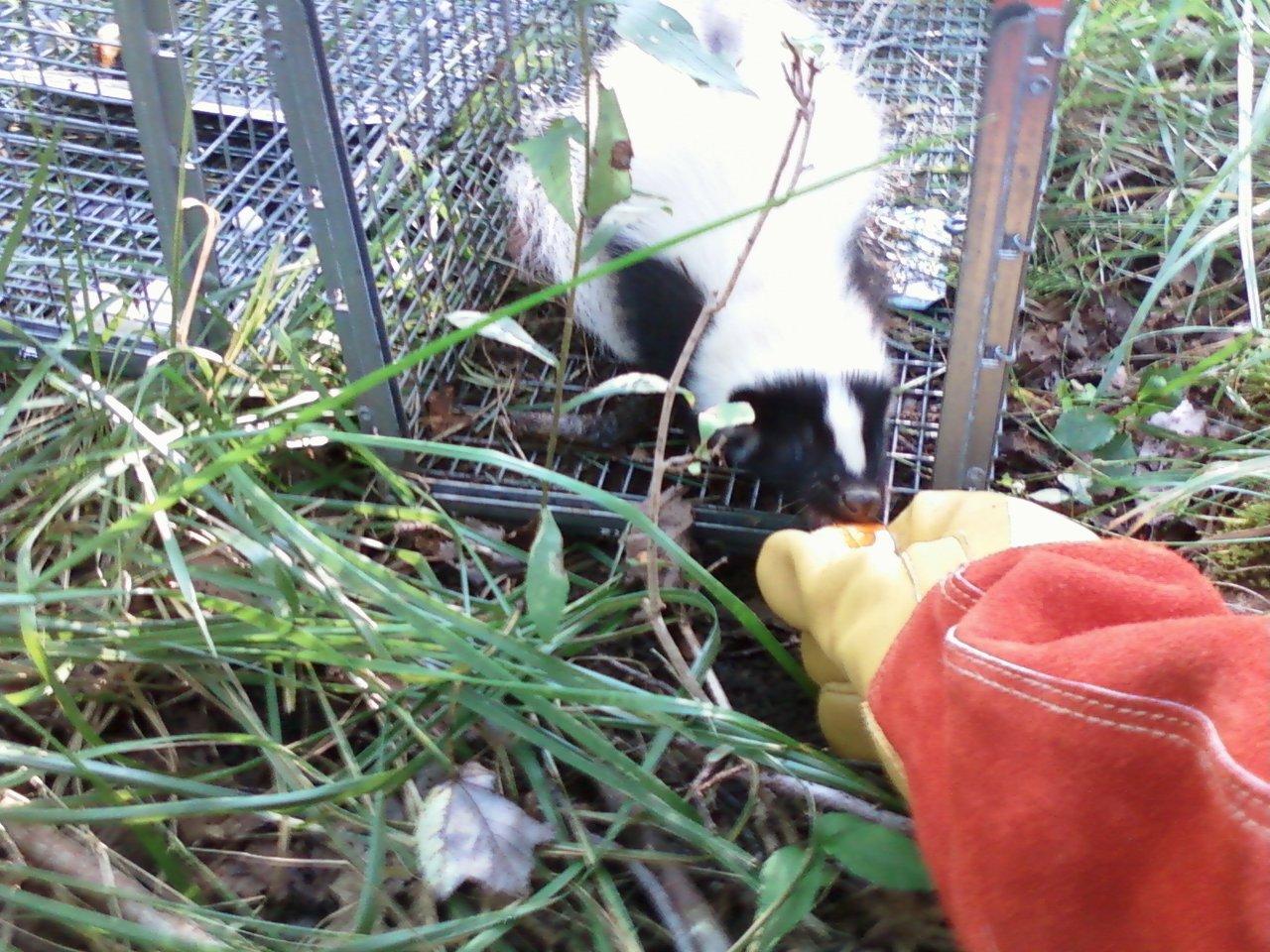
Long-term skunk control means more than trapping alone. Proper skunk removal includes identifying the active den site, checking carefully for young during baby season, removing the animals safely, sealing the access point, and helping prevent future activity.
Professional Skunk Removal Services
Skunk problems in Connecticut often involve active den sites underneath decks, sheds, porches, crawlspaces, stairs, and additions. Proper skunk removal requires more than simply trapping the animal. The den area needs to be inspected carefully, especially during baby season, before exclusion work can safely be completed.
Floyd’s Pest & Wildlife Control provides skunk removal services for residential and commercial properties dealing with odor problems, digging damage, denning activity, lawn damage, and recurring wildlife issues around structures.
- Skunk trapping and removal
- Under-deck skunk removal
- Shed and porch skunk removal
- Crawlspace skunk removal
- Mother and baby skunk removal
- Skunk den inspections
- Exclusion trenching and screening
- Deck barrier installation
- Foundation gap sealing
- Wildlife-proofing vulnerable areas
- Skunk odor control services
- Lawn and digging damage inspections
- Wildlife prevention services
Once the skunks are removed, the den area should be properly secured. If the opening underneath the structure remains accessible, another skunk may eventually use the same location again.
Why Skunks Choose Human Structures & Neighborhoods
Skunks thrive around Connecticut homes because residential properties provide almost everything they need — easy food, safe shelter, water sources, and protection from predators.
Many homeowners think skunks randomly wander onto the property, but most skunk problems are caused by conditions that consistently attract them to neighborhoods and structures.
Modern lawns are one of the biggest attractants. Fertilized and watered lawns often contain far more grubs, beetles, worms, and insects than surrounding wooded areas or natural habitat. To a skunk, a suburban lawn can function like a large feeding area.
Bird feeders also attract skunks constantly. Seed scattered onto the ground becomes an easy nighttime food source, especially during colder months or dry periods when natural food is less available.
Other common food attractants include:
- Pet food left outside
- Garbage and compost
- Outdoor cat feeding stations
- Gardens and fallen fruit
- Insect-heavy lawns
Skunks are considered “edge animals,” meaning they naturally prefer traveling along transition zones where cover and open space meet. Around homes, this often means they follow:
- Fence lines
- Hedges and shrubs
- Retaining walls
- Deck edges
- Foundation lines
- Woodlines bordering neighborhoods
These travel routes help skunks feel protected while moving through the environment. Thick landscaping and fencing provide security from predators while still allowing access to food sources around the property.
Ironically, skunks are often safer living near people than in completely wild areas. Large predators such as coyotes, bobcats, foxes, and birds of prey are often less active in dense residential neighborhoods. This makes neighborhoods attractive denning areas, especially for female skunks raising young.
Once skunks discover a safe den site underneath a deck, shed, porch, or crawlspace near reliable food sources, they may continue using the area repeatedly unless the structure is properly secured.
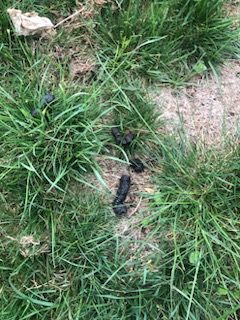
Signs You May Have a Skunk Problem
Many Connecticut homeowners first notice skunks because of the odor, but smell is not always the first sign. Skunks are mostly nocturnal and often remain hidden underneath structures during the day.
- Strong skunk odor around the home
- Digging near decks, sheds, or foundations
- Small holes in the lawn from grub feeding
- Nocturnal movement near structures
- Pets reacting to areas under decks or sheds
- Visible den openings beneath structures
- Tracks near crawlspaces or foundations
- Skunk sightings near the home at night
- Odor entering crawlspaces or basements
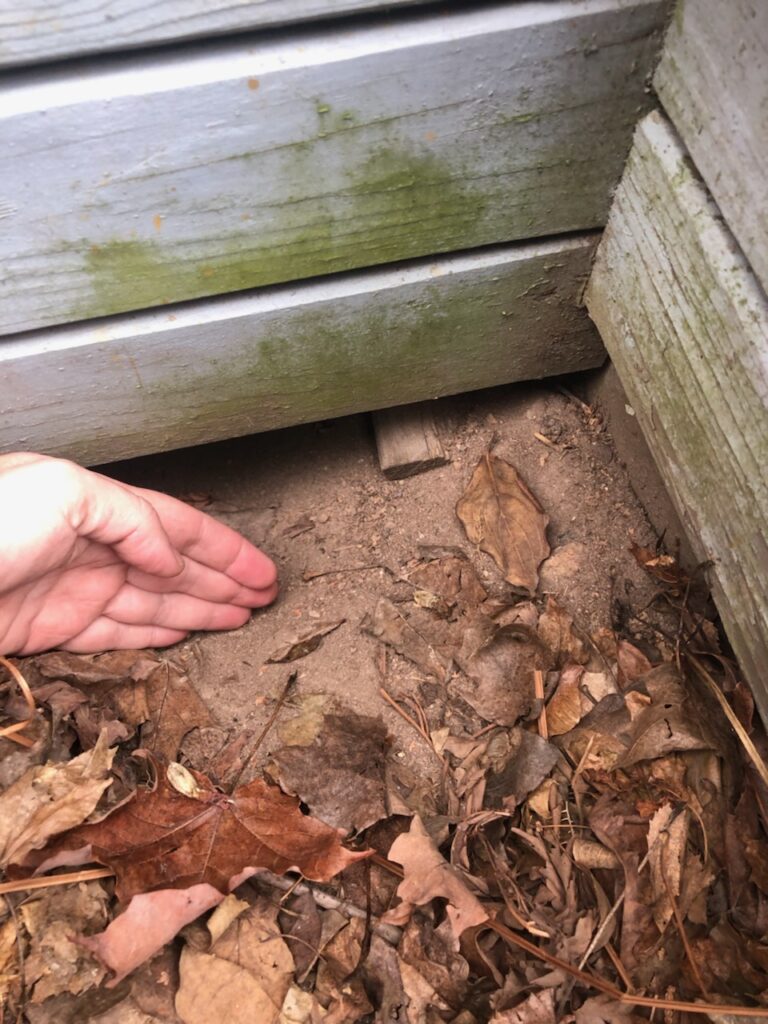
Common Skunk Den Areas Around Homes
Skunks prefer low, protected areas where they can avoid predators and remain hidden during the day. Most Connecticut skunk jobs involve den sites underneath structures.
| Den Area | Why Skunks Use It |
|---|---|
| Decks | Low decks provide dark shelter and easy protection close to the home. |
| Sheds | Skunks commonly den underneath sheds with open perimeter gaps. |
| Porches and stairs | Enclosed porch areas create hidden protected spaces. |
| Crawlspaces | Damaged crawlspace vents or foundation gaps allow skunks underneath homes. |
| Additions and slabs | Open gaps under slabs or additions create ideal den sites. |
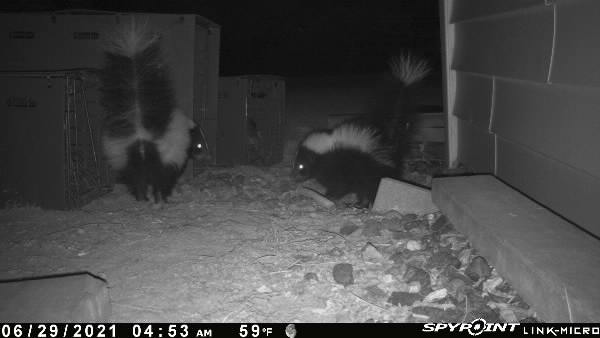
Baby Skunks Under Decks & Sheds
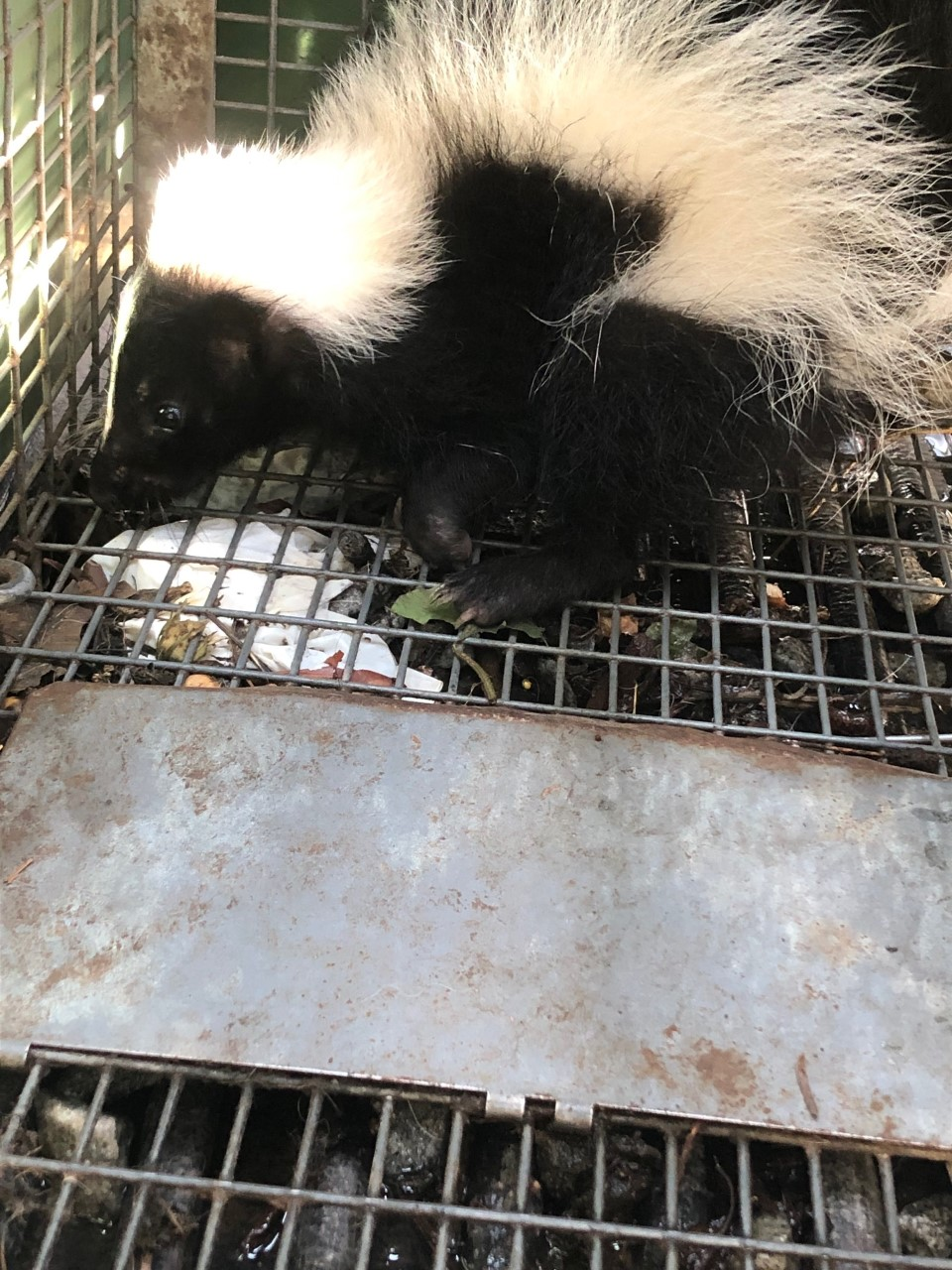
Spring and early summer are peak baby skunk season in Connecticut. Female skunks commonly use decks, sheds, porches, crawlspaces, and additions as protected den sites for raising young.
Baby skunks typically remain in the den area for several weeks before becoming active outside with the mother. During this time, homeowners may notice increasing odor, digging activity, or nighttime movement around the structure.
Young skunks are also notorious for appearing during daylight hours once they begin exploring outside the den. Homeowners are often surprised to suddenly find several small skunks wandering around the yard, patio, deck, or grill area during the day.
Unlike adult skunks, young skunks are often extremely curious and poorly coordinated. They may stomp their feet, approach people, bounce toward movement, or follow activity around the yard out of curiosity. In many cases, young skunks are more interested in sniffing than spraying.
To homeowners unfamiliar with skunk behavior, this can be unnerving — especially when multiple baby skunks suddenly appear during a backyard gathering or barbecue.
Even though young skunks rarely spray compared to adults, they should still be left alone and not approached or cornered. The mother is usually nearby and may become defensive if she feels the litter is threatened.
This changes the removal strategy completely. If young skunks are present, simply sealing the opening can trap animals underneath the structure. A proper inspection helps determine:
- If young are present
- How active the den site is
- Whether the mother is still nursing
- When exclusion can safely be completed
- Whether direct removal of the litter is necessary
The goal is to remove the skunks safely, avoid trapping animals underneath the structure, and properly secure the den area once it is inactive.
Our Skunk Removal & Exclusion Process
Every skunk problem is different. Some Connecticut skunk jobs involve a single skunk using a temporary den site, while others involve active mother skunks with young underneath decks, sheds, porches, crawlspaces, or additions.
The goal is not just to remove the skunk — it is to identify why the property attracted the animal in the first place, safely remove the skunks, and properly secure the structure to help prevent the problem from returning.
1. Full Property Inspection
We inspect the property to identify:
- Active den areas
- Digging and travel routes
- Open access points
- Tracks and odor sources
- Deck and shed gaps
- Crawlspace openings
- Foundation weaknesses
- Food and attractant sources
Many skunk jobs involve more than one possible den location, especially on larger properties with multiple structures.
2. Determine Activity & Baby Season Risk
We determine whether the skunk is actively using the den and whether young may be present underneath the structure. This is especially important during spring and early summer when female skunks commonly den under decks and sheds while raising litters.
Simply sealing an opening too early can trap skunks underneath the structure and create major odor or digging problems.
3. Remove the Skunks Safely
Depending on the situation, removal may involve:
- Professional skunk trapping
- One-way exclusion devices
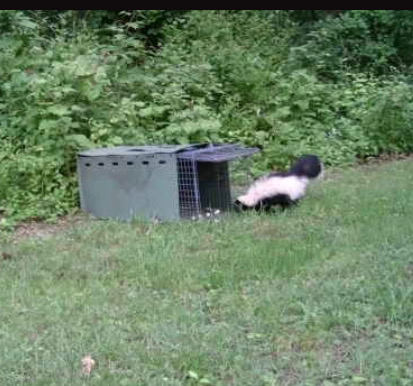
- Direct removal of young
- Monitoring den activity
- Timing exclusion around baby season
Trap placement is important with skunks because improper handling can increase the chance of spraying around the property.
4. Exclusion & Structural Protection
Once the skunks are removed, the den area should be properly secured using durable exclusion materials. This often includes:
- Exclusion trenching
- Heavy-duty screening
- Deck barriers
- Foundation sealing
- Crawlspace protection
- Securing low gaps around structures
Without proper exclusion, another skunk may eventually reuse the same den site.
5. Long-Term Prevention
Long-term skunk prevention focuses on making the property less attractive to wildlife. This may include:
- Reducing lawn grub activity
- Removing outdoor food sources
- Cleaning up bird seed buildup
- Correcting structural gaps
- Improving exclusion around decks and sheds
- Reducing thick ground cover near den sites
Most recurring skunk problems happen because the original den access or food attractant was never corrected.
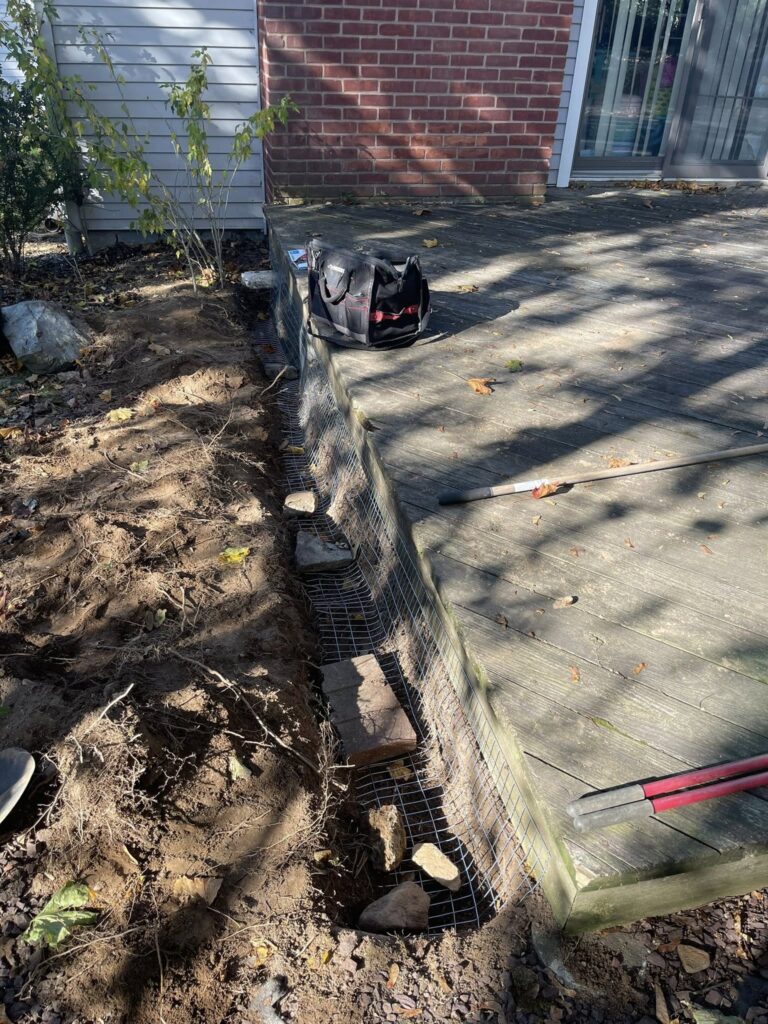
Skunk Exclusion & Trenching Around Decks and Structures
One of the most effective long-term solutions for skunks underneath decks, sheds, porches, crawlspaces, and additions is exclusion trenching. Simply trapping or removing the skunk does not stop another animal from using the same den site later if the area remains open.
Skunks are digging animals and can easily reopen shallow barriers or weak repairs. Proper exclusion work usually involves installing heavy-duty screening around the perimeter of the structure and trenching the material into the ground to help prevent skunks from digging underneath it.
A typical skunk exclusion trenching project may include:
- Inspecting the structure for active den areas
- Confirming all skunks are out before sealing
- Installing heavy-gauge screening or exclusion material
- Trenching the barrier into the soil
- Securing low gaps beneath decks, sheds, and stairs
- Reinforcing corners and digging areas
- Correcting weak spots around the structure perimeter
Skunk trenching is especially important around:
- Low decks
- Sheds
- Raised porches
- Mobile additions
- Crawlspace openings
- Slab edges and foundation gaps
Without trenching, skunks may simply dig underneath the barrier or reopen the den site later. Proper exclusion helps turn the structure from an easy shelter area into a protected space that is much less attractive to wildlife.
Exclusion work should only be completed after confirming the den area is inactive. Sealing active skunks underneath a structure can create odor problems, digging damage, and trapped animals.
Call or text 860-319-3216 for skunk removal, trapping, exclusion, and odor control services in Connecticut.
Skunk Odor Problems Around Homes
One of the biggest concerns with skunks is odor. Even when a skunk does not directly spray a person or pet, active den sites underneath decks, sheds, porches, crawlspaces, additions, and stairs can create persistent odor problems around the property.
Many homeowners are surprised to learn that strong skunk odor is often caused by skunks simply living underneath the structure — not necessarily from a direct spray incident. Repeated denning activity, stress spraying, territorial behavior, and concentrated scent buildup around the den site can all contribute to lingering odor.
Odor problems tend to become worse during:
- Breeding season
- Mother-and-young denning activity
- Hot humid weather
- Repeated use of the same den site
- Conflicts between multiple skunks
Skunk odor can travel surprisingly far and often enters:
- Crawlspaces
- Basements
- Garages
- HVAC systems
- Outdoor living areas
- Nearby windows and vents
- Porches and patios
- Attached sheds or additions
Properties with low decks, enclosed porches, or poor crawlspace ventilation are especially prone to odor buildup because the smell becomes trapped underneath the structure.
Skunk odor problems are also commonly linked to pets. Dogs investigating den sites underneath decks or sheds frequently trigger defensive spraying incidents that can spread odor across the yard, siding, patios, and entry areas.
Long-term odor control usually requires more than simply waiting for the smell to fade. If skunks continue using the den site underneath the structure, the odor often returns repeatedly until the animals are removed and the area is properly secured.
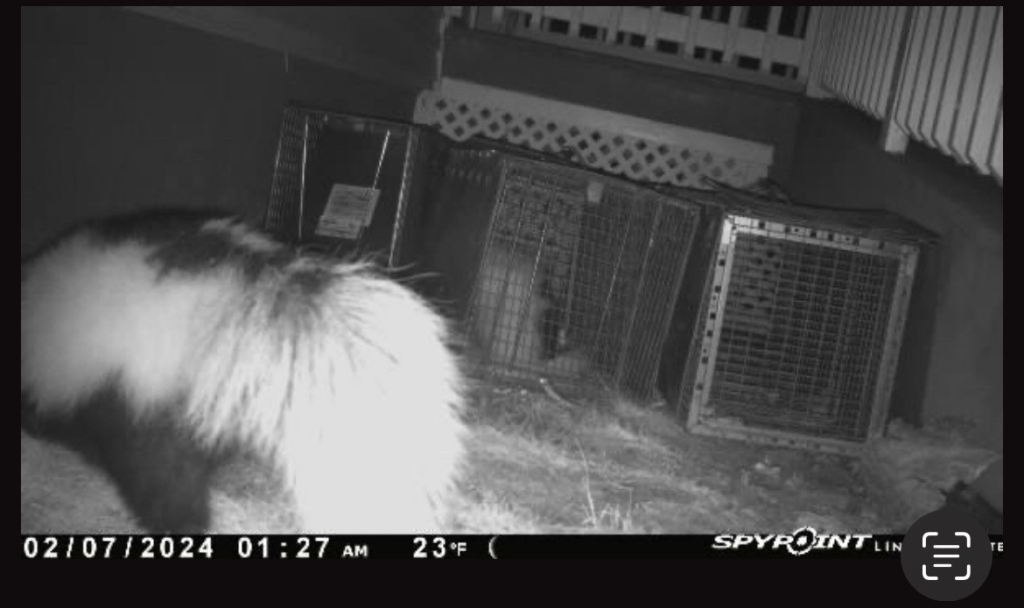
Skunk Breeding Season in Connecticut
Late winter and early spring are peak skunk breeding season in Connecticut. During this time, skunk activity often increases dramatically around homes, neighborhoods, sheds, decks, crawlspaces, and roadways.
Male skunks travel long distances searching for females during breeding season and may move through multiple neighborhoods, wooded areas, and properties in a short period of time. It is not unusual for male skunks to travel several miles while searching for breeding opportunities.
This increased movement is one reason homeowners suddenly begin noticing:
- Strong skunk odor around the property
- More nighttime wildlife activity
- Skunks underneath decks or sheds
- Increased spraying incidents
- Roadkill skunks during late winter and spring
- Digging around foundations and structures
Breeding season also tends to increase spraying behavior. Male skunks competing with each other may spray during territorial disputes, encounters near den sites, or stressful interactions around homes and structures.
Even when a skunk does not directly spray a person or pet, repeated spraying around a den area can create persistent odor problems near decks, crawlspaces, garages, patios, HVAC systems, and basement areas.
After breeding season, female skunks often begin searching for safe den sites underneath structures where they can later raise young during spring and early summer.
Why Skunk Problems Keep Returning
Skunk problems often return because the den site underneath the structure was never properly secured. Trapping alone does not stop another skunk from using the same opening later.
Common reasons skunk problems return include:
- Open access beneath decks or sheds
- Damaged crawlspace vents
- Food sources around the property
- Grub activity in lawns
- Unsealed foundation gaps
- Heavy vegetation or brush piles
- Weak exclusion repairs
The best long-term solution is removal combined with exclusion and prevention.
Skunk Removal for Homes, Decks, Crawlspaces & Commercial Properties
Floyd’s Pest & Wildlife Control provides skunk removal services throughout Connecticut for residential and commercial properties dealing with denning skunks, odor problems, digging damage, lawn damage, and recurring wildlife activity around structures.
Most Connecticut skunk problems involve animals using protected areas underneath structures where they can safely den during the day and raise young during spring and early summer.
We provide skunk control for:
- Homes
- Decks
- Sheds
- Porches
- Crawlspaces
- Garages
- Commercial properties
- Apartment buildings
- Restaurants
- Banks and office buildings
- Storage buildings
- Landscaped properties
- Retail plazas
- Schools and municipal buildings
Commercial skunk problems can become especially disruptive during baby season. It is not unusual for multiple young skunks to begin wandering around parking lots, sidewalks, ATM areas, patios, dumpsters, landscaping beds, and customer entrances during daylight hours.
Young skunks are naturally curious and may approach people, stomp their feet, or wander directly toward customers and employees. While young skunks are often more curious than aggressive, the situation can quickly become stressful for businesses when customers are suddenly confronted by several baby skunks near entrances or outdoor seating areas.
Banks, restaurants, office buildings, and apartment complexes commonly experience complaints when skunks den underneath decks, stair systems, loading docks, sheds, or landscaping features close to heavy foot traffic.
Skunk odor can also create major issues around commercial properties by affecting:
- Customer entrances
- Outdoor seating areas
- HVAC systems
- Dumpster locations
- Drive-thru lanes
- Employee entrances
- Loading areas
- Shared walkways
Commercial skunk control often requires both removal and long-term exclusion work to stop recurring denning activity around the building.
Frequently Asked Questions About Skunk Removal
Why do skunks live under decks and sheds?
Decks and sheds provide dark, protected shelter close to food and water sources.
Do skunks dig under homes?
Yes. Skunks commonly dig around foundations, crawlspaces, porches, and sheds to create den access.
When do skunks have babies in Connecticut?
Baby skunk season is typically during spring and early summer.
Can I seal the hole after the skunk leaves?
The structure should only be sealed after confirming all skunks are out of the den area.
What attracts skunks to my property?
Common attractants include grubs, insects, pet food, bird seed, garbage, brush piles, and easy den access under structures.
Do skunks damage lawns?
Yes. Skunks commonly dig small holes while searching for grubs and insects.
Do you provide skunk exclusion services?
Yes. We provide deck barriers, crawlspace exclusion, foundation gap sealing, and other wildlife prevention services.
Will trapping alone solve the problem?
No. If the den site remains accessible, another skunk may move in later.
Skunk Removal Service Areas in Connecticut
Floyd’s Pest & Wildlife Control provides skunk removal, trapping, exclusion, odor control, deck barrier installation, and wildlife prevention services throughout Connecticut. We are actively building dedicated county and town wildlife removal pages across the state.
New London County
Skunk removal services throughout southeastern Connecticut including shoreline communities, wooded neighborhoods, and rural properties.
View New London County Service Areas →Middlesex County
Professional skunk trapping, exclusion, and odor control services throughout Middlesex County and Connecticut River towns.
View Middlesex County Service Areas →Hartford County
Skunk control services for Hartford County homes, commercial properties, crawlspaces, decks, and landscaped areas.
View Hartford County Service Areas →New Haven County
Wildlife removal and skunk exclusion services throughout New Haven County including shoreline and suburban communities.
View New Haven County Service Areas →Fairfield County
Skunk trapping and prevention services throughout Fairfield County including dense suburban and commercial areas.
View Fairfield County Service Areas →Related Wildlife Removal Services
Many Connecticut properties dealing with skunks also experience problems with raccoons, squirrels, rodents, bats, and other nuisance wildlife. We provide complete wildlife removal, exclusion, cleanup, and prevention services throughout Connecticut.