Mole & Vole Control in Connecticut
Floyd’s Pest & Wildlife Control provides professional mole control, vole control, trapping, inspections, lawn damage evaluation, and wildlife prevention services throughout Connecticut.
Moles and voles can create major lawn and landscape damage around homes, commercial properties, gardens, farms, golf course edges, and landscaped areas throughout Connecticut.
Call/Text 860-319-3216Mole & Vole Control Services in Connecticut
Floyd’s Pest & Wildlife Control provides professional mole control, vole control, trapping, inspections, and lawn protection services throughout Connecticut.
Moles and voles are two completely different animals, but homeowners frequently confuse them because both can create major lawn and landscape damage.
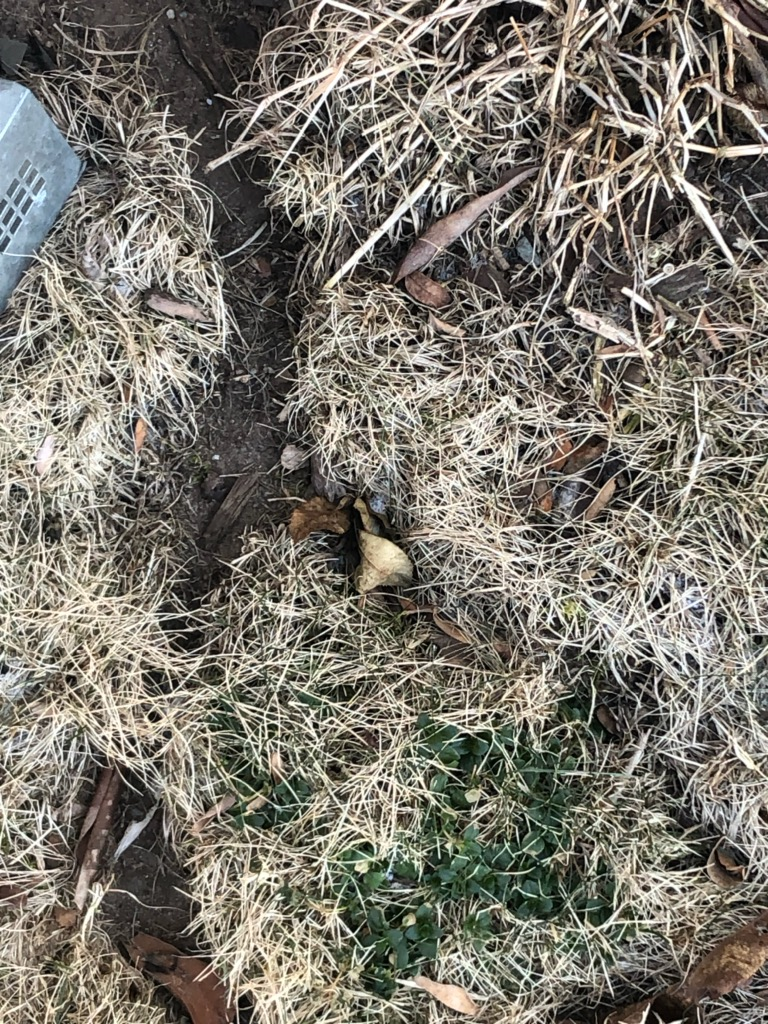
Moles are insect-eating tunneling animals that create raised surface tunnels and excavation damage while searching for worms, grubs, and underground insects.
Voles are small rodents that damage lawns, gardens, roots, bulbs, bark, mulch beds, and landscaping while creating shallow runways throughout vegetation and grass.
Many Connecticut lawn damage problems actually involve both species using the same property at the same time.
Mole vs Vole – What’s the Difference?
| Animal | Primary Damage | Diet | Most Common Signs | Typical Habitat |
|---|---|---|---|---|
| Moles | Raised tunnels and lawn upheaval | Worms, grubs, underground insects | Surface tunnels, mounds, soft collapsing ground | Moist lawns, irrigated soil, landscaped areas |
| Voles | Grass, root, bark, and plant damage | Vegetation, roots, bulbs, bark | Surface runways, dead grass, chewed plants | Mulch beds, heavy vegetation, gardens |
Why Moles & Voles Choose Connecticut Properties
Connecticut lawns and landscaped properties create ideal conditions for both moles and voles because they provide moisture, food, shelter, and protected ground cover.
Moles are especially attracted to:
- Moist soil
- Irrigated lawns
- Heavy grub and worm populations
- Soft digging conditions
- Large landscaped areas
Voles are more attracted to:
- Mulch beds
- Overgrown vegetation
- Dense ornamental plantings
- Gardens
- Ground cover and brushy edges
- Protected feeding areas
Properties with thick landscaping, irrigation systems, heavy mulch, and abundant food sources often experience recurring mole and vole activity.
Common Mole Damage Around Connecticut Lawns
Moles create damage primarily through tunneling activity underneath lawns and landscaped areas.
Many homeowners first notice:
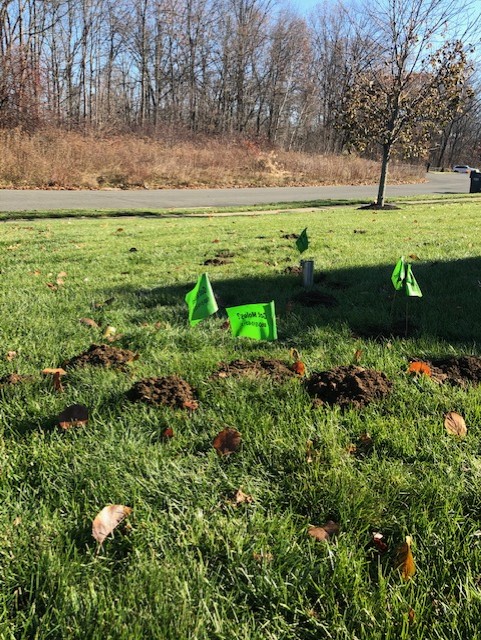
- Raised tunnels throughout the lawn
- Soft collapsing ground
- Mole hills or soil mounds
- Grass separating from soil
- Uneven walking areas
- Lawn mower scalping from tunnel ridges
- Root disturbance around landscaping
While moles do not directly eat grass, their tunneling can severely damage root systems and create major lawn disruption over time.
Connecticut mole problems are especially common in irrigated lawns and heavily landscaped suburban neighborhoods.
Common Moles & Voles Found in Connecticut
Most homeowners never actually see the animal causing the lawn damage because moles and voles spend much of their lives underground or hidden beneath vegetation. However, different species create slightly different behavior patterns and habitat preferences throughout Connecticut.
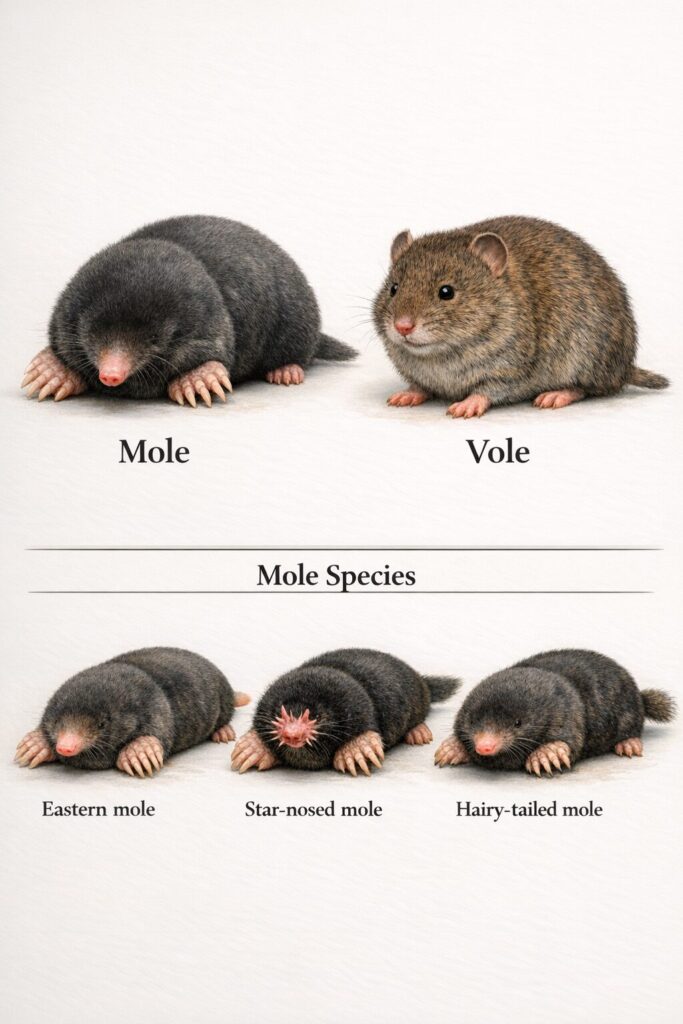
Eastern Mole
The eastern mole is one of the most common mole species found in Connecticut lawns and landscaped areas.
Eastern moles typically have:
- Dark gray to black fur
- Large paddle-shaped front feet
- Very small eyes
- A pointed snout
- A compact body built for digging
They are highly specialized tunneling animals and spend most of their lives underground searching for worms, grubs, and underground insects.
Star-Nosed Mole
The star-nosed mole is one of the most unusual mammals found in Connecticut. It is easily identified by the distinctive ring of fleshy sensory tentacles surrounding its nose.
Star-nosed moles are strongly associated with:
- Wet soil
- Marshes
- Drainage areas
- Wet lawns
- Stream edges
- Pond areas
Unlike many other mole species, star-nosed moles are excellent swimmers and may actually swim through flooded tunnel systems and wet underground pathways.
Properties with standing water, drainage problems, or heavily saturated soil may experience more star-nosed mole activity.
Hairy-Tailed Mole (Brewer’s Mole)
The hairy-tailed mole, sometimes called Brewer’s mole, is more commonly associated with cooler northern and higher elevation areas of Connecticut.
These moles are often found in:
- Northern Connecticut
- Cool wooded areas
- Higher elevation towns
- Rockier soils
- Rural landscapes
Towns like Wolcott, Connecticut and other cooler inland areas can experience hairy-tailed mole activity more frequently than warmer shoreline regions.
Hairy-tailed moles are generally smaller than eastern moles and are adapted for cooler soil environments.
What Do Voles Look Like?
Voles are small rodents often mistaken for mice, but they have several important differences.
Voles typically have:
- Short tails
- Small rounded ears
- Compact stocky bodies
- Blunt snouts
- Brown or gray fur
Unlike mice, voles are heavily tied to ground cover and vegetation. They create shallow surface runways through grass, mulch, gardens, and landscaping while feeding on roots, bark, bulbs, and plant material.
Voles are especially destructive during winter because they continue feeding underneath snow cover while protected from predators.
Many Connecticut homeowners first discover vole problems after snow melt reveals extensive runway systems and bark damage around shrubs and ornamental plants.
Common Vole Damage Around Connecticut Properties
Voles are small rodents that can create surprisingly extensive damage around lawns, gardens, shrubs, mulch beds, and ornamental landscaping.
Unlike moles, voles directly feed on vegetation and plant material.
Common vole damage includes:
- Surface runways through grass
- Dead patches in lawns
- Chewed bark at ground level
- Damage to ornamental shrubs
- Garden and flower damage
- Bulb and root destruction
- Damage underneath snow cover during winter
- Heavy activity in mulch beds
Many vole problems become especially noticeable after snow melt when homeowners suddenly discover extensive runway systems and bark damage around shrubs and trees.
Why Mole & Vole Problems Often Return
One of the biggest frustrations for homeowners is recurring mole and vole activity even after previous control attempts.
Many DIY treatments fail because:
- Tunnels are misidentified
- Wrong trap placement is used
- Active runways are not identified correctly
- Food sources remain abundant
- Neighboring populations continue expanding
- Ideal habitat conditions remain unchanged
Moles can continue moving through favorable soil conditions while voles reproduce rapidly in protected landscaping and vegetation.
Long-term control often requires both population reduction and habitat modification.
Our Mole & Vole Control Process
1. Property Inspection
We inspect the property to determine whether the damage is caused by moles, voles, or both species.
2. Identify Active Areas
We identify active tunnels, feeding areas, runways, and likely travel routes throughout the property.
3. Treatment & Trapping
Depending on the situation, control may involve trapping, targeted treatment methods, and activity monitoring.
4. Habitat Evaluation
We evaluate conditions contributing to recurring activity such as irrigation, mulch buildup, overgrown vegetation, grub pressure, and protected cover.
5. Prevention Recommendations
Long-term prevention may include vegetation management, mulch reduction, lawn improvements, and habitat modification.
Mole & Vole Problems Around Commercial Properties
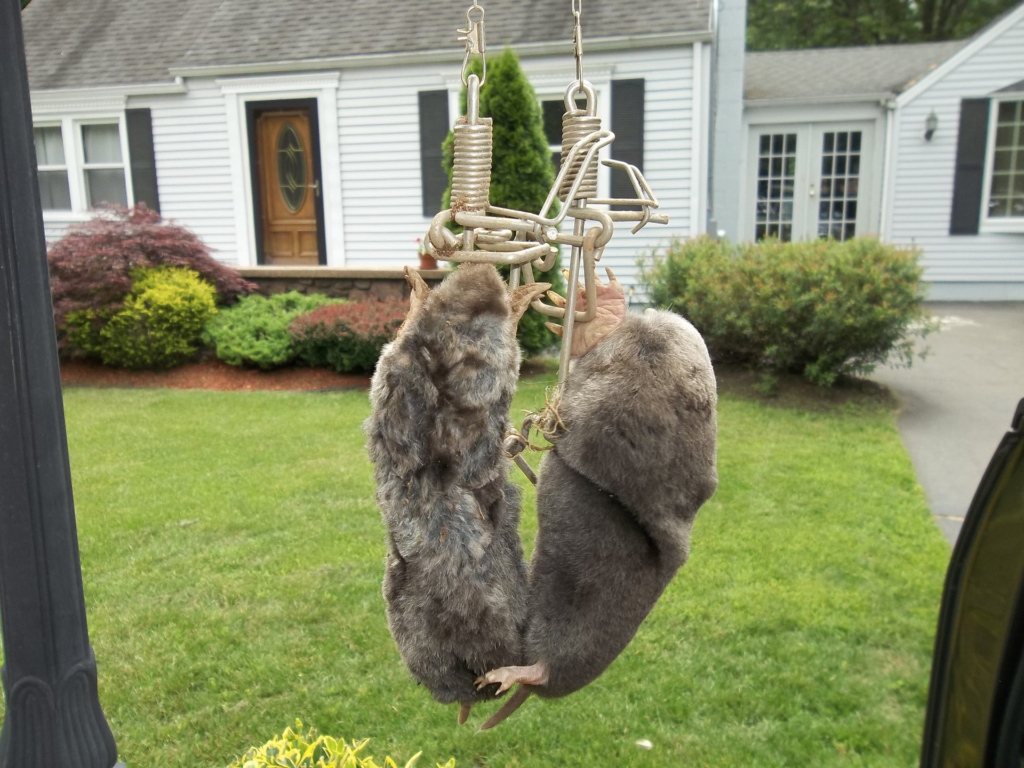
Mole and vole activity can also create major problems around commercial landscapes, apartment complexes, athletic fields, municipal properties, golf course edges, schools, and professionally landscaped areas.
Common commercial concerns include:
- Trip hazards from tunnels
- Damage to expensive landscaping
- Dead lawn areas
- Undermining around walkways
- Complaints from tenants or customers
- Damage around irrigation systems
- Landscape replacement costs
Large irrigated commercial properties often provide ideal conditions for recurring mole activity.
Signs You May Have a Mole or Vole Problem
- Raised lawn tunnels
- Soft or collapsing ground
- Dead grass patches
- Surface runways through grass
- Chewed shrubs or bark
- Mounds of soil
- Landscape damage near mulch beds
- Recurring lawn damage despite repairs
- Visible rodent pathways after snow melt
Call or text 860-319-3216 for professional mole and vole control services in Connecticut.
Frequently Asked Questions About Mole & Vole Control
What is the difference between a mole and a vole?
Moles are tunneling insect-eaters while voles are small rodents that feed on vegetation and roots.
Do moles eat grass?
No. Moles primarily eat worms, grubs, and underground insects.
Why do mole tunnels keep showing up?
Moles continue using favorable soil conditions with abundant underground food sources.
Can voles kill shrubs and plants?
Yes. Voles commonly damage roots, bark, bulbs, and ornamental landscaping.
Why is my lawn collapsing in spots?
Active mole tunnels can create soft collapsing ground underneath lawns.
Are mole hills and vole runways the same thing?
No. Mole activity usually creates raised tunnels and mounds, while voles create shallow surface runways through grass and vegetation.
Do mole and vole problems get worse during certain seasons?
Yes. Vole damage is often most noticeable after winter snow melt, while mole activity commonly increases during wet seasons.
Can mole and vole problems return after treatment?
Yes. Favorable habitat conditions and neighboring populations can allow activity to return over time.
Mole & Vole Control Service Areas in Connecticut
Floyd’s Pest & Wildlife Control provides professional mole control, vole control, lawn inspections, trapping, and wildlife prevention services throughout Connecticut.
New London County
Mole and vole control services throughout southeastern Connecticut residential and commercial properties.
Middlesex County
Lawn damage inspections and mole trapping services throughout Middlesex County and Connecticut River towns.
Hartford County
Professional mole and vole control services for Hartford County lawns, landscapes, and commercial properties.
New Haven County
Mole trapping and vole control services throughout New Haven County suburban and landscaped properties.
Fairfield County
Professional lawn protection and wildlife control services throughout Fairfield County residential and commercial landscapes.
Related Wildlife Removal Services
Many Connecticut mole and vole problems occur alongside rodent activity, snake activity, woodchuck burrows, and other wildlife issues around landscaped and residential properties.
Stop Mole & Vole Damage at the Source
Mole and vole problems are usually connected to favorable soil conditions, lawn irrigation, grub activity, heavy mulch, overgrown vegetation, and protected feeding areas around the property.
Floyd’s Pest & Wildlife Control provides professional mole trapping, vole control, lawn inspections, wildlife prevention, and property protection services throughout Connecticut.
Mole Control • Vole Control • Lawn Protection