Rodent Control & Contamination Cleanup in Connecticut
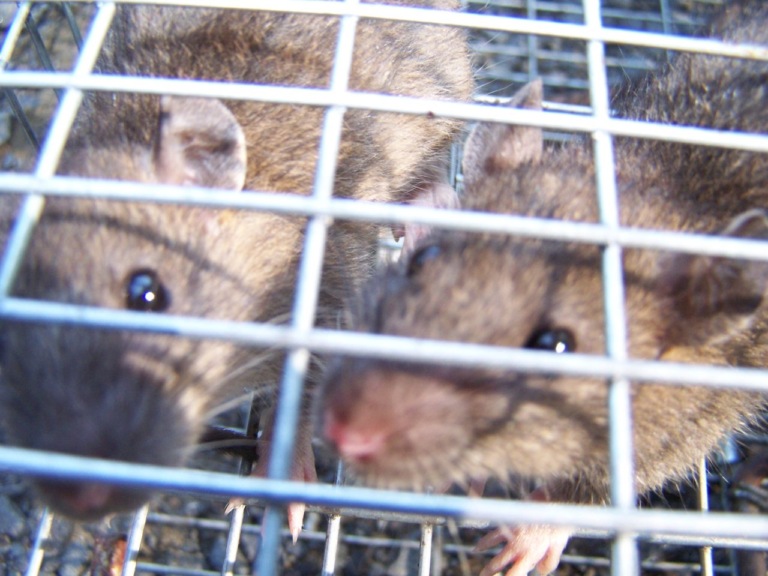
Rodent problems are more than just an inconvenience. Mice and rats can contaminate insulation, damage structures, create strong odors, spread bacteria, and leave behind droppings and urine throughout attics, crawlspaces, basements, garages, wall voids, and storage areas.
Rodent droppings and urine can also create health concerns inside enclosed spaces. In rare cases, rodents may carry diseases such as Hantavirus, which is associated with exposure to contaminated droppings, nesting material, and airborne particles in heavily contaminated areas. Large infestations inside attics, crawlspaces, garages, sheds, and storage spaces should be handled carefully to reduce exposure risks during cleanup.
At Floyd’s Pest & Wildlife Control, rodent control is not just about trapping or baiting. Long-term rodent control often requires identifying how rodents entered the structure, correcting entry points, and addressing contamination left behind by the infestation.
Exterior baiting programs are also an important part of long-term rodent prevention. By reducing rodent populations around the outside of the structure first, baiting programs can help lower the chances of mice and rats entering the home, garage, crawlspace, attic, or commercial building in the first place. Combined with exclusion work and structural sealing, exterior rodent control helps reduce recurring infestations over time.
Why Rodent Problems Are So Common in Connecticut
Rodent activity is extremely common throughout Connecticut because homes and buildings provide warmth, shelter, food sources, and protected nesting areas during colder weather. As temperatures drop, mice and rats actively search for enclosed spaces where they can nest safely and remain close to food and water sources.
Connecticut’s mix of older homes, wooded neighborhoods, farms, crawlspaces, detached garages, barns, stone foundations, dense residential development, wetlands, and aging infrastructure creates ideal conditions for rodent activity throughout the year.
Mice and rats commonly enter structures through:
- Foundation gaps
- Garage corners
- Utility penetrations
- Crawlspace vents
- Roofline openings
- Siding gaps
- Basement openings
- Damaged door seals
- Openings around pipes and wires
Many Connecticut homes and buildings also contain structural features that rodents can easily exploit, including:
- Older foundations
- Crawlspaces
- Detached garages
- Barns and sheds
- Stone foundations
- Aging rooflines
- Cluttered storage areas
- Attic voids and wall spaces
Exterior conditions also play a major role in rodent activity. Overgrown vegetation, stacked firewood, bird feeders, pet food, dumpsters, drainage areas, and clutter around the structure can all attract mice and rats closer to the building.
Once rodents establish activity inside a structure, infestations can spread quickly through walls, attics, basements, insulation, garages, crawlspaces, and storage areas. Mice can reproduce rapidly inside enclosed spaces, while rats often travel through basements, utility areas, sewer connections, garages, and exterior gaps around the property.
In many Connecticut neighborhoods, rodent activity has become increasingly common due to aging infrastructure, dense housing, warmer winters, and expanding residential development near wooded habitat.
Common Signs of Rodent Activity
Rodent infestations often become serious before homeowners realize the full extent of the problem. Mice and rats are extremely active at night and may remain hidden inside walls, attics, crawlspaces, basements, ceilings, and storage areas long before they are actually seen.
Common signs of rodent activity include:
- Mouse or rat droppings
- Scratching noises inside walls or ceilings
- Chewed wiring or insulation
- Strong ammonia-like odor
- Grease marks along walls and travel routes
- Nesting material in attics or storage areas
- Rodents seen during the daytime
- Food contamination inside kitchens or pantries
- Damage around structural entry points
- Burrowing around foundations or crawlspaces
Many homeowners first notice rodent problems after hearing scratching noises at night, discovering droppings in cabinets or storage areas, or noticing strong odors inside enclosed spaces.
Daytime rodent sightings can sometimes indicate a larger infestation because overcrowding may force rodents to become more active during daylight hours.
In many cases, odor problems and contamination continue spreading long after rodents establish activity inside the structure. The longer an infestation remains active, the more extensive the contamination, nesting damage, and structural problems can become.
Why Rodent Contamination Becomes a Serious Problem
Rodent contamination is often far more extensive than homeowners initially realize. Mice and rats do not stay in one isolated area of the structure. Once rodents establish activity inside a home or building, they may travel constantly through attics, crawlspaces, basements, wall voids, garages, storage areas, insulation, utility chases, and HVAC spaces while searching for food, nesting areas, and shelter.
As rodents move through the structure, they continuously leave behind urine, droppings, nesting debris, body oils, hair, and contamination trails that can spread throughout enclosed areas over time.
Rodent contamination commonly builds up inside:
- Attic insulation
- Crawlspaces
- Basements
- Wall voids
- Storage areas
- Garages
- HVAC systems and ductwork
- Cabinets and pantry areas
- Drop ceilings and utility spaces
- Sheds, barns, and outbuildings
In larger infestations, contamination can become widespread long before the homeowner realizes the full extent of the problem. Attic insulation may become saturated with urine, compressed by nesting activity, and heavily contaminated with droppings and odor buildup.
Rodent contamination can contribute to:
- Strong persistent odors inside the home
- Contaminated attic insulation
- Air quality concerns from droppings and urine
- Bacteria exposure and unsanitary conditions
- Attraction for insects and secondary pests
- Chewed wiring and potential fire hazards
- Damage to stored materials and personal belongings
- Long-term contamination inside enclosed spaces
In some situations, rodent infestations may also create health concerns associated with airborne contamination from droppings, nesting material, and dried urine inside enclosed attic or crawlspace areas. Large infestations should be handled carefully during cleanup and removal.
Long-term rodent control often involves more than simply removing the mice or rats themselves. Successful treatment usually requires identifying how rodents entered the structure, correcting access points, reducing active populations, and addressing contamination left behind by the infestation.
Learn more about our rodent control services.
The longer rodents remain active inside the structure, the more extensive the contamination and structural damage can become.
Attic Rodent Contamination
Attics are one of the most common areas for severe rodent contamination throughout Connecticut homes and commercial buildings.
Mice and rats often enter attic spaces through roofline gaps, soffit openings, ridge vents, utility penetrations, damaged siding, and gaps around construction seams. Once inside, rodents commonly nest deep inside insulation while traveling across attic framing, ductwork, electrical wiring, stored materials, and HVAC systems.
Because attics are warm, protected, and rarely disturbed, infestations can continue for long periods before homeowners realize the extent of the problem.
Over time, attic rodent infestations may lead to:
- Flattened or destroyed insulation
- Urine saturation throughout insulation materials
- Large accumulations of droppings
- Nesting debris and shredded materials
- Strong ammonia-like odors
- Contaminated attic airspaces
- Damaged ductwork and flexible HVAC lines
- Chewed electrical wiring and fire hazards
- Staining around entry points and framing
- Secondary insect activity attracted to contamination
Rodents often follow the same travel routes repeatedly, creating heavy contamination patterns along attic edges, wall tops, and insulation pathways.
In severe infestations, insulation may need to be professionally removed and replaced after prolonged rodent activity and contamination.
Many homeowners first notice the problem after hearing scratching noises in ceilings, noticing foul odors, or discovering rodent droppings in living areas connected to attic spaces.
Crawlspace & Basement Rodent Problems
Crawlspaces and basements are also extremely common rodent entry and nesting areas throughout Connecticut.
These lower structural areas often provide ideal rodent conditions due to:
- Moisture and humidity
- Darkness and limited disturbance
- Clutter and stored materials
- Utility penetrations
- Open crawlspace vents
- Foundation gaps and cracks
- Damaged sill plate areas
- Exposed insulation and ductwork
Rodents commonly nest beneath insulation, around stored materials, near HVAC systems, water lines, sump pump systems, and inside wall cavities connected to basement or crawlspace areas.
Because crawlspaces are rarely inspected by homeowners, infestations may continue for months before discovery. In many cases, rodents move between crawlspaces, wall voids, garages, basements, and attic areas using internal structural pathways.
Common signs of crawlspace rodent activity include:
- Droppings along foundation walls
- Burrowing near foundation edges
- Strong odors inside basements
- Chewed insulation or vapor barriers
- Rodent pathways along sill plates
- Nesting materials near HVAC equipment
- Scratching noises inside lower walls
- Contaminated insulation beneath flooring systems
Once rodents establish activity in lower structural areas, populations can expand quickly if entry points remain accessible.
Rodent Entry Points Must Be Corrected
One of the biggest reasons rodent infestations return is because the structure was never properly sealed.
Trapping and baiting may temporarily reduce activity, but new rodents can continue entering if access points remain open. Without proper exclusion work, rodent problems often become repeat infestations.
Long-term rodent control usually requires:
- Full inspection of structural entry points
- Sealing foundation and siding gaps
- Repairing damaged vents and screens
- Reinforcing crawlspace access areas
- Closing utility penetrations
- Securing garage door gaps
- Correcting roofline vulnerabilities
- Sealing soffits, fascia gaps, and construction voids
- Identifying hidden rodent travel routes
Rodent problems are often structural problems. If openings remain accessible, mice and rats will continue finding ways back inside.
Professional rodent control focuses not only on removing active rodents, but also correcting the conditions allowing infestations to continue.
For local rodent control services, visit:
Rodent Cleanup & Sanitization
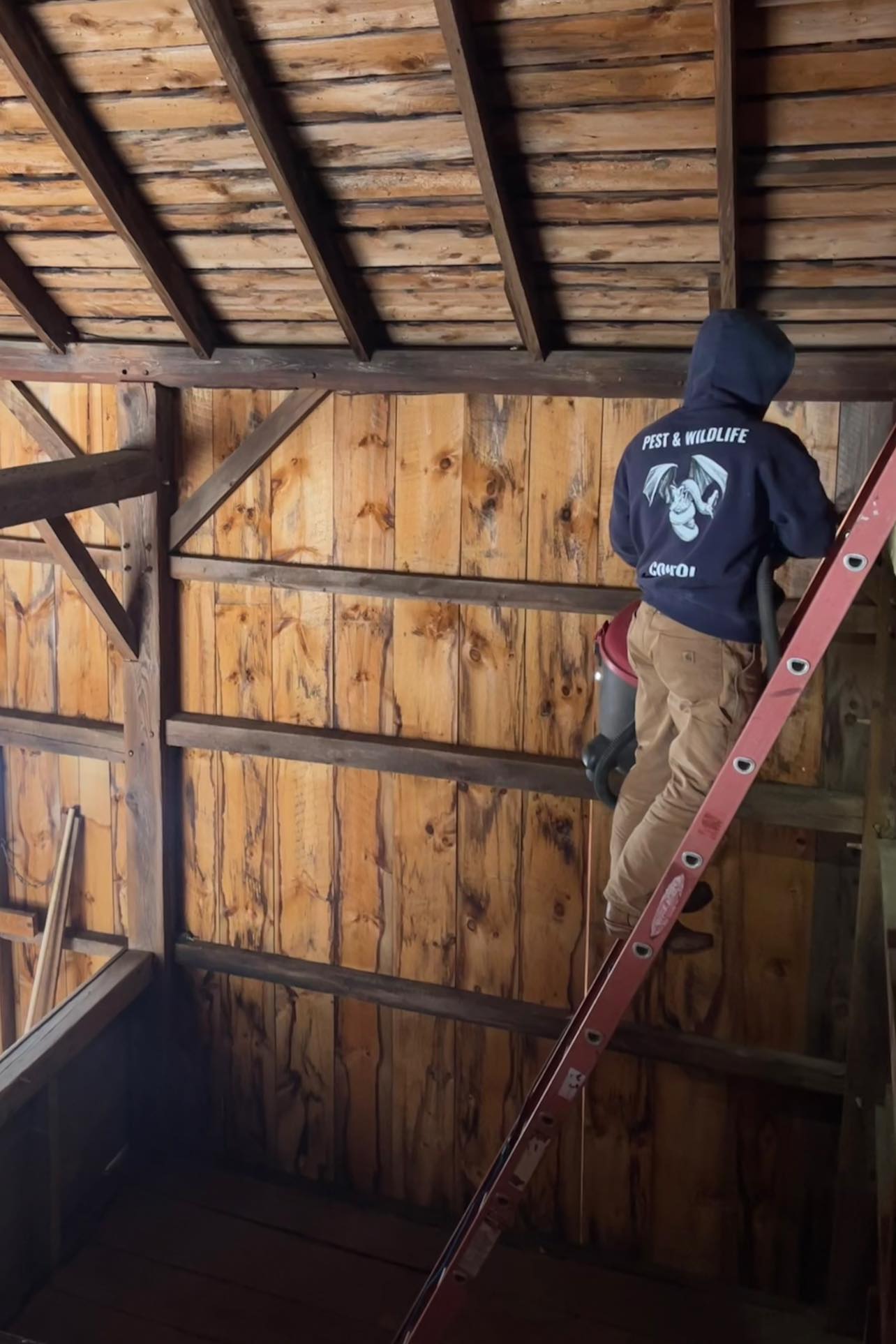
After active rodent infestations are controlled, cleanup may be necessary to address contamination, odor issues, and damaged materials inside the structure.
Rodents commonly leave behind droppings, urine contamination, nesting debris, food waste, and damaged insulation inside attics, crawlspaces, wall cavities, garages, and basement areas. Over time, contamination can spread throughout the structure and create strong odors and unhealthy conditions.
Professional cleanup services may include:
- Removal of contaminated insulation
- Dropping cleanup
- Nest removal
- Sanitization treatments
- Odor reduction
- Contaminated material removal
- Crawlspace cleanup
- Attic restoration
Every structure is different. Some infestations are minor while others involve widespread contamination across large attic or crawlspace areas that have gone unnoticed for extended periods.
In severe infestations, contaminated insulation may lose effectiveness and require removal and replacement to properly restore the area.
Learn more about our full Rodent Control Services.
Why Professional Rodent Control Matters
Rodent infestations often involve more than simply removing mice or rats.
Without correcting the structural access problem, infestations frequently return. Mice and rats can repeatedly enter through the same gaps around foundations, rooflines, crawlspaces, garages, vents, utility penetrations, and siding openings.
Professional rodent control focuses on:
- Identifying how rodents entered
- Reducing active infestations
- Correcting entry points
- Preventing recurring activity
- Addressing contamination problems
- Protecting the structure long-term
At Floyd’s Pest & Wildlife Control, we provide rodent control, exclusion, contamination cleanup, attic cleanup, sanitization, and prevention services throughout Connecticut.
We also provide humane Bat Removal Services throughout Connecticut for homes experiencing bat activity in attics, soffits, and wall spaces.
Rodent Control & Cleanup Services in Connecticut
Floyd’s Pest & Wildlife Control provides:
- Mouse control
- Rat control
- Rodent trapping
- Baiting programs
- Rodent exclusion
- Entry-point sealing
- Attic cleanup
- Crawlspace cleanup
- Sanitization services
- Insulation removal and replacement
- Odor control
- Wildlife prevention services
We work on homes, garages, crawlspaces, attics, sheds, barns, multifamily buildings, and commercial structures throughout Connecticut.
Call Floyd’s Pest & Wildlife Control
If you are hearing scratching noises, finding droppings, noticing strong odors, or dealing with recurring rodent problems, professional inspection and cleanup may be necessary.
Rodent infestations rarely improve on their own and often become worse over time as contamination spreads through the structure.
Floyd’s Pest & Wildlife Control provides professional rodent control and contamination cleanup services throughout Connecticut.
Call or text 860-319-3216 to schedule an inspection.