New London County Wildlife Removal Services
Floyd’s Pest & Wildlife Control provides wildlife removal, rodent control, exclusion, attic cleanup, sanitization, and pest control throughout New London County, Connecticut.
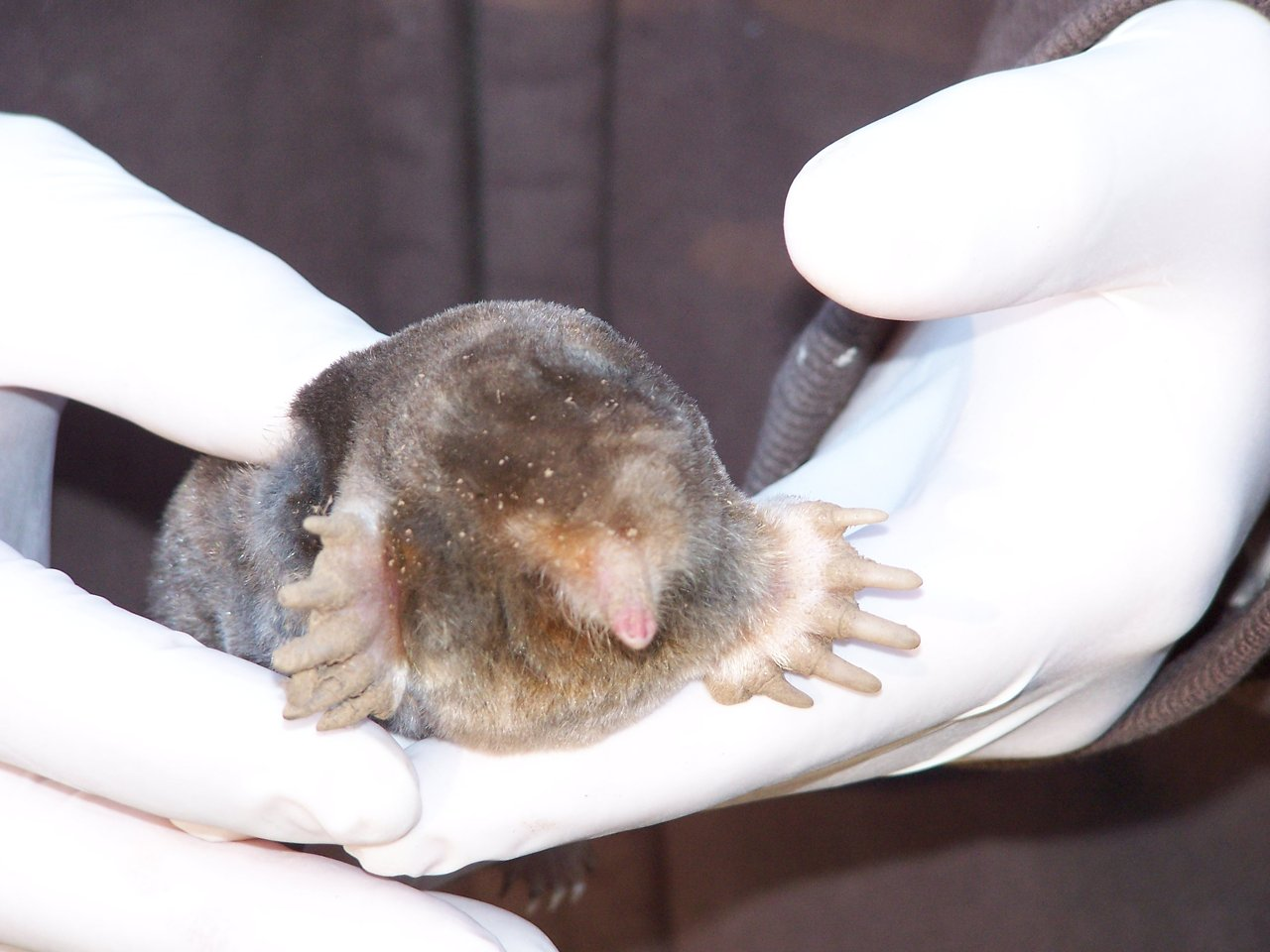
Wildlife problems are common throughout southeastern Connecticut because New London County has a mix of shoreline communities, wooded neighborhoods, older homes, wetlands, stone walls, farms, river corridors, crawlspaces, barns, sheds, and dense residential areas. These conditions create steady pressure from bats, squirrels, raccoons, rodents, skunks, snakes, woodchucks, moles, and voles.
Need wildlife removal in New London County?
Call or Text 860-319-3216⚠️ New London County Rodent Activity Alert – 2026
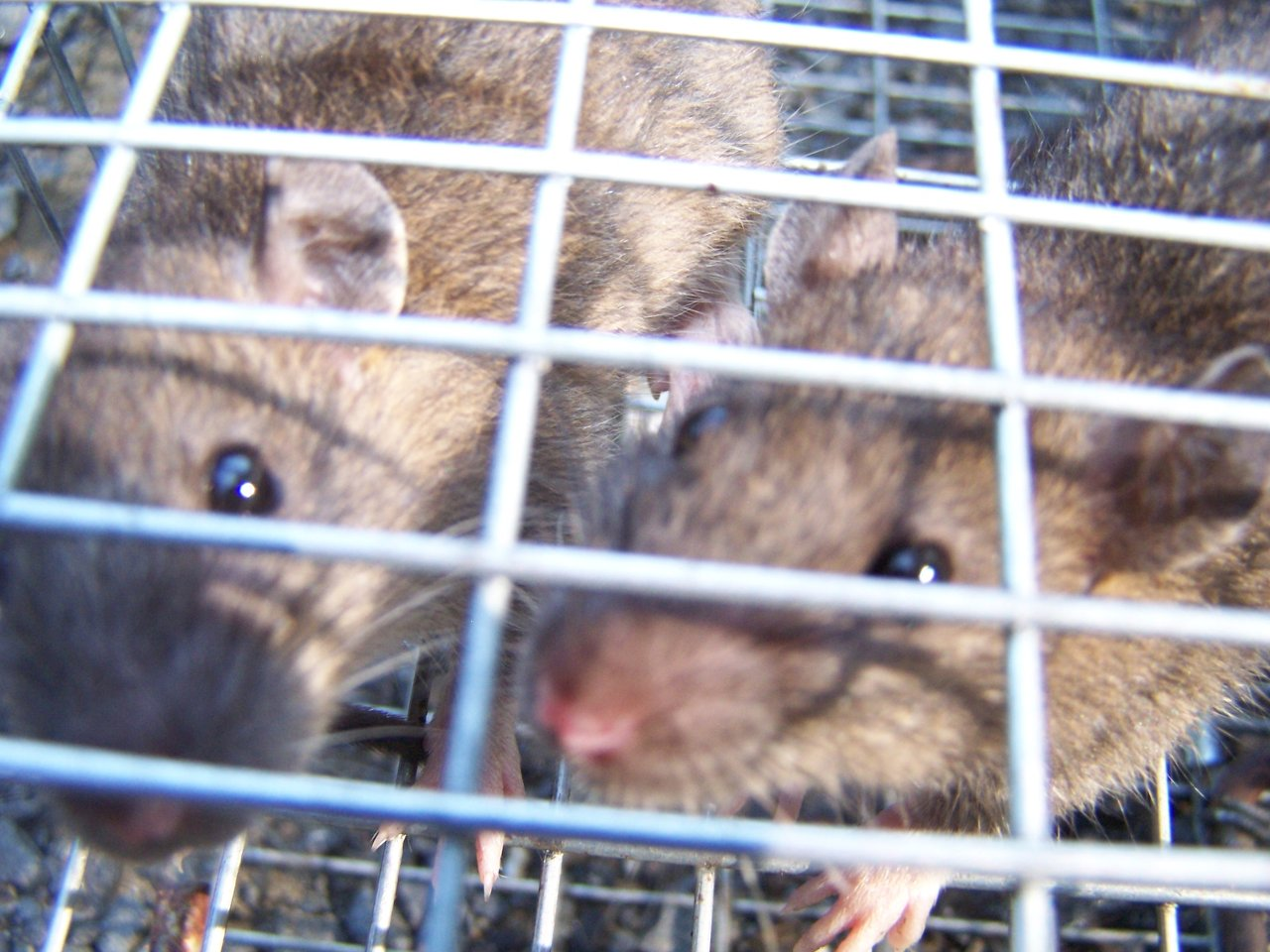
Floyd’s Pest & Wildlife Control is seeing higher than normal mouse and rat activity throughout New London County in 2026, including increased rodent infestations involving attics, crawlspaces, garages, basements, sheds, restaurants, and multifamily housing.
Increased rodent pressure has been reported in shoreline communities, dense residential neighborhoods, and rural towns throughout southeastern Connecticut. Warmer winters, aging structures, food sources, and expanding development are all contributing to rising rat and mouse populations across the region.
Recent national news coverage surrounding hantavirus concerns has also increased awareness about the health and contamination risks associated with rodent infestations and rodent droppings inside homes and buildings.
Why Wildlife Problems Are So Common in New London County
New London County contains one of the most environmentally diverse landscapes in Connecticut. The county includes shoreline communities, tidal wetlands, river corridors, wooded neighborhoods, farms, marsh systems, stone walls, older homes, and dense residential development that create ideal habitat for wildlife throughout the year.
The Thames River, Long Island Sound shoreline, inland wetlands, and southeastern Connecticut forest systems create constant wildlife movement throughout the county. New London County also contains some of the highest concentrations of wetlands in Connecticut, helping support large populations of bats, raccoons, rodents, snakes, skunks, and other wildlife.
Many homes and buildings throughout New London County have aging rooflines, crawlspaces, soffits, detached garages, barns, sheds, and stone foundations that wildlife can easily exploit for shelter. Animals commonly use these protected areas for nesting, denning, breeding, or overwintering.
Properties near wooded edges, marshes, streams, ponds, wetlands, and shoreline habitat often experience especially heavy wildlife pressure. Coastal areas and river systems support strong bat activity while wooded residential neighborhoods create ideal conditions for squirrels, raccoons, skunks, rodents, snakes, and burrowing animals.
In many cases, wildlife problems become recurring structural issues rather than isolated animal encounters. Once animals establish shelter inside attics, crawlspaces, sheds, decks, chimneys, or wall spaces, the activity often continues until the entry point or denning area is properly corrected.
Common Wildlife Problems in New London County
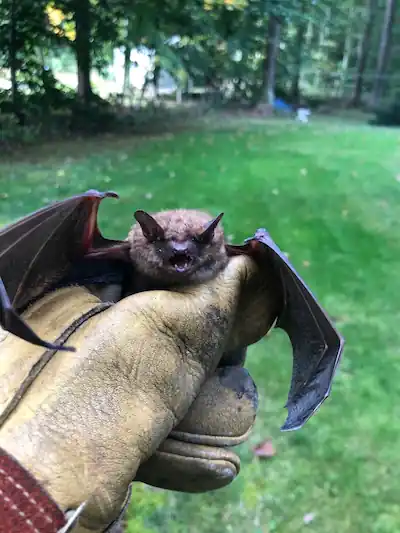
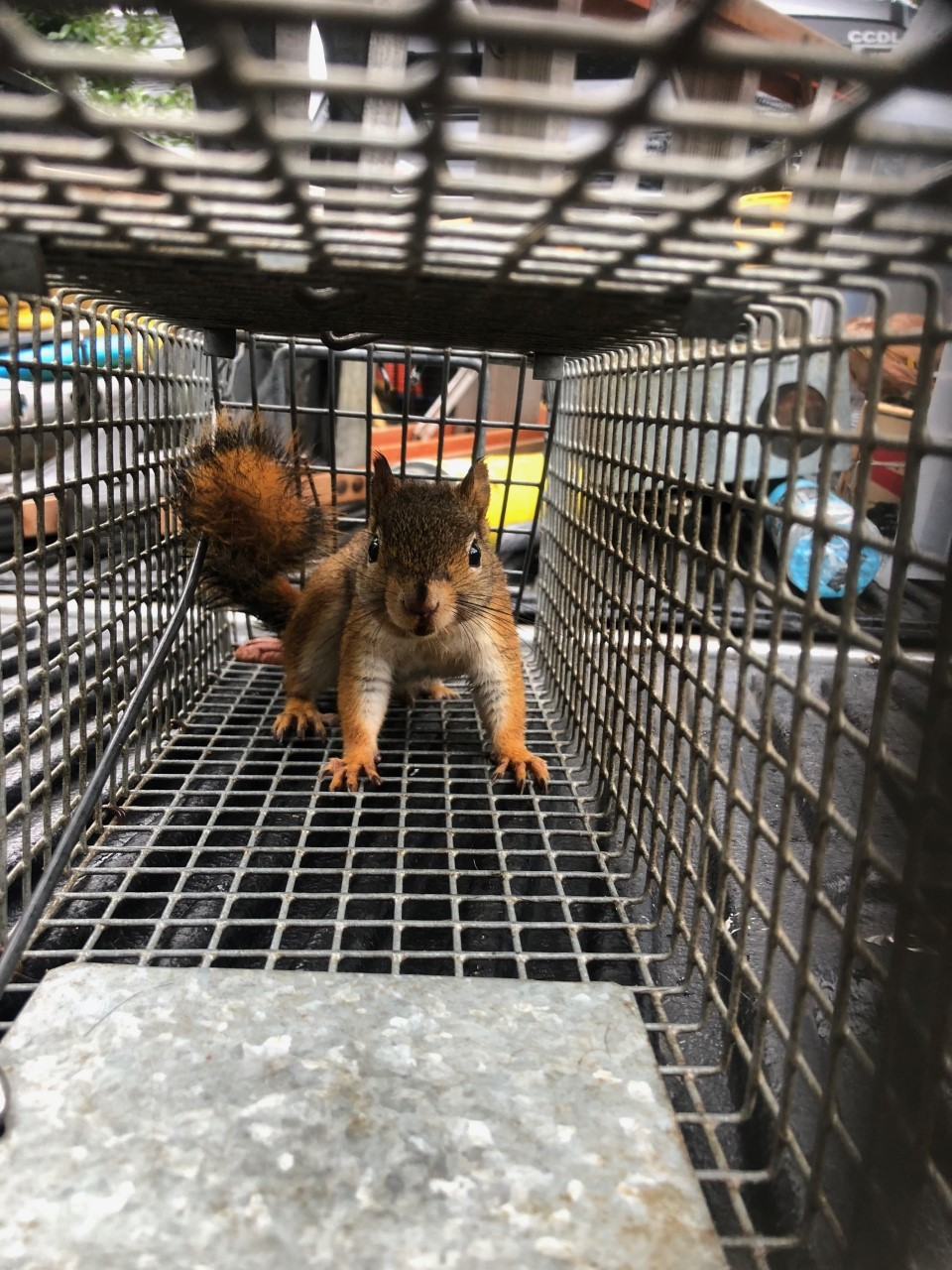
New London County properties often deal with repeat wildlife issues because many homes have older rooflines, open crawlspaces, detached garages, wooded lots, sheds, decks, stone foundations, and easy animal access points.
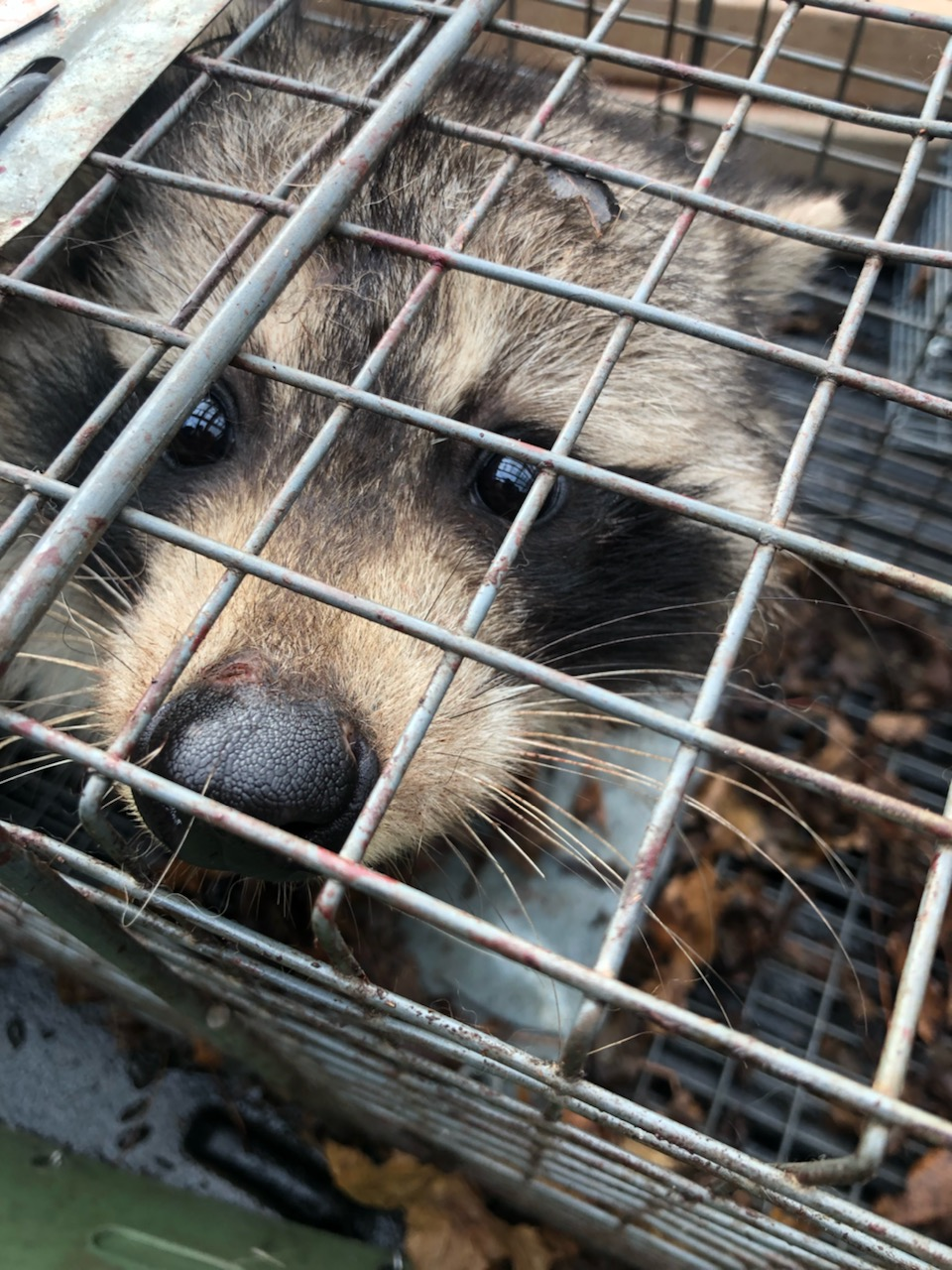
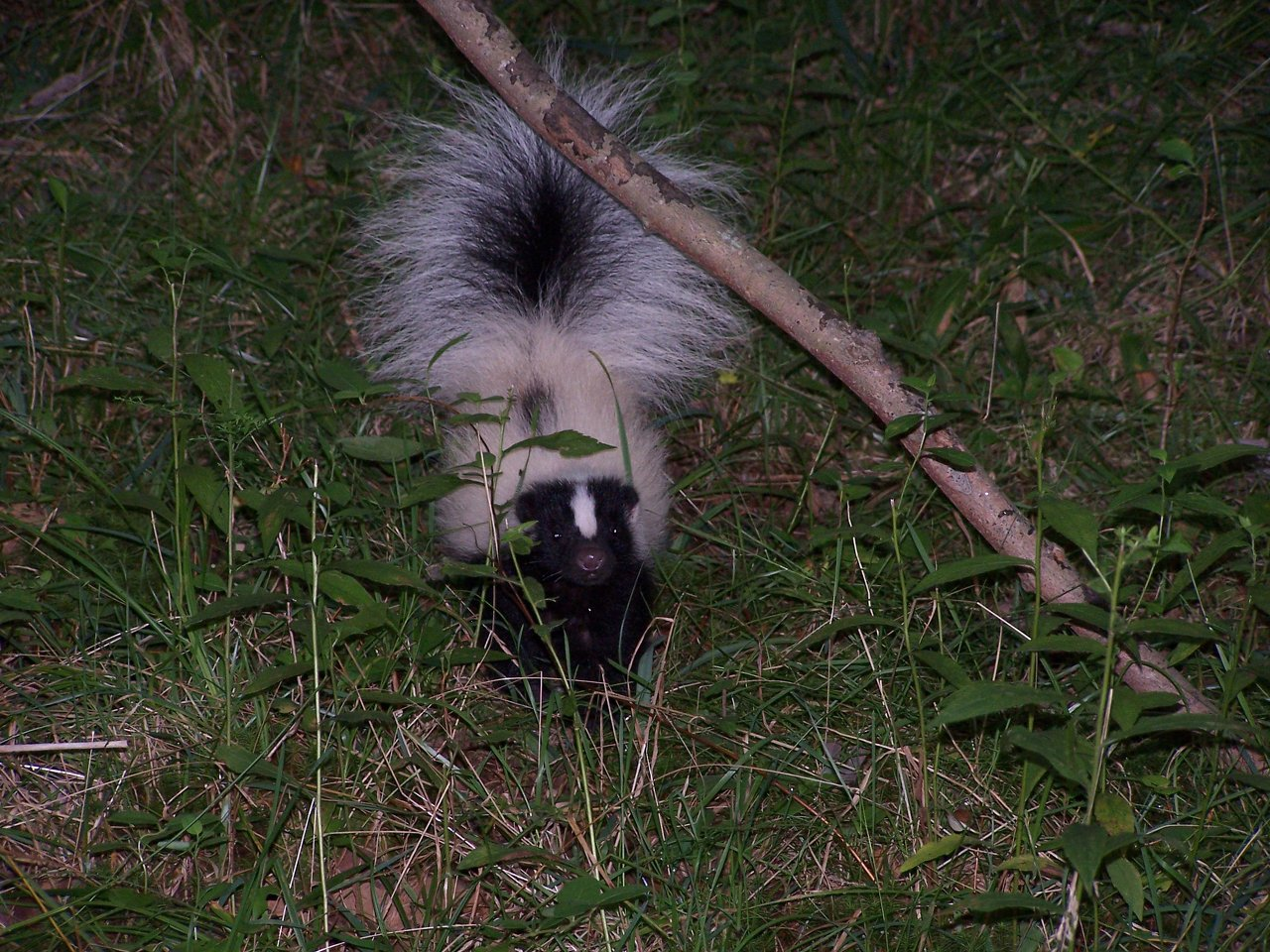
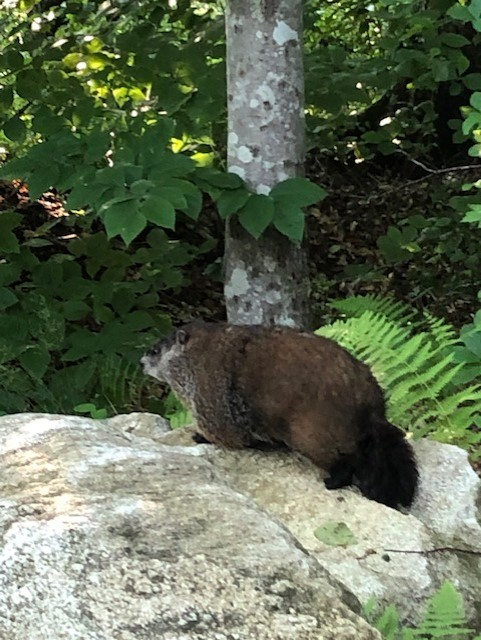
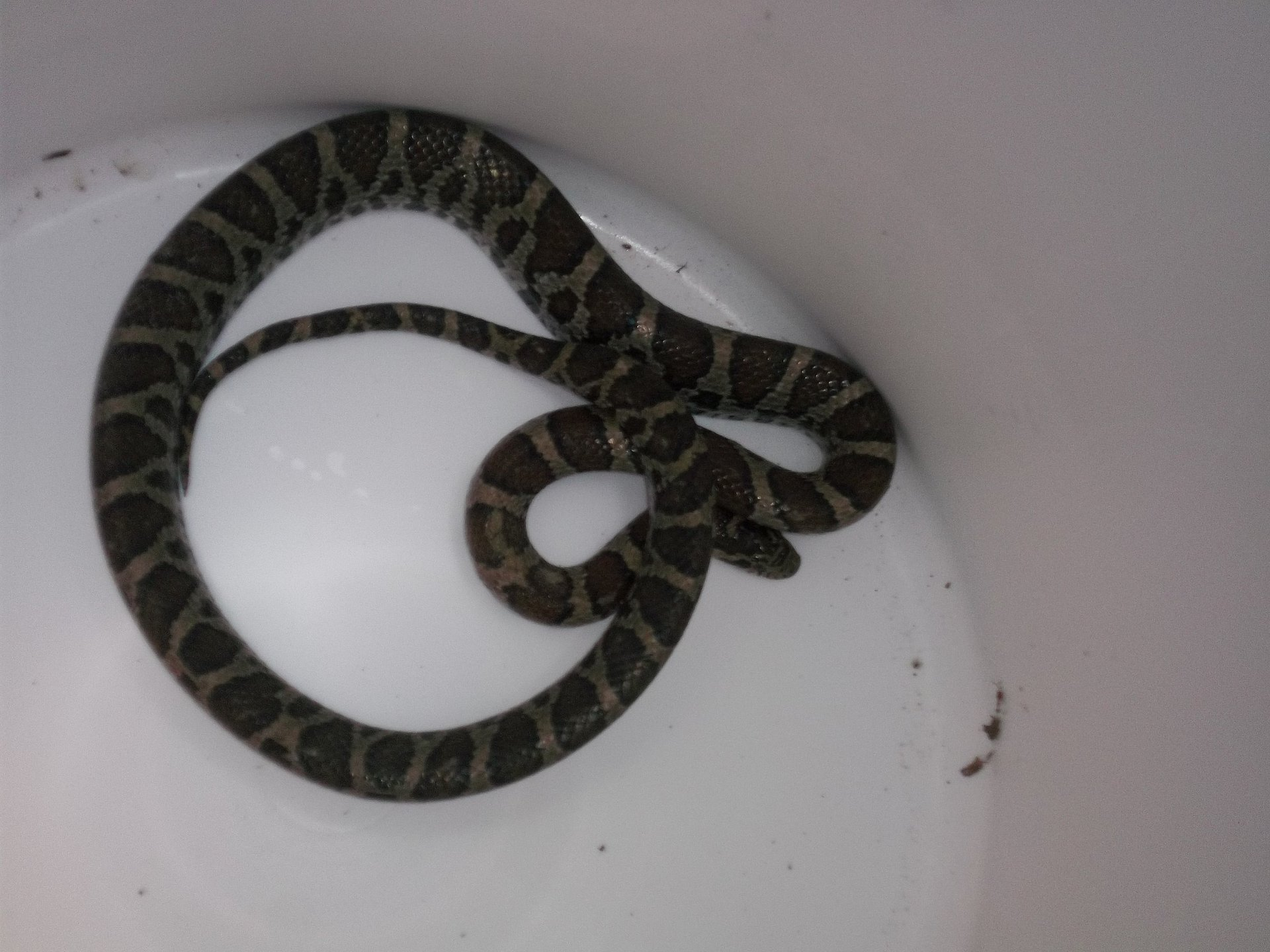
Additional Wildlife, Attic Cleanup & Sanitation Services in New London County
Wildlife problems often leave behind more than the animal itself. Floyd’s Pest & Wildlife Control provides additional cleanup, odor control, attic restoration, nesting removal, and sanitation services for New London County homes affected by raccoons, squirrels, bats, rodents, birds, and other nuisance wildlife.
Attic Cleanouts & Sanitization
Attics contaminated by raccoons, squirrels, bats, mice, rats, birds, or other wildlife may need cleanup after the animals are removed. Services may include droppings cleanup, nesting material removal, sanitization, odor reduction, and contaminated insulation removal.
Attic cleanouts, sanitization & insulation removalInsulation Removal & Replacement
Wildlife and rodents can crush, contaminate, tunnel through, or damage attic insulation. When insulation is heavily affected by droppings, urine, guano, odor, or nesting activity, removal and replacement may be needed after the entry points are corrected.
Learn about insulation removal & replacementBird Nesting Removal From Vents
Birds may nest in bathroom exhaust vents, dryer vents, soffits, gable vents, attic vents, and other openings. Nesting material can block airflow, create odor, attract insects, and leave droppings or feathers behind. Floyd’s can remove nesting material and recommend prevention options when birds are using vents or attic openings.
Odor Control After Wildlife Problems
Animal urine, feces, nesting material, guano, contaminated insulation, and dead animals can create strong odors inside attics, walls, crawlspaces, basements, and living areas. Odor control begins by finding and removing the source instead of simply covering up the smell.
Dead Animal Removal
Dead animals inside walls, attics, crawlspaces, chimneys, vents, basements, or under structures can cause odor, flies, staining, and sanitation concerns. Floyd’s Pest & Wildlife Control can help locate and remove dead wildlife when accessible and address related odor or contamination issues.
Dead animal removal & odor controlWildlife Damage Cleanup
Wildlife damage may include torn insulation, chewed wires, damaged vents, stained materials, droppings, urine, nesting debris, damaged soffits, and contaminated attic areas. Cleanup and repair recommendations depend on the animal involved and the severity of the damage.
Wildlife Removal Service Areas in New London County
We provide wildlife removal, rodent control, pest control, exclusion, attic cleanup, and prevention services throughout New London County including the following towns and communities:
New London County Service Area Map
Floyd’s Pest & Wildlife Control provides wildlife removal, rodent control, attic cleanup, exclusion, and pest control services throughout New London County including shoreline communities, wooded neighborhoods, river towns, and southeastern Connecticut residential properties.
View New London County on Google Maps →About New London County, Connecticut
New London County is one of the most environmentally diverse parts of Connecticut. The county includes shoreline communities, inland forests, river systems, wetlands, farms, historic villages, suburban neighborhoods, and large undeveloped wooded areas that create ideal habitat for a wide range of wildlife species.
Historically, New London County developed around maritime industries, agriculture, mills, rail corridors, military activity, and old New England farming communities. Many homes and buildings throughout the county still reflect older construction styles that wildlife can easily exploit through aging rooflines, crawlspaces, soffits, stone foundations, barns, and detached outbuildings.
Towns throughout southeastern Connecticut often contain a mix of older colonial homes, shoreline cottages, wooded subdivisions, horse properties, lake communities, and rural roads surrounded by forest edge habitat. These conditions create constant overlap between people and wildlife.
Properties near Long Island Sound, the Thames River, marsh systems, ponds, and wooded corridors often experience especially heavy wildlife pressure from bats, raccoons, squirrels, rodents, snakes, skunks, and burrowing animals.
Many wildlife problems in New London County are recurring structural issues rather than isolated animal encounters. Once animals establish shelter inside attics, crawlspaces, chimneys, sheds, decks, or wall spaces, the activity may continue until the access point or denning area is properly corrected.
Frequently Asked Questions About Wildlife Removal in New London County
What wildlife problems are most common in New London County?
Bats, squirrels, raccoons, mice, rats, skunks, snakes, woodchucks, moles, and voles are all common throughout New London County due to the area’s wooded habitat, shoreline communities, older homes, and rural properties.
Why are wildlife problems so common in southeastern Connecticut?
New London County has extensive forest edge habitat, wetlands, shoreline areas, crawlspaces, barns, sheds, detached garages, older rooflines, and stone foundations that create ideal shelter conditions for wildlife.
Do older homes in New London County have more wildlife problems?
Yes. Older homes often contain aging soffits, roof returns, vents, crawlspaces, loose siding, and foundation gaps that animals can exploit to enter attics and wall spaces.
Are shoreline homes more likely to experience bat problems?
In many cases, yes. Shoreline communities and river corridor properties often experience strong bat activity because bats feed heavily near water sources and insect-rich wetland areas.
Why do raccoons and squirrels keep returning to the same homes?
If entry points remain open or weak areas are not repaired, wildlife may continue reusing the same structure year after year.
Do snakes around the home usually mean there are rodents nearby?
Often yes. Many snake problems are connected to mice, rats, chipmunks, or other prey animals living around the foundation, garage, crawlspace, shed, or stone walls.
What attracts skunks underneath decks and sheds?
Decks, sheds, porches, and additions provide protected denning areas underneath structures while nearby lawns often contain abundant grub and insect activity.
Why are woodchucks common around New London County properties?
The county’s mix of gardens, retaining walls, barns, fence lines, farms, and wooded edges creates ideal burrowing habitat for woodchucks and groundhogs.
Do mole and vole problems damage lawns permanently?
They can create extensive lawn and landscaping damage over time, especially if activity continues untreated for multiple seasons.
Do you provide wildlife exclusion services in New London County?
Yes. Long-term wildlife control often requires sealing entry points, correcting structural gaps, screening vulnerable areas, and reducing conditions that attract wildlife.