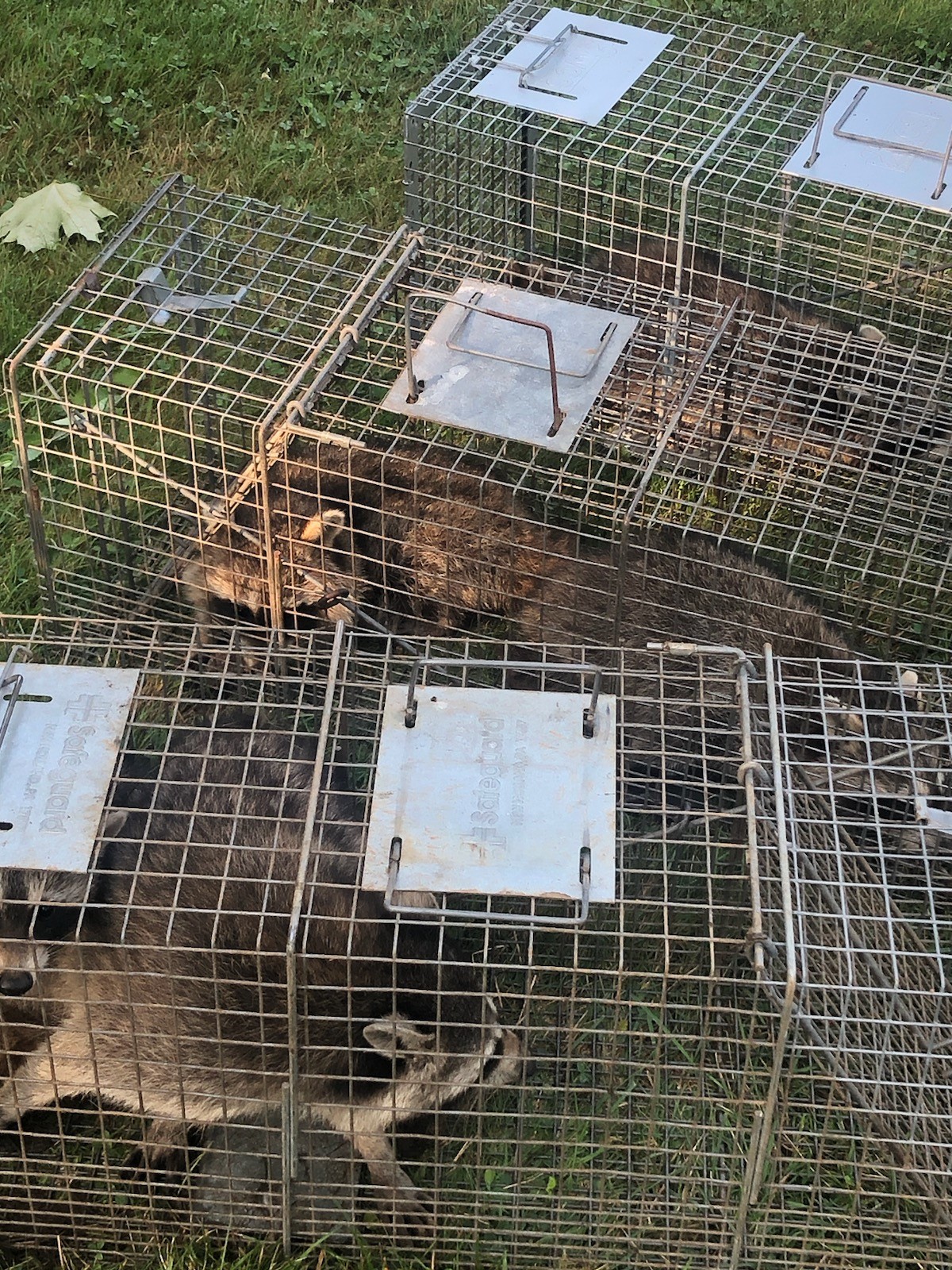
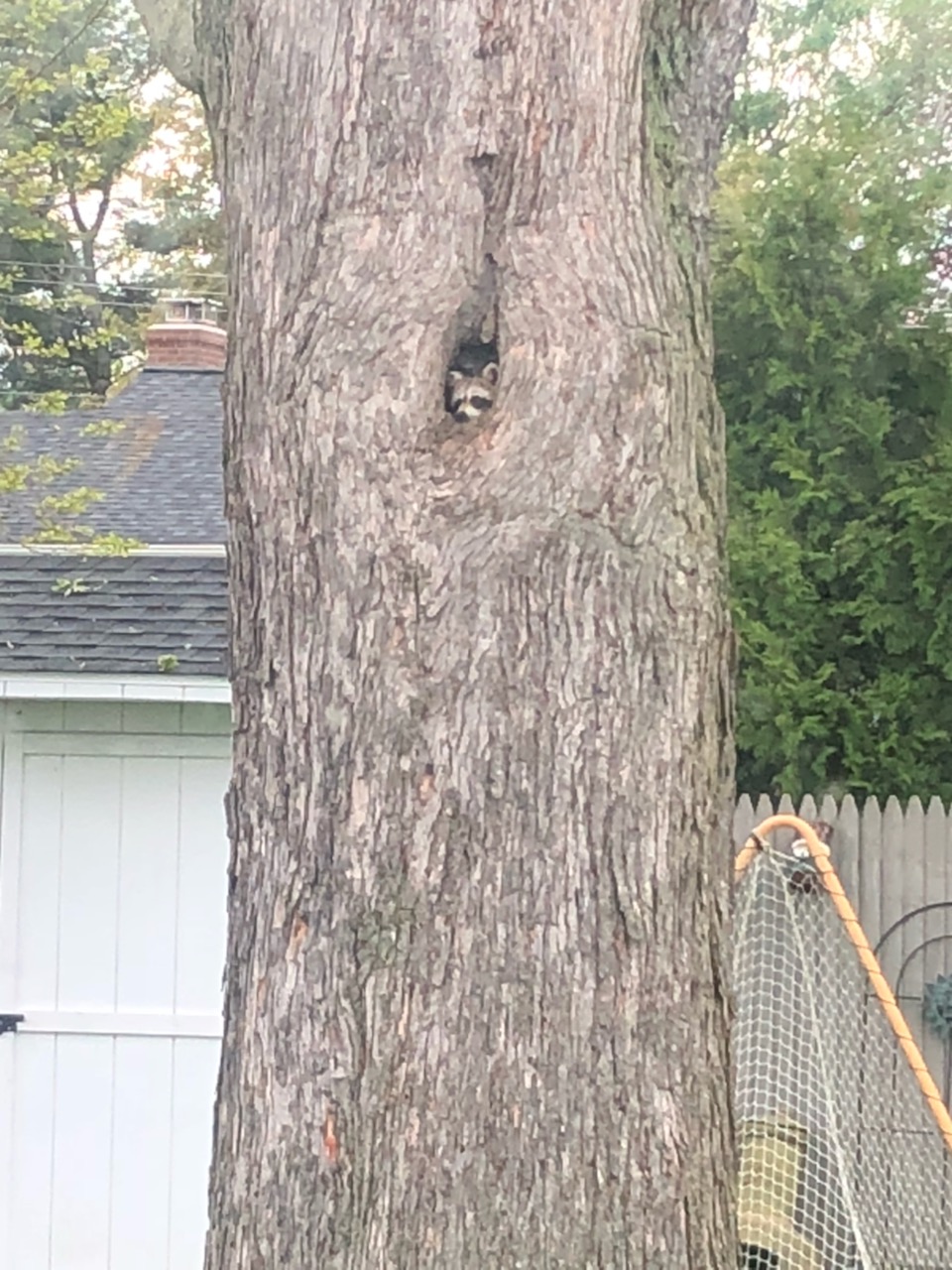
Wildlife & Rodent Control Services in Bridgeport, CT
Bridgeport wildlife problems often involve older homes, dense neighborhoods, roofline gaps, garages, crawlspaces, attics, vents, foundations, and food sources that attract rodents, raccoons, skunks, squirrels, bats, and other nuisance animals.
Attic Cleanup, Dead Animal Removal & Odor Control in Bridgeport, CT
Wildlife and rodent problems in Bridgeport homes, apartments, multifamily buildings, garages, basements, crawlspaces, restaurants, commercial properties, and older city structures can leave behind more than an active animal issue. Raccoons, squirrels, bats, mice, rats, birds, skunks, and other nuisance wildlife may create odor, droppings, nesting material, damaged insulation, dead animal problems, or contamination after the active animal issue is solved.
Attic Cleanouts & Sanitization
Bridgeport properties with raccoon, squirrel, bat, mouse, rat, or bird activity may need cleanup after the animals are removed. Services may include droppings cleanup, guano cleanup, nesting material removal, odor reduction, contaminated insulation removal, and sanitization.
Attic cleanouts, sanitization & insulation removalDead Animal Removal & Odor Control
Dead animals inside walls, attics, crawlspaces, vents, chimneys, basements, garages, under decks, near sheds, inside commercial spaces, or on private property can cause odor, flies, staining, and sanitation concerns. Floyd’s can help locate and remove dead wildlife when accessible.
Dead animal removal & odor controlWildlife Damage & Entry Point Prevention
Cleanup should usually happen after the animal problem and access points are addressed. Floyd’s can inspect soffits, rooflines, vents, crawlspace openings, foundation gaps, chimney areas, garage gaps, basement openings, utility penetrations, commercial entry points, and other access areas that may allow wildlife or rodents back inside.
Why Wildlife & Rodent Problems Are Common in Bridgeport, CT
Bridgeport has a different wildlife profile than many of the lower Fairfield County towns. While wooded lots and shoreline areas still create animal pressure, many nuisance wildlife problems in Bridgeport are tied to older housing, dense neighborhoods, multi-family buildings, garages, basements, crawlspaces, roofline gaps, commercial dumpsters, food sources, and small structural openings that allow animals to move close to people.
Raccoons, squirrels, bats, mice, rats, skunks, birds, and occasional opossums often use buildings for shelter because the city provides steady food sources, protected den sites, and access to attics, walls, garages, porches, vents, and crawlspaces.
Many Bridgeport wildlife problems begin around small structural gaps. A loose vent screen, open garage corner, damaged soffit, broken crawlspace vent, missing chimney cap, or unsealed utility penetration can become a recurring entry point for animals and rodents.
Common Bridgeport wildlife and rodent problem areas include:
- Older homes and multi-family buildings with gaps around foundations, siding, vents, and rooflines
- Garages, basements, and crawlspaces where rodents, skunks, snakes, and opossums may enter
- Flat roof sections, soffits, fascia, and attic vents used by raccoons, squirrels, bats, and birds
- Porches, steps, sheds, and small outbuildings that can attract skunks, opossums, and ground-dwelling wildlife
- Trash areas, dumpsters, restaurants, and commercial properties that increase rat, mouse, raccoon, and skunk pressure
- Shoreline neighborhoods and wooded edges that add raccoon, bat, squirrel, and rodent activity near homes
Because Bridgeport properties can have multiple animal pressure points at once, wildlife control often requires more than removing a single animal. The structure should be inspected for entry points, attractants, nesting areas, damage, and conditions that may allow the problem to return.
Floyd’s Pest & Wildlife Control provides wildlife removal, rodent control, trapping, exclusion, prevention, attic inspections, and property protection services throughout Bridgeport and surrounding Fairfield County communities.
Common Wildlife Entry Points Around Bridgeport Properties
| Problem Area | Common Animals | Typical Signs |
|---|---|---|
| Garages, basements, and foundation gaps | Mice, rats, snakes, opossums | Droppings, odor, chewing, movement sounds, sightings |
| Soffits, fascia, roof edges, and attic returns | Raccoons, squirrels, bats | Scratching, thumping, chewing, torn openings, attic activity |
| Porches, steps, decks, and sheds | Skunks, opossums, woodchucks | Burrows, digging, odor, loose soil, nighttime activity |
| Bathroom vents, dryer vents, and exhaust openings | Birds, bats, squirrels | Nesting, blocked airflow, chirping, debris, staining |
| Trash areas, dumpsters, and food sources | Rats, mice, raccoons, skunks | Droppings, tracks, chewed bags, nighttime activity |
| Attic vents, ridge vents, and chimney gaps | Bats, squirrels, raccoons | Guano, staining, scratching, odors, visible entry points |
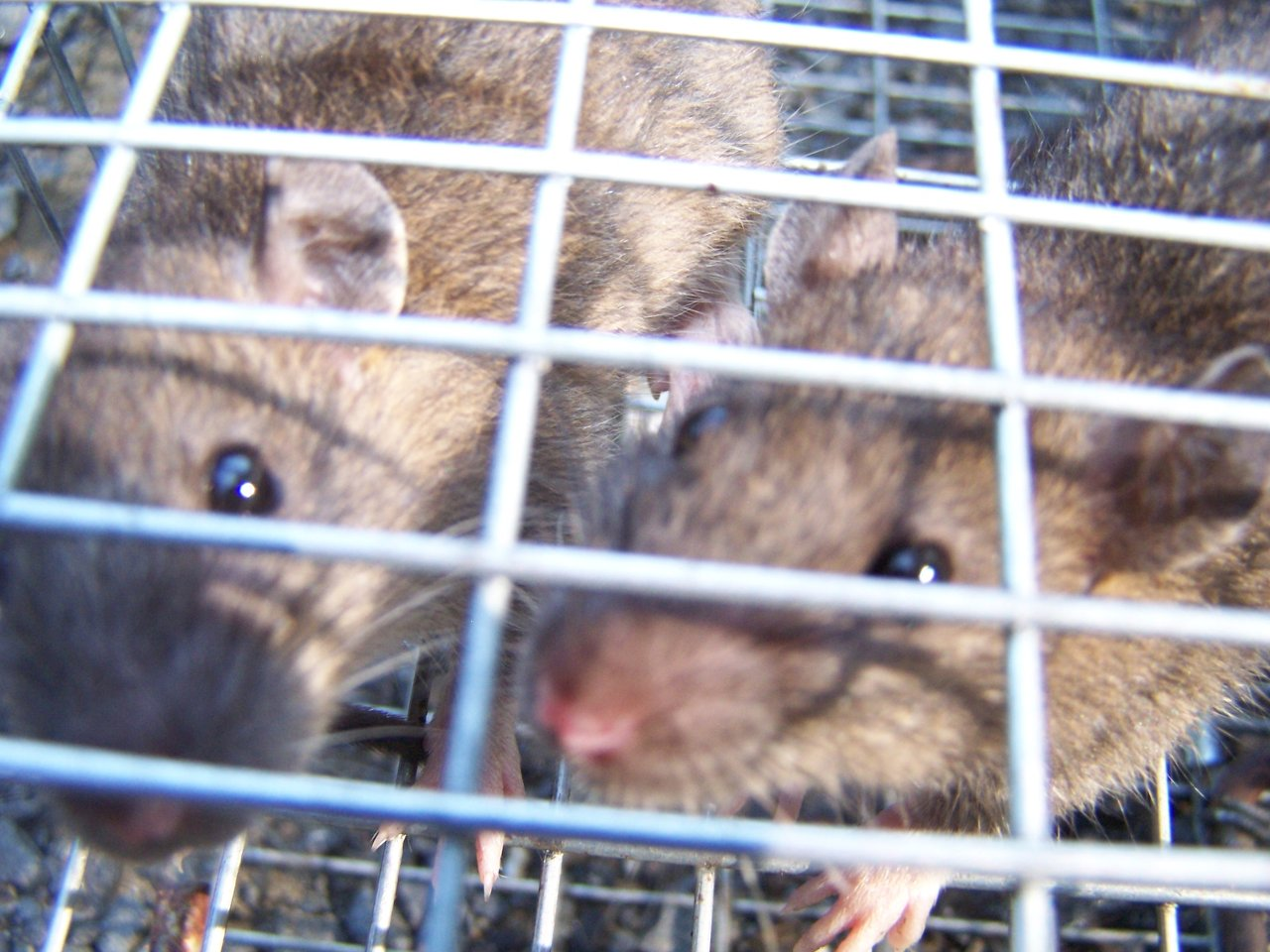
Mouse & Rat Control in Bridgeport, CT
Mouse and rat control in Bridgeport is a serious year-round problem because the city has heavy rodent pressure from dense housing, older foundations, restaurants, dumpsters, multifamily buildings, garages, basements, vacant structures, crawlspaces, harbor-area activity, commercial properties, and tightly packed neighborhoods where rodents can move from one structure to the next.
Bridgeport is not like a rural town where a mouse problem may be limited to one detached house. In many parts of the city, rodents are supported by nearby food sources, shared walls, connected garages, alleyways, trash storage areas, neglected lots, drainage areas, older sewer and utility infrastructure, and buildings with multiple access points. That means one property can be cleaned up, but mice or rats may continue coming from surrounding pressure if the entry points and exterior conditions are not addressed.
Rats are especially common around dumpsters, restaurants, apartment buildings, garages, sheds, commercial properties, backyard food sources, overgrown fence lines, foundation edges, and areas where trash or food waste is available. Mice are more likely to enter through small openings around siding, sill plates, utility lines, basement windows, garage corners, crawlspace vents, roofline gaps, and older construction materials.
Why Rodent Problems Keep Coming Back in Bridgeport
Many Bridgeport rodent problems become recurring because the building remains open. Traps or bait may reduce the rodents currently active inside, but they do not stop new mice or rats from entering through the same foundation gaps, utility penetrations, garage corners, vents, basement openings, or roofline defects.
This is especially important in older Bridgeport homes, apartment houses, rental properties, mixed-use buildings, and commercial structures. A mouse only needs a very small gap to enter, and rats can exploit larger openings around foundations, slabs, doors, vents, crawlspaces, and damaged exterior materials. Once rodents find warmth, food, water, and protected travel routes, they can establish activity behind walls, above ceilings, under cabinets, inside basements, and in attic insulation.
Common Signs of Mouse & Rat Activity
- Mouse droppings in kitchens, cabinets, pantries, basements, attics, garages, or storage areas
- Rat droppings near dumpsters, garages, sheds, crawlspaces, foundations, basements, or exterior feeding areas
- Scratching, chewing, or running sounds inside walls, ceilings, floors, or attic spaces
- Chewed food packaging, stored materials, insulation, wiring, plastic, wood, or utility lines
- Strong urine odor or musty rodent smell near nesting areas
- Dark grease marks along baseboards, pipes, foundation walls, and rodent travel routes
- Burrows near foundations, slabs, dumpsters, retaining walls, garages, sheds, or landscaped edges
- Pets staring at walls, cabinets, appliances, basement corners, or ceiling areas
- Rodents seen around trash areas, kitchens, garages, restaurants, porches, or exterior food sources
Droppings are one of the most useful clues. Mouse droppings are usually small, dark, and rice-shaped. Rat droppings are much larger and often found near heavier travel routes, burrows, garages, crawlspaces, dumpsters, and exterior shelter areas. The size, location, odor, rub marks, and damage pattern can help determine whether the problem is mice, rats, or both.
Where Rodents Commonly Enter Bridgeport Buildings
Rodents commonly enter Bridgeport homes and buildings through structural gaps that are easy to miss during a quick inspection. Older buildings often have multiple access points, especially where utilities, additions, repairs, and settling have created openings over time.
- Foundation cracks, sill gaps, and openings around older masonry
- Utility penetrations around pipes, wires, cable lines, and AC lines
- Garage door corners, damaged weather stripping, and gaps behind trim
- Basement windows, bulkhead doors, crawlspace vents, and exterior doors
- Damaged siding, rotted wood, loose trim, and gaps under porches
- Roofline openings, soffit gaps, attic vents, and construction gaps
- Openings around decks, sheds, dumpsters, retaining walls, and slab edges
Finding these access points is one of the most important parts of rodent control. Without identifying how mice or rats are entering, the problem often returns after the initial trapping or baiting program.
Rodent Damage & Contamination
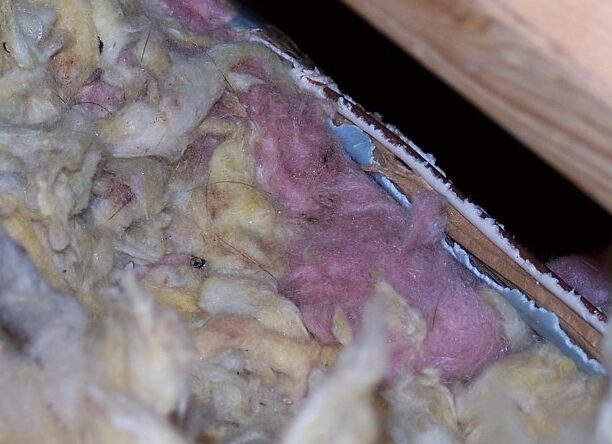
Mice and rats can cause significant damage once they become established inside a structure. Rodents chew constantly, contaminate hidden areas, and use the same travel routes repeatedly. In Bridgeport homes, apartments, garages, basements, crawlspaces, restaurants, and commercial buildings, rodent activity may damage insulation, wiring, stored materials, vapor barriers, food packaging, wall voids, and attic spaces.
Chewed wiring is one of the most concerning forms of rodent damage, especially in older buildings where electrical systems, insulation, and hidden wall voids may already be vulnerable. Heavy infestations can also create strong odors from urine, droppings, nesting debris, dead rodents, and contaminated insulation.
Rodent contamination is often worse than what is visible in the living space. Droppings behind cabinets, urine trails along sill plates, nesting material in insulation, and activity inside wall voids or ceilings can remain hidden until a detailed inspection is performed.
Floyd’s Mouse & Rat Control Services in Bridgeport
Floyd’s Pest & Wildlife Control provides rodent control in Bridgeport for homes, multifamily properties, garages, basements, crawlspaces, restaurants, commercial buildings, rental properties, and structures with recurring mouse or rat activity.
Depending on the property and level of infestation, service may include:
- Interior and exterior rodent inspection
- Identification of mouse activity, rat activity, or mixed rodent pressure
- Inspection of foundations, basements, garages, crawlspaces, attics, utility lines, vents, and roofline areas
- Strategic trapping programs for active interior rodent problems
- Exterior baiting programs where appropriate
- Entry-point identification and exclusion recommendations
- Sealing of accessible rodent entry points when conditions allow
- Sanitation recommendations for trash, food storage, pet food, bird seed, dumpsters, and exterior attractants
- Recommendations for contamination, odor, nesting debris, and damaged insulation
- Follow-up service for heavy or recurring infestations
Bridgeport Rodent Control Needs More Than a Few Traps
In a high-pressure city environment like Bridgeport, long-term rodent control requires more than placing a few traps and hoping the problem stops. A stronger program looks at the structure, the food sources, the exterior pressure, the travel routes, and the access points that allow rodents to keep returning.
The goal is to reduce the active mouse or rat population, identify how rodents are entering, correct access where possible, and help property owners reduce the conditions that keep attracting rodents to the building.
Learn more about our mouse and rat control services.
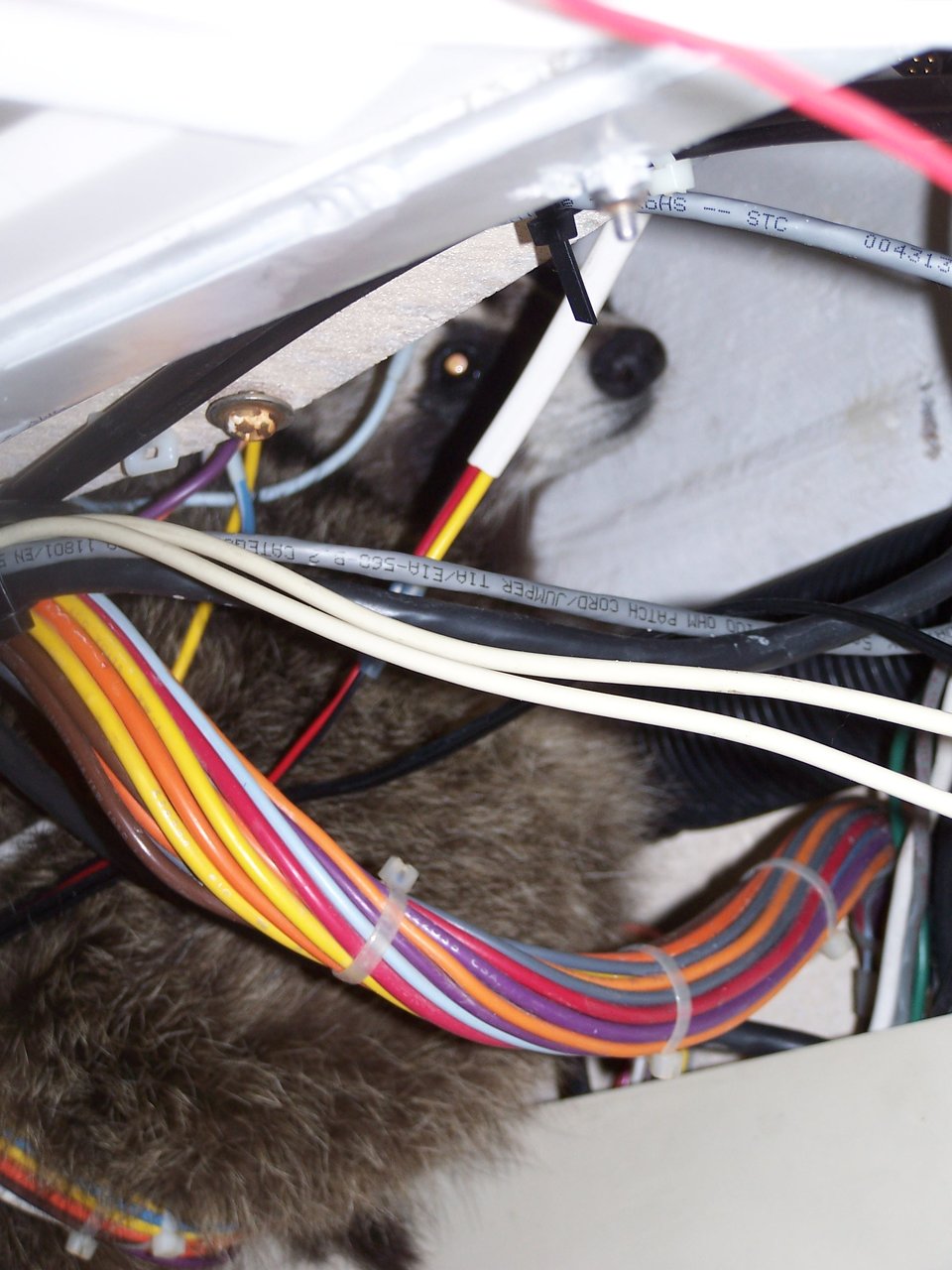
Raccoon Damage to Wiring, Utility Runs & Hidden Attic Areas
Raccoons are not harmless attic visitors. When a raccoon gets into a Bridgeport home, apartment building, garage, ceiling void, crawlspace, or commercial structure, it can create serious damage in areas most property owners never see. Raccoons are strong, heavy animals that climb, pull, rip, crush, and chew as they move through tight structural spaces.
The photo above shows why raccoon problems should be taken seriously. Raccoons can end up directly in wiring areas, utility chases, attic framing, ceiling voids, and mechanical spaces. Once they are inside, they may pull wires loose, chew protective coverings, crush insulation around electrical runs, damage low-voltage lines, tear ductwork, and contaminate the area with urine, droppings, nesting debris, and odor.
In Bridgeport, this type of damage is especially concerning because many properties have older rooflines, older electrical systems, tight attic access, multifamily layouts, finished ceilings, aging garages, mixed-use buildings, and hidden utility runs. A raccoon may be active above a ceiling for days or weeks before the full extent of the damage is discovered.
Raccoons Can Damage More Than Insulation
Many people think of raccoon damage as a torn soffit or crushed attic insulation. That is only part of the problem. Once raccoons get inside, they often move through the same paths repeatedly, forcing their way across wiring, ducts, framing, ceiling joists, and stored materials.
Raccoon damage may include:
- Wiring pulled loose, chewed, crushed, or contaminated
- Damage to wiring harnesses, cable lines, low-voltage lines, and utility runs
- Crushed attic insulation and compressed energy barriers
- Damaged ductwork, bathroom fan lines, flex vents, and HVAC materials
- Urine and droppings around electrical and mechanical areas
- Strong odor spreading through ceilings, walls, vents, or attic spaces
- Torn vapor barriers, stored materials, boxes, and access panels
- Hidden contamination above finished ceilings or behind closed attic areas
- Expanded entry holes around soffits, fascia, roof edges, vents, or chimneys
Why Bridgeport Raccoon Problems Can Become Expensive Fast
Bridgeport has many older homes, rental properties, apartment buildings, garages, porches, roof additions, and commercial structures where raccoons can find weak points. Damaged soffits, loose fascia, missing chimney caps, open vents, old roof transitions, and deteriorated trim can give raccoons the leverage they need to force their way inside.
Once inside, the damage can spread beyond the entry hole. A raccoon in an attic or ceiling void may be walking across wiring, nesting near insulation, crushing ductwork, or contaminating areas above bedrooms, kitchens, apartments, offices, or finished living space. The longer the animal remains inside, the greater the chance of structural damage, odor, contamination, and repair costs.
During spring baby season, the problem can become even more serious. A female raccoon may choose a protected attic, chimney, soffit, or ceiling void to raise young. If the babies are hidden deep inside the structure, the job is no longer just about removing one adult raccoon. The young must be located and removed properly, the entry area must be evaluated, and the damage must be checked before the opening is repaired.
Heavy Noises Above the Ceiling Should Not Be Ignored
Raccoons are much heavier than mice, rats, bats, or squirrels. Homeowners often describe the sound as heavy walking, thumping, dragging, growling, rolling, or something “walking like a person” above the ceiling. These sounds are commonly heard at night, early morning, or during quiet parts of the day when a female raccoon is moving around a den site.
If you hear heavy movement in the attic or ceiling, it is important to inspect the structure before the raccoon widens the opening, damages more insulation, contaminates the space, or moves deeper into wiring and utility areas.
Floyd’s Raccoon Removal & Damage Inspection in Bridgeport
Floyd’s Pest & Wildlife Control provides raccoon removal in Bridgeport with a focus on solving the full problem, not just removing the animal. Raccoon work often requires identifying the entry point, determining whether young are present, checking the damage, and recommending exclusion or repair work so the same opening does not become a repeat den site.
Our Bridgeport raccoon services may include:
- Inspection of rooflines, soffits, fascia, chimneys, vents, garages, crawlspaces, and attic openings
- Identification of raccoon entry points and travel routes
- Humane raccoon removal and trapping when appropriate
- Baby raccoon removal when young are present
- Inspection for crushed insulation, droppings, urine, odor, and nesting debris
- Evaluation of wiring, ductwork, utility areas, and damaged attic sections
- Recommendations for exclusion, repair, cleanup, and prevention
Raccoon removal should not stop at the trap. If the roofline opening, soffit damage, chimney access, vent gap, or structural weakness remains, another raccoon may use the same area again. Long-term control means removing the animal, checking for hidden damage, addressing contamination concerns, and closing off the access point correctly.
If you are hearing heavy movement above the ceiling, seeing raccoons on the roof, smelling odor from an attic area, or noticing torn soffits, damaged vents, or chewed utility materials, Floyd’s Pest & Wildlife Control can inspect the problem and provide professional raccoon removal in Bridgeport, CT.
Learn more about our raccoon removal services.
Bridgeport Wildlife Problems Usually Get Worse Over Time
Raccoons, rats, mice, squirrels, bats, skunks, and other nuisance wildlife can cause major damage once they establish activity inside attics, basements, crawlspaces, garages, soffits, or roof systems. Many infestations continue growing until the entry point is identified and corrected.
Floyd’s Pest & Wildlife Control provides humane wildlife trapping, rodent control, bat exclusion, attic inspections, vent protection, and long-term prevention services throughout Bridgeport and Fairfield County.
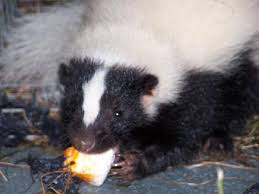
Skunk Removal in Bridgeport, CT
Skunks are a common nuisance wildlife problem around Bridgeport homes, garages, porches, decks, sheds, stairways, crawlspaces, and abandoned structures. They frequently den beneath buildings or sheltered areas where they can stay hidden during the day.
Bridgeport properties with open foundations, raised porches, detached garages, cluttered storage areas, and older structures often create ideal denning conditions for skunks.
Many homeowners first realize skunks are active after pets are sprayed at night or after strong odor begins developing around the property. Others notice digging damage throughout lawns and landscaped areas as skunks search for insects and grubs.
Common Signs of Skunk Activity
- Strong skunk odor around the structure
- Small digging holes throughout lawns and landscaping
- Burrows beneath porches, sheds, or steps
- Nighttime wildlife activity around trash areas
- Loose soil near foundations or structures
- Pets being sprayed during nighttime hours
Skunk activity is especially common around older Bridgeport homes with crawlspaces, detached garages, porch systems, and accessible areas beneath structures.
Our Bridgeport skunk removal services may include:
- Inspection of active denning areas
- Safe skunk trapping and removal
- Identification of burrow access points
- Recommendations for wildlife prevention
- Exclusion recommendations for vulnerable structures
Learn more about our skunk removal services.
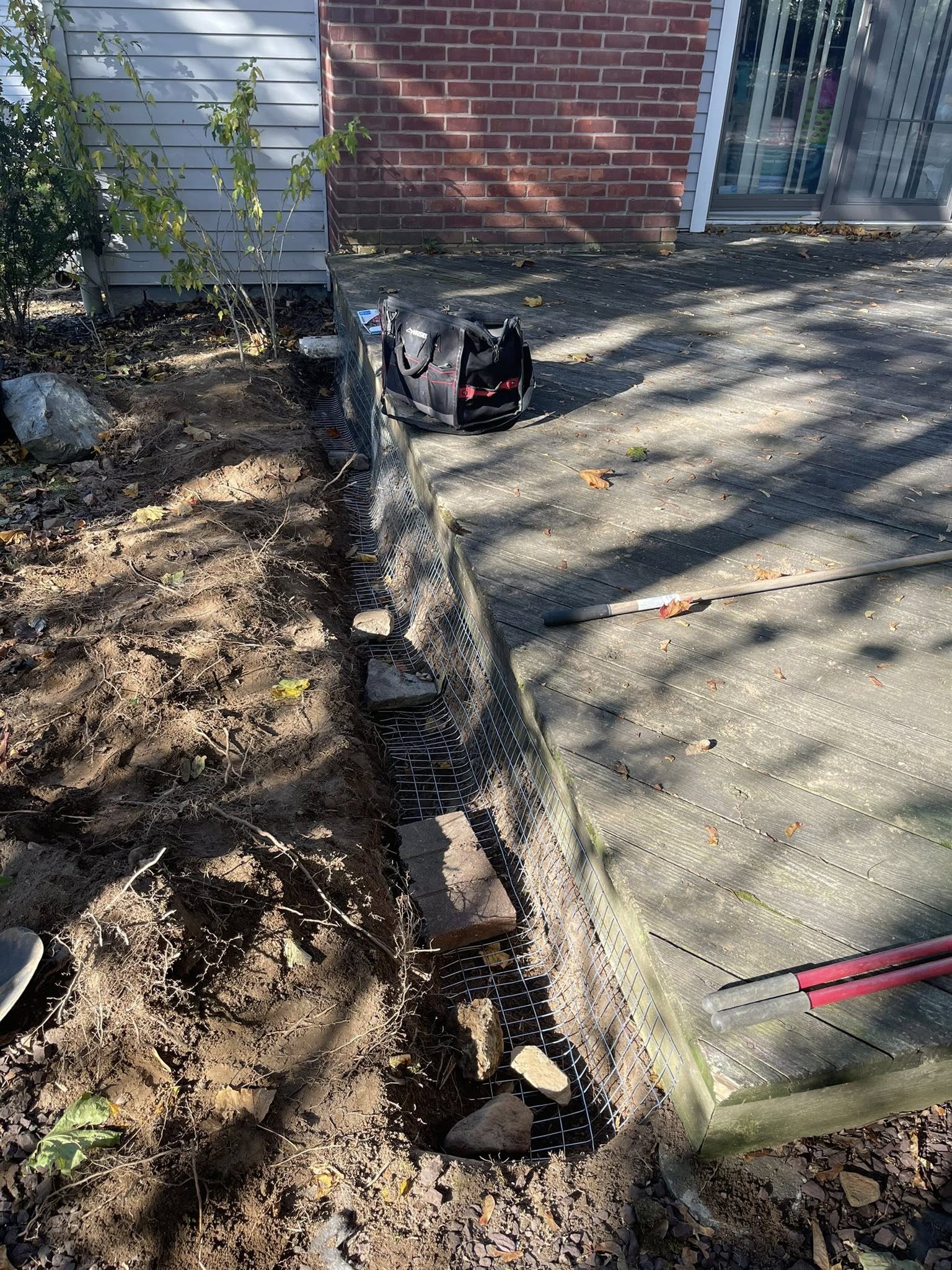
Skunk Prevention & Exclusion
Removing the skunk is only part of solving the problem. If open access remains beneath a porch, deck, shed, or stairway, another skunk may eventually move into the same location.
Wildlife exclusion work can help reduce recurring denning activity by reinforcing vulnerable areas beneath structures and limiting future access opportunities.
Properties with crawlspaces, detached garages, raised porches, and older foundation systems are especially vulnerable to repeat skunk problems if exclusion work is not completed after removal.
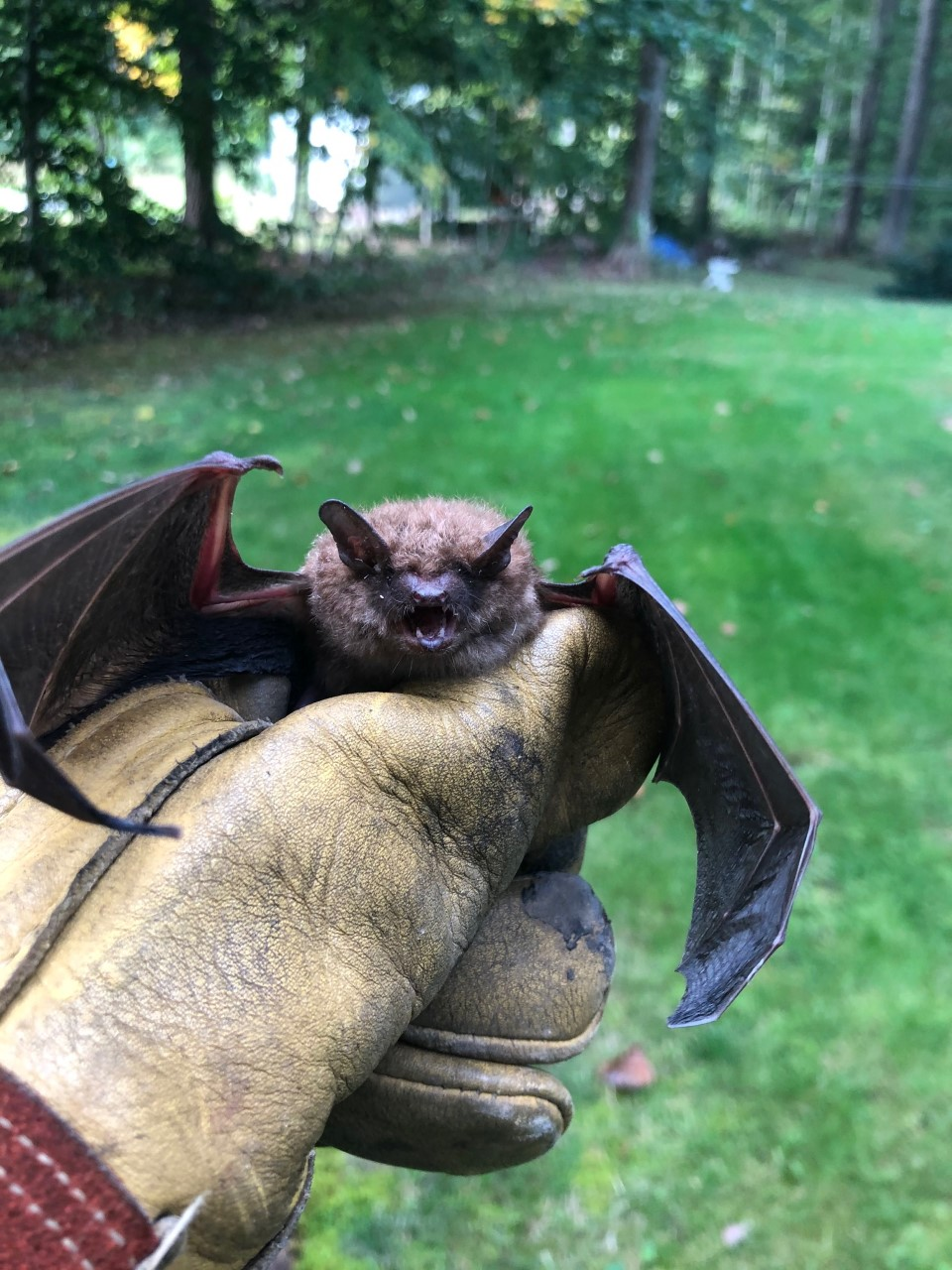
Bat Removal & Bat Exclusion in Bridgeport, CT
Bats commonly enter Bridgeport homes and buildings through gaps around rooflines, ridge vents, attic vents, soffits, fascia boards, and older construction seams. Even small openings can allow bats to enter attic spaces and establish colonies inside the structure.
Older homes, multi-family buildings, commercial structures, and aging roof systems throughout Bridgeport often provide ideal bat entry conditions if vents or roofline areas become damaged over time.
Many bat infestations develop gradually. Homeowners may first notice scratching sounds, chirping, staining around vents, or bats flying near the roofline around dusk before realizing a colony is active inside the building.
Common Signs of Bat Activity
- Bats flying around the roofline at dusk
- Guano beneath vents or roof edges
- Dark staining near attic openings
- Chirping or scratching sounds inside walls or ceilings
- Strong odor developing in attic spaces
- Bats appearing inside living spaces
Bat colonies are commonly found inside attic vents, ridge vents, soffit gaps, wall voids, and protected roofline transitions.
Our Bridgeport bat removal services may include:
- Detailed inspection of roofline entry points
- Identification of active bat access areas
- Humane bat exclusion installation
- Sealing and exclusion recommendations
- Recommendations for guano cleanup if needed
Learn more about our bat removal and exclusion services.
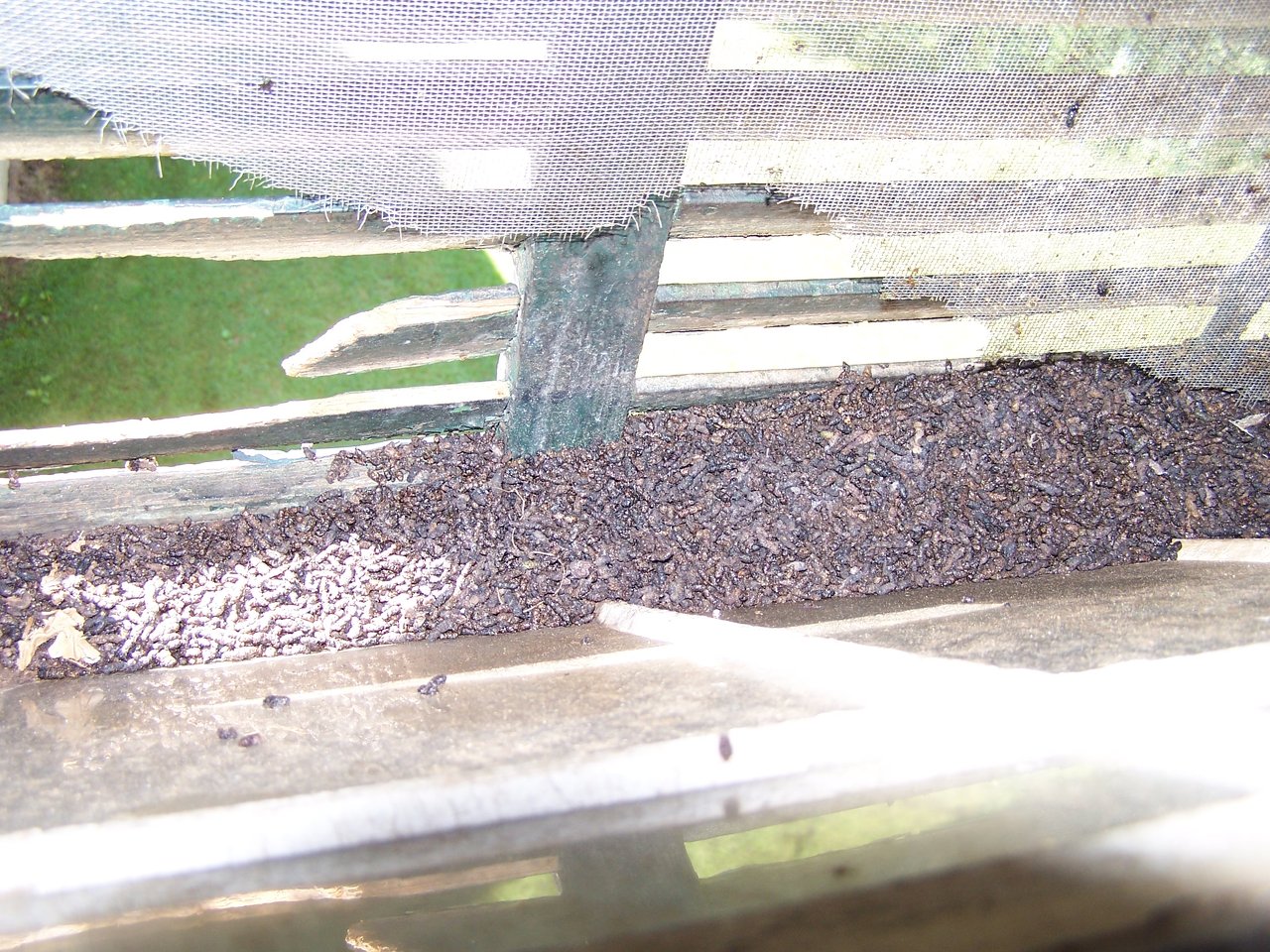
Bat Guano & Attic Contamination
Bat colonies can create significant guano buildup inside attics and wall spaces over time. Long-term activity may lead to odor issues, contaminated insulation, staining, damaged vent systems, and recurring insect activity associated with guano accumulation.
Buildings with older roof systems, damaged vents, and large attic spaces are especially vulnerable to recurring bat infestations if proper exclusion work is not completed.
Effective bat control focuses on humane exclusion and sealing work designed to help prevent the colony from returning after removal.
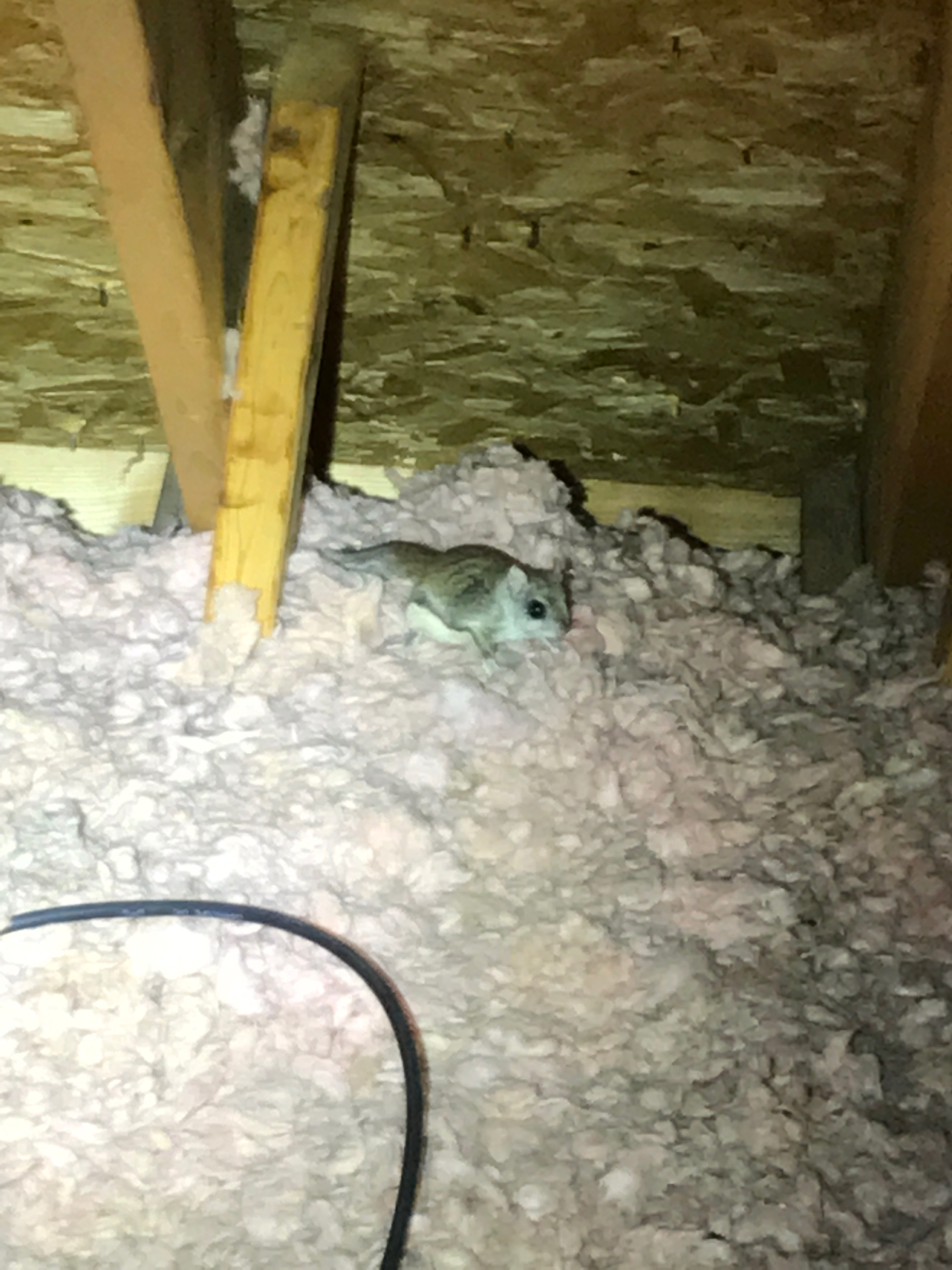
Squirrel & Flying Squirrel Removal in Bridgeport, CT
Squirrels and flying squirrels frequently enter Bridgeport attics through damaged soffits, fascia gaps, attic vents, roof returns, siding gaps, and weakened roofline areas. Homes with mature trees hanging over the roof are especially vulnerable to recurring squirrel activity.
Flying squirrels are very common throughout Fairfield County and are often more difficult for homeowners to detect because they are active primarily at night. Many infestations are first discovered after scratching, chirping, or movement sounds begin inside walls or ceilings.
Bridgeport homes with older roof systems, aging trim, vent gaps, and accessible attic openings often experience recurring squirrel problems if exclusion work is not completed after removal.
Common Signs of Squirrel Activity
- Scratching or running sounds in ceilings or attics
- Chewing around rooflines or attic vents
- Squirrels repeatedly climbing on the structure
- Nesting material or droppings inside attic areas
- Visible entry holes near soffits or fascia boards
- Movement sounds during early morning or evening hours
Squirrel infestations commonly involve multiple entry points around the roofline, especially on older homes and multi-family buildings.
Our Bridgeport squirrel removal services may include:
- Inspection of attic and roofline access points
- Humane squirrel trapping and removal
- Identification of structural wildlife damage
- Recommendations for exclusion work
- Prevention recommendations to reduce repeat activity
Learn more about our squirrel removal services.
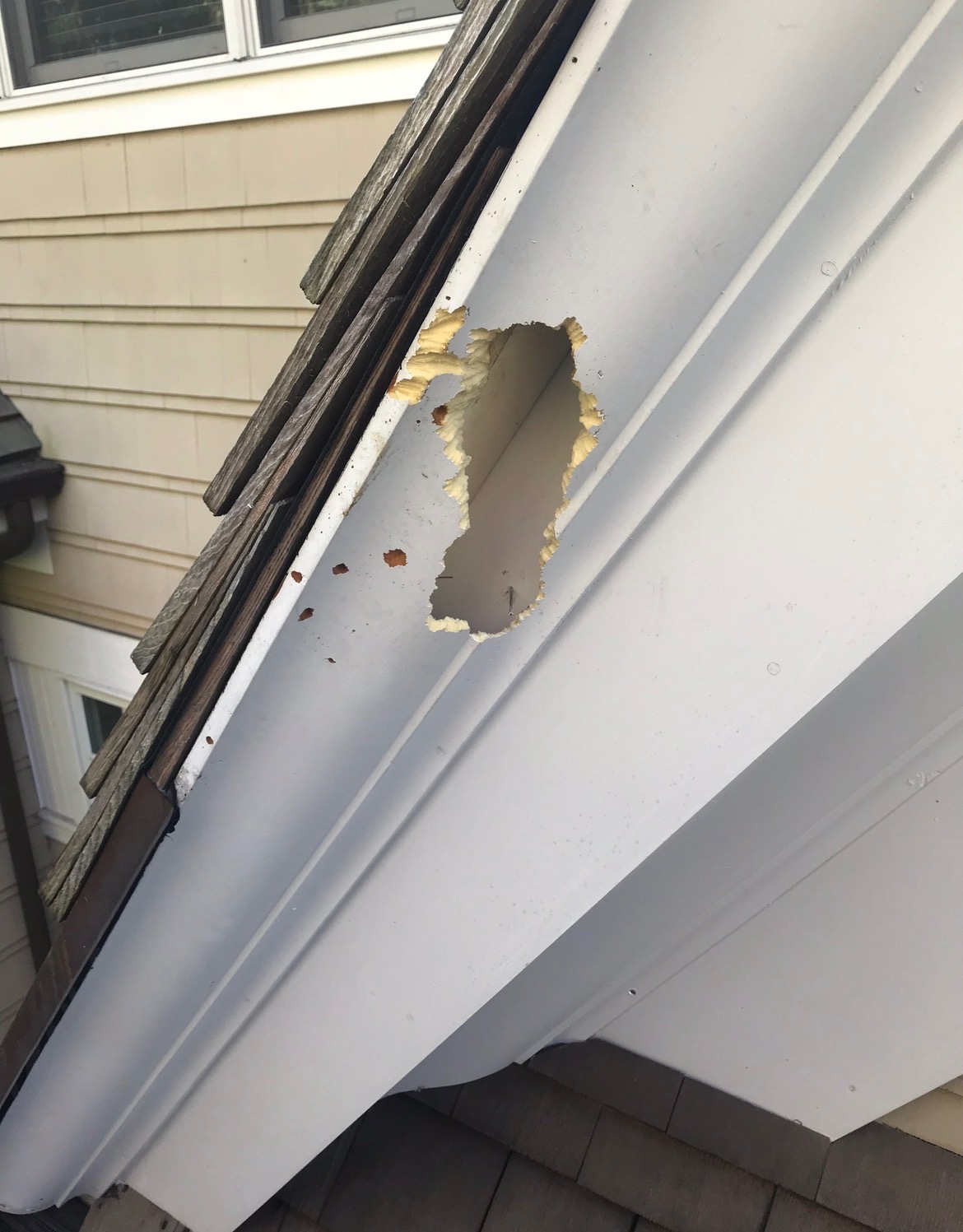
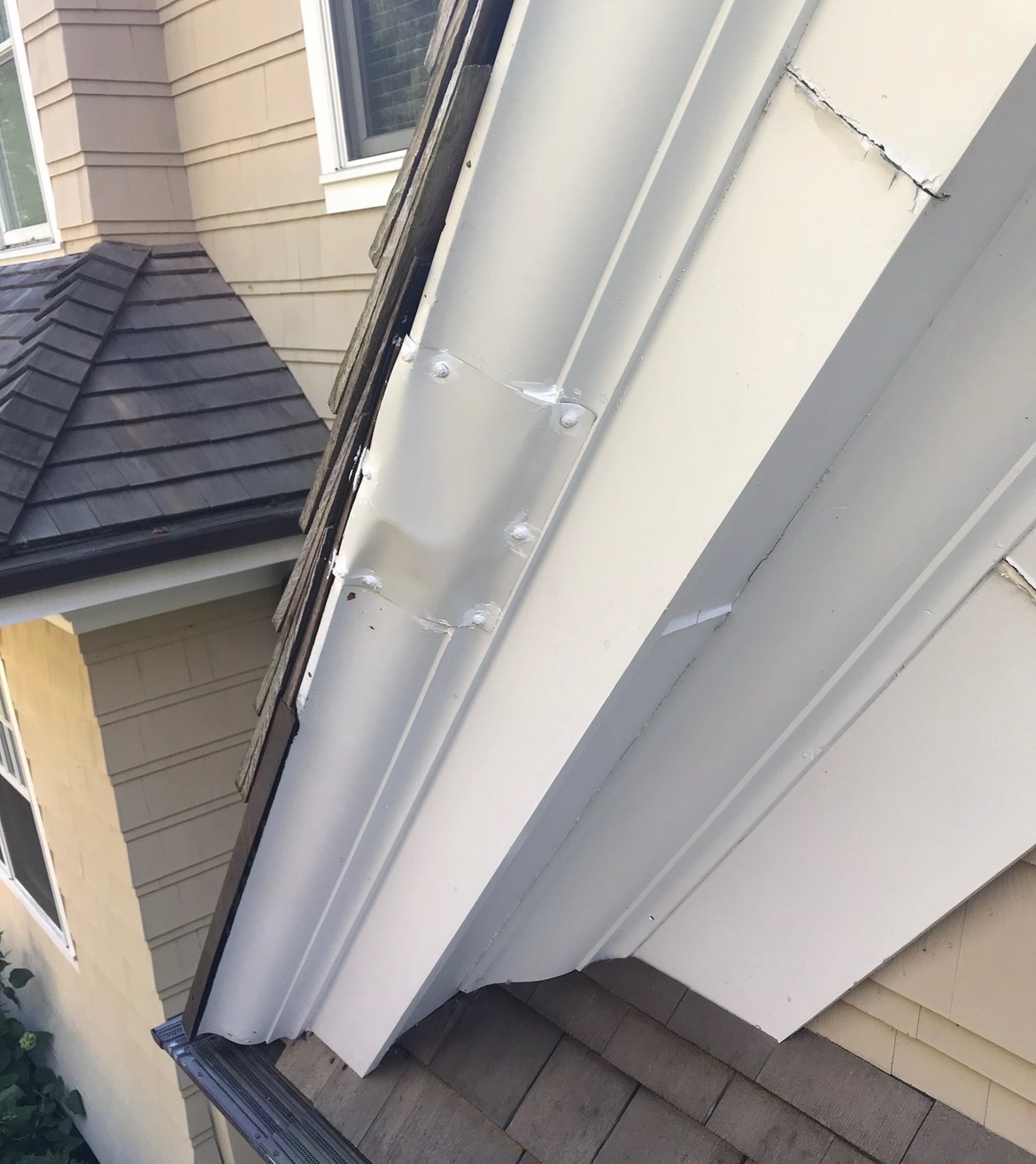
Soffit & Roofline Damage From Squirrels
Squirrels commonly chew soffits, fascia boards, roof edges, trim, and attic vent systems while attempting to enter attic spaces. Once an opening develops, the same access point may continue attracting wildlife activity unless repairs are completed.
Older Bridgeport homes with aging trim, damaged soffits, and tree access near the roofline are especially vulnerable to recurring squirrel infestations.
Long-term squirrel control often involves both removal and structural exclusion work designed to reinforce vulnerable roofline areas.
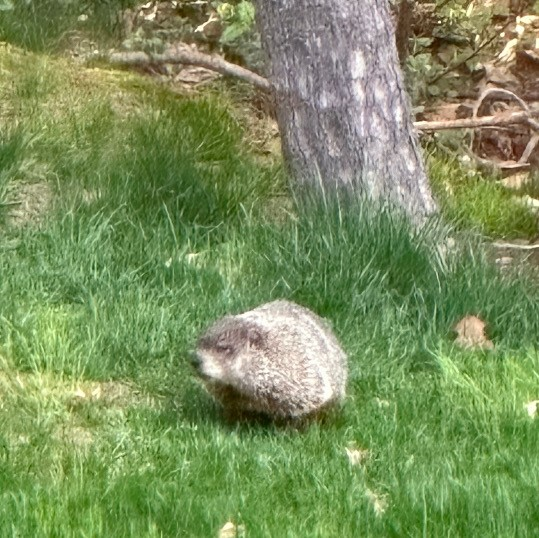
Woodchuck Removal in Bridgeport, CT
Woodchucks are commonly found around Bridgeport properties with sheds, retaining walls, gardens, porches, stairways, vacant lots, landscaped areas, and wooded property edges. Their burrowing activity can damage soil stability around structures and outdoor features.
Although woodchuck problems are often associated with suburban properties, they are also common around urban and mixed residential areas where sheds, overgrown vegetation, retaining walls, and protected structures provide shelter.
Bridgeport properties with gardens, detached garages, decorative stonework, and open areas beneath porches or sheds may experience recurring burrowing activity.
Common Signs of Woodchuck Activity
- Large burrow openings near structures
- Loose soil piles around patios or foundations
- Damage to gardens and landscaping
- Woodchucks active during daylight hours
- Burrows developing beneath sheds or porches
Woodchuck burrows can weaken soil beneath patios, walkways, retaining walls, sheds, and stair systems over time if active tunnels continue expanding.
Our Bridgeport woodchuck removal services may include:
- Inspection of burrow systems
- Humane woodchuck trapping and removal
- Identification of secondary tunnel openings
- Recommendations for exclusion and prevention
- Property-specific wildlife control recommendations
Learn more about our woodchuck removal services.
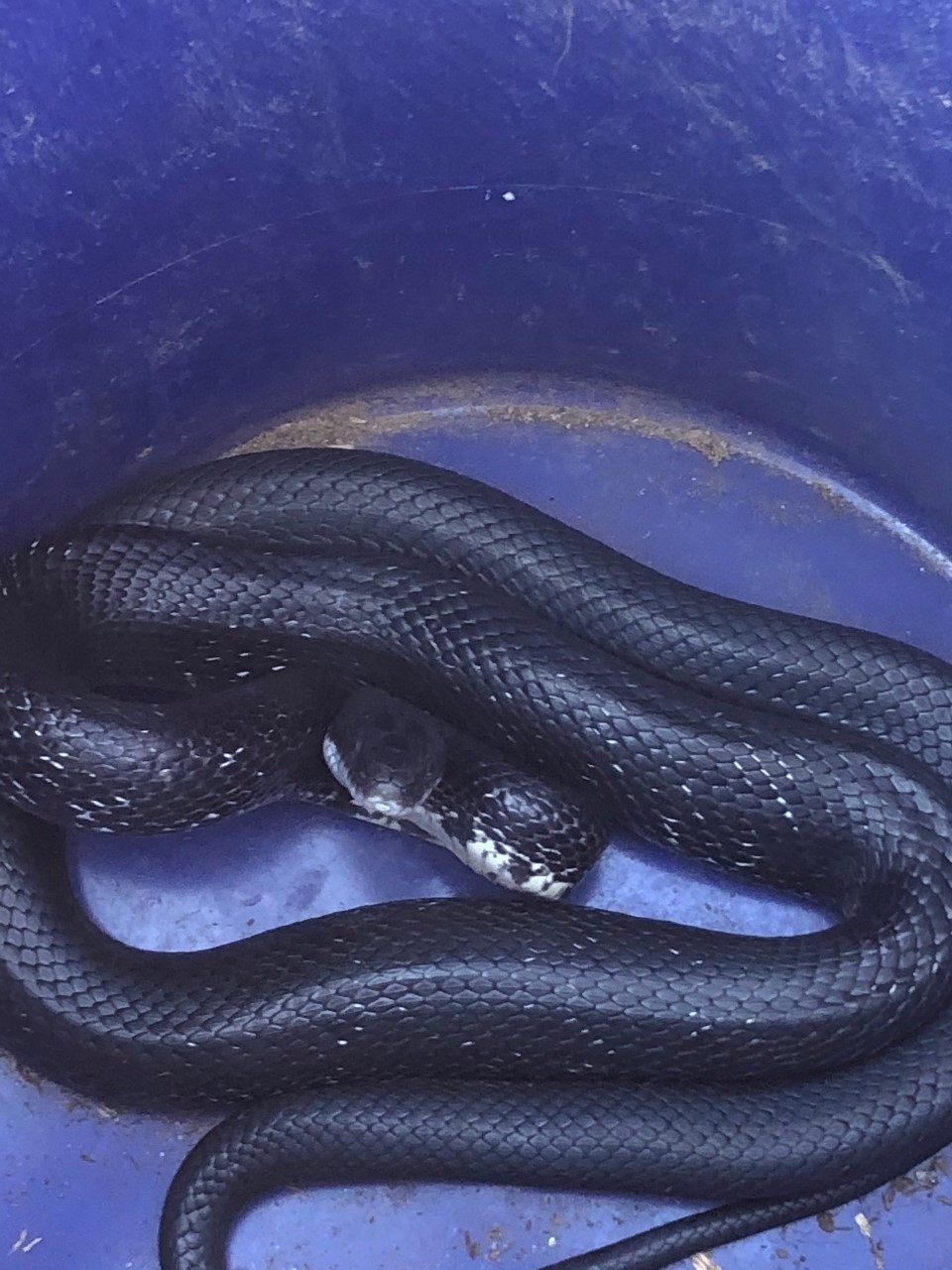
Snake Removal in Bridgeport, CT
Snakes are commonly found around Bridgeport homes, garages, vacant lots, retaining walls, crawlspaces, sheds, landscaped areas, and older foundations where rodents and sheltered hiding areas are present.
Most snakes encountered around Connecticut homes are non-venomous, but many homeowners still want them safely removed after discovering one inside a basement, garage, stairwell, crawlspace, yard, or commercial property.
Bridgeport properties with rodent activity, stone walls, overgrown vegetation, woodpiles, garages, abandoned structures, or foundation gaps often create ideal hiding conditions for snakes during warmer months.
Common Areas Where Snakes Are Found
- Basements and crawlspaces
- Garages and storage areas
- Stone walls and retaining walls
- Woodpiles and overgrown vegetation
- Sheds and detached structures
- Landscaped property edges
Snakes are often attracted to:
- Mouse and rat activity around buildings
- Foundation gaps and crawlspace openings
- Warm sheltered areas near structures
- Dense vegetation and debris piles
- Garages, sheds, and abandoned materials
Our Bridgeport snake removal services may include:
- Safe snake removal
- Inspection for rodent activity
- Identification of hiding areas
- Habitat reduction recommendations
- Rodent control recommendations if needed
Learn more about our snake removal services.
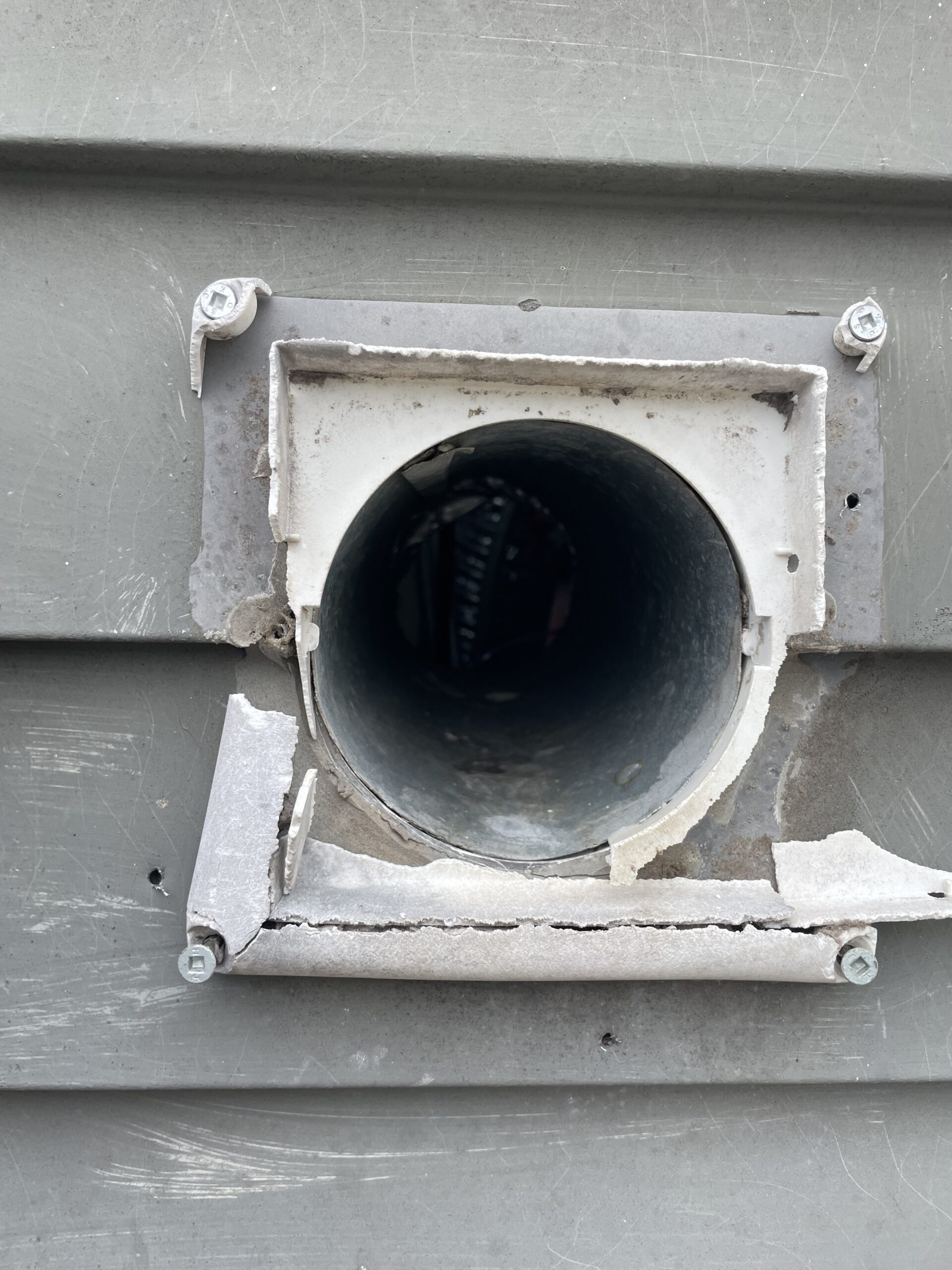
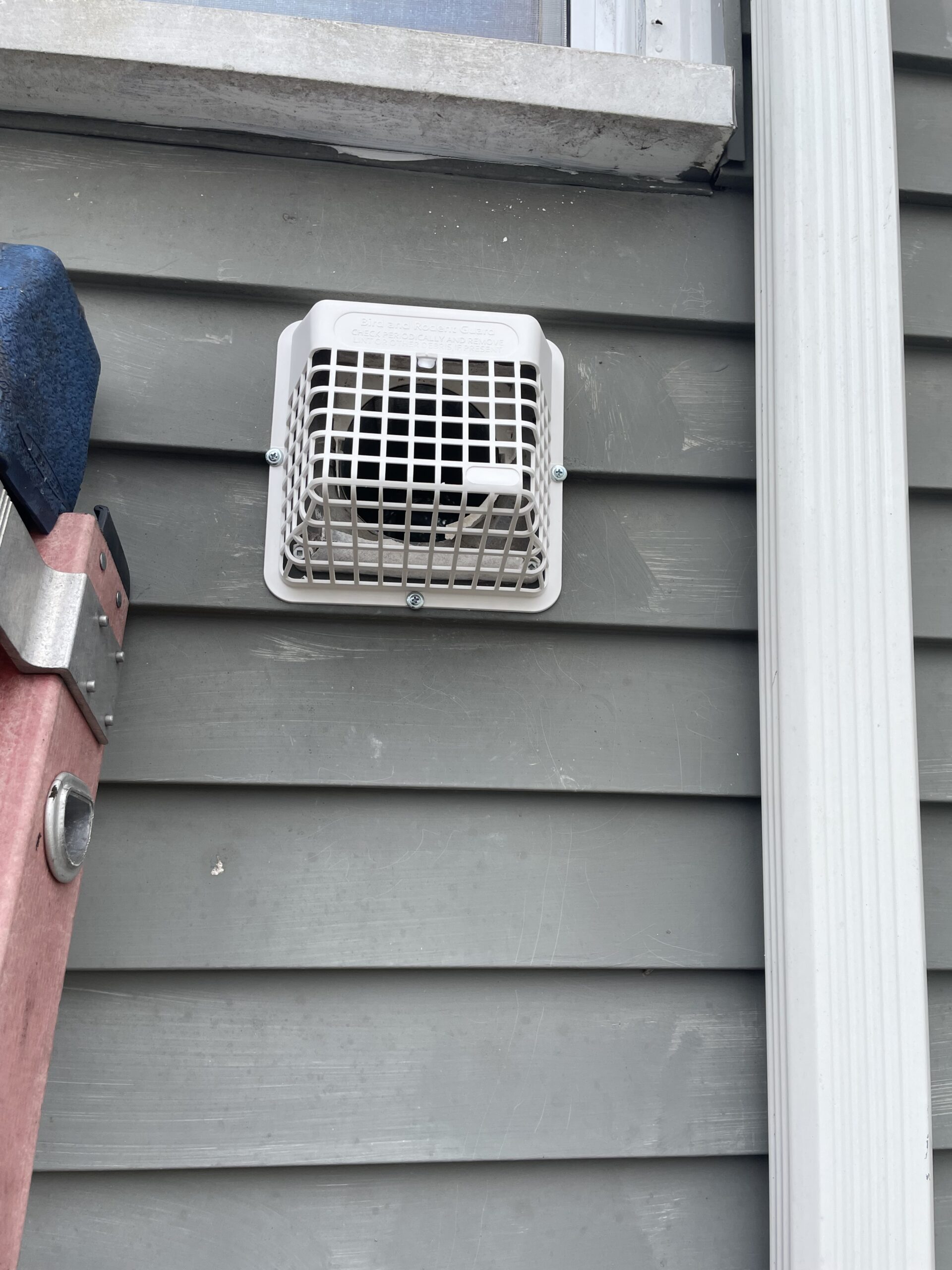
Bird Nest Removal & Vent Protection
Birds frequently nest inside bathroom vents, exhaust vents, soffits, commercial vent systems, and other protected openings around Bridgeport homes and buildings.
Nesting material can restrict airflow, create odor issues, attract insects, and lead to chirping or scratching sounds inside walls or ceilings.
Older buildings, multi-family homes, and structures with damaged vent covers are especially vulnerable to recurring bird nesting problems.
Common Bird Nesting Problems
- Birds nesting inside bathroom or dryer vents
- Noise inside ceilings or walls
- Vent airflow restrictions
- Debris buildup and odor problems
- Repeated nesting activity near the same vent opening
Protective vent barriers and wildlife-proof vent covers can help reduce recurring nesting problems after active nests are removed.
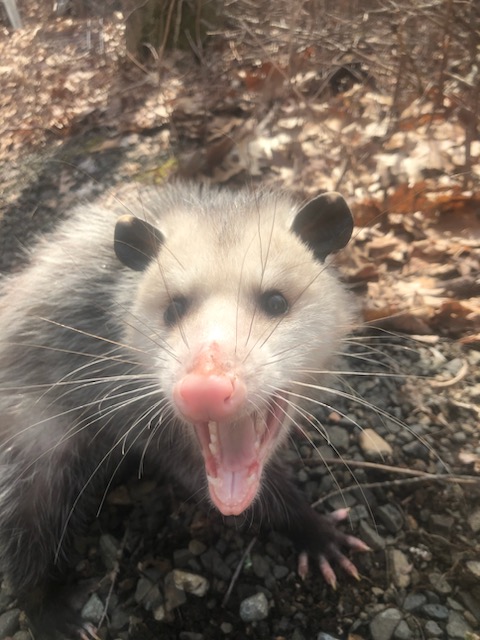
Opossum Removal in Bridgeport, CT
Opossums are commonly found around Bridgeport homes, garages, porches, sheds, crawlspaces, trash areas, abandoned structures, and commercial properties where shelter and food sources are available.
Although opossums are generally less destructive than raccoons, they may still create odor issues, denning problems, nighttime wildlife activity, and recurring sheltering beneath structures.
Bridgeport properties with open crawlspaces, cluttered storage areas, detached garages, accessible porches, and unsecured trash often experience recurring opossum activity.
Common Opossum Problem Areas
- Under porches and decks
- Inside garages or sheds
- Crawlspaces and basement access areas
- Trash and dumpster areas
- Vacant or overgrown properties
Removing attractants and limiting shelter access can help reduce recurring opossum activity around residential and commercial properties.

Wildlife Exclusion & Prevention in Bridgeport, CT
Most recurring wildlife and rodent infestations happen because the building still has accessible entry points after the original animal problem is removed.
Wildlife exclusion focuses on identifying and correcting the openings animals are using to enter attics, crawlspaces, garages, basements, roof systems, vents, and structural voids.
Bridgeport homes and buildings often have aging rooflines, damaged soffits, vent gaps, foundation openings, crawlspace access points, and utility penetrations that allow recurring wildlife activity if repairs are not completed.
Common Wildlife Entry Areas Around Bridgeport Properties
- Damaged soffits and fascia boards
- Attic vents and ridge vents
- Garage corners and basement gaps
- Crawlspace vents and foundation openings
- Roof edges and roof returns
- Utility penetrations and siding gaps
- Porches, sheds, and stair systems
Wildlife prevention work may involve sealing structural gaps, screening vents, reinforcing roofline areas, limiting access beneath structures, and correcting conditions that attract recurring wildlife activity.
Floyd’s Pest & Wildlife Control provides wildlife removal, trapping, rodent control, exclusion, prevention, attic inspections, and property protection services throughout Bridgeport and surrounding Fairfield County communities.
Wildlife Removal Near Bridgeport, CT
Floyd’s Pest & Wildlife Control provides wildlife trapping, rodent control, bat exclusion, squirrel removal, raccoon removal, skunk trapping, and nuisance animal prevention services throughout Bridgeport and surrounding Fairfield County communities.
For county-wide wildlife control coverage, visit our Fairfield County wildlife removal page .
Bridgeport Wildlife Problems & Common Solutions
| Wildlife Problem | Common Areas | Typical Signs | Common Service |
|---|---|---|---|
| Raccoons | Attics, soffits, rooflines | Heavy noises, torn openings, odor | Removal and exclusion |
| Mice & Rats | Basements, garages, crawlspaces | Droppings, scratching, chewing | Rodent control and sealing |
| Skunks | Porches, sheds, stairways | Odor, digging, burrows | Trapping and exclusion |
| Bats | Attics, vents, roof gaps | Guano, chirping, staining | Bat exclusion and sealing |
| Squirrels | Attics and rooflines | Chewing, scratching, nesting | Removal and repairs |
| Woodchucks | Sheds, patios, retaining walls | Burrows, loose soil, lawn damage | Trapping and burrow control |
| Birds | Bathroom and exhaust vents | Nesting, chirping, airflow blockage | Nest removal and vent protection |
Wildlife Removal Questions in Bridgeport, CT
What wildlife problems are most common in Bridgeport?
Common wildlife problems in Bridgeport include raccoons in attics, mice and rats inside basements and walls, skunks beneath porches, bats in rooflines, squirrels in attic spaces, and bird nesting inside vents.
Why are rats and mice common in Bridgeport?
Dense housing, food sources, older buildings, garages, dumpsters, crawlspaces, basements, and structural gaps all contribute to recurring rodent pressure throughout many Bridgeport neighborhoods.
How do raccoons get into buildings?
Raccoons commonly tear open soffits, attic vents, fascia boards, roof edges, and weakened roofline areas to gain access into attic spaces and structural voids.
Can bats enter through very small openings?
Yes. Bats are capable of entering through extremely small gaps around vents, soffits, siding transitions, rooflines, and attic systems.
Why do skunks keep coming back beneath porches or sheds?
If the area beneath the structure remains open after removal, another skunk may eventually move into the same location. Exclusion work helps reduce recurring denning activity.
Are squirrel problems common in older homes?
Yes. Older soffits, rooflines, fascia boards, attic vents, and trim systems often create easy access points for squirrels and flying squirrels.
Why are snakes appearing around my property?
Snakes are often attracted to rodent activity, foundation gaps, crawlspaces, garages, overgrown vegetation, woodpiles, and warm sheltered hiding areas.
Do you provide wildlife exclusion services in Bridgeport?
Yes. Floyd’s Pest & Wildlife Control provides wildlife exclusion, vent protection, rodent sealing, and prevention services designed to help reduce recurring infestations.