Wildlife & Rodent Control Services in Ridgefield, CT
Ridgefield’s wooded residential neighborhoods, historic homes, barns, wetlands, stone walls, mature trees, crawlspaces, and detached structures create ideal conditions for bats, flying squirrels, raccoons, rodents, skunks, snakes, woodchucks, birds, moles, voles, and other nuisance wildlife throughout the year.
Why Wildlife Problems Are So Common in Ridgefield, CT
Ridgefield’s large wooded lots, historic neighborhoods, wetlands, reservoirs, stone walls, mature forests, horse properties, and preserved open space create ideal habitat for nuisance wildlife throughout the year.
Many homes in Ridgefield sit directly against wooded acreage and conservation land, allowing wildlife to move easily between natural habitat and residential structures.
The town’s long rooflines, dormers, ridge vent systems, detached garages, barns, sheds, crawlspaces, and aging construction details provide excellent shelter opportunities for bats, raccoons, squirrels, flying squirrels, mice, rats, birds, and other wildlife species.
Many Ridgefield infestations begin when animals locate vulnerable openings around ridge vents, attic vents, soffits, dormers, crawlspace vents, chimneys, garage corners, foundation seams, or utility penetrations.
Once access is established, the same opening may continue attracting wildlife repeatedly until the vulnerable area is corrected properly.
Common Wildlife & Rodent Problem Areas Around Ridgefield Properties
- Attics, soffits, and ridge vent systems used by bats, raccoons, squirrels, and flying squirrels
- Basements, garages, and crawlspaces where mice and rats commonly enter
- Decks, sheds, barns, porches, and retaining walls where skunks and woodchucks commonly den
- Bathroom vents, dryer vents, and attic openings where birds frequently nest
- Stone walls, wooded property edges, and landscaped areas where snakes, rodents, moles, and voles remain active
- Historic homes and detached structures with aging construction gaps vulnerable to wildlife entry
Attic Cleanup, Dead Animal Removal & Odor Control in Ridgefield, CT
Wildlife problems in Ridgefield homes often involve wooded lots, older homes, larger properties, crawlspaces, garages, chimneys, vents, decks, sheds, stone walls, wetlands, barns, and homes near heavy tree cover or conservation land. Raccoons, squirrels, bats, mice, rats, birds, skunks, and other nuisance wildlife may leave behind odor, droppings, nesting material, damaged insulation, dead animal problems, or contamination after the active animal issue is solved.
Attic Cleanouts & Sanitization
Ridgefield homes with raccoon, squirrel, bat, mouse, rat, or bird activity may need attic cleanup after the animals are removed. Services may include droppings cleanup, guano cleanup, nesting material removal, odor reduction, contaminated insulation removal, and sanitization.
Attic cleanouts, sanitization & insulation removalDead Animal Removal & Odor Control
Dead animals inside walls, attics, crawlspaces, vents, chimneys, basements, garages, under decks, near sheds, in barns, or on private property can cause odor, flies, staining, and sanitation concerns. Floyd’s can help locate and remove dead wildlife when accessible.
Dead animal removal & odor controlWildlife Damage & Entry Point Prevention
Cleanup should usually happen after the animal problem and access points are addressed. Floyd’s can inspect soffits, rooflines, vents, crawlspace openings, foundation gaps, chimney areas, garage gaps, barn openings, deck openings, utility penetrations, and other access points that may allow wildlife or rodents back inside.
Common Wildlife & Rodent Entry Points Around Ridgefield Properties
| Problem Area | Common Animals | Typical Signs |
|---|---|---|
| Ridge vents, attic vents, and soffits | Bats, raccoons, squirrels, flying squirrels | Guano, scratching, staining, chewing damage |
| Basement gaps, garages, crawlspaces, and utility penetrations | Mice and rats | Droppings, chewing, grease marks, odor |
| Decks, sheds, barns, porches, and retaining walls | Skunks, woodchucks, opossums | Burrows, digging damage, loose soil |
| Bathroom vents, dryer vents, and attic openings | Birds and squirrels | Nesting debris, chirping, airflow restriction |
| Stone walls, landscaped edges, and wooded borders | Snakes, rodents, woodchucks | Sightings, tunnels, lawn damage |
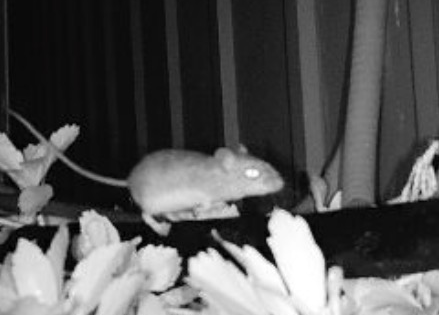
Mouse & Rat Control in Ridgefield, CT
Rodent infestations are extremely common throughout Ridgefield because the town’s wooded environment, detached garages, barns, crawlspaces, basements, historic homes, stone walls, and aging construction gaps create ideal shelter opportunities for mice and rats.
Many Ridgefield homes sit directly against wooded acreage and conservation land where rodent populations remain active year-round before eventually moving into garages, basements, crawlspaces, attics, utility rooms, barns, sheds, and wall cavities.
Mice and rats commonly enter structures through:
- Garage door corners and weather seal gaps
- Utility penetrations and AC line openings
- Basement construction seams
- Crawlspace vents and damaged vent screens
- Siding transitions and trim gaps
- Roofline openings and attic vent systems
Most infestations begin quietly long before rodents are actually seen by the homeowner.
Common Signs of Mouse & Rat Activity
- Droppings inside garages, basements, crawlspaces, or cabinets
- Scratching or movement sounds inside walls and ceilings
- Chewed insulation, cardboard, wiring, or stored belongings
- Strong musky odor from nesting or urine buildup
- Grease marks along rodent travel routes
- Visible rodent activity near sheds, barns, garages, or foundations
Why Rodent Problems Are So Common in Ridgefield
Ridgefield’s wooded residential neighborhoods provide endless shelter opportunities for rodents. Large wooded lots, detached garages, crawlspaces, barns, bird feeders, wood piles, landscaping, and aging construction details all contribute to recurring mouse and rat pressure around homes.
Properties near wetlands, streams, wooded edges, horse properties, or conservation land often experience especially heavy rodent activity throughout colder months.
Rodent Damage & Contamination Problems
Mice and rats can contaminate insulation, spread droppings throughout hidden spaces, chew electrical wiring, damage stored belongings, and create strong odor problems inside attic systems, basements, garages, crawlspaces, and wall cavities.
Large infestations may eventually spread throughout multiple areas of the structure if entry points remain accessible.
Long-Term Rodent Prevention
Effective rodent control focuses on reducing active rodent populations while identifying how mice and rats are entering the structure.
Long-term prevention may involve exclusion recommendations, structural sealing, reducing food sources, correcting vulnerable construction gaps, and ongoing rodent monitoring around the property.
Homes with garages, crawlspaces, sheds, barns, wooded surroundings, or detached structures often benefit from long-term rodent prevention strategies.
Learn more about our mouse and rat control services.

Bat Removal & Bat Exclusion in Ridgefield, CT
Bat problems are extremely common throughout Ridgefield because the town contains mature forest coverage, historic homes, quiet attic systems, ridge vents, barns, and wooded residential properties surrounded by ideal bat habitat.
Homes near wooded hillsides, wetlands, reservoirs, streams, and preserved open space often experience recurring bat activity around attic vents, soffits, ridge vents, dormers, and roof transitions.
Many Ridgefield homeowners first discover bat problems after noticing guano beneath rooflines, hearing chirping or scratching sounds overhead, or seeing bats flying around the home during dusk hours.
Bat colonies can remain hidden inside attic systems for years before contamination and odor problems become severe enough to notice inside the living space.
Common Signs of Bat Activity
- Bats flying near the roofline at dusk
- Guano beneath vents or siding gaps
- Dark staining around active entry points
- Chirping or scratching sounds overhead
- Strong odor inside attic spaces
- Bats appearing inside living areas
Our Ridgefield bat removal services may include:
- Inspection of attic and roofline entry points
- Identification of active bat access areas
- Installation of humane bat exclusion systems
- Recommendations for sealing vulnerable openings
- Guano cleanup recommendations if needed
Learn more about our bat removal and exclusion services.
Raccoon Removal in Ridgefield, CT
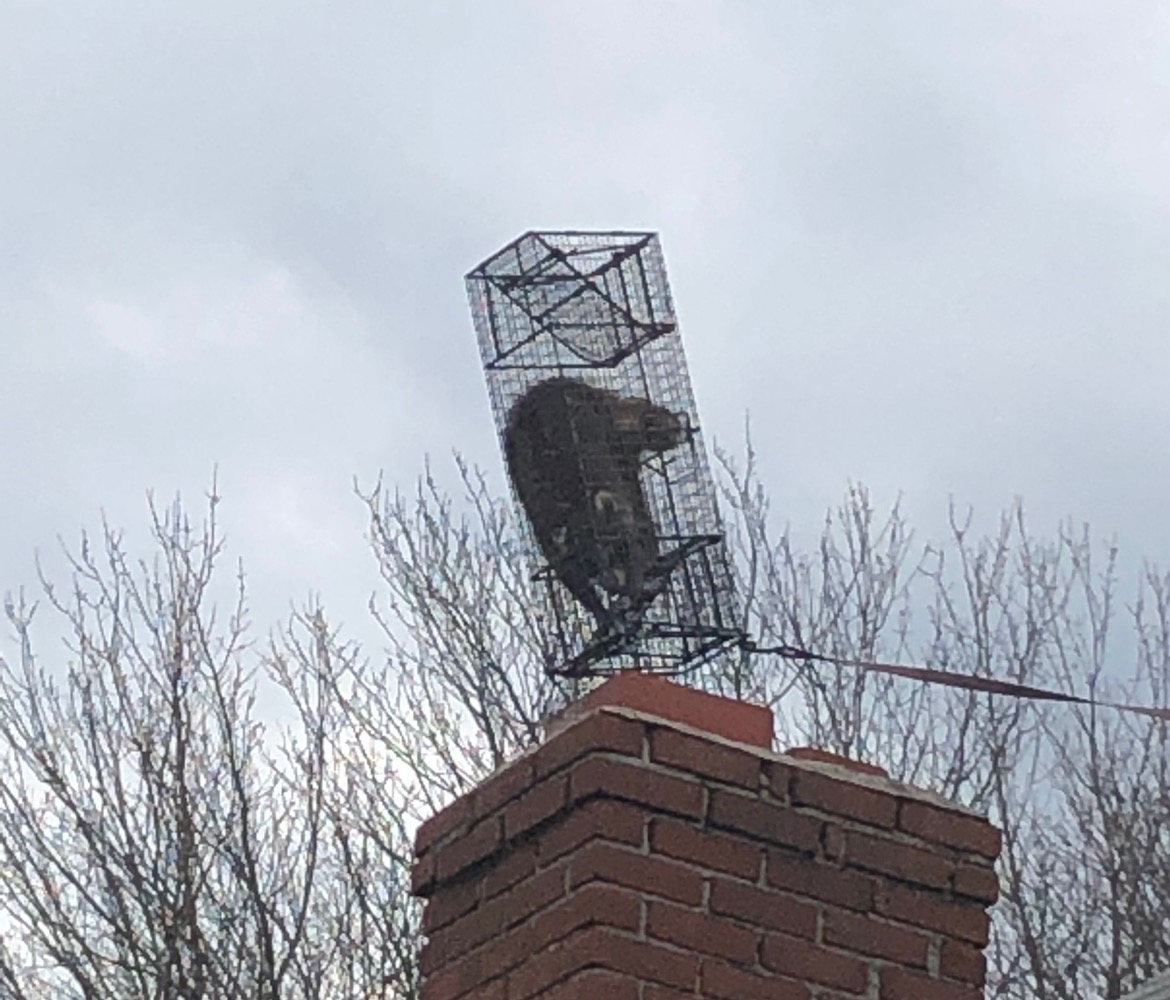
Raccoons are extremely common throughout Ridgefield because the town’s wooded environment, mature trees, quiet residential neighborhoods, barns, detached garages, and large roof systems provide ideal shelter opportunities close to homes.
Ridgefield raccoon problems often involve attics, chimneys, garages, barns, crawlspaces, sheds, decks, and damaged roofline areas where soffits or attic vents have weakened over time.
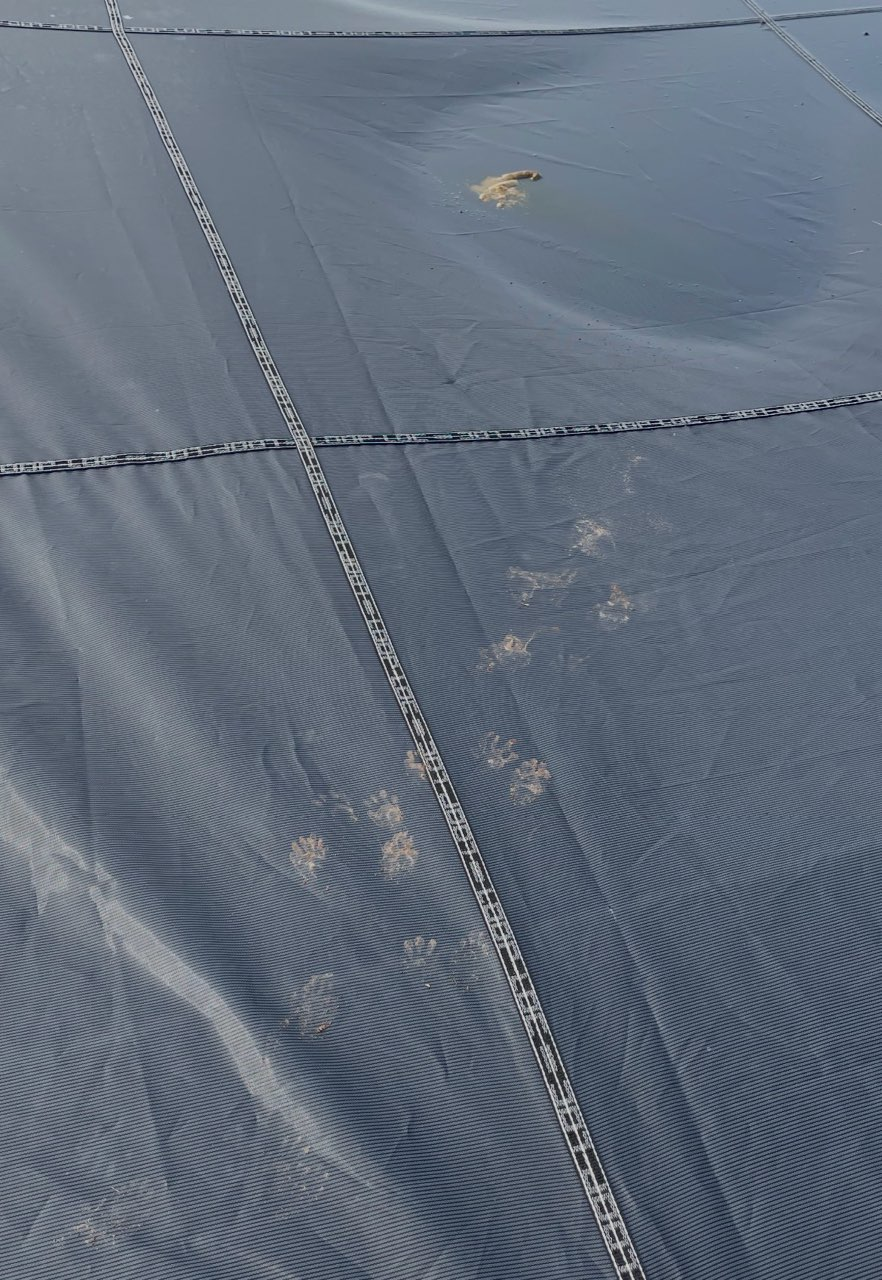
Many homeowners first discover raccoon activity after hearing heavy movement overhead at night, finding tracks around pool covers, noticing torn soffits, seeing damaged attic vents, or smelling strong odor near attic or chimney areas.
Female raccoons frequently target attics, chimneys, barns, and garage lofts during spring baby season because those spaces provide warm, protected denning locations.
Common Signs of Raccoon Activity
- Heavy walking, thumping, or rolling sounds overhead at night
- Torn soffits, damaged fascia boards, or opened attic vents
- Tracks and droppings around pools, patios, sheds, or decks
- Strong odor near attic, chimney, or crawlspace areas
- Disturbed insulation inside attic spaces
- Raccoons climbing on roofs, chimneys, gutters, trees, or fences
Raccoon removal should be followed by correction of the damaged roofline, chimney, soffit, vent, or access point to help reduce repeat activity.
Learn more about our raccoon removal services.
Squirrel & Flying Squirrel Removal in Ridgefield, CT
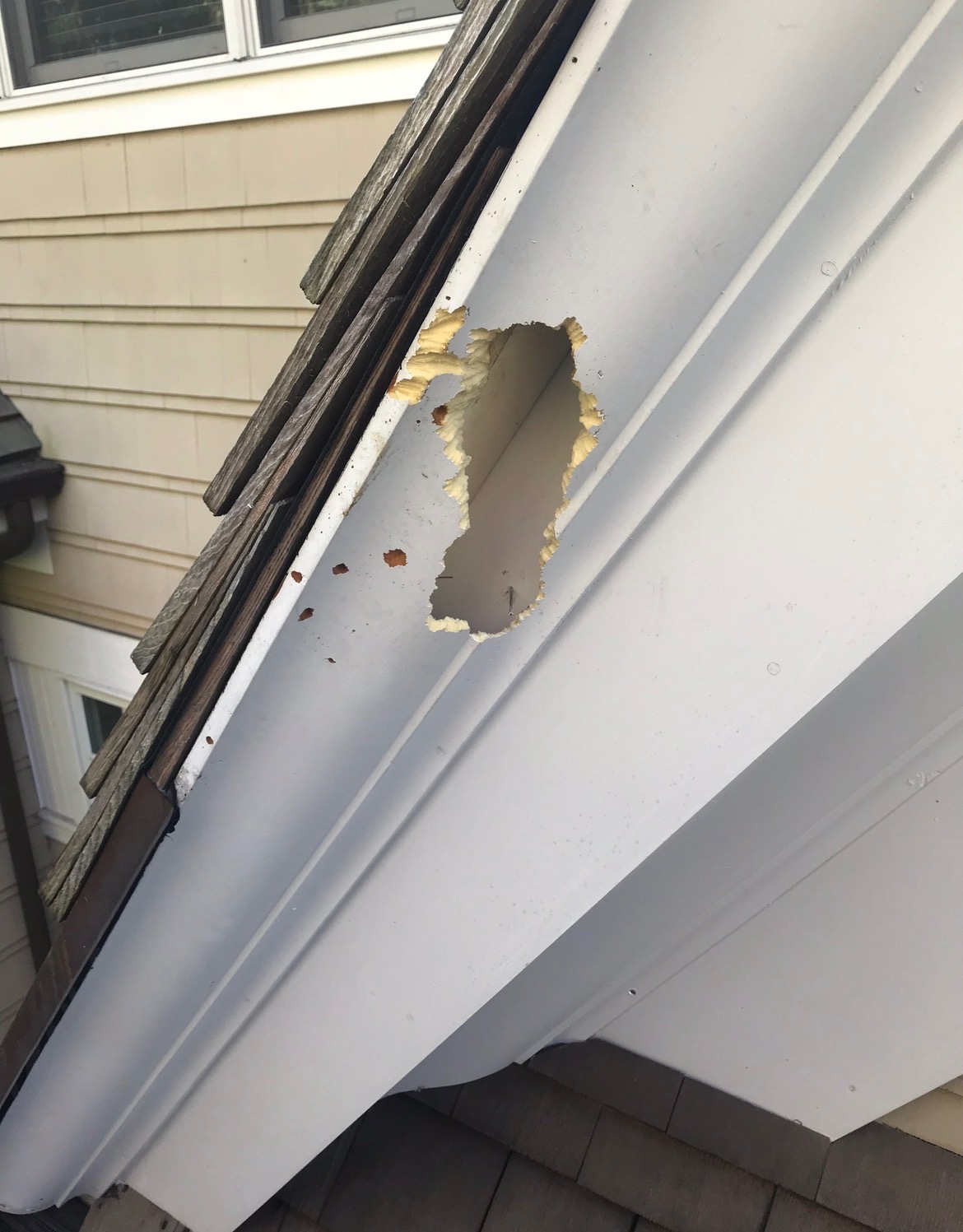
Squirrels and flying squirrels are extremely common throughout Ridgefield because the town has dense tree coverage, wooded residential lots, historic homes, barns, detached garages, and quiet attic spaces close to mature hardwood trees.
Flying squirrels are especially common around wooded Fairfield County properties and are frequently heard moving through attic insulation, ceilings, and wall cavities during nighttime hours.
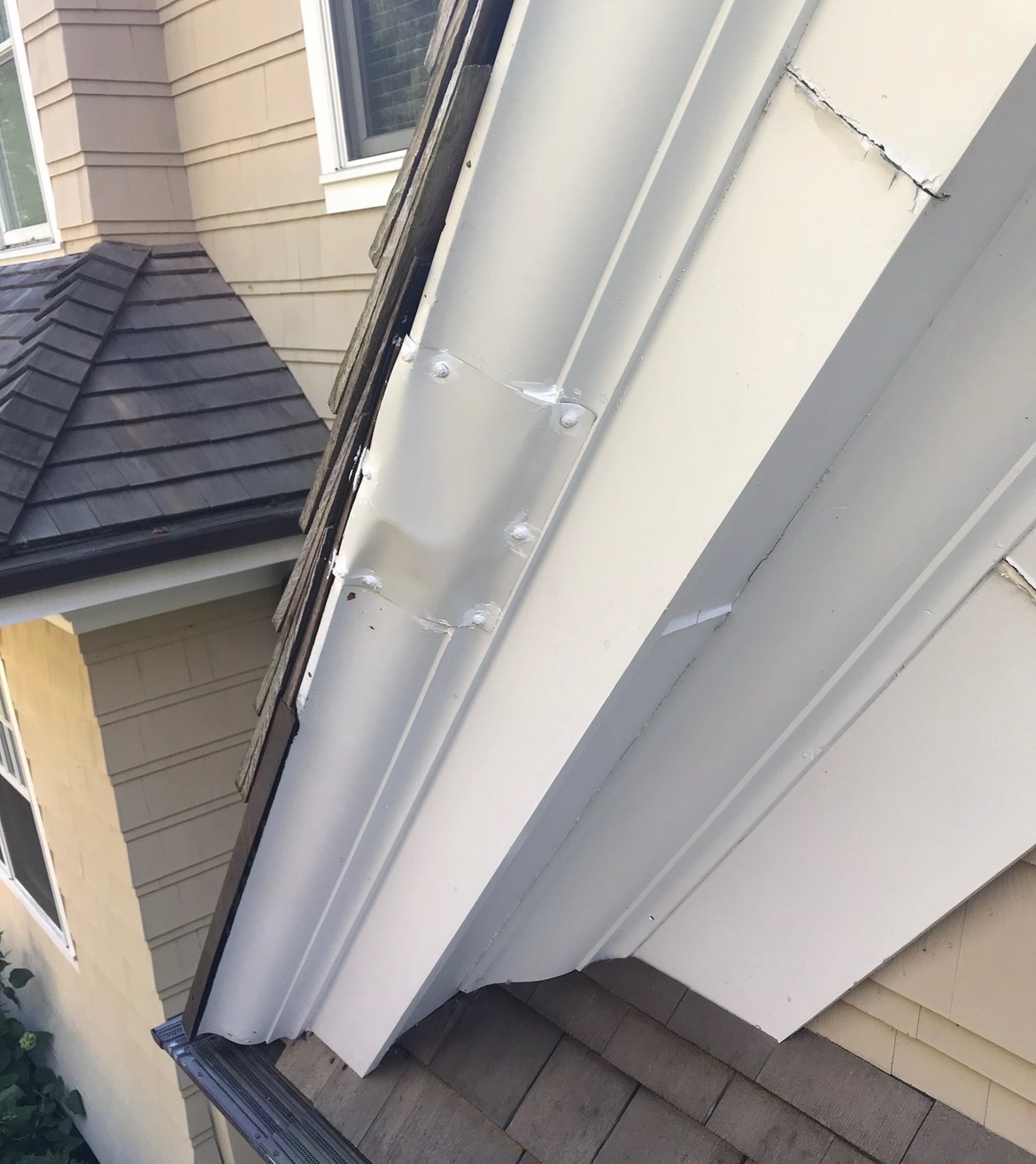
Gray squirrels are more commonly heard during morning and daytime hours and may chew into soffits, fascia boards, ridge vents, attic vents, and roof returns while attempting to access attic spaces.
Common Signs of Squirrel Activity
- Scratching or running sounds inside ceilings or walls
- Chewing damage around soffits, vents, or fascia boards
- Squirrels repeatedly climbing on gutters, rooflines, or nearby trees
- Visible openings near attic vents, dormers, or roof returns
- Nesting material and droppings inside attic insulation
- Noise during early morning, daytime, or nighttime hours
Once squirrels chew into an attic, the same opening may continue attracting squirrels, flying squirrels, mice, bats, or other wildlife unless the damaged area is repaired and reinforced properly.
Learn more about our squirrel removal services.
Skunk Problems Around Ridgefield Homes & Properties
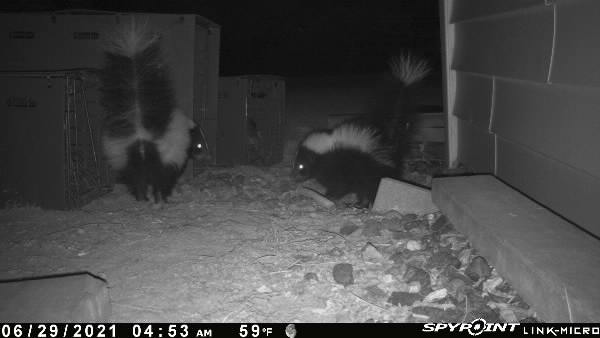
Skunks are regularly encountered throughout Ridgefield neighborhoods because the town has large wooded residential lots, stone walls, horse properties, sheds, barns, crawlspaces, wetlands, and quiet outdoor areas that provide excellent denning habitat.
Unlike raccoons or squirrels that often target attic systems, skunks usually establish activity beneath structures at ground level. Decks, porches, sheds, retaining walls, stair systems, barns, and crawlspaces are some of the most common problem areas around Ridgefield properties.
Many homeowners first realize skunks are present after pets are sprayed during nighttime hours or after small cone-shaped digging holes begin appearing across lawns and landscaped areas.
Ridgefield’s wooded environment and lower-density neighborhoods allow skunks to move easily between forested habitat and residential properties without much disturbance.
Common Signs of Skunk Activity Around Ridgefield Properties
- Strong skunk odor around the home or yard
- Small digging holes throughout lawns and mulch beds
- Burrows beneath sheds, porches, decks, or barns
- Loose soil around foundations or retaining walls
- Nighttime wildlife activity on security cameras
- Pets sprayed during evening or nighttime hours
During spring and early summer, female skunks commonly search for protected areas beneath structures to raise young safely away from predators and weather exposure.
Learn more about our skunk removal services.
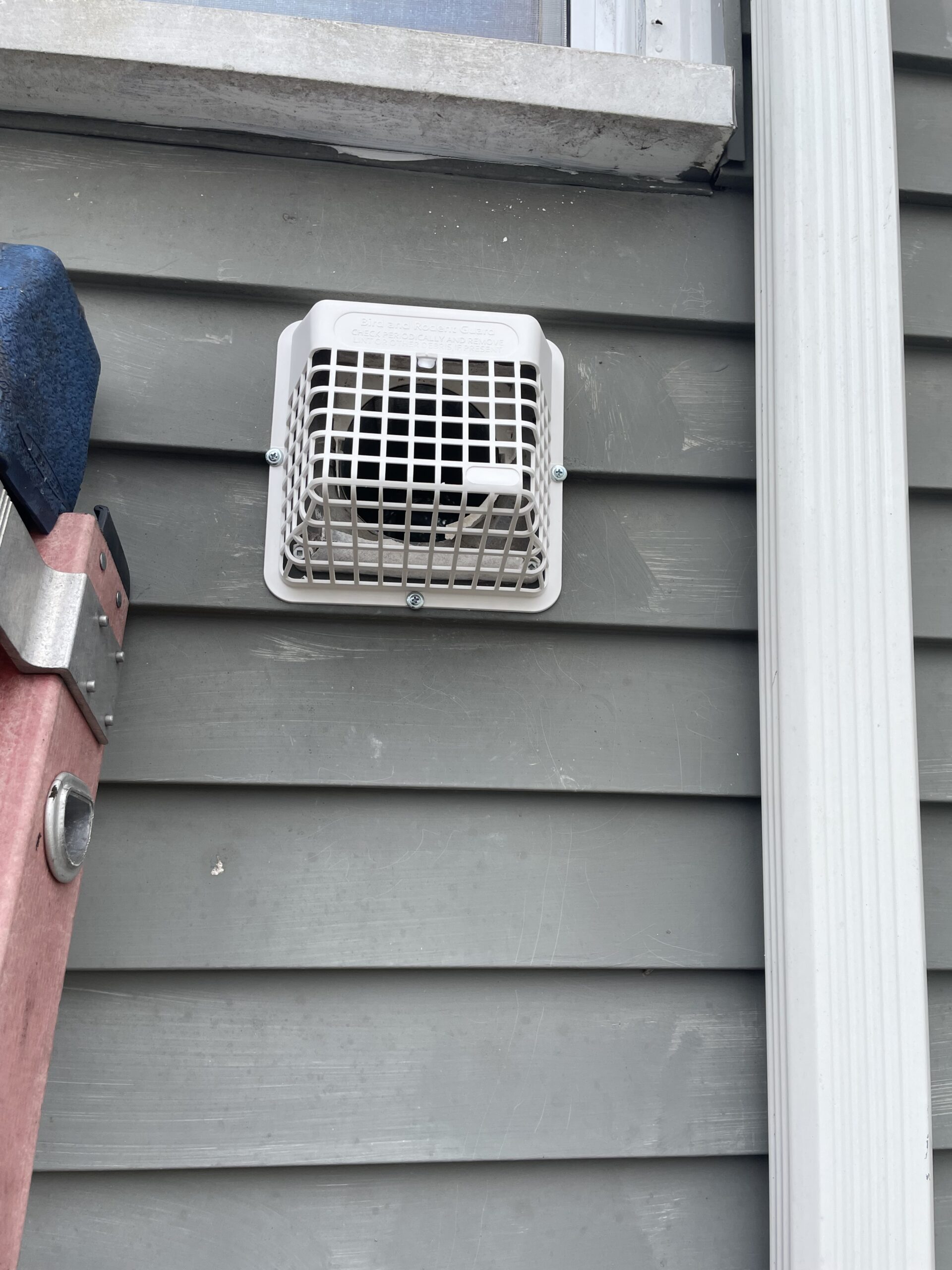
Bird Nest Removal & Vent Protection in Ridgefield, CT
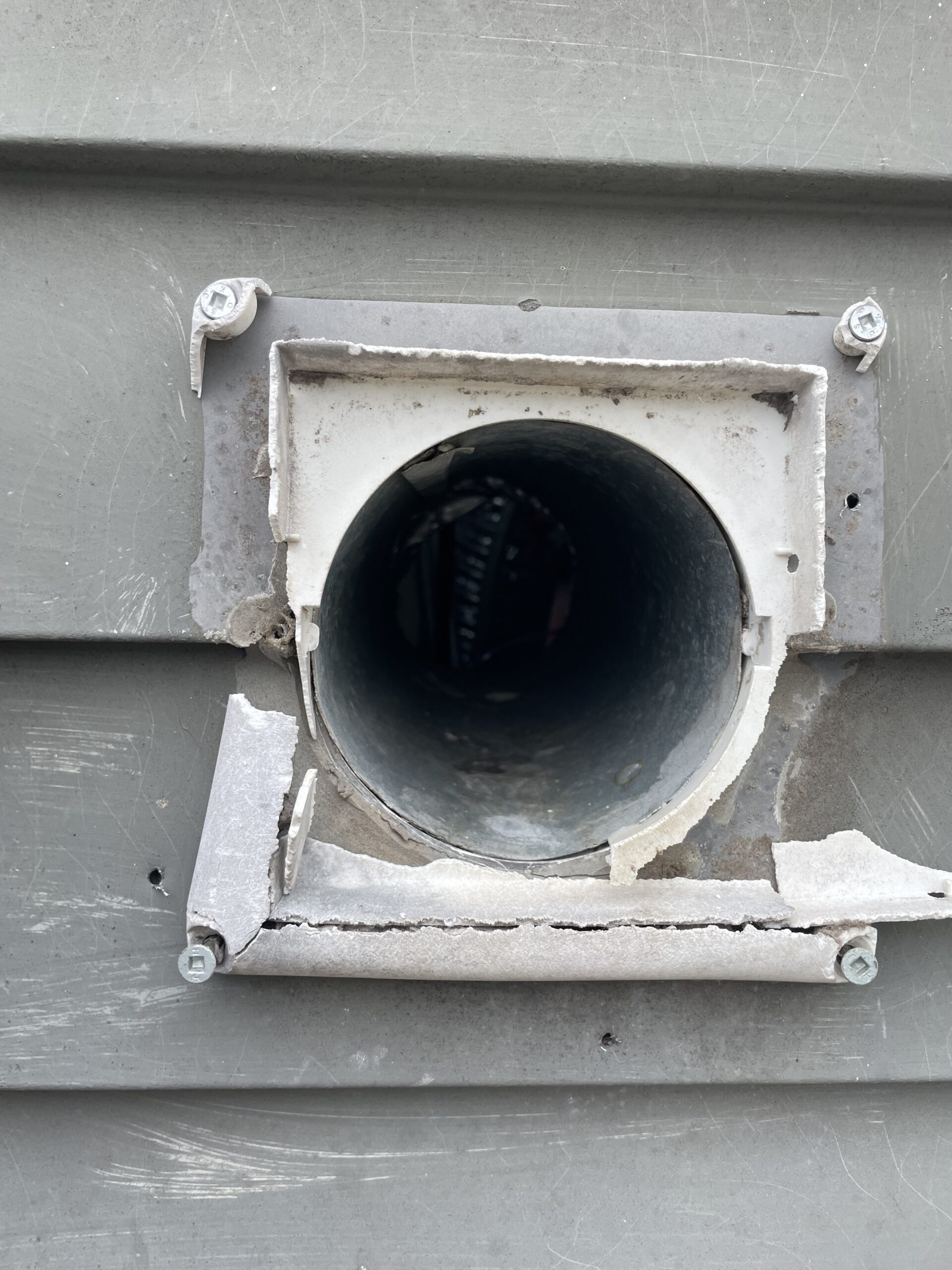
Bird nesting issues are extremely common around Ridgefield homes because many properties contain unprotected dryer vents, bathroom vents, attic vents, soffit openings, barns, detached garages, and decorative roof structures that create protected nesting areas.
Homes surrounded by mature trees and wooded acreage often experience repeated nesting activity each season, especially around quiet residential neighborhoods with limited disturbance.
Birds commonly carry nesting material deep into vent systems where airflow can eventually become restricted.
Common Bird Nesting Areas Around Ridgefield Homes
- Dryer vents and bathroom exhaust vents
- Soffit openings and attic vents
- Barns and detached garages
- Cupolas and decorative roof structures
- Covered porch ceilings and overhangs
- Gable vents and roof transitions
Homeowners often notice chirping inside walls or ceilings, reduced dryer performance, nesting debris around vent covers, or repeated bird activity near the same exterior opening.
Protective vent covers and wildlife-proof screening can help reduce recurring nesting problems around Ridgefield properties.
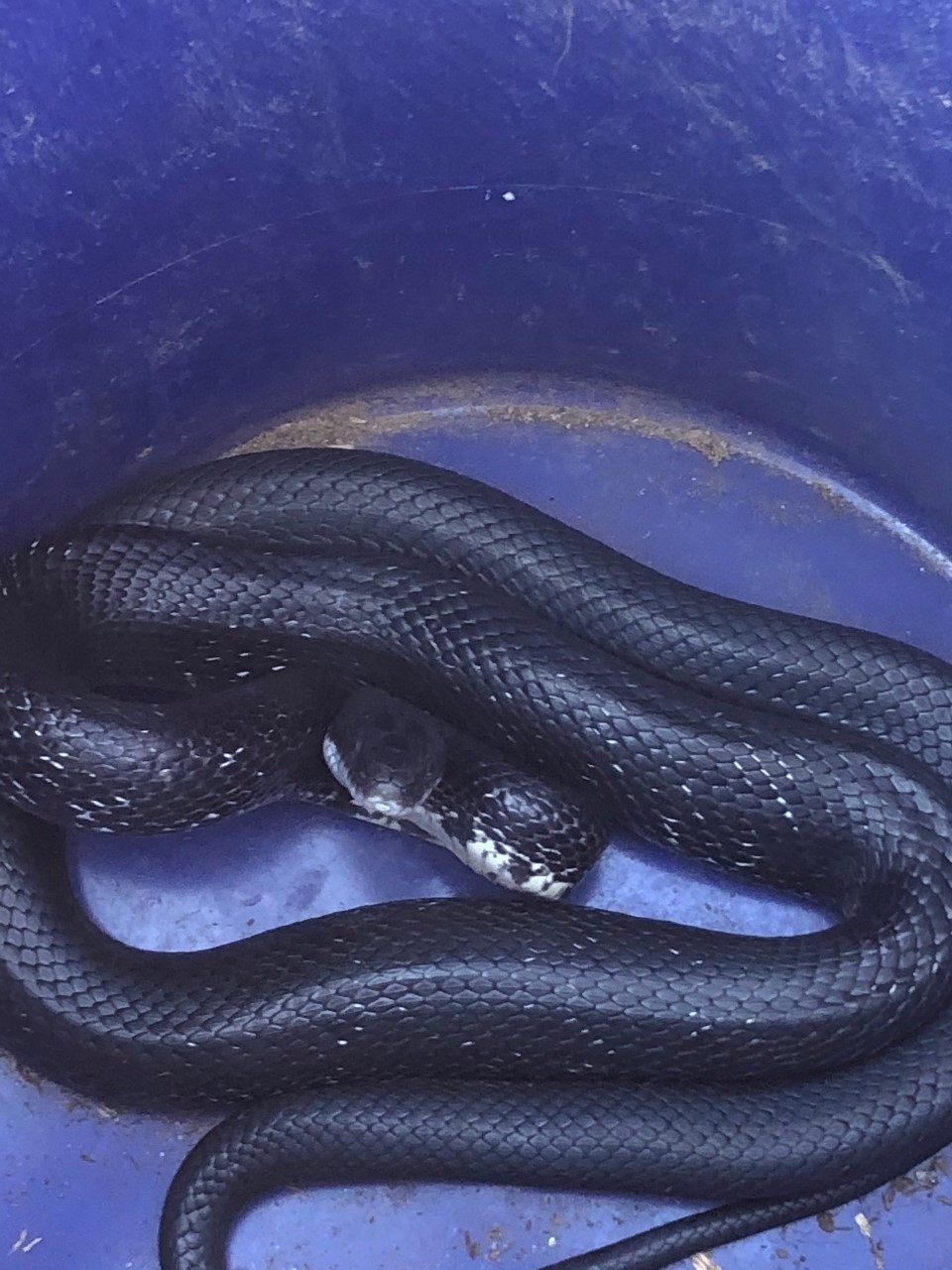
Snake Removal in Ridgefield, CT
Snake sightings are common throughout Ridgefield because the town contains extensive stone walls, wooded hillsides, wetlands, landscaped gardens, streams, brush piles, and natural habitat areas that support healthy snake populations.
Most snakes encountered around Connecticut homes are non-venomous, but many homeowners still prefer safe removal after discovering a snake near a patio, basement, shed, garage, retaining wall, crawlspace, or inside the structure.
Ridgefield’s large wooded residential lots and abundant rodent populations create ideal feeding and shelter opportunities for snakes during warmer months.
Common Areas Where Snakes Are Found Around Ridgefield Properties
- Stone walls and retaining walls
- Wood piles and brush piles
- Garages, sheds, barns, and crawlspaces
- Basement gaps and foundation edges
- Landscaped gardens and mulch beds
- Wetlands, wooded edges, and stream corridors
Properties with dense landscaping, heavy rodent pressure, nearby wetlands, or large wooded surroundings often experience more frequent snake sightings.
Reducing rodent activity and limiting dense hiding areas near the structure may help reduce recurring snake activity around the property.
Learn more about our snake removal services.

Wildlife Exclusion & Long-Term Prevention in Ridgefield, CT
Many recurring wildlife problems throughout Ridgefield continue because the original structural vulnerability was never corrected after the animal was removed.
Wildlife exclusion focuses on locating and correcting the openings animals use to enter attic systems, crawlspaces, garages, basements, barns, sheds, and wall cavities.
Ridgefield homes commonly contain aging rooflines, ridge vent gaps, utility penetrations, crawlspace openings, soffit damage, chimney voids, detached structures, and older construction details that wildlife repeatedly targets.
Common Structural Weak Points Around Ridgefield Homes
- Ridge vents and attic vent systems
- Soffit intersections and fascia gaps
- Garage corners and weather seal openings
- Foundation seams and crawlspace gaps
- Utility penetrations and AC line openings
- Dryer vents and bathroom exhaust vents
- Dormers, roof returns, and chimney gaps
- Barns, detached garages, and aging outbuildings
Long-term wildlife control usually requires both humane removal and structural prevention work designed to help reduce recurring infestations, contamination problems, and repeat property damage.
Wildlife Removal Near Ridgefield, CT
Floyd’s Pest & Wildlife Control provides wildlife trapping, rodent control, bat exclusion, squirrel removal, raccoon removal, bird removal, skunk trapping, and nuisance animal prevention services throughout Ridgefield and nearby Fairfield County communities.
Common Wildlife & Rodent Problems in Ridgefield, CT
| Animal | Where Problems Commonly Occur | Typical Signs | Common Solution |
|---|---|---|---|
| Mice & Rats | Basements, garages, crawlspaces, barns | Droppings, scratching, chewing, odor | Rodent control and exclusion |
| Bats | Attics, ridge vents, soffits | Guano, staining, chirping | Bat exclusion and sealing |
| Raccoons | Rooflines, chimneys, attic systems | Heavy noises, torn soffits | Removal and repair work |
| Squirrels & Flying Squirrels | Attics, dormers, roof edges | Chewing, scratching, nesting | Removal and exclusion |
| Skunks | Decks, sheds, barns, porches | Odor, burrows, lawn digging | Trapping and prevention |
| Woodchucks | Gardens, foundations, retaining walls | Burrows, loose soil, landscape damage | Trapping and burrow management |
| Birds | Dryer vents, attic vents, barns | Chirping, nesting debris, airflow problems | Nest removal and vent protection |
| Snakes | Stone walls, wooded edges, sheds | Sightings near structures | Removal and habitat correction |
Wildlife Removal Questions in Ridgefield, CT
Why do Ridgefield homes experience so many wildlife problems?
Ridgefield contains large wooded residential lots, wetlands, mature forests, stone walls, detached structures, and preserved open space that create ideal habitat conditions for nuisance wildlife throughout the year.
Are flying squirrels common in Ridgefield attics?
Yes. Flying squirrels are extremely common throughout wooded Fairfield County towns and frequently enter attics through ridge vents, soffits, dormers, and roofline gaps.
Why are bats getting into my attic?
Bats commonly enter through ridge vents, soffits, attic vents, roof returns, and dormer gaps. Once a colony establishes inside an attic, the same opening may continue attracting bats until exclusion work is completed properly.
Do raccoons commonly damage Ridgefield roofs?
Yes. Raccoons frequently tear soffits, fascia boards, attic vents, and roofline materials while attempting to enter attics and chimney systems for shelter.
Why are snakes common around Ridgefield properties?
Ridgefield’s stone walls, wooded acreage, wetlands, landscaping, and healthy rodent populations create excellent habitat conditions for snakes throughout warmer months.
Can mice and rats damage insulation and wiring?
Yes. Rodents commonly contaminate insulation, chew electrical wiring, damage stored belongings, and create odor and contamination problems inside hidden structural spaces.
Why are skunks digging throughout my lawn?
Skunks dig small cone-shaped holes while feeding on insects and grubs beneath the soil surface. They may also den beneath sheds, porches, barns, and decks.
Do you provide wildlife exclusion services in Ridgefield?
Yes. Floyd’s Pest & Wildlife Control provides wildlife exclusion, rodent sealing, vent protection, attic inspections, and long-term prevention services designed to help reduce recurring infestations.