Middlebury Wildlife Removal Services
Floyd’s Pest & Wildlife Control provides bat exclusion, skunk removal, woodchuck trapping, raccoon removal, rodent control, squirrel removal, snake removal, attic cleanup, dead animal odor control, and wildlife prevention throughout Middlebury and nearby New Haven County towns.
Why Wildlife Problems Are Common in Middlebury, CT
Middlebury has a mix of wooded residential neighborhoods, larger homes, lake-area properties, older houses, garages, sheds, decks, crawlspaces, attics, stone walls, landscaped yards, and wooded edges that create steady wildlife pressure. This makes bat exclusion, skunk removal, woodchuck trapping, raccoon removal, rodent control, attic cleanup, and wildlife exclusion important throughout Middlebury.
Wildlife activity is common near Lake Quassapaug, Middlebury Center, Route 64, Route 188, Southford Road, Straits Turnpike, the Middlebury Greenway, Long Meadow Pond, Hop Brook Lake, wooded residential roads, and the Waterbury, Naugatuck, Oxford, Southbury, Woodbury, and Watertown border areas.
Bat removal should be one of the stronger services on this page because many Middlebury homes have roofline gaps, ridge vents, gable vents, soffit returns, chimneys, dormers, attached garages, and attic spaces where bats can enter. Wooded lots, wetlands, ponds, and lake-area insect activity can keep bats close to homes during the warmer months.
Woodchucks and skunks are also strong Middlebury targets. Woodchucks dig near sheds, patios, retaining walls, gardens, garage slabs, and foundation edges. Skunks den under decks, sheds, porches, crawlspaces, garages, and steps, and odor can move into basements, garages, mudrooms, and living areas through low structural openings.
Raccoons, squirrels, and rodents use mature trees, rooflines, chimneys, garages, sheds, basements, crawlspaces, utility penetrations, and attic spaces for shelter. Floyd’s Pest & Wildlife Control focuses on identifying how animals are using the property, solving the active problem, and recommending exclusion or prevention work to reduce repeat wildlife issues.
Bat Removal & Bat Exclusion in Middlebury, CT
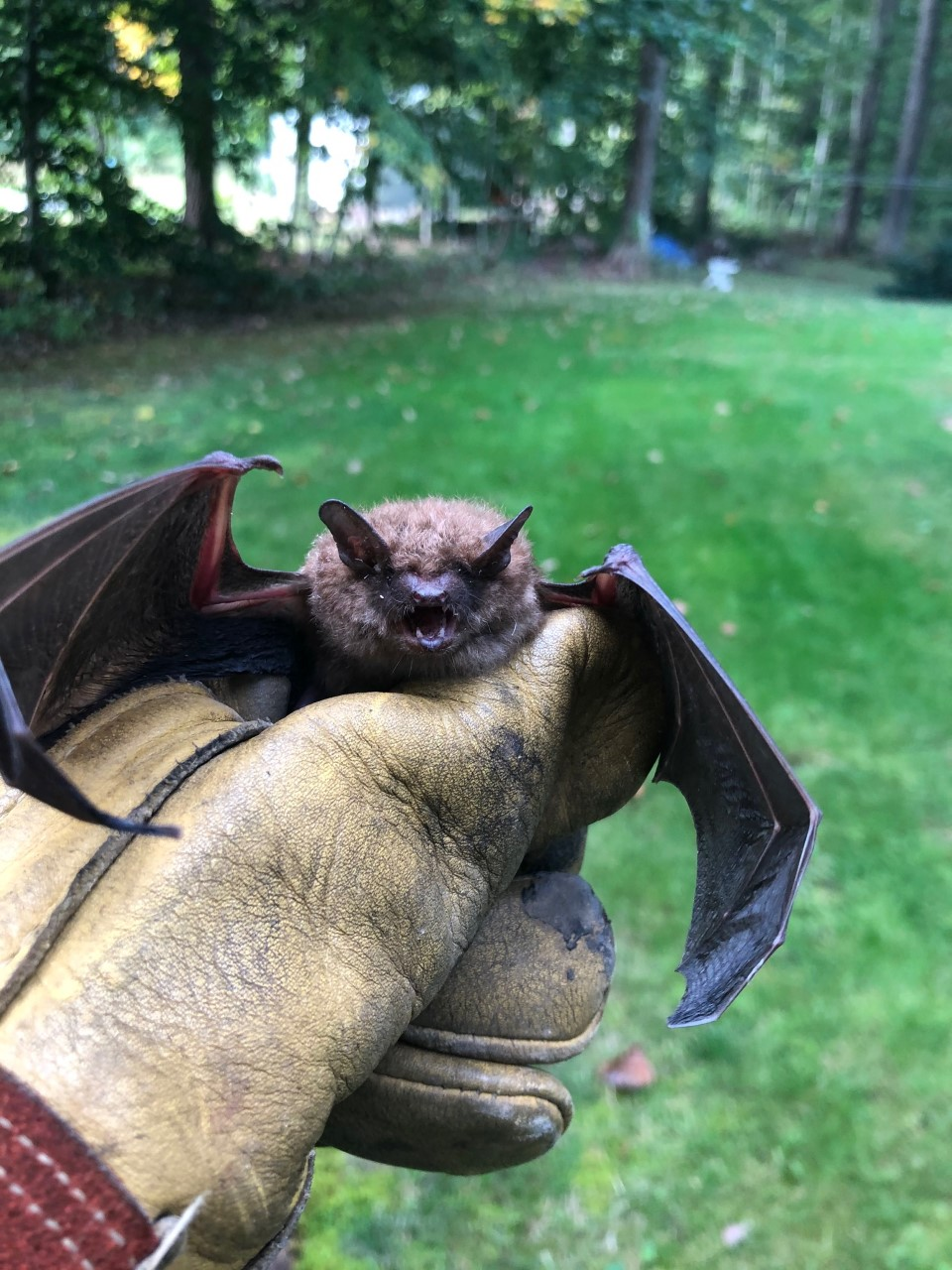
Bat removal and bat exclusion are important in Middlebury because many homes have wooded surroundings, larger attic spaces, attached garages, chimneys, ridge vents, gable vents, soffit returns, dormers, fascia gaps, and older roofline details where bats can enter. Properties near Lake Quassapaug, Middlebury Center, Route 64, Route 188, Southford Road, Straits Turnpike, the Middlebury Greenway, Long Meadow Pond, Hop Brook Lake, and the Waterbury, Naugatuck, Oxford, Southbury, Woodbury, and Watertown border areas can all experience bat activity.
Bats can enter through very small gaps along ridge vents, chimney flashing, soffit returns, gable vents, fascia boards, dormer corners, rake boards, roof valleys, garage rooflines, and roof-to-wall seams. In Middlebury, wooded lots, wetlands, ponds, and lake-area insect activity can keep bats close to homes during spring, summer, and early fall.
Floyd’s Pest & Wildlife Control provides humane bat removal and bat exclusion in Middlebury using inspection, one-way exclusion devices, sealing, follow-up work, and prevention recommendations. The goal is to remove bats from the structure and close the openings that allowed them inside.
Common Middlebury Bat Entry Points
- Ridge vents, ridge caps, roof peaks, and high roofline gaps
- Gable vents, attic louvers, loose vent screening, and older attic vents
- Soffit returns, fascia openings, rake boards, dormer corners, and trim gaps
- Chimney flashing, masonry gaps, roof-to-chimney intersections, and old mortar openings
- Roof valleys, additions, garage rooflines, porch roof transitions, and roof-to-wall seams
- Attic spaces above homes, garages, additions, and older houses
Bat exclusion should be handled carefully because sealing the wrong opening too early can trap bats inside or push them into living areas. Floyd’s inspects the structure, identifies the active entry point, installs one-way devices when needed, and seals secondary gaps so bats cannot simply shift to another opening.
If bats have been using an attic for a long time, Floyd’s may recommend attic cleanup and sanitization after exclusion is complete, especially when guano, urine staining, odor, or contaminated insulation is present.

Woodchuck Removal in Middlebury, CT
Woodchuck removal is important in Middlebury because many properties have gardens, wooded edges, sheds, decks, patios, retaining walls, stone borders, garage slabs, landscaped beds, and foundation edges where burrowing animals can dig close to structures. Properties near Lake Quassapaug, Middlebury Center, Route 64, Route 188, Southford Road, Straits Turnpike, the Middlebury Greenway, Long Meadow Pond, Hop Brook Lake, and the Waterbury, Naugatuck, Oxford, Southbury, Woodbury, and Watertown border areas can all support woodchuck activity.
A woodchuck problem often starts with one visible hole near a shed, deck, porch, patio, retaining wall, garage edge, garden, fence line, wooded border, or landscaped area. The larger concern is the underground burrow system. Woodchucks can remove soil from areas that support sheds, patios, walkways, retaining walls, garage slabs, and foundation edges.
Floyd’s Pest & Wildlife Control provides targeted woodchuck removal for Middlebury properties where burrowing animals are damaging landscaping, digging near structures, undermining hardscapes, or creating unsafe holes around lawns, gardens, patios, sheds, garages, retaining walls, and foundation edges.
Common Middlebury Woodchuck Problems
- Burrows under decks, porches, patios, sheds, garages, and outbuildings
- Digging along foundation edges, garage slabs, walkways, retaining walls, and fence lines
- Soil removal from garden edges, hardscape areas, and structural support zones
- Damage to vegetable gardens, flowers, ornamental plants, clover, lawn edges, and landscaped beds
- Multiple burrow entrances along wooded edges, brush piles, stone borders, and quiet back corners
- Unsafe holes near mowing areas, stairs, walkways, patios, driveways, garden paths, and play areas
Woodchuck removal in Middlebury should include a full inspection of the property because many burrow systems have more than one entrance. After the active woodchuck problem is handled, Floyd’s can recommend prevention steps such as closing abandoned burrow openings, monitoring fresh digging, reducing cover, and protecting vulnerable shed, patio, retaining wall, garden, garage, or foundation edges.
Skunk Removal in Middlebury, CT
Skunk removal is common in Middlebury because many homes have sheds, decks, porches, crawlspaces, garages, stone walls, landscaped yards, wooded edges, and quiet low openings where skunks can den. Properties near Lake Quassapaug, Middlebury Center, Route 64, Route 188, Southford Road, Straits Turnpike, the Middlebury Greenway, Long Meadow Pond, Hop Brook Lake, and the Waterbury, Naugatuck, Oxford, Southbury, Woodbury, and Watertown border areas can all experience skunk activity.
Skunks often travel along fence lines, retaining walls, wooded edges, shed lines, driveway borders, gardens, and landscaped beds while feeding at night. They may dig small cone-shaped holes in lawns and mulch beds while searching for grubs and insects, then use a protected opening under a deck, shed, porch, crawlspace, garage, front step, or addition as a den site.
In Middlebury, skunk odor can move through crawlspaces, basement gaps, attached garages, porch voids, HVAC pathways, and low structural openings. A skunk may spray outside the home, near a pet, under a deck, beside a garage, or around a den site, and the smell can move inside even when the animal is outside.
Floyd’s Pest & Wildlife Control provides professional skunk removal in Middlebury, including den inspection, trapping when needed, odor guidance, exclusion recommendations, and prevention work for decks, sheds, porches, crawlspaces, garages, and other low structural openings.
Common Middlebury Skunk Problems
- Skunks living under decks, sheds, porches, front steps, crawlspaces, garages, and additions
- Strong skunk odor entering basements, garages, crawlspaces, mudrooms, or HVAC pathways
- Small cone-shaped digging in lawns, mulch beds, garden edges, and landscaped areas
- Skunks traveling along wooded edges, fence lines, retaining walls, driveways, and shed lines
- Baby skunks appearing around patios, sheds, yards, steps, and quiet denning areas
- Repeat skunk activity when deck, shed, porch, crawlspace, or garage openings are not excluded
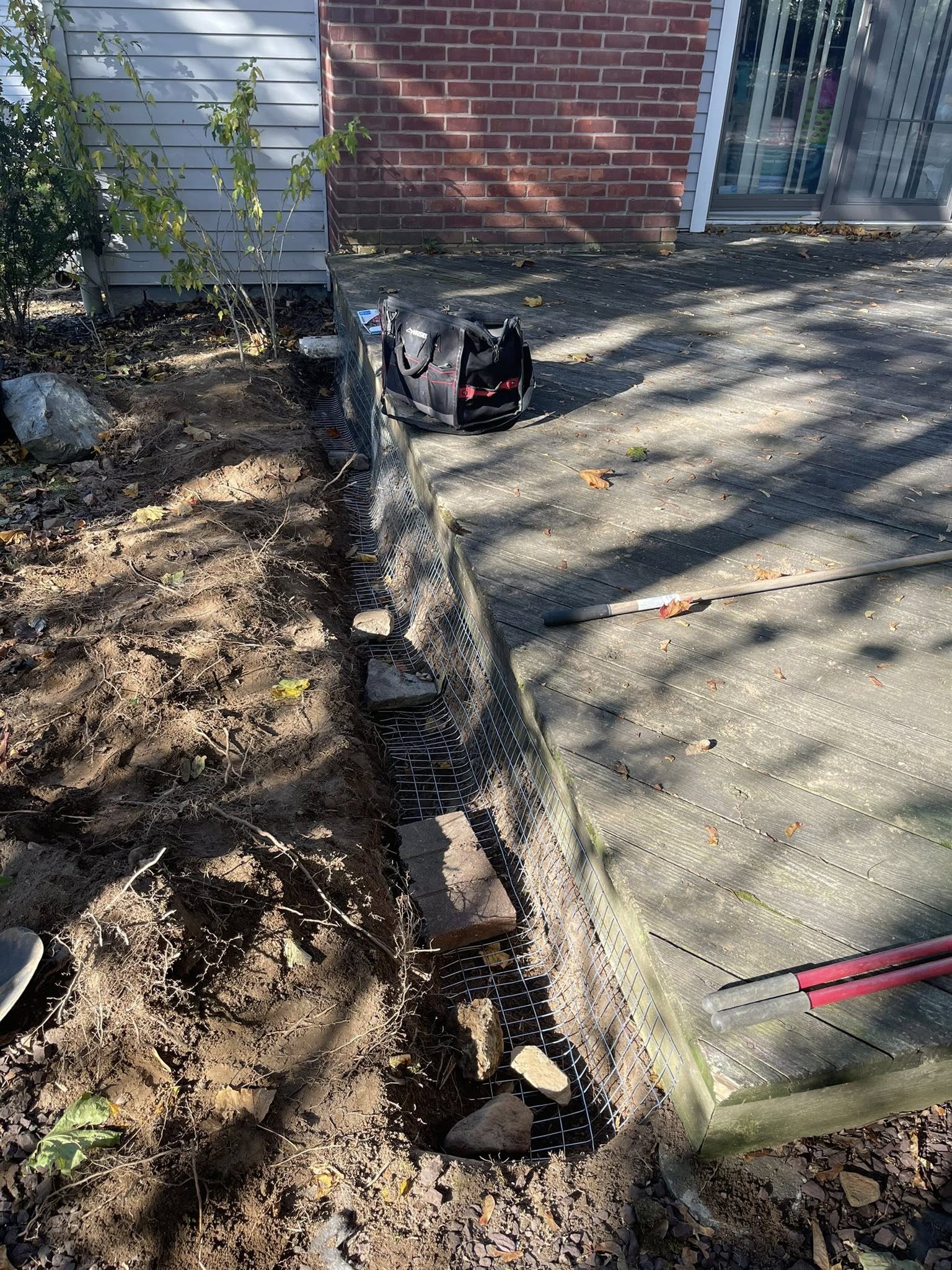
Skunk removal in Middlebury should not stop with removing the animal. If the denning area remains open, another skunk may use the same protected space later. Floyd’s can recommend exclusion work such as trenching, screening, and closing vulnerable low openings after the active skunk problem is handled.
Raccoon Removal in Middlebury, CT
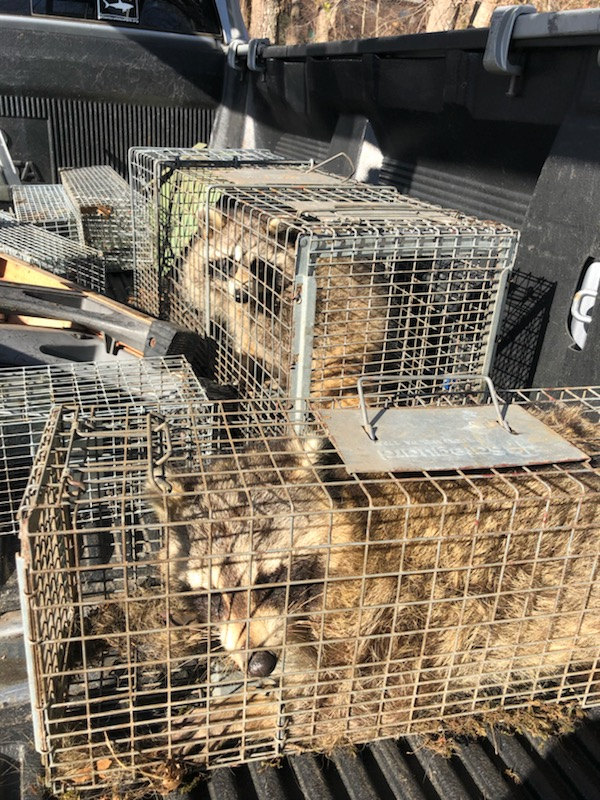
Raccoon removal is common in Middlebury because many homes have mature trees, wooded edges, chimneys, attic spaces, soffits, porch roofs, garages, sheds, decks, vents, and roofline gaps where raccoons can enter. Properties near Lake Quassapaug, Middlebury Center, Route 64, Route 188, Southford Road, Straits Turnpike, the Middlebury Greenway, Long Meadow Pond, Hop Brook Lake, and the Waterbury, Naugatuck, Oxford, Southbury, Woodbury, and Watertown border areas can all support raccoon activity.
Raccoons may pull at weak soffits, push into attic vents, damage fascia boards, enter chimney flues, climb porch roofs, and exploit gaps around older roofline transitions. Once inside a Middlebury attic, chimney, garage, shed, porch roof, or wall void, raccoons can create heavy noise, odor, droppings, urine staining, torn insulation, nesting material, and contamination.
Female raccoons may enter attics, chimneys, soffit bays, garage rooflines, sheds, or porch roof areas during baby season. When young raccoons are involved, the job must be handled carefully so babies are not left behind and animals are not sealed inside the structure.
Floyd’s Pest & Wildlife Control provides professional raccoon removal in Middlebury, including inspection, entry point identification, baby-season handling, cleanup recommendations, and exclusion guidance for rooflines, chimneys, soffits, vents, garages, decks, sheds, and other vulnerable areas.
Common Middlebury Raccoon Problems
- Raccoons entering attics through damaged soffits, fascia gaps, attic vents, roof returns, or loose trim
- Raccoons using chimneys, porch roofs, garages, sheds, decks, and crawlspace areas for shelter
- Mother raccoons with babies inside attic spaces, chimney flues, wall voids, soffit bays, or porch roof areas
- Heavy walking, thumping, dragging, or scratching sounds above ceilings or inside walls
- Raccoon activity around wooded lots, mature trees, decks, sheds, garages, and trash areas
- Damaged insulation, droppings, urine staining, nesting material, odor, and attic contamination
Raccoon removal in Middlebury should include inspection of the roofline, chimney, soffits, vents, fascia, attic access points, porch roofs, attached garages, nearby trees, and climbing routes. If raccoons have been nesting in an attic or wall void, Floyd’s may recommend attic cleanup and sanitization after the animals are removed.
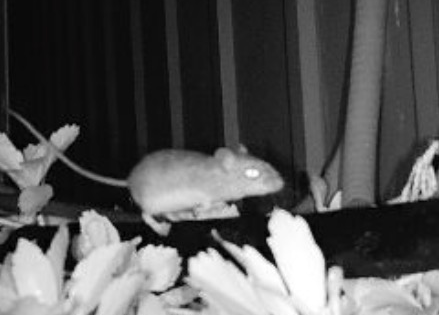
Rodent Control in Middlebury, CT
Rodent control is important in Middlebury because many homes have wooded edges, attached garages, basements, crawlspaces, sheds, stone walls, utility penetrations, roofline gaps, and attic spaces where mice and rats can find shelter. Properties near Lake Quassapaug, Middlebury Center, Route 64, Route 188, Southford Road, Straits Turnpike, the Middlebury Greenway, Long Meadow Pond, Hop Brook Lake, and the Waterbury, Naugatuck, Oxford, Southbury, Woodbury, and Watertown border areas can all experience rodent activity.
Mice can enter through small gaps around foundations, basement windows, garage doors, crawlspace vents, sill plates, siding edges, utility lines, and roofline transitions. Once inside, they may spread through wall voids, kitchens, basements, garages, attics, crawlspaces, insulation, storage rooms, and finished lower levels.
Rat activity may occur around properties with bird seed, compost, pet food, sheds, garages, chicken areas, dumpsters, heavy ground cover, stone walls, and exterior food sources. Repeat rodent problems usually happen when food sources, shelter, and entry points are not corrected.
Floyd’s Pest & Wildlife Control provides rodent control for mice and rats in Middlebury, including inspection, trapping, baiting programs when appropriate, entry point identification, exclusion recommendations, sanitation guidance, and cleanup recommendations for contaminated areas.
Common Rodent Problems in Middlebury
- Mice entering through garage gaps, foundation gaps, basement openings, utility lines, crawlspace vents, and siding gaps
- Rodents nesting in basements, garages, crawlspaces, sheds, attics, kitchens, and storage rooms
- Droppings in cabinets, pantries, utility rooms, basements, garages, attic insulation, and crawlspaces
- Chewed food packaging, insulation, stored items, plastic, wood, and wiring
- Scratching, chewing, or light movement sounds in walls, ceilings, garages, crawlspaces, and attic spaces
- Repeat rodent issues when foundation gaps, garage gaps, utility penetrations, crawlspace vents, or roofline openings are not sealed
Effective rodent control in Middlebury should look beyond the first droppings found inside the home. Floyd’s inspects for how rodents are entering, where they are nesting, what they are feeding on, and whether wooded-edge conditions, garage gaps, exterior food sources, or structural openings are helping the infestation continue.
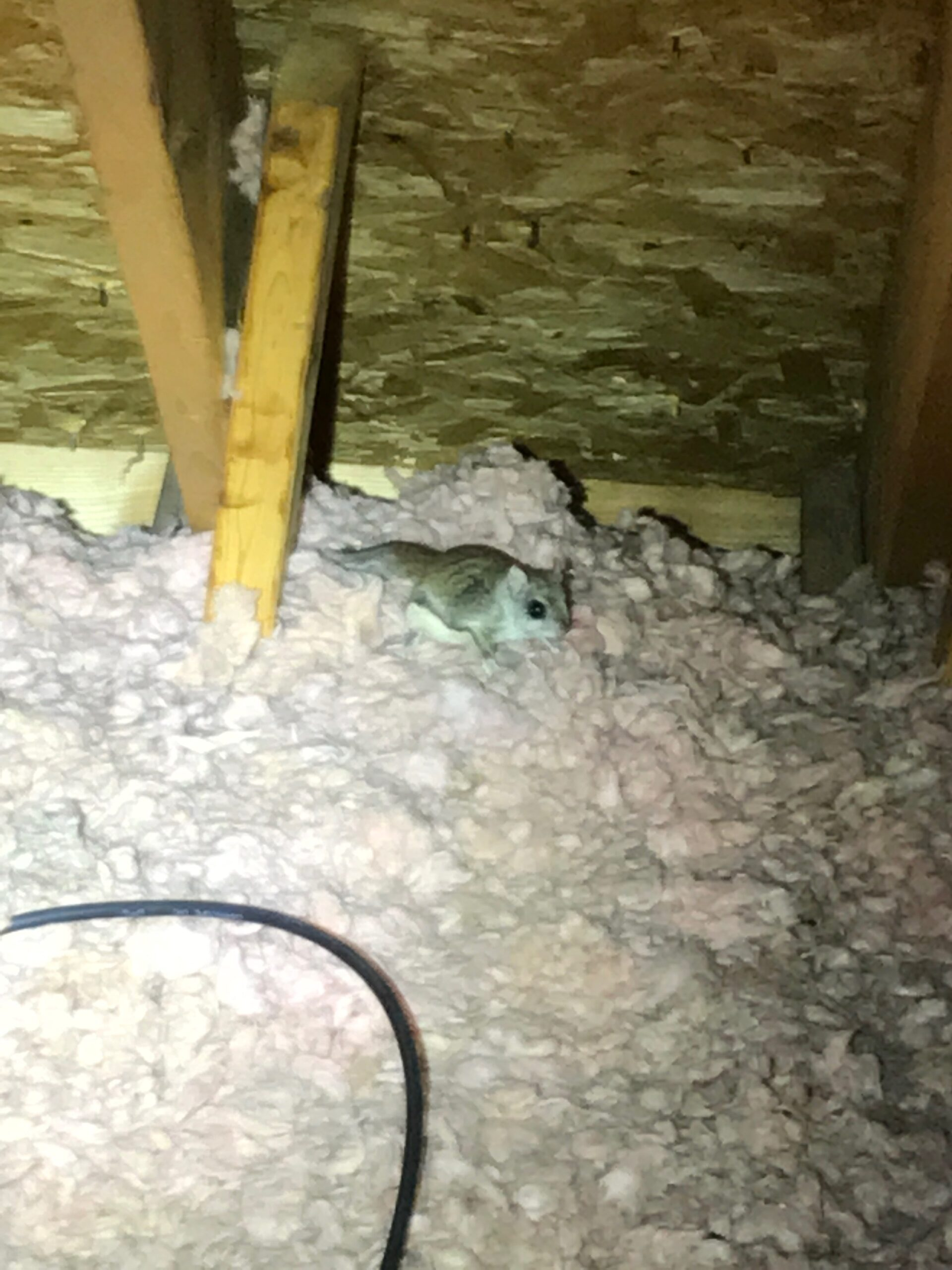
Squirrel Removal in Middlebury, CT
Squirrel removal is common in Middlebury because many homes have mature trees, wooded edges, attached garages, porch roofs, soffits, fascia boards, vents, chimneys, dormers, and attic spaces that squirrels can use for access. Properties near Lake Quassapaug, Middlebury Center, Route 64, Route 188, Southford Road, Straits Turnpike, the Middlebury Greenway, Long Meadow Pond, Hop Brook Lake, and the Waterbury, Naugatuck, Oxford, Southbury, Woodbury, and Watertown border areas can all support gray squirrel and flying squirrel activity.
Gray squirrels are usually active during the day and may be heard running, chewing, scratching, or moving heavily across attic floors, soffit bays, ceiling areas, garage rooflines, or porch roof sections. Flying squirrels are nocturnal and are often heard at night as lighter scratching, tapping, or movement inside walls and attic spaces.
Floyd’s Pest & Wildlife Control provides squirrel removal and flying squirrel control in Middlebury, including inspection, entry point identification, trapping when appropriate, exclusion recommendations, and cleanup guidance when attic contamination is present.
Common Middlebury Squirrel Problems
- Gray squirrels chewing into soffits, fascia boards, roof edges, vents, dormers, and trim gaps
- Flying squirrels entering through small roofline gaps, gable vents, attic corners, and wall voids
- Scratching, chewing, running, or tapping sounds in ceilings, walls, garages, and attic spaces
- Squirrels using mature trees, wooded edges, gutters, chimneys, porch roofs, and nearby branches to access structures
- Nesting material, droppings, urine staining, and food debris inside attic insulation
- Repeat squirrel activity when roofline openings are not sealed after removal
Squirrel removal in Middlebury should include a careful inspection of the roofline, soffits, fascia, vents, dormers, chimney areas, garage rooflines, and nearby trees. If squirrels or flying squirrels have been active in the attic for a long time, Floyd’s may recommend attic cleanup and sanitization.
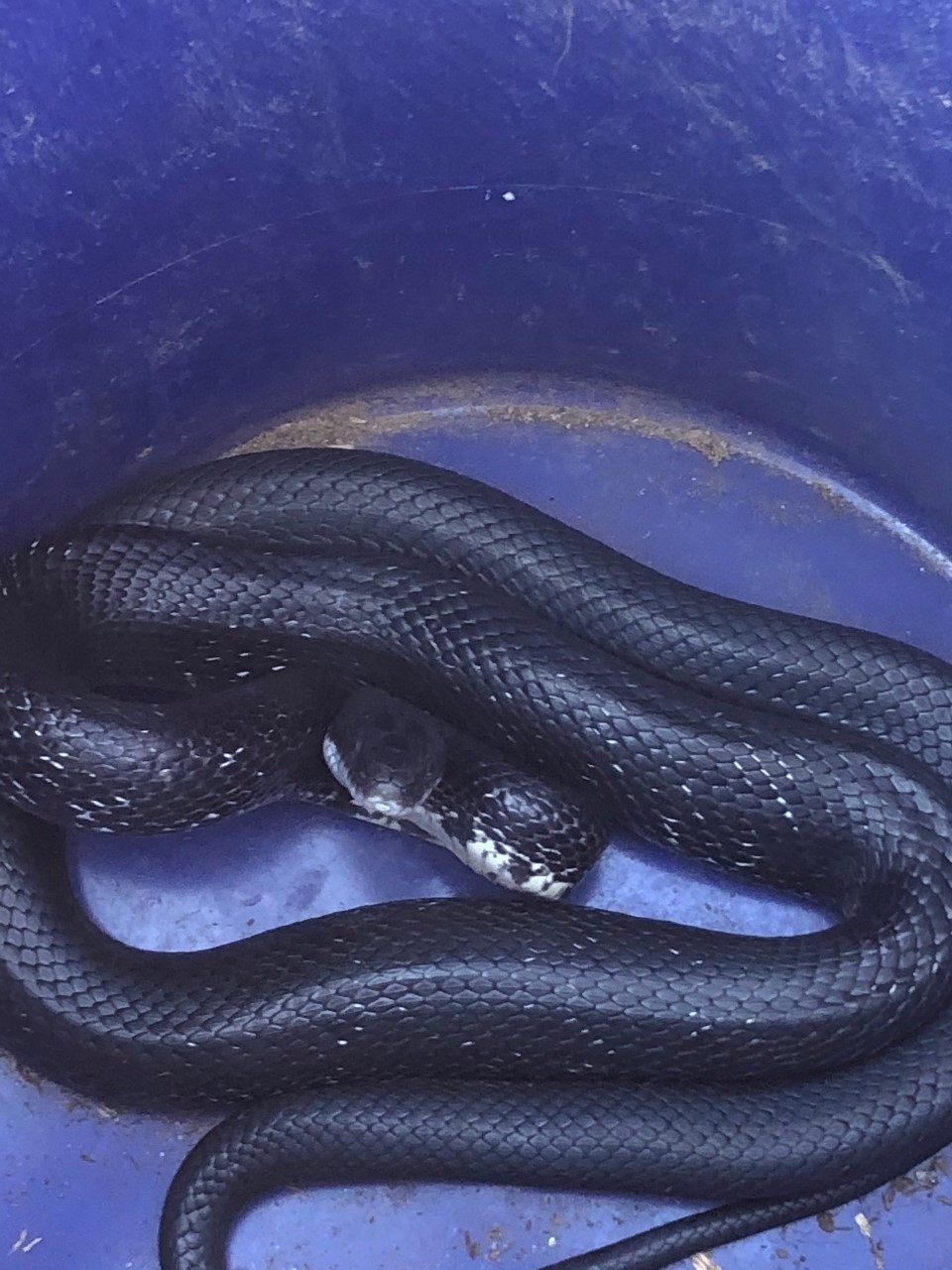
Snake Removal in Middlebury, CT
Snake removal in Middlebury is often connected to wooded lots, stone walls, older foundations, garages, basements, crawlspaces, sheds, brush piles, wood piles, retaining walls, gardens, mulch beds, wetlands, ponds, lake-area properties, and rodent activity. Properties near Lake Quassapaug, Middlebury Center, Route 64, Route 188, Southford Road, Straits Turnpike, the Middlebury Greenway, Long Meadow Pond, Hop Brook Lake, and the Waterbury, Naugatuck, Oxford, Southbury, Woodbury, and Watertown border areas can all have snake activity.
Snakes are commonly found around foundation edges, basement doors, garage openings, crawlspace vents, sheds, stone walls, wood piles, brush piles, deck areas, mulch beds, and landscaped borders. Many snake calls begin when a homeowner finds a snake in a garage, basement, shed, crawlspace, under a deck, near a foundation, or moving through a landscaped area.
In Middlebury, snake activity is often tied to mice, voles, chipmunks, and other small prey animals. Rodent activity around wooded edges, garages, basements, crawlspaces, sheds, stone walls, foundation openings, and heavy landscaping can make a property more attractive to snakes.
Floyd’s Pest & Wildlife Control provides snake removal and snake inspection services in Middlebury when snakes are entering homes, garages, basements, crawlspaces, sheds, or other areas where they are creating concern.
Common Middlebury Snake Problems
- Snakes entering garages, basements, crawlspaces, sheds, or storage areas
- Snake activity around foundations, stone walls, retaining walls, basement doors, and landscaped areas
- Snakes using decks, wood piles, brush piles, tall grass, wooded edges, and overgrown borders for cover
- Snake sightings connected to mouse, vole, chipmunk, or rodent activity
- Repeat snake sightings when foundation gaps, garage gaps, basement openings, crawlspace vents, or rodent problems are not corrected
Snake prevention usually starts with reducing the conditions that attract them. This may include sealing low entry points, reducing rodent activity, cleaning up wood piles or brush piles near the home, trimming heavy vegetation, correcting garage or foundation gaps, and keeping shed and crawlspace areas less attractive to rodents.
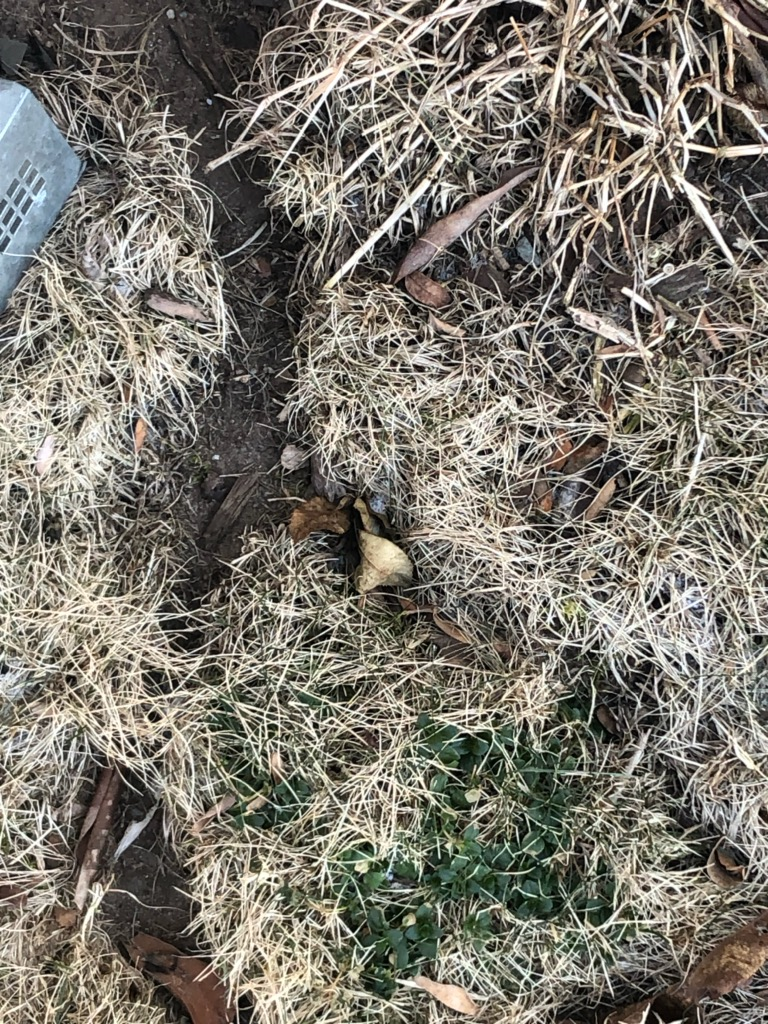
Mole & Vole Control in Middlebury, CT
Mole and vole control is common in Middlebury because many properties have lawns, wooded edges, landscaped beds, mulch borders, gardens, shaded areas, stone walls, lake-area moisture, and soft soil where tunneling and root damage can spread. Properties near Lake Quassapaug, Middlebury Center, Route 64, Route 188, Southford Road, Straits Turnpike, the Middlebury Greenway, Long Meadow Pond, Hop Brook Lake, and nearby wooded neighborhoods can all support mole and vole activity.
Moles tunnel below the surface while feeding on insects, worms, and soil organisms. Their activity can create raised ridges, soft ground, mounds, and uneven lawn areas. Voles are plant feeders that use surface runways, mulch beds, grass cover, stone wall edges, wooded borders, and existing mole tunnel systems to feed on roots, bulbs, flowers, shrubs, grass, and ornamental landscaping.
In Middlebury landscapes, vole damage is often noticed when flowers, hostas, bulbs, shrubs, or garden plants suddenly loosen, wilt, or fall over because the roots have been eaten from below. Moles may not be eating the plants directly, but their tunnel systems can help protect voles from predators and allow vole activity to spread through lawns and beds.
Floyd’s Pest & Wildlife Control provides mole and vole control in Middlebury for lawns, gardens, landscaped properties, wooded-edge yards, shaded neighborhoods, and homes dealing with tunneling, surface runways, plant loss, soft ground, and repeat yard damage.
Common Middlebury Mole & Vole Problems
- Raised mole tunnels running through lawns, side yards, and landscaped areas
- Soft ground, uneven turf, and visible surface ridges from mole tunneling
- Vole runways through grass, mulch beds, gardens, wooded edges, and foundation plantings
- Flowers, hostas, bulbs, shrubs, and ornamental plants falling over from root feeding
- Damage around garden beds, stone walls, mulch borders, shaded lawn edges, and older yard areas
- Repeat lawn and landscape damage when the active tunnel system is not addressed
Mole and vole work in Middlebury should begin by identifying which animal is causing the damage. Raised tunnels, mounds, and soft soil usually point toward mole activity, while clipped vegetation, surface runways, root damage, and plants falling over often point toward voles.
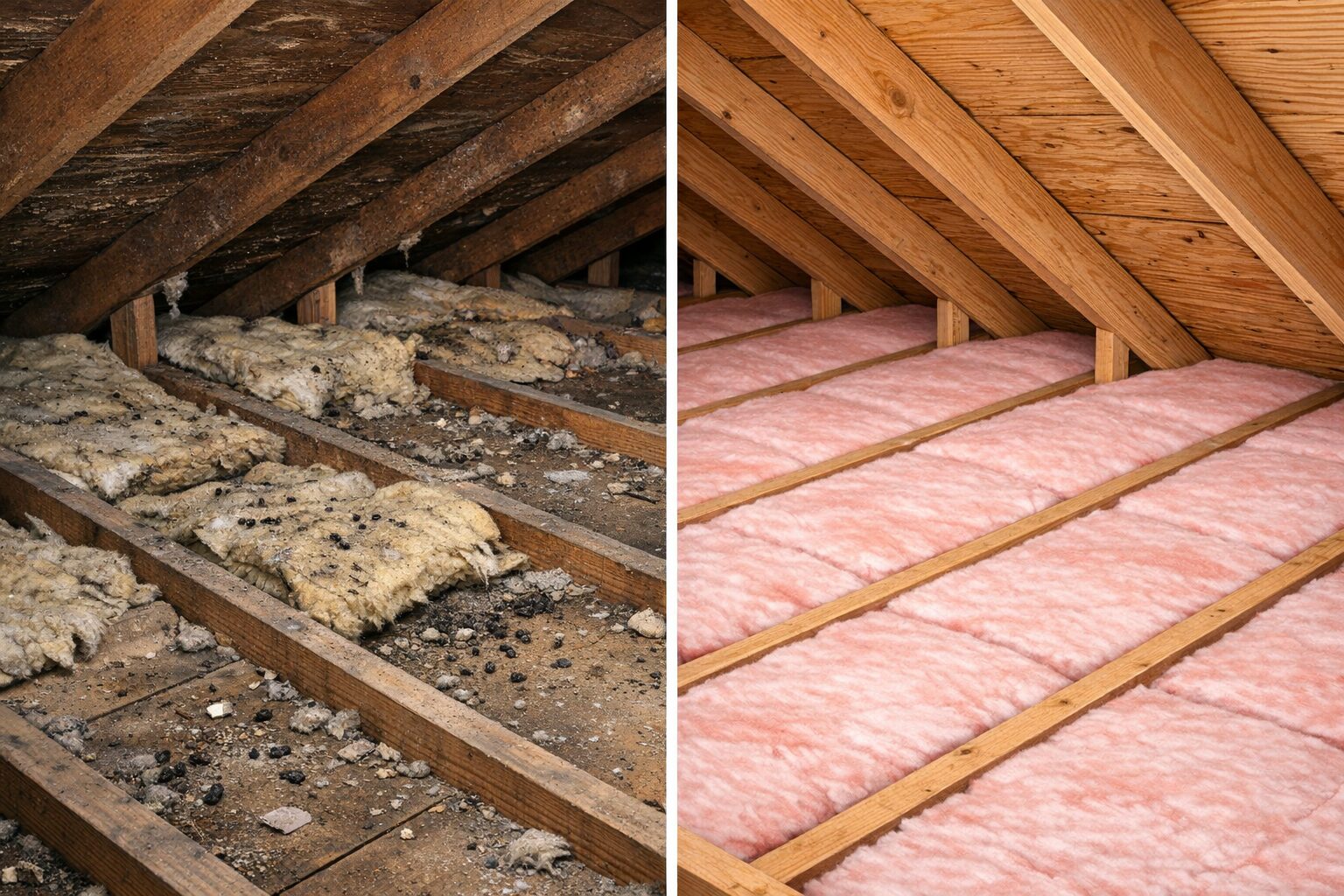
Attic Cleanup, Sanitization & Insulation Removal in Middlebury, CT
Attic cleanup may be needed in Middlebury after bats, raccoons, squirrels, flying squirrels, mice, rats, or other wildlife have been active inside a home. Older homes, wooded properties, attached garages, roofline gaps, chimneys, and attic spaces can allow animals to enter and contaminate insulation before the problem is discovered.
Bat guano, raccoon droppings, squirrel nesting material, mouse droppings, rat urine, damaged insulation, odor, and nesting debris can all create attic contamination. Cleanup should usually happen after the active animal problem has been removed and the entry points have been identified or sealed.
Floyd’s Pest & Wildlife Control provides attic cleanup, sanitization, insulation removal, and contamination cleanup for Middlebury homes after wildlife activity. Cleanup may include removing contaminated insulation, disinfecting affected areas, reducing odor, and preparing the attic for repair or new insulation when needed.
Common Reasons Middlebury Attics Need Cleanup
- Bat guano beneath ridge vents, gable vents, chimneys, soffits, dormers, or roofline gaps
- Raccoon droppings, urine staining, nesting material, torn insulation, and attic odor
- Squirrel or flying squirrel droppings, nesting material, food debris, and chewed insulation
- Mouse or rat contamination in attic corners, ceiling bays, wall voids, and insulation runs
- Dead animal odor, insect activity, or staining connected to old wildlife activity
Floyd’s focuses on removal, exclusion, and cleanup in the right order so the attic is not cleaned while the same wildlife entry points are still open.
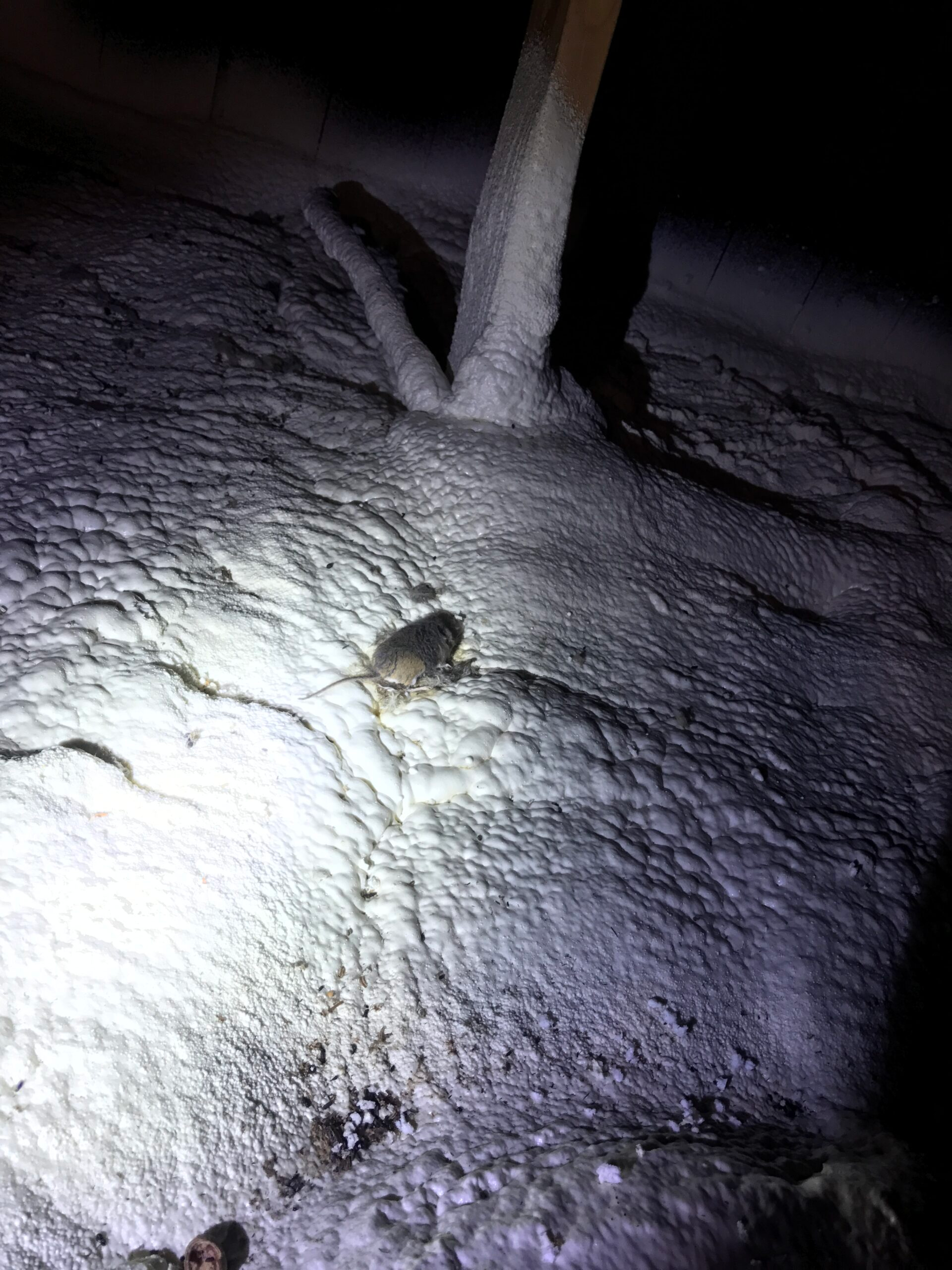
Dead Animal Removal & Odor Control in Middlebury, CT
Dead animal odor can become a problem in Middlebury when a mouse, rat, squirrel, raccoon, skunk, bird, bat, opossum, or other animal dies inside a wall, attic, crawlspace, chimney, garage, basement, shed, porch roof, or under a deck. Wooded properties, lake-area homes, older structures, attached garages, and crawlspaces can make the odor source difficult to locate.
Odor may travel through wall voids, insulation, ceiling bays, HVAC pathways, crawlspaces, basement air spaces, attic vents, garage transitions, chimney chases, and porch voids. Homeowners may notice a sour, rotten, musky, skunk-like, or sewage-like smell that gets worse during warm weather or when the heat or air conditioning runs.
Floyd’s Pest & Wildlife Control provides dead animal removal and odor control for Middlebury homes and buildings, including inspection, odor source location, removal when accessible, deodorizing recommendations, sanitation guidance, and prevention steps.
Common Dead Animal Odor Problems in Middlebury
- Dead mice or rats inside walls, basements, crawlspaces, garages, utility voids, or attic insulation
- Dead squirrels or flying squirrels in attic spaces, soffits, wall voids, or roofline gaps
- Dead skunks, raccoons, or opossums under decks, sheds, porches, crawlspaces, garages, or additions
- Birds or bats dying inside chimneys, vents, wall voids, attic spaces, or older roofline openings
- Strong odor moving through HVAC pathways, ceiling bays, closets, garages, basements, crawlspaces, or attic areas
- Fly activity, staining, insects, maggots, or recurring odor near a hidden animal carcass
Dead animal removal should also include figuring out why the animal was there. If mice or rats are dying inside walls, there may be an active rodent entry point. If a squirrel dies in a roofline area, the attic opening may still be active. If a skunk or raccoon dies under a deck, porch, crawlspace, or garage, that area may need exclusion.
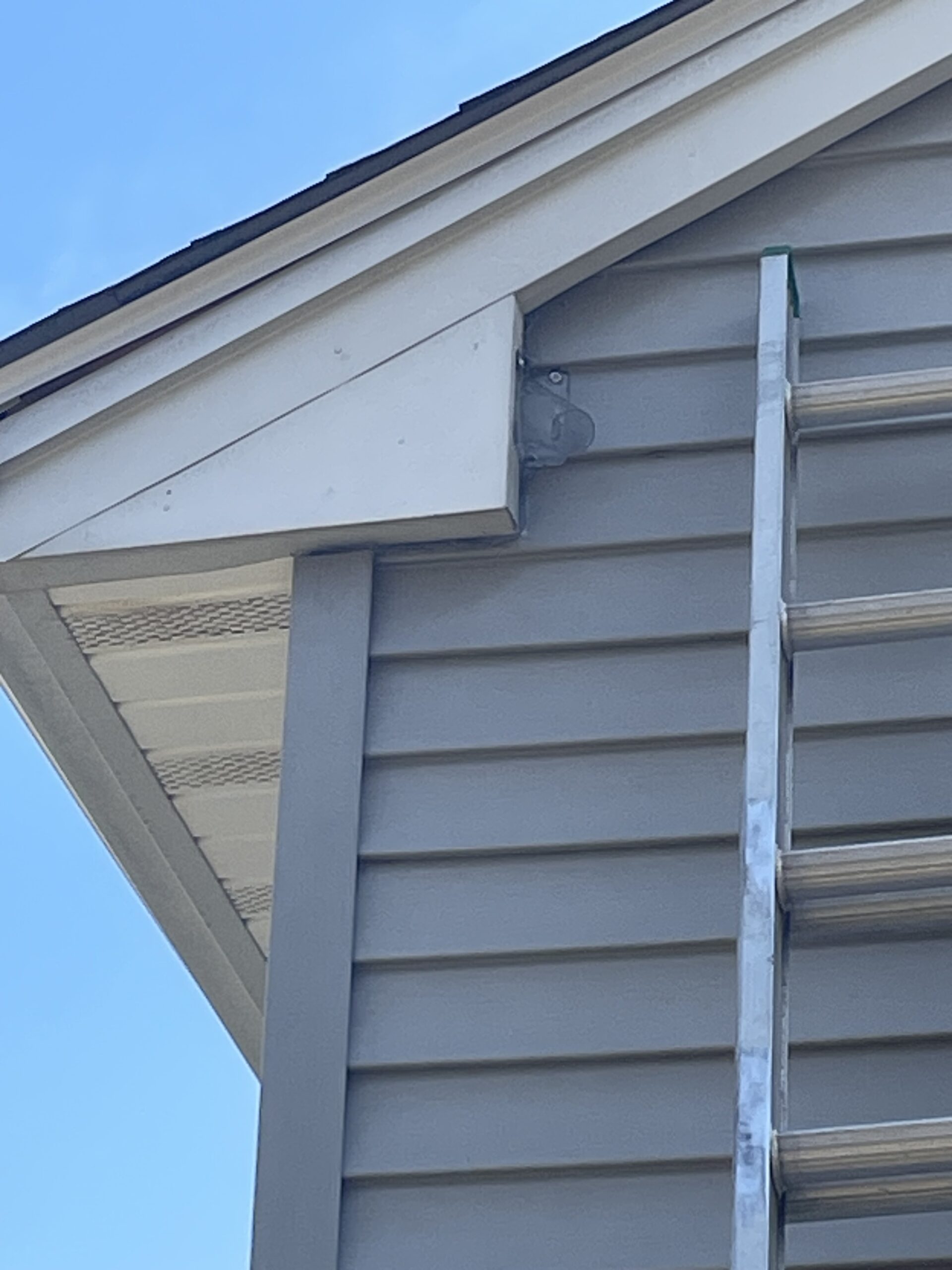
Wildlife Exclusion & Entry Point Repair in Middlebury, CT
Wildlife exclusion is important in Middlebury because many homes have wooded surroundings, attached garages, decks, sheds, crawlspaces, chimneys, soffits, attic vents, siding gaps, foundation openings, utility penetrations, and roofline gaps that animals can reuse. Removing the animal solves the immediate problem, but exclusion helps stop the same opening from being used again.
Bats may return to ridge vents, gable vents, chimney gaps, soffit returns, fascia openings, and dormer corners. Skunks may reuse openings beneath decks, sheds, porches, crawlspaces, garages, and steps. Woodchucks may continue using burrows near sheds, patios, retaining walls, gardens, garage slabs, and foundation edges if the active animal and burrow pressure are not addressed.
Raccoons may return to chimneys, soffits, attic vents, porch roofs, fascia gaps, and garage rooflines. Squirrels may chew back into soffits, fascia boards, vents, dormers, and trim gaps. Rodents may keep entering through small gaps around foundations, garage doors, utility lines, crawlspace vents, siding, sill plates, basement windows, and roofline transitions.
Floyd’s Pest & Wildlife Control provides exclusion recommendations and repair-based prevention for Middlebury homes after the active wildlife issue has been identified. The goal is to correct the access point, reduce repeat animal activity, and protect vulnerable areas before another bat, skunk, woodchuck, raccoon, mouse, rat, or squirrel uses the same opening.
Common Middlebury Wildlife Exclusion Areas
- Ridge vents, gable vents, soffit returns, fascia gaps, dormers, chimneys, and bat entry gaps
- Open areas beneath decks, sheds, porches, crawlspaces, garages, front steps, and additions
- Woodchuck burrow areas near sheds, patios, gardens, retaining walls, garages, and foundation edges
- Raccoon-damaged soffits, attic vents, fascia boards, porch roofs, chimneys, and roof returns
- Squirrel-chewed soffits, fascia boards, dormer corners, vents, trim gaps, and garage rooflines
- Foundation gaps, crawlspace vents, garage gaps, utility penetrations, siding gaps, and sill plate gaps
Exclusion work should match the animal and the structure. Bat exclusion requires careful sealing and one-way devices. Skunk exclusion may require trenching and screening below low structures. Woodchuck prevention may include monitoring burrows and protecting vulnerable shed, patio, garden, and wall edges. Rodent exclusion focuses on very small openings around the foundation, garage, crawlspace, and roofline.
Wildlife Removal Near Middlebury, CT
Floyd’s Pest & Wildlife Control serves Middlebury and nearby New Haven County towns, with service connections where bat exclusion, skunk removal, woodchuck trapping, raccoon removal, rodent control, attic cleanup, dead animal odor control, and wildlife exclusion overlap across wooded properties, lake-area homes, older houses, garages, sheds, crawlspaces, rooflines, and Naugatuck Valley border towns.
- New Haven County Wildlife Removal | Bats, Skunks, Woodchucks, Raccoons & Rodents
- Rodent Control in Naugatuck, CT
- Bat Removal in Oxford, CT
- Woodchuck Removal in Southbury, CT
- Raccoon Removal in Waterbury, CT
- Skunk Removal in Prospect, CT
- Wildlife Exclusion in Cheshire, CT
- Dead Animal Removal in Beacon Falls, CT
Middlebury Wildlife Removal Summary
Wildlife problems in Middlebury often involve wooded properties, lake-area homes, older houses, garages, crawlspaces, attics, sheds, decks, mature trees, gardens, retaining walls, and roofline openings. The table below summarizes the most common animal problems Floyd’s Pest & Wildlife Control handles in Middlebury, CT.
| Wildlife Problem | Common Middlebury Issue | Service |
|---|---|---|
| Bats | Bats entering ridge vents, gable vents, soffit returns, chimney gaps, dormers, garage rooflines, attic spaces, and lake-area homes | Bat exclusion, one-way devices, sealing, follow-up, attic inspection, and cleanup recommendations |
| Skunks | Skunks denning under decks, sheds, porches, crawlspaces, garages, front steps, and additions | Skunk removal, den inspection, trapping, odor guidance, and exclusion recommendations |
| Woodchucks | Burrows under sheds, patios, decks, retaining walls, garage slabs, gardens, and foundation edges | Woodchuck trapping, removal, burrow inspection, and prevention guidance |
| Raccoons | Raccoons using chimneys, attics, soffits, vents, porch roofs, garages, sheds, decks, and mature tree access | Raccoon removal, baby-season handling, entry point inspection, attic cleanup recommendations, and exclusion |
| Rodents | Mice and rats in basements, garages, crawlspaces, attics, kitchens, sheds, wall voids, and storage areas | Rodent control, trapping, baiting programs, sanitation guidance, exclusion recommendations, and cleanup guidance |
| Squirrels | Gray squirrels and flying squirrels entering through soffits, fascia gaps, vents, dormers, garage rooflines, and attic openings | Squirrel removal, flying squirrel control, entry point inspection, exclusion recommendations, and attic cleanup guidance |
| Snakes | Snakes near foundations, garages, basements, crawlspaces, sheds, stone walls, wooded edges, and rodent activity | Snake removal, inspection, rodent control recommendations, and entry point prevention |
| Moles & Voles | Raised tunnels, soft ground, surface runways, root damage, plant loss, garden damage, and lawn damage | Mole and vole inspection, control recommendations, and yard damage assessment |
| Attic Contamination | Bat guano, raccoon droppings, squirrel debris, flying squirrel contamination, rodent droppings, urine staining, odor, and damaged insulation | Attic cleanup, sanitization, insulation removal, odor reduction, and contamination cleanup |
| Dead Animal Odor | Odor from dead wildlife in walls, attics, crawlspaces, garages, basements, sheds, chimneys, and porch voids | Dead animal removal, odor source location, deodorizing recommendations, and prevention guidance |
Middlebury Wildlife Removal FAQ
Wildlife problems in Middlebury often involve bats in rooflines, skunks under decks and sheds, woodchucks near gardens and retaining walls, raccoons in chimneys and attics, rodents in garages and crawlspaces, and animals using wooded lots, lake-area homes, attics, basements, sheds, and older structural openings.
What wildlife problems are most common in Middlebury?
Common wildlife problems in Middlebury include bats entering attics through roofline gaps, skunks denning under decks and sheds, woodchucks burrowing near gardens and retaining walls, raccoons entering chimneys and soffits, mice entering garages and crawlspaces, squirrels using attic spaces, snakes near rodent activity, and mole or vole damage in lawns and landscaped areas.
Why are bats common in Middlebury homes?
Middlebury has wooded lots, ponds, wetlands, lake-area properties, older rooflines, ridge vents, gable vents, soffit returns, chimneys, dormers, attached garages, and attic spaces that bats can use. Bat exclusion usually requires identifying the active entry point, installing one-way devices when needed, and sealing secondary gaps.
Do skunks live under decks and sheds in Middlebury?
Yes. Skunks commonly den under decks, sheds, porches, crawlspaces, garages, front steps, and additions. Middlebury properties with wooded edges, quiet low openings, landscaped beds, and insect activity can attract skunks.
Can skunk odor enter a Middlebury home from outside?
Yes. Skunk odor can move through crawlspaces, basement gaps, attached garages, porch voids, HVAC pathways, and low structural openings. A skunk spraying near a deck, shed, porch, garage, crawlspace, or foundation can create odor inside the home even when the animal is outside.
Can woodchucks damage sheds, patios, and retaining walls?
Yes. Woodchucks can dig near sheds, decks, patios, retaining walls, garage slabs, garden edges, and foundation areas. Their burrows remove soil from beneath structural and landscaped areas, which can create voids, settling, erosion, washouts, and unsafe holes.
How do raccoons get into Middlebury attics and chimneys?
Raccoons may enter through damaged soffits, attic vents, fascia gaps, chimney openings, porch roof areas, garage rooflines, loose trim, and weakened roofline openings. Properties with mature trees and older rooflines can have repeat raccoon activity if the access point is not corrected.
Why do rodent problems happen in Middlebury homes?
Rodent problems in Middlebury often begin around wooded edges, garages, crawlspaces, basements, sheds, firewood areas, utility penetrations, foundation gaps, and exterior food sources. Mice can enter through very small openings and move through walls, attic insulation, storage areas, kitchens, garages, and lower levels.
Why are snakes showing up near my Middlebury home?
Snake activity is often connected to mice, voles, chipmunks, wooded edges, stone walls, garages, sheds, crawlspaces, mulch beds, ponds, wetlands, and foundation openings. If snakes appear repeatedly, rodent activity or low structural gaps may also need to be addressed.
Do Middlebury attics need cleanup after bats, raccoons, squirrels, or rodents?
Sometimes. Attic cleanup may be needed when bats, raccoons, squirrels, flying squirrels, mice, or rats contaminate insulation with guano, droppings, urine, nesting material, odor, food debris, or damaged insulation. Cleanup should usually happen after the active animal problem and entry points are corrected.
Do you provide wildlife exclusion in Middlebury?
Yes. Floyd’s Pest & Wildlife Control provides wildlife exclusion and prevention recommendations for rooflines, chimneys, soffits, vents, foundations, basements, crawlspaces, garages, decks, sheds, attic openings, and other vulnerable areas where animals can re-enter.