Connecticut’s Tick Explosion Is Being Fueled By Rodents
Connecticut is already experiencing one of the worst early tick seasons in recent years, and experts say tick activity reached peak levels far earlier than normal this spring.
According to a recent Connecticut Mirror report, warmer winter temperatures, changing weather patterns, and environmental conditions are helping ticks remain active longer and spread more aggressively throughout the state.
Read the Connecticut Mirror article here
While most people immediately think about deer when discussing ticks, rodents are actually one of the most important animals responsible for spreading ticks around homes and residential properties.
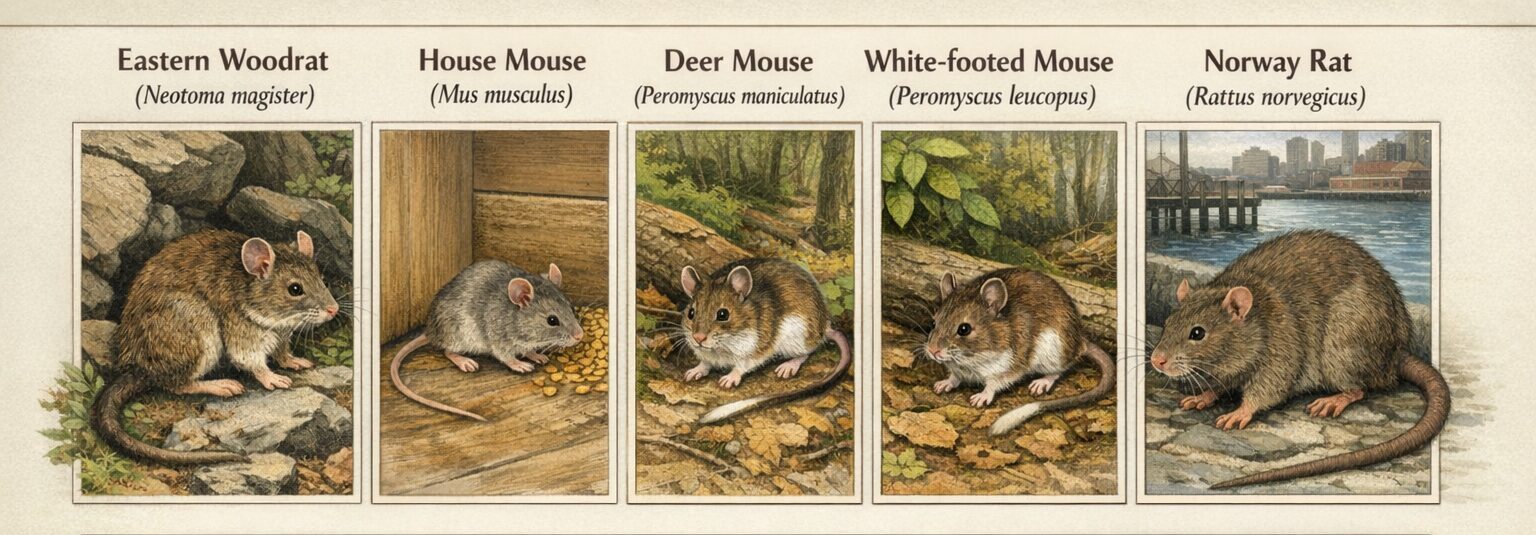
Mice, rats, voles, and other small mammals play a major role in spreading ticks throughout residential properties in Connecticut.
Rodents Are One Of The Biggest Tick Spreaders In Connecticut
Ticks rely heavily on small mammals during important parts of their life cycle. Mice, voles, rats, chipmunks, squirrels, and other small animals carry immature ticks across residential properties, wooded edges, brush lines, flower beds, crawlspaces, garages, sheds, and landscaping.
As rodent populations increase around homes, tick populations often increase with them.
Rodents commonly travel through:
- Wood piles
- Stone walls
- Brush and overgrowth
- Mulch beds and landscaping
- Crawlspaces and foundation edges
- Garages and sheds
- Tall grass and field edges
- Outdoor storage areas
These same protected travel corridors create ideal environments for ticks to survive and spread close to homes where people, pets, and children spend time outdoors.
Many Connecticut homeowners are surprised to learn that deer mice, white-footed mice, voles, and chipmunks are some of the primary animals responsible for maintaining tick populations near residential areas.
White-footed mice are especially important in the spread of Lyme disease bacteria because ticks commonly feed on them while developing.
Lyme Disease & Other Tick-Borne Illnesses Continue Rising
Connecticut remains one of the highest-risk states in the country for Lyme disease and other tick-borne illnesses.
Ticks throughout Connecticut are capable of spreading:
- Lyme Disease
- Anaplasmosis
- Babesiosis
- Powassan Virus
- Ehrlichiosis
- Rocky Mountain Spotted Fever
Many of these illnesses can produce serious long-term symptoms if left untreated.
As tick populations continue increasing throughout Connecticut, reducing rodent activity around homes and buildings is becoming more important than ever.
Voles Quietly Create Massive Tick Habitat Around Homes
Voles are one of the most overlooked animals contributing to tick problems around residential properties.
Unlike mice that commonly enter structures, voles spend much of their time hidden beneath grass, mulch, flower beds, brush, shrubs, and landscaping where they create extensive protected runway systems.
These hidden vole tunnels create ideal humid environments where ticks can survive, spread, and remain protected from weather conditions.
Properties with heavy vole activity often experience:
- Higher tick pressure
- Dead grass runways through lawns
- Damage to flowers and landscaping
- Chewed roots and ornamental plants
- Increased predator activity
Many homeowners dealing with tick issues are also unknowingly dealing with large vole populations beneath landscaping and lawn areas.
Learn more about vole control here:
Mole & Vole Control
Squirrels Also Help Spread Ticks Around Structures
Squirrels are another major wildlife species involved in moving ticks throughout residential properties.
Squirrels commonly travel between trees, rooflines, sheds, garages, fences, attics, decks, and wooded property edges while carrying ticks into areas close to homes.
Properties with heavy squirrel activity often also experience increased wildlife pressure involving mice, chipmunks, and other small mammals that contribute to growing tick populations.
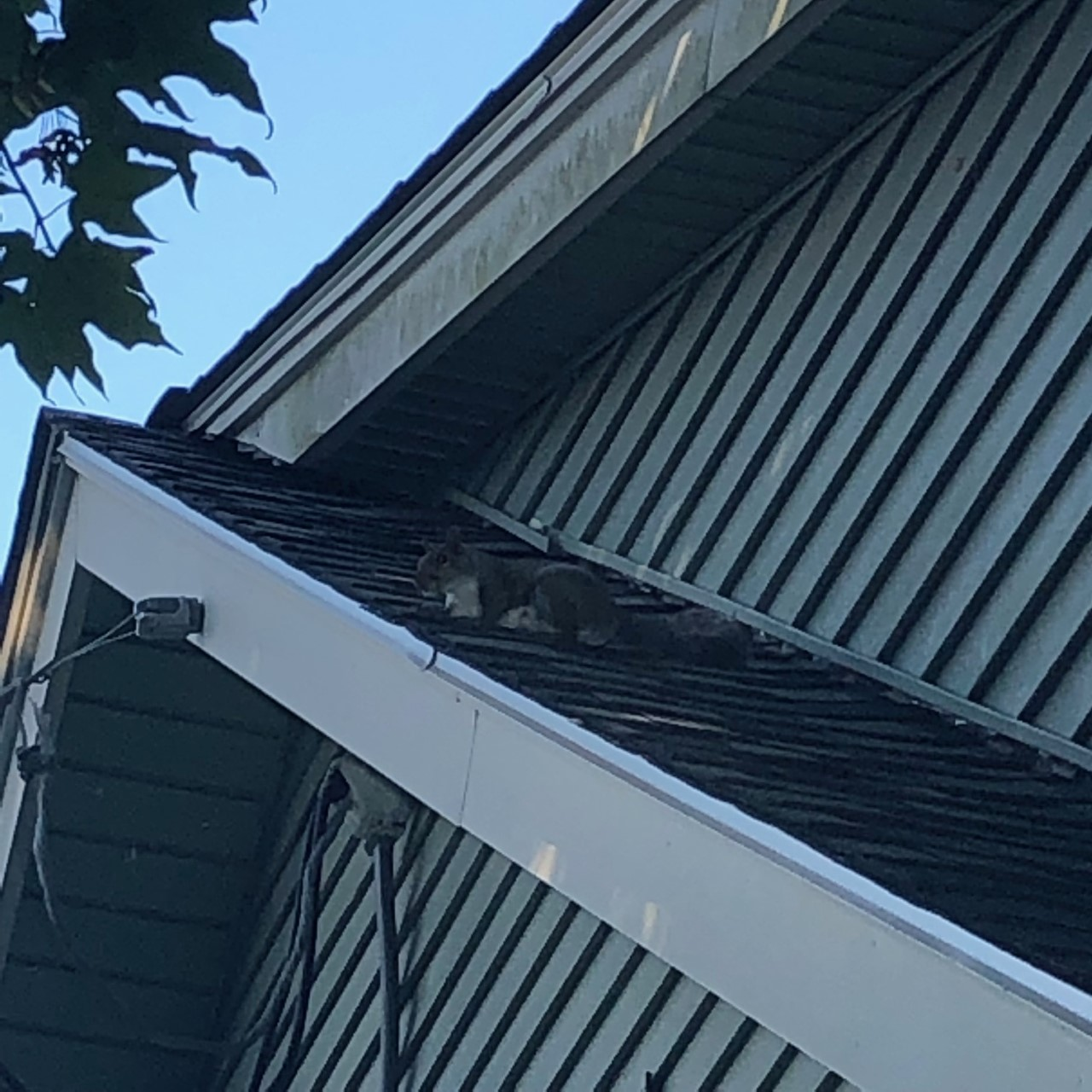
Squirrels commonly move ticks around rooflines, garages, sheds, wooded edges, and residential properties throughout Connecticut.
Learn more about squirrel removal here:
Squirrel Removal
Why Tick Problems Are Especially Bad In Southeastern Connecticut
Southeastern Connecticut has ideal environmental conditions for both rodents and ticks because the region combines:
- Heavy wooded habitat
- Stone walls and old foundations
- Wetlands and marsh areas
- Dense residential development
- Shoreline humidity
- Large rodent populations
- Extensive brush and overgrowth
- Mild coastal winters
Areas like Groton, New London, Norwich, Mystic, Waterford, and surrounding New London County communities often experience intense wildlife and rodent pressure because residential neighborhoods are closely connected to wooded habitat and shoreline environments.
As rodent populations move through these environments, ticks spread with them.
Rodent Control Helps Reduce Tick Pressure Around Homes
Professional rodent control helps reduce many of the environmental conditions that allow ticks to thrive around homes and buildings.
Reducing rodent pressure may help lower the number of ticks moving through residential properties, landscaping, crawlspaces, sheds, garages, and wooded edges.
Rodent control services may include:
- Exterior baiting programs
- Rodent exclusion work
- Crawlspace inspections
- Foundation sealing
- Garage and shed inspections
- Habitat reduction recommendations
- Rodent monitoring programs
- Long-term prevention services
Long-term rodent control focuses on reducing food sources, correcting entry points, lowering active populations, and preventing recurring infestations around the property.
Learn more about our rodent control services here:
Rodent Control (Mice & Rats)
Rodent & Wildlife Services Throughout Southeastern Connecticut
Floyd’s Pest & Wildlife Control provides rodent control, vole control, squirrel removal, wildlife exclusion, and prevention services throughout southeastern Connecticut including:
- New London County Wildlife Removal
- Rodent Control Groton CT
- Rodent Control New London CT
- Rodent Control Norwich CT
As tick populations continue increasing throughout Connecticut, reducing rodent and wildlife pressure around homes and buildings is becoming more important than ever.